
Hunan Sheng
China · Province · 30 destinations with guides
Photography coming soonWhy visit?
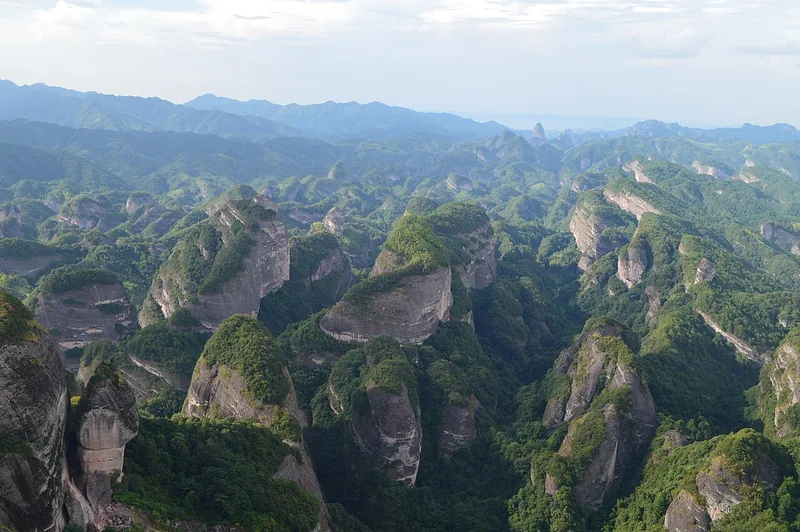
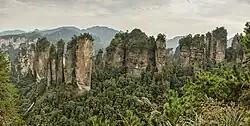
Hunan Sheng (湖南省), literally "south of the lake," sits in south-central China just below Dongting Lake, the country's second-largest freshwater body. The province is a landscape of dramatic contrasts: the karst sandstone pillars of Zhangjiajie in the northwest, the terraced rice paddies and Miao and Tujia villages of the Wuling and Xuefeng mountains, the fertile Xiang River basin in the heart, and the lake plains in the north where the Yangtze tributaries braid out before joining the main river. Roughly 67 million people live here, making it one of China's most populous provinces, but outside Changsha and a handful of regional cities much of Hunan still feels rural and deeply traditional.
For travellers, Hunan is best known for three things — the otherworldly scenery of Zhangjiajie and Tianmen Mountain (a major inspiration for the floating peaks of Avatar), the political pilgrimage sites tied to Mao Zedong, who was born in Shaoshan and educated in Changsha, and Xiang cuisine, considered one of the eight great regional traditions of Chinese cooking and arguably the spiciest. The province also holds Fenghuang, a riverside ancient town that has become one of China's most photographed historic settlements, and Hengshan, one of the Five Great Mountains of Daoism.
Culturally, Hunan is a meeting point. The Han Chinese majority is concentrated in the lowlands and around Changsha, while the western prefectures — Xiangxi and the mountainous southwest — are home to large Tujia, Miao, and Dong populations whose stilt-house villages, drum towers, and embroidery traditions give that part of the province a character closer to Guizhou than to the Yangtze.
When is the best time to visit?
The best windows are April–May and September–October. Spring brings rapeseed bloom across the hills, comfortable temperatures (15–25°C), and the cleanest views in Zhangjiajie before the summer haze sets in. Autumn is drier and crisper, with brilliant foliage on the sandstone columns and good visibility from Tianmen and Heaven's Gate.
Summer (June–August) is hot, humid, and prone to thunderstorms; Changsha regularly tops 35°C and is among the "Four Furnaces" of the Yangtze. The upside is that mountain destinations like Zhangjiajie, Hengshan, and the Dehang valley are 5–10°C cooler than the plains and offer real relief. Watch for the East Asian monsoon flooding rivers in late June and July — landslides occasionally close roads in Xiangxi.
Winter is mild but damp and overcast, with January lows around 2–5°C in Changsha. Snow is rare on the plains but dusts the higher peaks; Tianmen Mountain in snow is spectacular if you catch a clear day. Major festival dates worth planning around: the Miao New Year (lunar 10th–11th month, usually late November to December) in Xiangxi villages, Dragon Boat Festival (5th day of the 5th lunar month) — Hunan claims the tradition's origin via the poet Qu Yuan, who drowned himself in the Miluo River — and Chinese New Year, when domestic tourism peaks at Zhangjiajie and Fenghuang.
Tell us your dates and we'll shape a Hunan Sheng route around them.
WhatsAppHow do you get around?
High-speed rail is the backbone. Changsha South is a major junction on the Beijing–Guangzhou and Shanghai–Kunming HSR lines, with G-trains to Zhangjiajie West (about 2h45m, ¥230–290), Hengyang East (35m, ¥75), Yueyang East (30m, ¥60), and Huaihua South (1h30m, ¥190). The Zhangjiajie–Jishou–Huaihua HSR, opened in late 2021, finally brought western Hunan onto the network — Fenghuang Ancient City station is a 30-minute taxi from the old town.
For destinations off the rail map (Mao's birthplace at Shaoshan, the Dehang valley, smaller Miao villages), long-distance buses from Changsha South Bus Station, Zhangjiajie Central Bus Station, and Jishou are reliable; expect ¥40–120 depending on distance. Within scenic areas like Zhangjiajie's Wulingyuan park, free shuttles cover most stops once you've paid the multi-day entry ticket (¥225 for three days).
Taxis and Didi work well in Changsha, Zhuzhou, Xiangtan, Hengyang, and Yueyang. In smaller towns negotiate a flat fare (¥60–150 for cross-town runs). Driving distances: Changsha to Zhangjiajie is around 380 km / 4h30m on the G5513 expressway; Changsha to Fenghuang is roughly 470 km / 5h30m; Zhangjiajie to Fenghuang is 240 km / 4h on mountain roads.
Where should you go?
- Changsha — provincial capital, nightlife and food capital, gateway for Shaoshan and Yuelu Mountain.
- Zhangjiajie / Wulingyuan — UNESCO-listed sandstone pillar forest; the headline natural draw.
- Fenghuang Ancient Town — riverside Ming–Qing settlement on the Tuojiang, photogenic and busy.
- Hengshan (Mount Heng) — southern peak of the Five Great Mountains, important Daoist pilgrimage site.
- Yueyang — Dongting Lake town anchored by the Yueyang Tower, one of China's three great riverside pavilions.
- Shaoshan — Mao Zedong's birthplace, a major domestic-tourism pilgrimage circuit.
- Dehang — Miao stone-village valley near Jishou, quieter alternative to Fenghuang.
- Furong Ancient Town — waterfall-front Tujia town, used as the Hibiscus Town film location.
Want the scenic legs and stays booked for you? Just ask.
WhatsAppWhat should you eat?
Xiang cuisine (湘菜) is built on three pillars: chillies (fresh, dried, pickled, and fermented), smoke, and sourness. It is generally hotter and more pungent than Sichuanese food but uses less numbing peppercorn — the heat is sharper and more direct. Signature dishes include duo jiao yu tou (剁椒鱼头, steamed fish head buried under a mound of red chopped chillies), Mao's red-braised pork (毛氏红烧肉, fatty pork belly caramelised with rock sugar and star anise — said to be the Chairman's favourite), smoked bacon with dried beans (腊肉炒干豆角), stinky tofu (臭豆腐, the deep-fried Changsha black version, very different from the Shaoxing white style), and sour-soup fish (酸汤鱼) in the Miao west.
In Changsha, Wuyi Square and the lanes around Pozi Street (坡子街) are the obvious eating grounds — Wenheyou (a vast retro-themed food complex) and the original Huogongdian for stinky tofu and tang oil cake are landmarks, both with hours-long queues on weekends. Cheaper and more local: the night markets around Taiping Old Street. In Zhangjiajie, look for sanxiaguo (三下锅, a "three-into-the-pot" stew of cured meats and tofu). In Xiangxi, Miao sour fish and bamboo-tube rice are the things to seek out.
Vegetarians will struggle outside larger cities — even vegetable dishes are routinely cooked with cured pork or lard. Phrases like "wo chi su" (我吃素) help; Buddhist restaurants near temples (Kaifu Si in Changsha, Nanyue Damiao at Hengshan) are reliable fallbacks. Tap water is not potable; bottled water is universal and cheap (¥2–3).
What is the culture like?
Hunan punches above its weight culturally. The province produced Qu Yuan (the poet whose suicide in the Miluo River in 278 BCE is commemorated by the Dragon Boat Festival), Zeng Guofan, and Mao Zedong, and the Yuelu Academy in Changsha — founded in 976 — is one of the four great academies of imperial China and still part of Hunan University.
Major festivals:
- Dragon Boat Festival (端午节) — late May or June. Miluo, where Qu Yuan drowned, hosts the country's most historically resonant boat races; Yueyang and Changsha also stage major events.
- Miao New Year (苗年) — late November to December in Xiangxi villages around Jishou, Fenghuang, and Huayuan. Lusheng pipes, bullfights, and silver-dressed dancing.
- She Huo and Lantern Festival (元宵) — fifteenth day of the lunar new year. Lantern parades in Fenghuang and Phoenix-style lion dances in many towns.
- Hengshan Temple Fair — eighth lunar month. Daoist pilgrims climb Mount Heng overnight to greet the dawn at Zhurong Peak.
Crafts to look for: Xiang embroidery (湘绣), one of the four great Chinese embroidery traditions, with its hallmark double-sided technique; Tujia brocade (土家织锦) from the Wuling mountains; and Liling porcelain, an underglaze-coloured ware made in the kilns east of Changsha. Hunan is also the heart of huaguxi (花鼓戏), a folk opera form characterised by drum-and-gong accompaniment and bawdy comedy.
Travelling during a festival? We'll plan around the crowds.
WhatsAppWhat are the standout experiences?
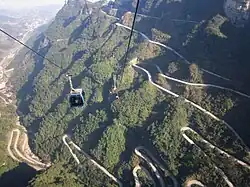
- The glass walkways and Bailong elevator at Zhangjiajie — ride the world's tallest outdoor lift (326 m, glass-walled) up the cliff face inside Wulingyuan, then walk the glass-bottom skywalk on Tianmen Mountain. Combined with the 99-bend road and the natural arch of Heaven's Gate, this is the single most cinematic day in central China.
- Sunrise at Zhurong Peak, Hengshan — the traditional overnight pilgrimage: start climbing in the late evening from Nanyue town, reach the 1,300-metre summit before dawn, and watch the sea of clouds lift off the southern mountains as Daoist priests perform morning rites at the peak shrine.
- A night on the Tuojiang in Fenghuang — the riverfront stilt houses light up after dark, sampan boatmen pole tourists upstream past the North Gate Tower, and the bars in the back lanes pump out competing folk-pop sets. Stay over to see the town empty at dawn.
- The Shaoshan red-tourism circuit — a half-day from Changsha taking in Mao's childhood home, the Mao family ancestral hall, and the bronze statue square. Even sceptical visitors find the scale of the domestic pilgrimage — flag-waving tour groups, communal singing — memorable as a window onto contemporary Chinese political culture.
- Sour-fish dinner in a Miao stilt-house village, Dehang or Shanjiang — book a homestay an hour west of Jishou, eat suantangyu cooked over a wood fire, and walk out at dusk among the terraced fields and waterfalls of the Wuling foothills before the bigger crowds at Fenghuang find their way here.
Top Destinations
Every destination in Hunan Sheng with a guide — tap a place for the full guide.
Changde
Changde has been settled for thousands of years and historically went…
Changsha
Changsha (长沙, Chángshā) is the capital of Hunan Province, a riverside…
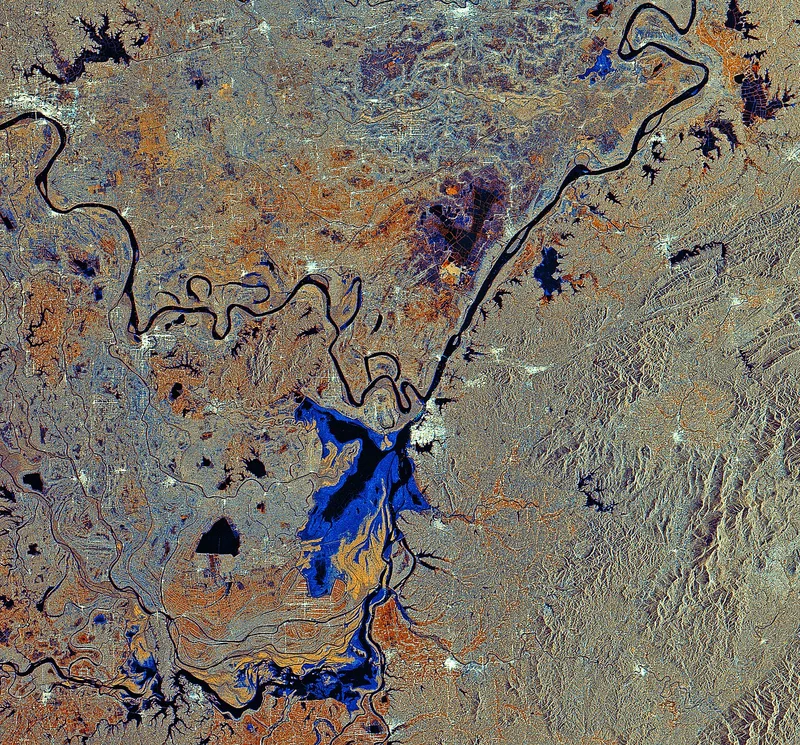
Dongting Lake
Dongting Lake (洞庭湖, Dòngtíng Hú) is the great shallow inland sea of…
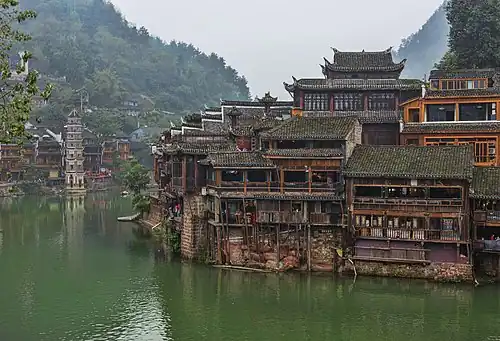
Fenghuang
Fenghuang (凤凰, "Phoenix") is a remarkably well-preserved ancient town…
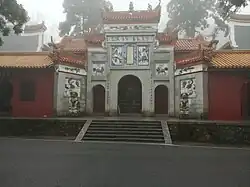
Hengyang
Hengyang (衡阳) is Hunan's second-largest city, sprawling along the…
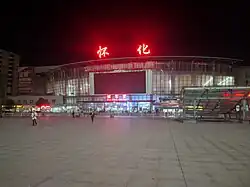
Huaihua
Huaihua (怀化) sits in the mountainous west of Hunan, a…
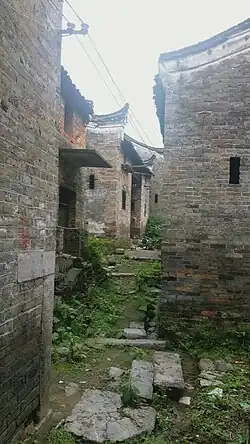
Jiangyong
For most of its history Jiangyong was a backwater of terraced rice…
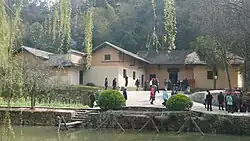
Shaoshan
Shaoshan (Chinese: 韶山) is a small city of roughly 100,000 people in…
Shaoyang
Shaoyang (Chinese: 邵阳), historically known as Baoqing, is a…
Tianmen Mountain
Tianmen Mountain (Chinese: 天门山, "Heaven's Gate Mountain") rises over…
Tongdao Dong Autonomous County
Tongdao Dong Autonomous County (Chinese: 通道侗族自治县) sits in the far…
Wulingyuan
Wulingyuan (Chinese: 武陵源) is a UNESCO World Heritage Site in the…
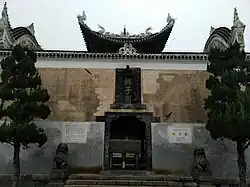
Yongzhou
Yongzhou (Chinese: 永州), historically known as Lingling and poetically…
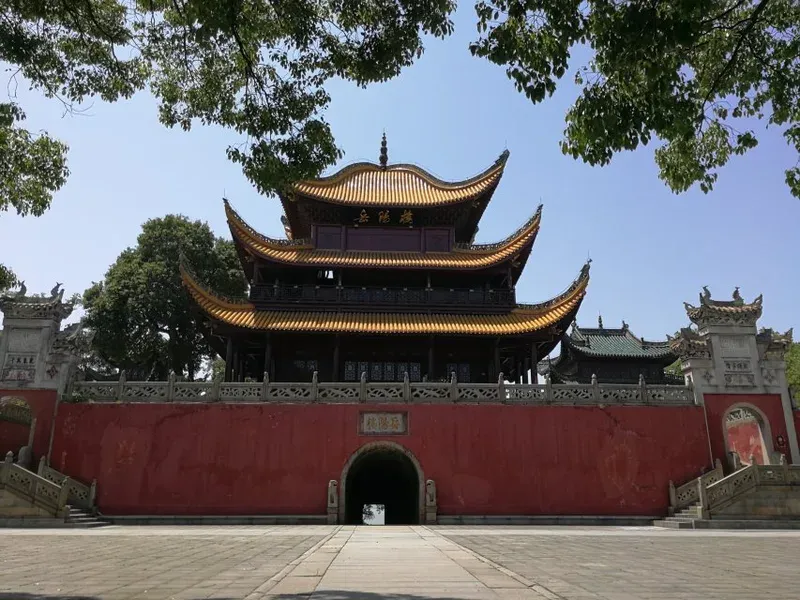
Yueyang
Yueyang sits at one of the great hinges of Chinese geography: the…
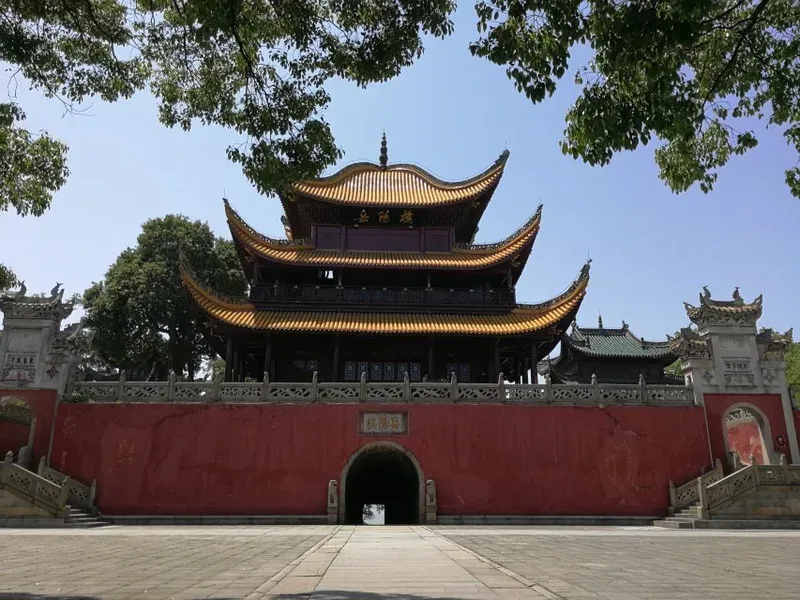
Yueyang Tower
Yueyang Tower (Yueyang Lou) is one of the most celebrated historic…
Zhangguying Village
Zhangguying Village (张谷英村) is a historic Chinese village located in…
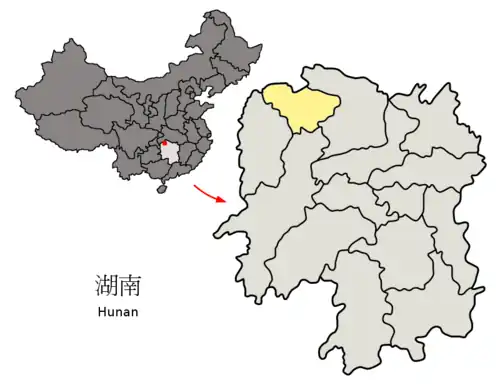
Zhangjiajie
Zhangjiajie (Chinese: 张家界) is a small prefecture-level city in…
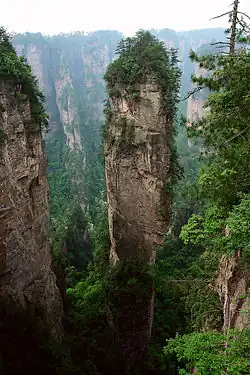
Zhangjiajie National Forest Park
Zhangjiajie National Forest Park is the showpiece of the larger 397.5…
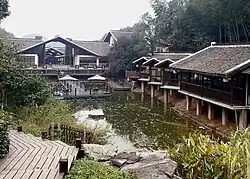
Zhuzhou
Zhuzhou (株洲), known as Jianning (建宁) in ancient times, is a…
Chenzhou
Chenzhou (郴州) is a prefecture-level city in the south of Hunan…
Dehang
Dehang (德夯) is a small Miao ethnic village tucked into a dramatic…
Furong
Furong (芙蓉镇), often rendered in English as Furong Town or Hibiscus…
Jishou
Jishou (吉首) is a county-level city and the capital of the Xiangxi…
Loudi
Loudi (娄底) is a prefecture-level city in central Hunan Province…
Meishan Dragon Palace
Meishan Dragon Palace (梅山龙宫, Méishān Lónggōng) is a large multi-level…
Mount Heng
Mount Heng (衡山, Héng Shān), known formally as Nanyue Hengshan (南岳衡山…
Tongdao
Tongdao (通道) is a Dong Autonomous County in the far southwest of…
Xiangtan
Xiangtan (湘潭) is a prefecture-level city in eastern Hunan Province…
Yiyang
Yiyang (益阳) is a prefecture-level city in northern Hunan Province…
Yueyang pavilion
Yueyang Tower (Chinese: 岳阳楼, Yueyang Lou) stands on the northeast…
Pair the highlights of Hunan Sheng into one easy trip — we'll plan the route.
WhatsApp
Contact Us
Get in touch with us.
Get in touch
Contact Us
Tell us where you'd like to go and how you like to travel. A real Tripcuro planner — not a bot — will craft an itinerary around you.
- Personalised, hassle-free planning end-to-end
- Transparent pricing, no hidden costs
- 24/7 support for complete peace of mind