
Jishou
Hunan Sheng, China
Why visit Jishou?
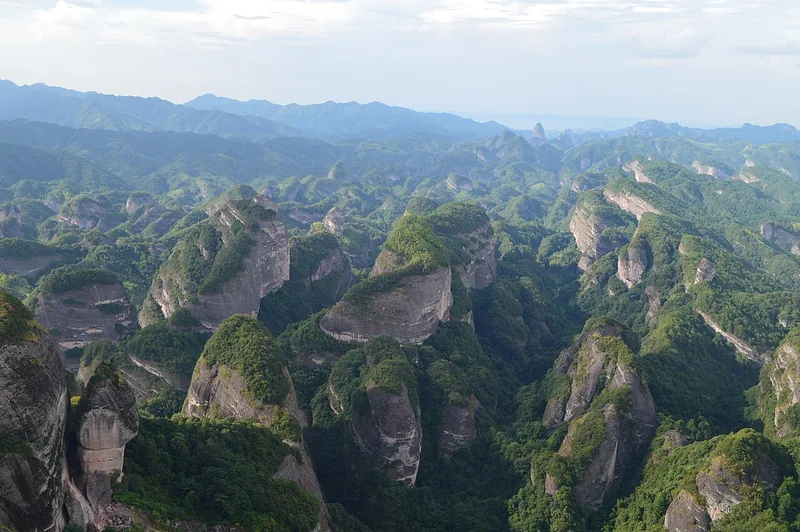
Jishou (吉首) is a county-level city and the capital of the Xiangxi Tujia and Miao Autonomous Prefecture in western Hunan Province. Nestled in the Wuling Mountain range, Jishou serves as the gateway to the stunningly beautiful Fenghuang Ancient Town and the broader Xiangxi region, which is home to significant Tujia and Miao minority populations. The city itself sits in a dramatic river valley surrounded by forested karst mountains.
Jishou has a humid subtropical highland climate with mild summers (July average 27°C) and cool, damp winters (January 4°C). The area is often misty and rainy. Spring and autumn are the best seasons. Xiangxi is one of China's most culturally distinctive regions, with the Tujia and Miao people maintaining many of their traditional customs, festivals, architecture, and cuisine.
Planning Jishou? Tell us your dates and we’ll tailor the trip.
Ask on WhatsAppHow do you get there?
By Plane
The nearest airport is Changsha Huanghua International Airport (CSX, IATA), about 400 km east (5 hours by car). Zhangjiajie Hehua International Airport (DYG, IATA) is about 150 km north (2.5 hours by car), with flights from major Chinese cities.
By Train
Jishou Railway Station (吉首站) is on the Jiaozuo–Liuzhou railway, with conventional services from Changsha (5 hours, ¥80–120). The Zhangjiajie–Jishou–Huaihua high-speed railway (opening 2022) has significantly reduced travel times — Jishou East Station on this line connects to Changsha South in about 2 hours.
By Car / Road
Jishou is on the G56 Hangzhou–Ruili Expressway. Driving from Changsha takes about 4 hours, from Zhangjiajie about 2 hours. Buses run regularly from Changsha (5 hours, ¥120) and Zhangjiajie (2.5 hours, ¥60).
Jishou's city centre is compact and walkable. Local buses serve the main routes. Taxis are available (flagfall ¥7). Didi works in the city. For visiting Fenghuang (40 km south) and other Xiangxi attractions, buses and minivans depart regularly from Jishou's bus station.
What are the things to do?
Fenghuang Ancient Town (凤凰古城): The crown jewel of Xiangxi — a stunningly preserved Ming and Qing Dynasty riverside town with stilted houses, stone bridges, and narrow cobblestone lanes. About 40 km south of Jishou (1 hour by bus). Entry free (combined ticket for specific sites ¥128).
Dehang Scenic Area (德夯风景区): A dramatic valley with a Miao ethnic village at its heart, surrounded by towering karst peaks and waterfalls. Known for its glass walkway and the Dehang Miao village. Entry ¥80.
Aizhai Bridge (矮寨大桥): One of the world's highest and longest suspension bridges, spanning 1,176 m across a deep valley. The bridge has a tourist viewing platform and a museum. Entry ¥50.
Jishou Museum (吉首博物馆): Covers the culture, costume, and history of the Tujia and Miao ethnic groups. Free entry.
Qianzhou Ancient Town (乾州古城): A well-preserved ancient town within Jishou itself, with traditional architecture and a lively morning market. Entry ¥60.
Explore Fenghuang Ancient Town: Spend at least one full day wandering the maze-like lanes, crossing the iconic bridges, and taking a boat ride on the Tuo River.
Hike through Dehang Valley: A beautiful walk through rice paddies, past waterfalls, and into the Miao village.
Cross the Aizhai Bridge: Walk the tourist path on the underside of the bridge — not for those with a fear of heights.
Miao cultural festival: If visiting during a Miao festival (like the Miao New Year or the April 8 Festival), you'll find traditional music, dancing, and silver jewellery displays.
Silver jewellery shopping: Xiangxi is famous for its exquisite Miao silver work.
Planning Jishou? Want these on a customised itinerary?
Ask on WhatsAppWhere to eat?
Xiangxi cuisine is known for being intensely spicy and sour:
- Fenghuang ginger candy (凤凰姜糖): A local sweet and spicy candy made with ginger, sugar, and nuts — the quintessential Xiangxi snack.
- Sour fish (酸鱼): Fish fermented with rice and chilli, a Miao traditional dish.
- Xiangxi bacon (湘西腊肉): Smoked pork belly with a distinctive flavour from curing over pine wood fires.
- Miao-style rice tofu (米豆腐): A savoury rice jelly served with chilli, peanuts, and pickled vegetables.
- Blood sausage (血粑鸭): Duck blood mixed with sticky rice and stuffed into sausage casings — a Fenghuang speciality.
Where to drink?
Xiangxi is known for its "bamboo rice wine" (竹筒米酒), a sweet fermented rice drink sold in bamboo tubes. Local tea and honey wine are also popular. The Miao people have a tradition of "blocking road wine" — guests are offered a cup of rice wine at village entrances as a welcome gesture.
Planning Jishou? We’ll book the stays and dining for you.
Ask on WhatsAppWhere to stay?
- Budget: Fenghuang Youth Hostel (凤凰青年旅舍) — dorm beds from ¥50/night in the ancient town.
- Mid-range: Jishou Hotel (吉首宾馆) — central accommodation in Jishou from ¥200/night.
- Upscale: Fenghuang Riverside Boutique Hotel (凤凰临江客栈) — a beautifully restored traditional inn on the Tuo River in Fenghuang, from ¥400/night.
What should you buy?
Xiangxi is famous for Miao silver jewellery — intricate necklaces, bracelets, and headdresses. Tujia brocade (tujia) weaving is another local speciality. Fenghuang's old town streets are lined with souvenir shops selling these crafts. Local tea and dried chillies are also good buys.
Where to go next?
- Fenghuang (40 km south, 1 hour by bus) — the ancient town, a must-visit for any trip to Xiangxi.
- Zhangjiajie (150 km north, 2.5 hours by car) — the UNESCO-listed Wulingyuan Scenic Area with its iconic sandstone pillars.
- Dehang (25 km west, 40 min by bus) — the scenic valley with Miao village and waterfall hikes.
- Huaihua (100 km south, 1.5 hours by train) — transport hub for southern Xiangxi and western Hunan.
Nearby in Hunan Sheng
More places to explore around Jishou.
Guide content as of July 2026. Portions adapted from Wikivoyage, CC BY-SA 4.0.

Contact Us
Get in touch with us.
Get in touch
Contact Us
Tell us where you'd like to go and how you like to travel. A real Tripcuro planner — not a bot — will craft an itinerary around you.
- Personalised, hassle-free planning end-to-end
- Transparent pricing, no hidden costs
- 24/7 support for complete peace of mind