
Yueyang
Hunan Sheng, China
Why visit Yueyang?
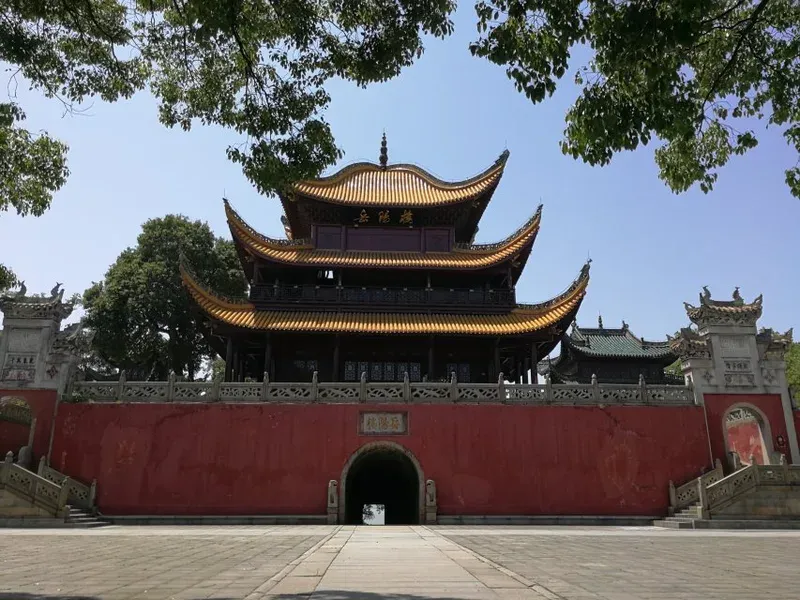
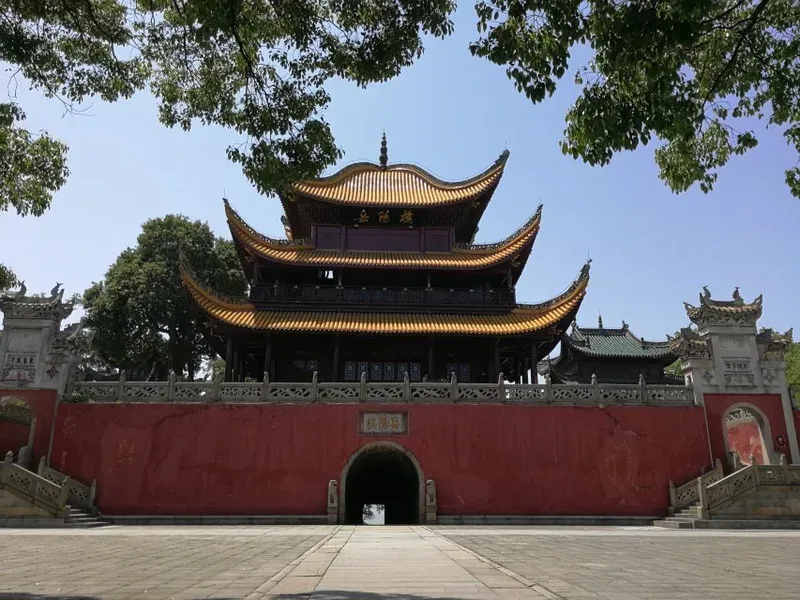
Yueyang sits at one of the great hinges of Chinese geography: the place where the Yangtze River draws in the vast, shifting waters of Dongting Lake. That position made it a military stronghold and a grain-trade entrepôt from the Spring and Autumn period (when it belonged to the state of Chu) through the Tang dynasty's commercial heyday and into the Song, when the scholar-official Fan Zhongyan composed his "Memorial to Yueyang Tower" in 1046. Fan's essay — and its famous dictum "be the first to bear hardship, and the last to enjoy comfort" — turned the tower into a national symbol of conscience and civic duty, and it has shaped how Chinese readers see this stretch of the Yangtze ever since. Much of the old city wall was lost in the Second Sino-Japanese War, but the tower itself, the lakefront, and a scatter of temples and Ming-era villages survive.
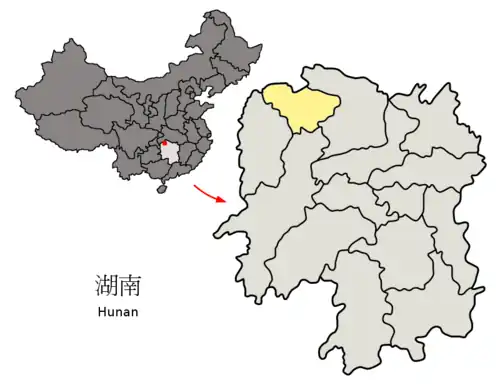
The city is divided into three urban districts. Yueyanglou District is the historical and tourist heart — the tower, the lakefront promenade, the old commercial streets, and most hotels are here. Junshan District, across the lake to the west, is greener and quieter, defined by Junshan Island and its tea plantations. Yunxi District is the industrial and port zone along the Yangtze. Surrounding counties such as Miluo (the river where the poet Qu Yuan drowned) and Linxiang make easy half-day trips.
Climate is humid subtropical and strongly seasonal. Summers are hot and wet, with the year's heaviest rainfall in June and July. Winters are damp and chilly rather than freezing. The most pleasant windows are late March to early May (mild, lake levels rising, azaleas on Junshan) and late September through November (cool, clear, and the start of the great migratory-bird season on Dongting Lake). If you can time it to the Dragon Boat Festival (late May or early June), do — the nearby Miluo River is considered the festival's birthplace.
Planning Yueyang? Tell us your dates and we’ll tailor the trip.
Ask on WhatsAppHow do you get there?
By Plane
Yueyang Sanhe Airport is a small regional airport in the northwest of Yueyanglou District. It handles domestic flights to a handful of Chinese cities; for international arrivals or a wider domestic network, most visitors fly into Changsha Huanghua International Airport, about 170 km south, and continue by high-speed rail to Yueyang East.
From Sanhe, taxis to downtown take 30–40 minutes; airport shuttle buses run on a more limited schedule.
By Train
Yueyang is on the Beijing–Guangzhou trunk line and is exceptionally well connected by rail.
- Yueyang East Railway Station handles high-speed services, with typical journey times of around 30 minutes to Changsha South, an hour to an hour and a half to Wuhan, several hours to Guangzhou South, and around five to six hours to Beijing West. This is the station most visitors should aim for.
- Yueyang Railway Station is the older downtown station with conventional trains; it is closer to the Yueyang Tower area and useful for slower, cheaper overnight services.
A local bus links the two stations. Book tickets via the 12306 app or website (foreign passports accepted); reserve a few days ahead for weekends and Chinese public holidays.
By Car / Road
Yueyang sits on the Beijing–Hong Kong–Macau Expressway, which makes road access straightforward from Changsha (a couple of hours south), Wuhan (a few hours north), and Zhangjiajie (several hours west). The expressways are modern and well-signed. Long-distance buses run from Yueyang Bus Terminal to towns across Hunan and into Hubei; Changsha's bus stations have frequent departures to Yueyang.
The main sights — the tower, the lakefront, the old town, and Bashi Square — cluster within a walkable couple of kilometres in Yueyanglou District, and walking is genuinely the best way to take it in.
- Taxis use meters; a ride from Yueyang Railway Station to the Yueyang Tower scenic area is inexpensive. Always insist on the meter.
- Didi ride-hailing works city-wide and is usually the easiest option for foreign visitors with a Chinese-linked payment method.
- City buses are a flat low fare; a local route connects Yueyang East (high-speed) and Yueyang (regular) stations, and other routes reach the Yueyang Museum.
- Bike-share is widely available — useful for the lakeside paths and Nanhu Lake loop.
- Boats and ferries depart from the Yueyang Tower Pier to Junshan Island; sailings are seasonal and weather-dependent.
Watch for the usual tourist-area frictions: unmetered taxis touting outside the train station and Yueyang Tower entrance, and occasional "tea ceremony" invitations near major sights — politely decline invitations from strangers offering to "show you a real teahouse."
What are the things to do?
Towers and historical sites
- Yueyang Tower — the reason most people come. One of the Three Great Towers of Jiangnan (alongside the Pavilion of Prince Teng and the Yellow Crane Tower), it commands a sweeping view over Dongting Lake and is inseparable from Fan Zhongyan's famous essay.
- Qu Yuan Temple — dedicated to the Chu poet who drowned himself in the nearby Miluo River around 278 BC, an act commemorated every year at the Dragon Boat Festival.
- Yueyang Confucian Temple — a well-preserved Song-era temple complex with the classic axial layout of a Chinese Confucian shrine.
- Zhangguying Village — a remarkable, largely intact Ming-dynasty clan village some distance southeast of Yueyang, built around interconnected courtyard houses and stone-paved alleys. A worthwhile day trip.
Museums
- Yueyang Museum — a modern museum covering Yueyang's history, archaeology, and folk culture, with strong holdings in bronzes and calligraphy. Reachable by city bus from Yueyang Railway Station.
Lake and island
Dongting Lake — China's second-largest freshwater lake, an enormous flood-plain system that swells and shrinks dramatically with the seasons. Critically important for migratory birds, especially in winter and early spring.
Junshan Island — a small, legend-soaked island in Dongting Lake, famous for its bamboo, tea plantations, and a graceful collection of pavilions and tombs. Reachable by bus, by boat from the Yueyang Tower Pier, and (when the lake is low) on foot via the causeway.
Walk the reconstructed city wall and rock path around the Yueyang Tower scenic area on the lake side — the wall is modern but evocative, and the views over Dongting Lake at dusk are excellent.
Cycle around Nanhu Lake — a tree-lined urban lake south of the tower with a flat loop ideal for a half-day ride.
Bird-watch at Dongting Lake — best from November to March, when Siberian cranes, oriental storks, and hundreds of thousands of wintering waterfowl gather on the East Dongting Lake wetlands. Local guides can be hired in Junshan District.
Take a Dongting Lake cruise from the Yueyang Tower Pier to see the tower from the water and get out onto the lake.
Watch an evening light show at the Yueyang Tower scenic area during the summer months — a light-and-sound performance illuminating the tower and the city wall, typically included with tower admission.
Taste Junshan Yinzhen tea on Junshan Island itself, one of China's Ten Famous Teas, at the plantation that gives it its name.
Time a visit to the Yueyang International Dragon Boat Festival on the Miluo River, held in early summer each year — one of the most authentic dragon-boat experiences in China, free to watch.
Planning Yueyang? Want these on a customised itinerary?
Ask on WhatsAppWhere to eat?
Yueyang's food is Hunan cuisine with a strong river-and-lake accent: freshwater fish from Dongting Lake, plenty of chilli and fermented black bean, and the smoky, oily intensity that Hunan kitchens are known for. Signature local dishes include Dongting silver fish (tiny translucent lake fish, usually scrambled with egg or in a clear soup), steamed fish head with chopped chillies (Hunan's most famous dish, and Yueyang claims one of its strongest versions), ginger duck (slow-braised duck with mountain ginger and dried chilli), and zongzi (sticky-rice dumplings wrapped in bamboo or reed leaves, the festival food born from the Qu Yuan story).
Night-market stalls in Yueyanglou District serve skewers, stinky tofu, rice-flour noodles, and lake-shrimp dumplings; local rice-noodle breakfast shops serve a bowl of Hunan mifen with pickled vegetables cheaply; mid-range Hunan-cuisine restaurants around the Yueyang Tower scenic area serve chopped-chilli fish head and a full sit-down dinner; and lakefront fish restaurants in Junshan District sell whole steamed lake fish by weight. Upscale hotel restaurants offer refined Hunan banquets and Cantonese options in air-conditioned comfort.
Vegetarian options exist but are not the default — some temple canteens near the Confucian Temple serve simple Buddhist vegetarian meals, and most restaurants will prepare stir-fried greens and tofu dishes on request. Halal restaurants cluster in small numbers near the main bus station; ask for "qingzhen."
Where to drink?
Tea is the local drink of pride. Order Junshan Yinzhen yellow tea at any decent tea house; the leaves famously stand on end in the glass. Other Hunan teas — black Anhua dark tea and green teas from the surrounding hills — are also widely served. Baijiu — Hunan's preferred spirit at banquets — includes well-known brands from Xiangxi. National beer brands and a Hunan-brewed beer are everywhere. Tea houses worth seeking out cluster around the Yueyang Tower scenic area and along the Dongting Lake promenade. Bars and cafés are concentrated around the high-end hotels; Yueyang is not a nightlife destination on the scale of Changsha, but craft-coffee chains have arrived and a handful of Western-style bars operate.
Tap water is not potable. Drink bottled or boiled water; hotel rooms universally provide a kettle and complimentary bottled water. Ice in mid-range and better restaurants is generally safe; avoid it at street stalls.
Planning Yueyang? We’ll book the stays and dining for you.
Ask on WhatsAppWhere to stay?
- Budget — national chains such as Hanting and 7 Days Inn have branches near the old downtown station and within walking distance of the tower scenic area.
- Mid-range — Vienna and Atour both operate branches near the lakefront and the high-speed rail station respectively, popular with business travellers and offering breakfast.
- Upscale — an international-brand Crowne Plaza anchors the top end of the market on the south shore of Nanhu Lake, alongside a long-established upper-tier Chinese hotel in central Yueyanglou District.
What should you buy?
Yueyang's signature buys are tea and lake-country specialities.
- Junshan Yinzhen tea — the city's most prestigious souvenir, a delicate yellow tea grown on Junshan Island. Buy at the plantation shop on the island or at reputable tea houses in town.
- Dongting Lake dried fish and shrimp — found in markets along the lakefront and at wet markets in Yueyanglou District.
- Xiang embroidery — Hunan's celebrated silk embroidery, sold at specialist boutiques.
- Local paper-cutting and bamboo weaving — affordable craft pieces sold around the city's cultural venues.
The main shopping strips are in Yueyanglou District, with a mix of department stores, supermarkets, and tea shops. Bargaining is expected at markets and small craft stalls but not in branded stores or supermarkets.
Where to go next?
- Changsha — 30–50 minutes by high-speed rail. Hunan's capital, with the Mawangdui Han tombs, the Hunan Provincial Museum, and a famously intense food scene.
- Wuhan — around an hour to an hour and a half by high-speed rail. The Yellow Crane Tower, East Lake, and the other Yangtze megacity upstream-downstream.
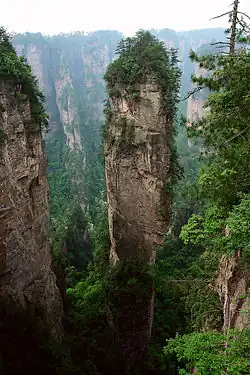
- Zhangjiajie — several hours by car or via Changsha by rail. The sandstone-pillar landscape that inspired Avatar's Hallelujah Mountains.
- Hengshan (Mount Heng) — several hours south. One of China's Five Great Mountains and a major Taoist pilgrimage site.
- Miluo — around an hour by road. The river where Qu Yuan drowned; the most authentic place to see Dragon Boat Festival races in early summer.
- Jingzhou (Hubei) — a couple of hours by rail or road. An ancient Chu capital with one of the best-preserved Ming-era city walls in central China.
Nearby in Hunan Sheng
More places to explore around Yueyang.
Guide content as of July 2026. Portions adapted from Wikivoyage, CC BY-SA 4.0.

Contact Us
Get in touch with us.
Get in touch
Contact Us
Tell us where you'd like to go and how you like to travel. A real Tripcuro planner — not a bot — will craft an itinerary around you.
- Personalised, hassle-free planning end-to-end
- Transparent pricing, no hidden costs
- 24/7 support for complete peace of mind