
Jiangyong
Hunan Sheng, China
Why visit Jiangyong?
For most of its history Jiangyong was a backwater of terraced rice fields, karst hills, and Yao and Han villages strung along the upper reaches of the Xiao River system. That relative isolation is part of what makes it interesting today: cut off from Mandarin-speaking China by mountains and a local dialect that outsiders find close to unintelligible, the women of this county developed their own script, generally dated to sometime between the Song and Ming periods, to record sworn-sisterhood vows, autobiographical laments, and folk poetry. Nüshu was suppressed at points in the 20th century and very nearly died out with its last native writers; a small revival, anchored at a museum in the Puwei area, is the main reason travellers come.
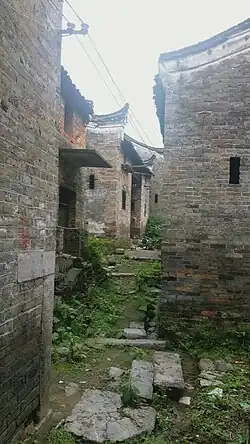
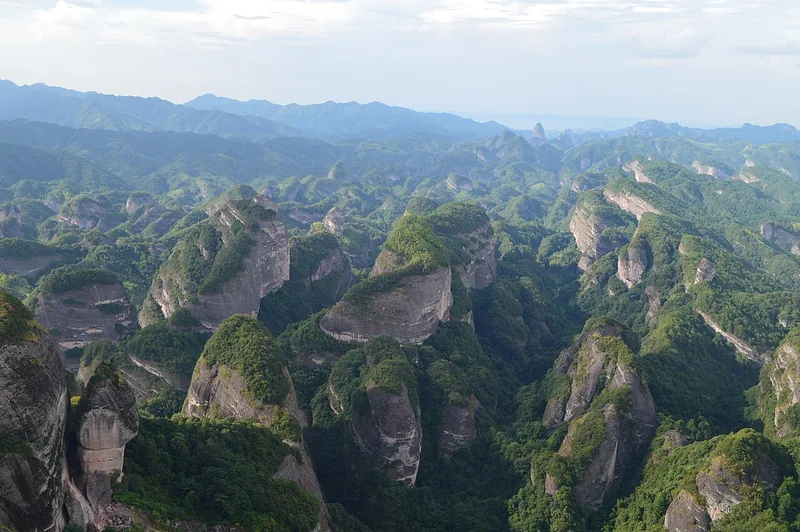
Beyond Nüshu, the county is a low-key landscape destination. Lush green mountains rim the valleys, Ming-dynasty stone villages sit in various states of romantic decay, and the surrounding countryside is dotted with ancestral halls, covered bridges, and citrus groves — Jiangyong is one of Hunan's producers of fragrant pomelo and taro. The county seat itself — a small grid of low-rise concrete and tile — is unremarkable; you base yourself there because it is the only place with hotels and onward transport.
Climate is humid subtropical. Spring (March–May) is the most rewarding time to visit: terraces are flooded, rapeseed is in bloom, and temperatures are comfortable. Autumn (October–November) is dry, cool, and clear. Summer is hot, sticky, and prone to heavy rain that can cut rural roads; winter is short but damp and genuinely cold in the hills, with little heating indoors.
Planning Jiangyong? Tell us your dates and we’ll tailor the trip.
Ask on WhatsAppHow do you get there?
By Plane
There is no airport in Jiangyong. The two practical options are Guilin Liangjiang International (KWL), in neighbouring Guangxi, and Yongzhou Lingling Airport (LLF), closer but with a thinner schedule. Guilin has by far the better connections and is the more common arrival point for foreign travellers. From either airport you transfer to the train or to a long-distance bus toward Jiangyong.
By Train
Jiangyong Railway Station sits on a north–south line and is the easiest way in, one stop from both Yongzhou to the north and Hezhou (in Guangxi) to the south.
The station is inconveniently located several kilometres southwest of the county town. Outside the station you will find shared minivans, public buses, and taxis heading into town; the bus route passes through the township that is the jumping-off point for the Nüshu sites and the old villages. A taxi to central Jiangyong should be a flat negotiated fare — agree on the price before getting in, as meters are rarely used.
Book tickets a few days ahead via 12306 or apps such as Trip.com; high-speed trains do not serve this line, so expect conventional services with hard-seat, hard-sleeper, and soft-sleeper classes.
By Car / Road
Long-distance buses run to Jiangyong from Yongzhou (around two hours), Guilin (around three and a half to four hours via expressway and provincial roads), and Changsha (a long haul, most travellers break this with a train). Roads on the expressway sections are good; the last stretches into the county are two-lane provincial roads through hills and can be slow in rain.
Self-driving is feasible but requires a Chinese licence; signage in the countryside is in Chinese only and rural lanes around the old villages are narrow.
The county town is small enough to cross on foot in twenty minutes. For anything beyond it:
- Local buses and shared minivans run from the Jiangyong bus station to township seats. Fares are modest. Departures thin out after late afternoon.
- Taxis can be flagged down in the centre; a return trip out to the Nüshu museum with waiting time is usually negotiable.
- Didi (滴滴) has patchy but workable coverage in the county seat.
- Electric scooters and bicycles can sometimes be rented informally through guesthouses; check at reception.
- Hitchhiking is genuinely useful for reaching out-of-the-way villages. Locals are friendly and used to giving lifts; a small payment for fuel is appreciated.
A few frictions to know about: agree taxi fares in advance, especially from the train station; double-check change in markets; and accept that almost nobody outside the county seat speaks standard Mandarin, let alone English — the local dialect is mutually unintelligible with Mandarin. A translation app with offline Chinese, and a willingness to point at maps, will get you a long way.
What are the things to do?
Nüshu Museum, on a small river island reached by a footbridge in Shangjiangxu Township — the reason most travellers come. Exhibits cover the history of the script, embroidered "third-day books" traditionally given to brides, brushwork samples, and demonstrations by present-day inheritors. Allow 2–3 hours.
Tongkou Village — a small Ming-dynasty settlement set in a green valley north of Shangjiangxu, once a thriving market town, now largely home to a handful of elderly residents. The stone lanes, carved doorways, and ancestral hall are beautifully weathered. Getting there is genuinely tricky and finding the small access road can require asking locals; hire a driver, walk, or hitchhike, and allow at least half a day.
Shangganpu Village, north of the county seat — a nationally-listed historic village dating back many centuries, with a stone bridge, a pagoda, and cliffside inscriptions above the local river. The most photogenic ancient village in the county and considerably easier to reach than Tongkou.
Qianjiadong — a broad, mountain-rimmed valley north of the county seat traditionally regarded by Yao people across South China and Southeast Asia as an ancestral homeland. Today it is a scenic area with waterfalls, forested ridges, and Yao villages where you can hear traditional songs on festival days. Best as a half- or full-day trip with a hired driver.
The Dupang Mountains rise along the southern edge of the county; forested trails and viewpoints reward a clear-weather morning.
Watch a Nüshu calligraphy demonstration at the museum. Present-day inheritors will often write your name in the script on a fan or paper for a small fee — a meaningful souvenir.
Walk the back lanes of a Ming village unhurriedly. Tongkou rewards an aimless wander more than a checklist; bring a packed lunch as there are no real restaurants once you leave the township.
Cycle or scooter between villages on a clear day — the rice-field-and-karst scenery in this corridor is some of the best in southern Hunan.
Time your visit to a local festival — several Yao festivals through the year, and sworn-sisterhood gatherings historically associated with Nüshu, are when the county's intangible heritage is most alive.
Day trip across the border into Guangxi — nearby Yao autonomous areas are an easy onward hop and share much of the same cultural geography.
Planning Jiangyong? Want these on a customised itinerary?
Ask on WhatsAppWhere to eat?
Jiangyong's food sits at the meeting point of Hunan, Guangxi, and Yao mountain cooking. Expect chilli — though milder and more sour-leaning than central Hunan — alongside river fish, smoked pork, taro, and bamboo shoots. Signature local dishes include taro-steamed pork, stewed local chicken with bamboo shoots, river fish hotpot, stuffed glutinous rice dumplings, and the Yao staple oil tea (打油茶), a salty toasted-tea broth poured over puffed rice and peanuts.
The county market's food stalls are the cheapest and most authentic option for noodle breakfasts and steamed buns. Home-style Hunan restaurants clustered along the main streets of the county seat serve a meal for two with rice for a modest price. Restaurants near the Nüshu museum do simple river-fish lunches. Yao oil-tea is best experienced as a guest in a village home if you can arrange it through a guide, otherwise at festival-time stalls in Qianjiadong.
Vegetarians can survive on stir-fried greens, tofu dishes, taro, and noodle soups, but should be aware that "vegetable" dishes often include small amounts of pork fat or stock; specify wo chi su (我吃素 — "I eat vegetarian") clearly. Halal and gluten-free options are essentially unavailable outside what you can self-cater.
Where to drink?
- Local rice wine, often homemade, is the everyday drink at meals — strong, slightly sweet, and sold in unmarked plastic jugs at the market.
- Yao oil tea is the regional non-alcoholic specialty: green tea leaves fried with ginger and garlic, then simmered and ladled over puffed rice, peanuts, and sometimes pork crackling. Salty, savoury, and an acquired taste worth acquiring.
- Chinese beer — mainstream brands dominate and are available everywhere cold and cheap.
- Coffee culture is thin; a handful of small cafés around the county seat serve passable espresso, but instant coffee and milk-tea chains are more common.
Tap water is not potable. Stick to bottled water or boiled water, which every hotel and guesthouse provides for free in a thermos.
Planning Jiangyong? We’ll book the stays and dining for you.
Ask on WhatsAppWhere to stay?
Family-run guesthouses and small inns around the bus station and county centre offer clean en-suite doubles at budget prices; quality varies, so check the room before paying. A mid-tier business hotel or two in the county centre offers comfortable doubles with reliable hot water and air-conditioning. Most international booking sites have limited inventory for Jiangyong; Chinese platforms such as Trip.com/Ctrip are essential here.
There are no international-brand or true luxury hotels in Jiangyong. For more atmospheric stays, look at restored courtyard guesthouses near Shangganpu Village when available, or base in Guilin and visit Jiangyong as an overnight side trip.
What should you buy?
Jiangyong is not a shopping destination, but it has a handful of genuinely local things worth carrying home:
- Nüshu calligraphy, fans, and embroidered cloth from the museum gift shop and a few small workshops nearby.
- Fragrant pomelo, one of the county's agricultural specialities, in season from late autumn into winter.
- Taro, dried bamboo shoots, and local rice wine, sold by the kilo at the county market.
- Yao silver jewellery and embroidery — found in larger quantities up in Qianjiadong and at festivals.
Bargaining is normal at open-air markets and with informal vendors; fixed prices apply in the museum shop and supermarkets.
Where to go next?
- Yongzhou — one stop north by train, around two hours by bus. Prefectural capital with a classical temple dedicated to the writer Liu Zongyuan and nearby waterfall scenery.
- Hezhou, Guangxi — one stop south by train, around 1.5 hours. Gateway to a beautifully preserved Song-era water village.
- Guilin — around 3.5–4 hours by road or train. China's most famous karst landscape; combines naturally with a Jiangyong itinerary.
- Yangshuo — around 5 hours via Guilin. The Li River, climbing, and cycling country south of Guilin.
- Fuchuan Yao Autonomous County, Guangxi — around 1.5 hours by road. Yao villages, ancient gates, and covered bridges, sharing cultural ground with Jiangyong's Yao communities.
- Changsha — a long haul by road or a long sleeper-train ride; Hunan's capital, with the Mawangdui Han tombs and the country's best Hunan-cuisine restaurants.
Nearby in Hunan Sheng
More places to explore around Jiangyong.
Guide content as of July 2026. Portions adapted from Wikivoyage, CC BY-SA 4.0.

Contact Us
Get in touch with us.
Get in touch
Contact Us
Tell us where you'd like to go and how you like to travel. A real Tripcuro planner — not a bot — will craft an itinerary around you.
- Personalised, hassle-free planning end-to-end
- Transparent pricing, no hidden costs
- 24/7 support for complete peace of mind