
Dongting Lake
Hunan Sheng, China
Why visit Dongting Lake?
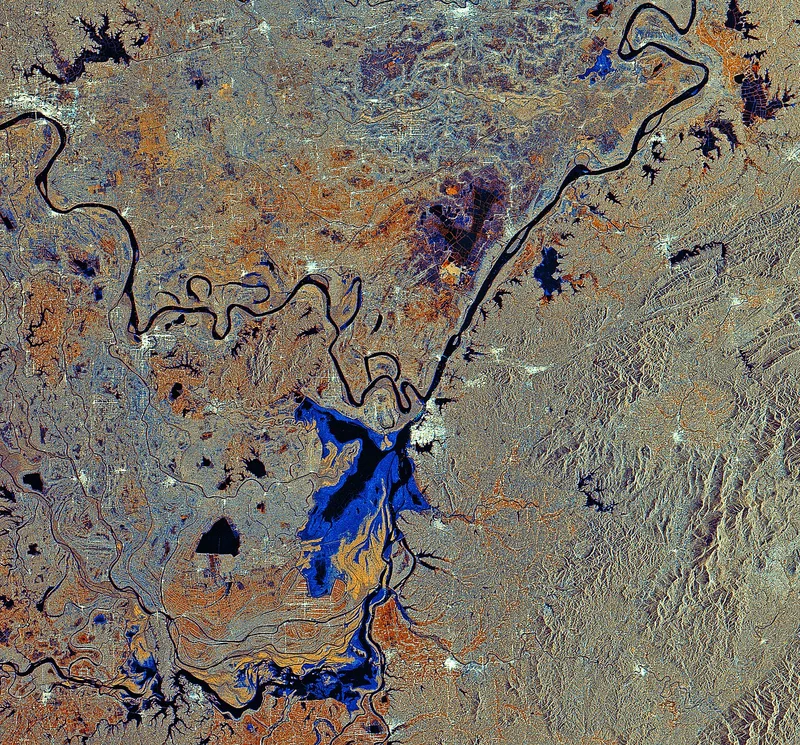
Dongting Lake (洞庭湖, Dòngtíng Hú) is the great shallow inland sea of northern Hunan — China's second-largest freshwater lake, a seasonal floodplain that swells in summer to swallow farmland, sandbars and entire islands, then shrinks back in winter to expose vast mudflats and reed beds. For more than two thousand years it has been a spiritual landscape of central China: the setting of Qu Yuan's verses, associated in popular memory with the Battle of Red Cliffs, and the subject of Fan Zhongyan's 11th-century Yueyang Tower Memorial, whose closing line — to worry before the world worries, and rejoice only after it rejoices — is known to every Chinese schoolchild. Travellers don't really visit "Dongting Lake" as a single point on a map; they visit Yueyang (岳阳), the lakeside city on the eastern shore that holds the Tang-era tower, the ferry pier for Junshan Island, and the bulk of the hotels and restaurants.
What makes this corner of Hunan distinctive is the way classical landscape painting still maps onto reality. Junshan Island floats off the city — a green dome of bamboo and tea bushes — and the lake's western reaches dissolve into wetlands that are one of East Asia's most important wintering grounds for migratory cranes and geese, and a refuge for the rare finless porpoise. Beyond birdwatchers and pilgrims to the tower, the lake remains pleasantly under-touristed by foreign visitors; signage outside the main attractions is mostly Chinese only.
The climate is humid subtropical and emphatic about it. Spring (March–May) brings blossom and rising water levels; summer (June–August) is hot, sticky and prone to flooding and thunderstorms; autumn (September–November) is the connoisseur's season — clear skies, comfortable temperatures, the lake at its widest, and the new harvest of the local yellow tea; winter (December–February) is grey, damp and chilly, but it is the only time to see the migratory birds. Layout is simple: the Yueyang Tower / Old City district along the lakefront concentrates the sights and tourist hotels, the area around the high-speed station is newer with chain hotels and malls, and the wetlands proper lie an hour or more west and southwest.
Planning Dongting Lake? Tell us your dates and we’ll tailor the trip.
Ask on WhatsAppHow do you get there?
By Plane
The practical airport for most travellers is Changsha Huanghua International (CSX), well south of Yueyang. From CSX, the easiest onward leg is the airport's Maglev to Changsha South Railway Station, then a high-speed train to Yueyang.
A small regional airport east of central Yueyang has limited domestic service; schedules are thin, so most visitors connect via Changsha instead.
By Train
Yueyang East Railway Station sits on the Beijing–Guangzhou high-speed line and is the main arrival point, with frequent services to Changsha South (around half an hour), Wuhan (a little over an hour), and onward to Guangzhou and Beijing.
The older Yueyang Station in town handles slower conventional trains and is closer to Yueyang Tower, but most travellers will use Yueyang East and take a taxi or city bus to the lakefront.
Book via 12306, Trip.com or Ctrip. Bring your passport — it is your ticket at the gate.
By Car / Road
Yueyang sits on a major north–south expressway, putting it within easy driving range of Changsha (around two hours), Wuhan (two and a half to three hours) and Zhangjiajie (around four and a half hours). Long-distance coaches run from Yueyang's bus stations, but for any of these routes the high-speed train is faster and more comfortable.
Central Yueyang is compact enough that the Yueyang Tower–lakefront promenade axis is walkable end to end. For longer hops:
- City buses — a low flat fare, cash or local QR pay. Routes connect the train stations with Yueyang Tower and the lakefront.
- Taxi — a modest flagfall, then metered. A cross-town ride is rarely expensive.
- Didi (滴滴出行) — works well here; set up before you arrive.
- Bike share — scattered around the lakefront, pleasant along the promenade.
- Ferry to Junshan Island — boats depart from the Yueyang Tower pier in season, with a round-trip fare that typically includes island entry. Confirm the last return time before you sail.
Scams and gotchas: unlicensed "black cabs" outside the stations sometimes quote inflated flat fares — insist on the meter or use Didi. Around Yueyang Tower, freelance "guides" and costumed photo-prop touts will press hard; ignore or negotiate firmly upfront. Install Alipay and WeChat Pay with a foreign card before arrival, as cash is increasingly hard to use.
What are the things to do?
Historic monuments
- Yueyang Tower (岳阳楼) — the reason most people come. A three-storey, yellow-tiled wooden tower in classic Tang-Song style on the lakefront, dating in some form to the early 3rd century and rebuilt many times, with the current structure largely Qing-dynasty. Climb for the famous lake panorama that inspired Fan Zhongyan's essay; an on-site display covers the essay's calligraphic history. The surrounding park, including the nearby pagoda and pavilions, is typically covered on the same ticket.
- A slender Southern Song–era pagoda stands within the Yueyang Tower scenic area, one of Hunan's oldest standing pagodas.
- Confucian Temple — Yueyang's restored Ming-Qing temple complex, quieter than the lakefront.
- Tomb of the Two Concubines — on Junshan Island, the legendary burial place of the mythical sage-king Shun's two wives, whose tears are said to have stained the island's bamboo, still called "tear bamboo" today.
Lake and islands
- Junshan Island (君山岛) — a small hump of tea terraces, bamboo groves and Daoist relics a short ferry ride from Yueyang Tower. The island is the source of a famous local yellow tea. Half a day is plenty.
- Dongting Lake Bridge — worth walking or cycling at sunset for the long view back to Yueyang Tower.
Wetlands and wildlife
- East Dongting Lake National Nature Reserve — the protected core of the wetlands, some distance from Yueyang. Best visited November–March for wintering cranes, storks, geese and ducks. Independent visits are possible but a hired driver and a local guide make a big difference.
- West Dongting Lake wetlands — across the lake, less developed, good for birds and occasional porpoise sightings on guided boat trips.
Museums
Yueyang Museum — regional bronzes, lacquer and Chu-state artefacts.
Climb Yueyang Tower at sunrise for the lake mist and fewer tour groups.
Tea-tasting on Junshan Island — small farms around the tea fields brew the local yellow tea for visitors; spring is the picking season.
Birdwatching at East Dongting — the reserve area is the draw for serious birders in winter; a local guide and hired car help enormously given thin public transport.
Lakefront cycling — rent a share bike and ride the promenade south from Yueyang Tower.
Dragon Boat Festival — Dongting Lake is essentially the heartland of the festival, since Qu Yuan is traditionally said to have drowned himself in the nearby Miluo River. Yueyang stages races; Miluo itself, a short distance south, holds a particularly resonant local celebration.
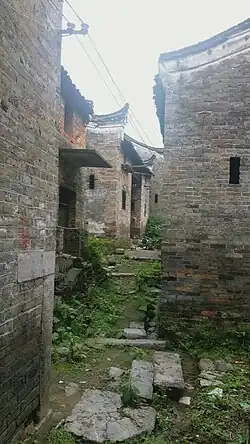
Day trip to a Ming-dynasty clan village east of Yueyang — a full day with a hired car.
Evening lakefront stroll — locals come out for night markets, kite-flying and a lake-view drink.
Planning Dongting Lake? Want these on a customised itinerary?
Ask on WhatsAppWhere to eat?
Yueyang cooks classic Xiang (Hunanese) cuisine — fiercely chilli-hot, sour, smoky from cured pork — but with a strong freshwater tilt: silverfish, lake shrimp, lake catfish and fish-head dishes are the local pride. Vegetarians can manage with stir-fried greens, mapo tofu and cold dishes, but be explicit, as even "vegetable" dishes often contain pork lard or stock. Halal options exist near the train stations; gluten-free is challenging because of soy sauce and dough wrappers.
Budget noodle shops around the city serve spicy noodle bowls from breakfast until late, and the night-market stalls near the old pagoda area grill lake fish on skewers alongside stinky tofu and, in season, spicy crayfish. Mid-range restaurants near the tower serve solid Hunanese standards including chopped-chilli fish head and lake shrimp; lakefront restaurants let you pick your fish from the tank, with lake catfish steamed alongside cured pork a classic order.
Where to drink?
- Junshan yellow tea — the local drink, full stop. Ask for it brewed in a tall glass so you can watch the silvery buds dance vertically in the water. Almost any teahouse in town will serve it.
- Local beer — mainstream Chinese lager brands dominate.
- Baijiu — Hunan's local grain spirit appears at any banquet.
- Lakefront teahouses along the waterfront open onto the water at sunset and are pleasant for a slow pot. Western-style cafés cluster around the newer commercial districts.
- Nightlife is modest by Chinese-city standards: a handful of KTV complexes, lakefront beer gardens in summer, and a small bar scene. Don't expect a dedicated foreigner bar.
Water safety: tap water is not drinkable — boil it or buy bottled. Hotels universally provide a kettle and bottled water. Ice in upmarket restaurants is generally safe; street-stall ice is not.
Planning Dongting Lake? We’ll book the stays and dining for you.
Ask on WhatsAppWhere to stay?
Yueyang has the usual range of Chinese accommodation, from budget chains near both railway stations to mid-range business hotels and a couple of full-service international-standard properties along the lakefront with Dongting views. There are no notable historic or heritage-style boutique hotels in Yueyang itself; for that style of stay, base in Changsha or push on to Fenghuang.
What should you buy?
Yueyang's signature buys are agricultural and textile rather than crafty:
- Junshan yellow tea (君山银针) — one of China's most famous yellow teas, grown on Junshan Island. Buy on the island itself or at reputable shops in town; genuine spring-picked tea is expensive, and anything suspiciously cheap almost certainly isn't the real thing.
- Xiang embroidery (湘绣) — a Hunan provincial specialty; small pieces are sold in tourist-area shops.
- Dried lake fish and silverfish — vacuum-packed, sold in supermarkets and street stalls.
- Bamboo crafts from Junshan Island — fans, brush pots, tea utensils.
Bargaining is expected at souvenir stalls and tea markets (start at around half the asking price); fixed prices in chain shops, supermarkets and modern teashops.
Where to go next?
- Changsha — around half an hour by high-speed train. Hunan's capital: Mao's old school, the Hunan Provincial Museum, and the country's most riotous food and nightlife scene.
- Wuhan — a little over an hour by high-speed rail. The Yellow Crane Tower, the Yangtze waterfront, and East Lake.
- Miluo — a short hop by train or road. The river where Qu Yuan is traditionally said to have drowned, and the spiritual home of the Dragon Boat Festival.
- Zhangjiajie — several hours by high-speed rail via Changsha. The sandstone-pillar national park that inspired Avatar's floating mountains; the obvious two- to three-day add-on for any Hunan trip.
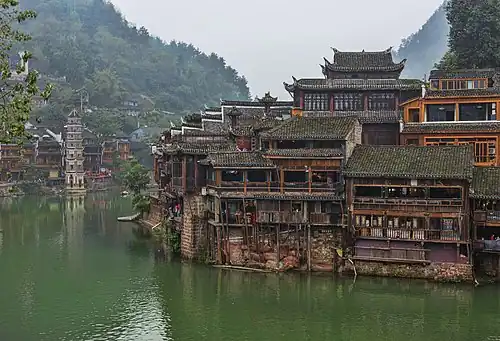
- Fenghuang Ancient Town — a longer trip via Zhangjiajie. Stilt houses over the Tuojiang River; touristy but genuinely beautiful, especially after dark.
- Southern Hunan, for travellers chasing the Shun-and-the-two-concubines legend to its mythological source; a long full day's drive south, best combined with onward travel toward Guilin.
Nearby in Hunan Sheng
More places to explore around Dongting Lake.
Guide content as of July 2026. Portions adapted from Wikivoyage, CC BY-SA 4.0.

Contact Us
Get in touch with us.
Get in touch
Contact Us
Tell us where you'd like to go and how you like to travel. A real Tripcuro planner — not a bot — will craft an itinerary around you.
- Personalised, hassle-free planning end-to-end
- Transparent pricing, no hidden costs
- 24/7 support for complete peace of mind