
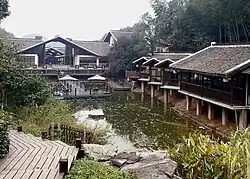
Zhuzhou
Hunan Sheng, China
Why visit Zhuzhou?
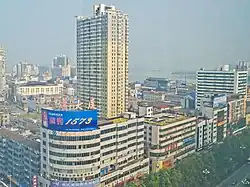
Zhuzhou (株洲), known as Jianning (建宁) in ancient times, is a prefecture-level city of approximately 4 million inhabitants in eastern Hunan Province. It is one of the core cities in the Changsha–Zhuzhou–Xiangtan urban agglomeration in the middle reaches of the Yangtze River. Zhuzhou is widely known as "the city pulled by the train" (火车拉来的城市) because its growth from a small inland town to a major industrial centre was driven by the arrival of the Beijing–Guangzhou and Shanghai–Kunming railways, which intersect here, making it one of southern China's most important rail junctions.
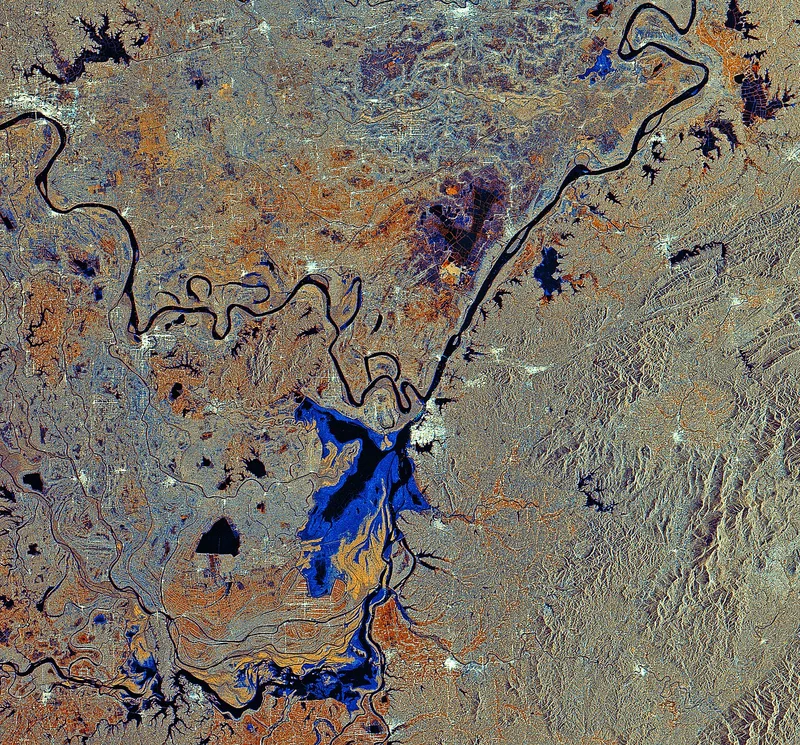
The city sits along the lower reaches of the Xiangjiang River. To the east it borders Pingxiang, Lianhua, Yongxin, and Jinggangshan in Jiangxi Province. Hengyang and Chenzhou lie to the south, Xiangtan to the west, and Changsha to the north. The average journey to any of these neighbours takes about an hour, making Zhuzhou a convenient base for regional exploration.
Zhuzhou has a subtropical monsoon climate with four distinct seasons. Summers (June–August) are hot and humid, with average highs around 33–34 °C and significant rainfall in May–June. Winters (December–February) are cool, with average lows around 4–10 °C. Spring and autumn are short but pleasant. The best visiting periods are April–May and September–November.
Planning Zhuzhou? Tell us your dates and we’ll tailor the trip.
Ask on WhatsAppHow do you get there?
By plane
The nearest airport is Changsha Huanghua International Airport (IATA: CSX), approximately 60 km northeast of Zhuzhou. It is one of China's busiest airports with extensive domestic and international connections. Airport shuttle buses and intercity trains link Changsha airport to Zhuzhou in about 1–1.5 hours.
By train
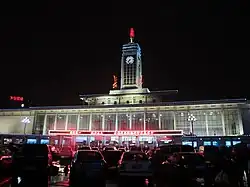
Zhuzhou is a major railway hub. Zhuzhou Railway Station is served by conventional trains on the Beijing–Guangzhou and Shanghai–Kunming lines, with connections to virtually every major city in China. Zhuzhou West Station (株洲西站) is on the Wuhan–Guangzhou high-speed railway, offering high-speed services to Changsha (about 15 minutes), Wuhan (about 2 hours), Guangzhou (about 2.5 hours), and Beijing (about 5.5 hours).
By bus
Long-distance buses connect Zhuzhou to Changsha (about 1 hour), Xiangtan, Hengyang, and other Hunan cities via the G60 and G4 expressways. The main bus station is near the city centre.
City buses cover the urban area with fares of ¥1–2. Taxis start at around ¥6–7. The Zhuzhou–Changsha intercity railway (长株潭城际铁路) provides frequent commuter rail service between the two cities in about 20–30 minutes. Ride-hailing services (Didi) are available. The city centre is walkable, with most amenities within a 2–3 km radius. For Yanling Emperor Yan Mausoleum or Chaling County, a car or bus is necessary (1–2 hours).
What are the things to do?
Emperor Yan Mausoleum (炎帝陵) — Located in Yanling County, about 150 km south of Zhuzhou, this is the legendary burial site of Emperor Yan (Shennong), the mythical ancestor of Chinese agriculture and a co-founder of Chinese civilization. The complex includes a ceremonial hall, a tomb mound, and a scenic park with ancient trees. Entry is approximately ¥60–80. It is a national pilgrimage site, especially during the annual Qingming Festival.
Shennong Park (神农公园) — A centrally located urban park built around a hill, featuring walking paths, pavilions, and a small lake. A popular spot for locals to exercise and socialise. Free entry.
Zhuzhou Museum (株洲博物馆) — Displays covering local history from the Neolithic period through the modern railway era, with artefacts from the Chu culture period. Free entry with valid ID.
Yandi Square (炎帝广场) — A large civic square dominated by a statue of Emperor Yan, serving as the city's central gathering point and a venue for evening performances.
Shuifu Temple (水府庙) — A Buddhist temple on an island in the Shuifu Reservoir, about 50 km west of the city, known for its peaceful setting and traditional architecture.
Railway heritage walk — Explore Zhuzhou's identity as a railway city by visiting the old Zhuzhou Railway Station area and the railway worker residential districts, which retain a distinctive mid-20th-century industrial character.
Xiangjiang River walk — Stroll along the riverfront promenade, which has been developed with parks, exercise equipment, and night lighting.
Day trip to Jinggangshan (井冈山) — About 3 hours east in Jiangxi Province, the cradle of the Chinese Communist revolution and a scenic mountain area with forest trails, waterfalls, and revolutionary history sites.
Visit Chaling County tea plantations — Chaling, south of Zhuzhou, produces several varieties of green tea. Visits to tea gardens and tastings are possible.
Planning Zhuzhou? Want these on a customised itinerary?
Ask on WhatsAppWhere to eat?
Zhuzhou cuisine is characteristically Hunanese — spicy, oily, and rich in flavour. Signature dishes include zhuzhou chao ya (株洲炒鸭), a stir-fried duck preparation with chillies; lishu fenzheng rou (醴陵粉蒸肉), steamed pork with rice flour from nearby Liling; and various preparations of freshwater fish from the Xiangjiang River. Street food around Yandi Square and the night markets includes stinky tofu (臭豆腐), rice noodles (米粉), and grilled skewers. A typical meal costs ¥30–60 per person at a local restaurant.
Where to drink?
Hunan baijiu (white liquor) is the traditional local drink, with Liling producing several noted brands. Tea is widely available — try local green tea at teahouses. National beer brands (Snow, Yanjing, Tsingtao) are served everywhere. Zhuzhou's nightlife is modest, with bars and KTV venues concentrated around the Lusong District.
Planning Zhuzhou? We’ll book the stays and dining for you.
Ask on WhatsAppWhere to stay?
Accommodation is concentrated in the Tianyuan District (new city centre) and near Zhuzhou Railway Station. Options range from budget guesthouses (¥80–150/night) to mid-range business hotels (¥200–400/night). There are no international luxury hotel brands, but several nationally branded properties offer reliable quality. Book ahead during the May Day and National Day holiday weeks.
What should you buy?
Local products include Yanling County honey, Chaling County tea, and Zhuzhou-made railway memorabilia. The Zhuzhou Lusong District (芦淞区) is famous nationwide for its Lusong Clothing Market (芦淞服装市场), one of the largest garment wholesale markets in central China, with thousands of stalls selling clothing at wholesale prices.
Where to go next?
- Changsha (长沙) — About 15 minutes by high-speed rail, the provincial capital with the Yuelu Academy, Orange Island, and Hunan Provincial Museum (including the Mawangdui Han Dynasty tomb artefacts).
- Xiangtan (湘潭) — About 30 minutes west, the birthplace of Mao Zedong with the Shaoshan memorial complex nearby.
- Hengyang (衡阳) — About 1 hour south, the gateway to Hengshan (Mount Heng), one of China's Five Great Mountains.
- Jinggangshan (井冈山) — About 3 hours east in Jiangxi, a revolutionary heritage site and scenic mountain area.
Nearby in Hunan Sheng
More places to explore around Zhuzhou.
Guide content as of June 2026. Portions adapted from Wikivoyage, CC BY-SA 4.0.

Contact Us
Get in touch with us.
Get in touch
Contact Us
Tell us where you'd like to go and how you like to travel. A real Tripcuro planner — not a bot — will craft an itinerary around you.
- Personalised, hassle-free planning end-to-end
- Transparent pricing, no hidden costs
- 24/7 support for complete peace of mind