
Taiwan
Eastern Asia · 301 destinations across 20 regions
Photography coming soonWhy visit?
Taiwan is a self-governing island nation off the southeastern coast of mainland Asia, a place where dense, neon-lit cities give way within an hour's drive to misty mountain forests, hot-spring valleys and surf-pounded coastlines. Roughly 23 million people are packed onto an island only slightly larger than Belgium, making the western lowlands among the most densely populated places on earth — yet about 60% of the country is forested, much of it natural, and the central spine of mountains rises above 3,900 metres. The result is a destination of striking contrasts: you can eat your way through a midnight night market, ride a colonial-era narrow-gauge train into a cypress forest, and soak in a riverside hot spring all in a single trip.
Taiwan is also one of Asia's great cultural crossroads. The majority Han Chinese population preserves traditions — temple festivals, Mazu pilgrimages, calligraphy, tea culture — that elsewhere were eroded by the 20th century, while half a century of Japanese colonial rule (1895–1945) left its mark on the railways, the architecture, the cuisine and the pop-culture sensibility. The indigenous Austronesian peoples, concentrated on the east coast and in the mountains, maintain distinct languages and customs. Taipei is a genuine global city and a centre of Mandarin-language pop culture, while Tainan in the south carries the weight of the island's oldest history.
Taiwan suits almost every kind of traveller: foodies drawn by what may be Asia's best street eating, hikers and cyclists tempted by world-class mountain and coastal routes, culture seekers chasing temples and museums, and anyone who values a place that is exceptionally safe, well-organised, friendly and easy to get around. It is an ideal first trip into Asia and an endlessly rewarding return visit.
What is the landscape and climate like?
Taiwan is a tilted island: a high, rugged mountain chain runs down the eastern two-thirds, dropping steeply into the Pacific, while the fertile, flatter western plain holds most of the cities, farms and industry. The country is conventionally divided into Northern Taiwan (Taipei, Hsinchu, Taoyuan — the political and tech heartland), Central Taiwan (Taichung, Sun Moon Lake and the great national parks), Southern Taiwan (Tainan, Kaohsiung, Kenting's tropical beaches), Eastern Taiwan (Hualien and Taitung, cut off by the mountains and the centre of indigenous culture), and the Outlying Islands (Penghu, Kinmen, Matsu, Green Island and Orchid Island).
The climate is subtropical in the north and tropical in the south, hot and humid for much of the year. Summers (June–September) are sweltering on the lowlands, with daytime highs around 33°C, while the mountains offer a cool escape. Winters (December–February) are mild in the south but can be grey, damp and chilly in the north, with cold snaps occasionally dusting the high peaks with snow. The plum rains arrive in May and June, and typhoon season runs roughly July to October, when storms can disrupt travel — particularly on the east coast and outlying islands.
Tell us your dates and we'll tailor your Taiwan trip around them.
WhatsAppWhen is the best time to visit?
The most comfortable months overall are October to early December and March to April, when temperatures are pleasant island-wide and rainfall is lower. Spring brings cherry blossoms to Alishan and Yangmingshan; autumn brings clear skies and crisp mountain air. Summer is best spent at altitude (Alishan, Sun Moon Lake) or on the cooler east coast, and is also beach season for Kenting. Winter is the season for hot springs — Beitou, Jiaoxi and Guanziling are at their most atmospheric in the cold.
Festivals worth planning around include Lunar New Year (late January or February — festive but many businesses close and transport is jammed), the Pingxi Sky Lantern Festival during the Lantern Festival two weeks later, the boisterous Yanshui Beehive Fireworks in Tainan, the spring Mazu pilgrimages that see hundreds of thousands walk across central Taiwan, the Dragon Boat Festival in early summer, and the Mid-Autumn Festival in autumn.
Do you need a visa?
Taiwan offers visa-free entry of 90 days to passport holders from many countries, including the United States, Canada, the United Kingdom, most of the European Union and Schengen area, Australia, New Zealand, Japan and South Korea. Citizens of some other countries can apply for a visa-exempt entry (Travel Authorization) Certificate online or are eligible for an e-Visa, and a number of nationalities qualify for visa-on-arrival or landing visas under specific conditions.
A passport valid for the duration of stay (and usually beyond) and onward/return travel documentation are typically required. Visa rules change frequently — this is general guidance only, and travellers must verify current requirements with a Taiwan representative office (the Taipei Economic and Cultural Office) before booking.
Want us to time your trip around a festival? We'll handle it.
WhatsAppHow much does it cost?
The currency is the New Taiwan Dollar (TWD, NT$). As a rough guide, a budget day costs around NT$1,200–2,000 (USD 38–63) — hostel dorm, night-market meals, public transport; a mid-range day around NT$3,500–6,000 (USD 110–190) — a comfortable hotel, sit-down restaurants, the odd taxi and entry fees; and a luxury day NT$10,000+ (USD 315+) for upscale hotels and fine dining.
ATMs are widespread and reliably accept foreign cards; convenience stores (7-Eleven, FamilyMart) often have them too. Credit cards are accepted in hotels, department stores and mid-to-upper restaurants, but cash remains essential for night markets, small eateries, local buses and rural areas. An EasyCard or iPASS stored-value card is invaluable for transport and convenience-store purchases. Tipping is not customary in Taiwan — restaurants do not expect it, though upmarket venues may add a 10% service charge.
How do you get there?
The main international gateway is Taiwan Taoyuan International Airport (TPE), about 40 km southwest of Taipei, connected to the city by the Airport MRT, frequent buses and the high-speed rail. Taipei Songshan Airport (TSA) handles regional flights and a few international routes from a convenient in-city location. In the south, Kaohsiung International Airport (KHH) serves the second-largest metro area, and Taichung International Airport (RMQ) handles a smaller set of regional flights.
There are no land borders. Taiwan can also be reached by ferry: services link Kinmen and Matsu to mainland China's Fujian coast, and cruise ships call at Keelung (the port for Taipei) and Kaohsiung.
We handle the bookings and budgeting — you just travel.
WhatsAppHow do you get around?
Taiwan's transport is fast, clean and easy to use. The High Speed Rail (THSR) runs the length of the west coast, linking Taipei to Kaohsiung in around 1.5–2 hours. The conventional Taiwan Railway (TRA) network reaches more towns, including the scenic east coast, and operates the historic narrow-gauge Alishan Forest Railway. Metro systems (the MRT) serve Taipei, Kaohsiung and Taoyuan, with light-rail elsewhere.
Intercity buses are comfortable and cheap, and many run through the night. Within cities, taxis are metered, plentiful and honest; the Uber and local LINE Taxi apps work in major cities. Domestic flights mainly serve the outlying islands (Penghu, Kinmen, Matsu, Orchid Island). Cycling is hugely popular, with a national cycle route circling the island and YouBike share schemes in the cities. Taiwan is refreshingly low-scam, but always confirm a taxi uses the meter, and watch for aggressive driving on winding mountain roads.
What are the local customs?
Taiwanese people are famously courteous and helpful, and a smile and a few words of thanks (xièxie) go a long way. Greetings are usually a polite nod or handshake. Dress is generally casual, but modest clothing — covered shoulders and knees — is appreciated at temples, where you should also lower your voice, not point at deities, and follow the lead of worshippers. Shoes are removed when entering homes and some guesthouses and temples.
Tipping is not expected anywhere. Photography is fine in most public places, but ask before photographing people, and check for "no photos" signs inside temple halls and museums. Queue politely, do not eat or drink on the MRT (it is fined), give up priority seats, and avoid loud behaviour on public transport. Receiving and giving items — especially business cards and gifts — with both hands is a respectful touch.
Prefer to talk it through? We're a WhatsApp message away.
WhatsAppIs it safe?
Taiwan is one of the safest countries in Asia for travellers. Violent crime is rare, streets are safe to walk at night, and lost belongings are very often returned. The main hazards are natural: Taiwan sits on the seismically active Pacific Ring of Fire, so earthquakes occur, and typhoons between roughly July and October can bring flooding and landslides — heed warnings and avoid mountain and coastal trails during and after storms. Mountain hiking carries the usual risks of changeable weather and altitude; some high-mountain treks require permits.
Tap water is generally treated but most locals and visitors drink boiled or bottled water to be safe. No special vaccinations are required for a standard visit beyond being up to date on routine immunisations; consult a travel clinic for current advice. Healthcare is excellent and widely available. Emergency numbers are 119 (fire/ambulance), 110 (police) and 112 (mobile emergency).
Which regions stand out?
- Northern Taiwan — Taipei, the capital and cultural hub, plus the tech cities of Hsinchu and Taoyuan, the port of Keelung, and hot-spring and coastal escapes within easy reach.
- Central Taiwan — Taichung, the lakes and mountains of Nantou (Sun Moon Lake), and gateways to the great national parks.
- Southern Taiwan — historic Tainan, the port city of Kaohsiung, and the tropical beaches of Kenting at the island's southern tip.
- Eastern Taiwan — Hualien and Taitung, separated from the west by the central range, the heart of indigenous Austronesian culture and dramatic Pacific scenery.
- Alishan and the Central Mountains — misty cypress forests, sunrise viewpoints and the highest peaks in East Asia outside the Himalayas.
- Outlying Islands — Penghu's beaches and basalt columns, the Fujian-coast islands of Kinmen and Matsu, and the indigenous cultures of Green Island and Orchid Island.
Tell us your dates and we'll tailor your Taiwan trip around them.
WhatsAppWhere should you go?
- Taipei — the dynamic capital, home to Taipei 101, the National Palace Museum, Ximending and a legendary night-market scene.
- Tainan — the oldest city and former capital, packed with historic temples and widely regarded as Taiwan's culinary capital.
- Kaohsiung — the third-largest city, a relaxed harbour metropolis with art districts, waterfront redevelopment and a major airport.
- Taichung — the second-largest city, known for its pastries (sun cakes, pineapple cakes), parks and creative spaces.
- Hualien — a pleasant east-coast city and the gateway to Taroko Gorge.
- Taroko Gorge — a spectacular marble-walled canyon on the east coast, one of Taiwan's signature natural sights.
- Sun Moon Lake — a serene mountain lake in Nantou famous for its clear blue water and scenic backdrop.
- Alishan — Taiwan's most-visited national park, reached by a historic forest railway, celebrated for ancient cypresses and cloud-sea sunrises.
- Jiufen — an atmospheric former gold-mining town on the northeast coast, with lantern-lit lanes and ocean views.
- Kenting National Park — the tropical southern tip, known for beaches, coral reefs and lush vegetation.
- Yushan (Jade Mountain) — at 3,952 m, the highest peak in Taiwan and the tallest in eastern East Asia.
- Penghu — an archipelago in the Taiwan Strait beloved for beaches, water sports and dramatic basalt coastlines.
Regions & States
Taiwan has 20 regions with guides — pick one to drill into its destinations.
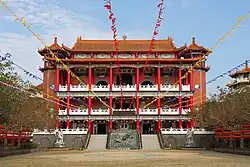
Changhua
14 destinations
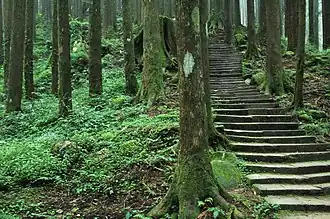
Chiayi
19 destinations
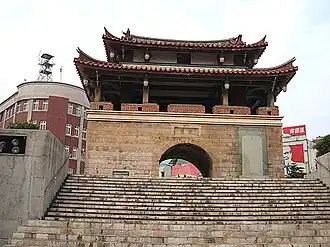
Hsinchu
21 destinations
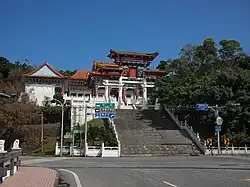
Hualien
19 destinations
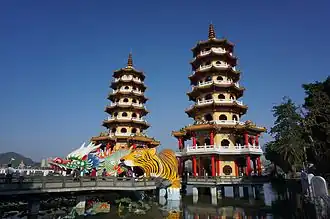
Kaohsiung
19 destinations
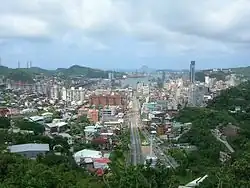
Keelung
5 destinations
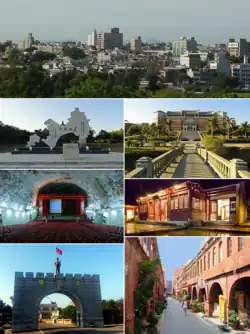
Kinmen
10 destinations
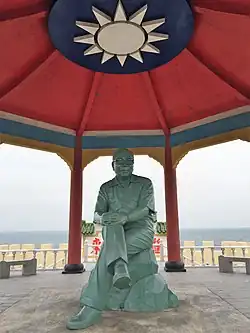
Lienchiang
6 destinations
Miaoli
16 destinations
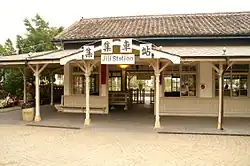
Nantou
19 destinations
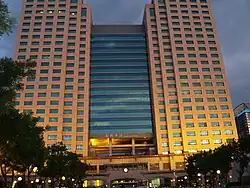
New Taipei
20 destinations
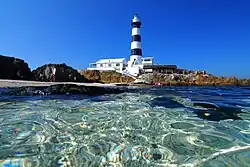
Penghu
7 destinations
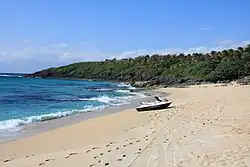
Pingtung
19 destinations
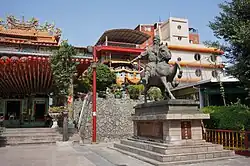
Taichung
19 destinations
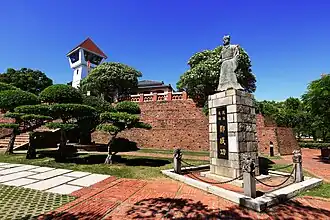
Tainan
16 destinations
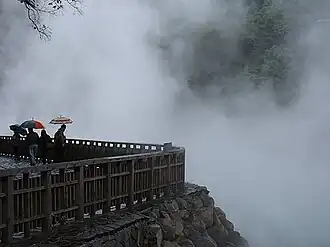
Taipei
8 destinations

Taitung
18 destinations
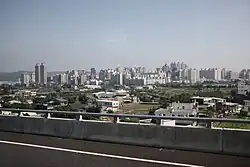
Taoyuan
17 destinations
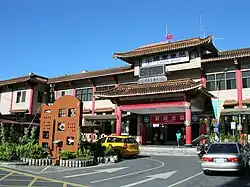
Yilan
15 destinations
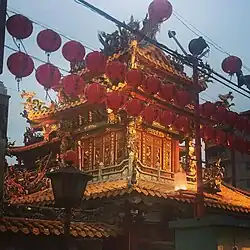
Yunlin
14 destinations
Not sure where to start in Taiwan? Tell us how you like to travel and we'll shape the route.
WhatsAppTop Destinations
The places first-time and returning travellers ask for most.
Alishan
Alishan (阿里山, "Mount Ali") is Taiwan's most-visited national park…
Baisha
Baisha (白沙, Báishā; Pe̍h-soa in Minnan) is a rural township occupying…
Banqiao
Banqiao (板橋區), historically spelled Panchiao and sometimes written…
Beigang
Beigang (北港鎮, Běigǎng) is a township in the western part of Yunlin…
Beitou
Beitou (北投區) is a northern district of Taipei famous above all for…
Chishang
Chishang (池上, Chíshàng) is a rural township in Taitung County, set in…
Daxi
Daxi (大溪, sometimes written Dasi) is a riverside town in the eastern…
Dongyin
Dongyin (東引) is the northernmost inhabited island in the Matsu…
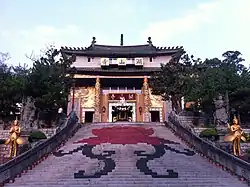
Douliu
Douliu (斗六, Dǒuliù) is a small city of around 108,000 people that…
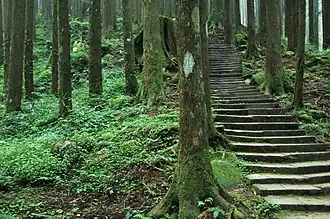
Fenqihu
Fenqihu (奮起湖, sometimes spelled Fencihu or Fenchihu) is a small…
Fulong
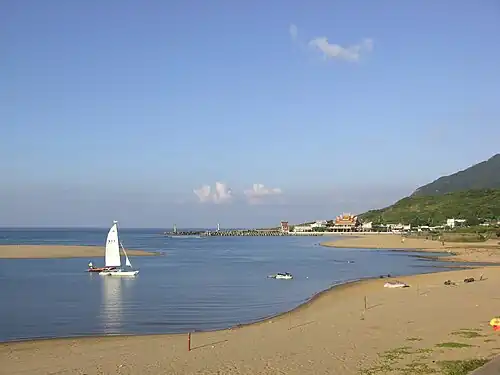
Fulong (福隆) is a small coastal village at the northeastern tip of New…
Guanziling
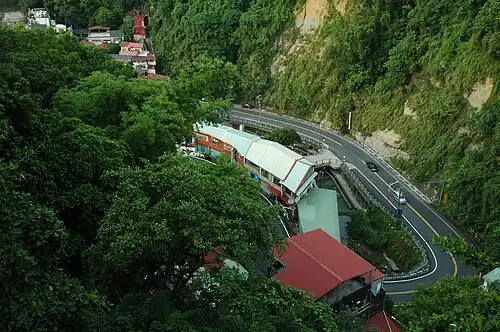
Guanziling — also spelled Guanzihling, Kuantzuling and Kuantzeling…

Contact Us
Get in touch with us.
Get in touch
Contact Us
Tell us where you'd like to go and how you like to travel. A real Tripcuro planner — not a bot — will craft an itinerary around you.
- Personalised, hassle-free planning end-to-end
- Transparent pricing, no hidden costs
- 24/7 support for complete peace of mind