Italy
Southern Europe · 665 destinations across 20 regions
Photography coming soonWhy visit?
Italy is the rare country that lives up to its own myth. Within a single train journey you can move from Alpine glaciers to Baroque fishing harbours, from Roman ruins polished by two thousand years of footsteps to vineyards that produce the world's most argued-over wine. No other nation packs so many UNESCO World Heritage sites (the most of any country) into so compact a space, and few wear their grandeur so casually — a Caravaggio hangs in a side chapel you wander into for free; a 12th-century basilica anchors the square where teenagers eat gelato.
What makes Italy distinctive is not just the monuments but the texture of daily life around them: the ritual of the aperitivo, the regional fierceness of food (Bologna will not forgive you for ordering "spaghetti bolognese"), the way every town defends its own dialect, saint, and pasta shape. Italy is less a single destination than twenty regions that happen to share a flag.
It suits almost everyone — first-time travellers drawn to Rome, Florence, and Venice; food and wine pilgrims; hikers in the Dolomites; beach-seekers on the Amalfi Coast and Sardinia; and slow-travel romantics who'd rather spend a week in one Tuscan hill town. The trade-off is crowds and cost in the marquee cities, both of which reward anyone willing to shift a season or a few towns over.
What is the landscape and climate like?
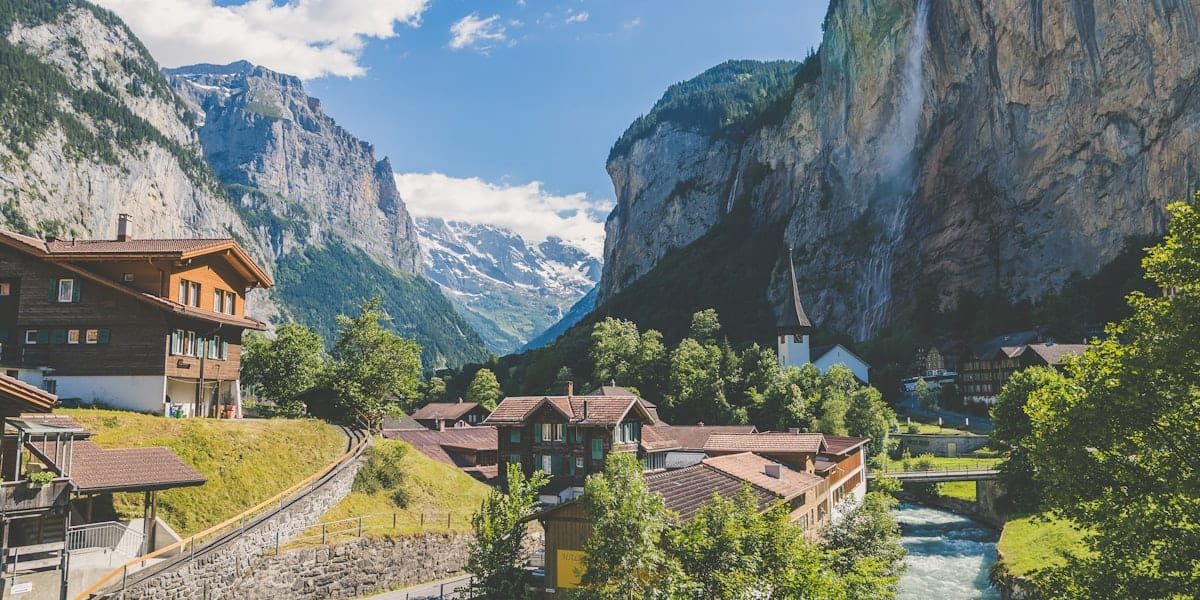
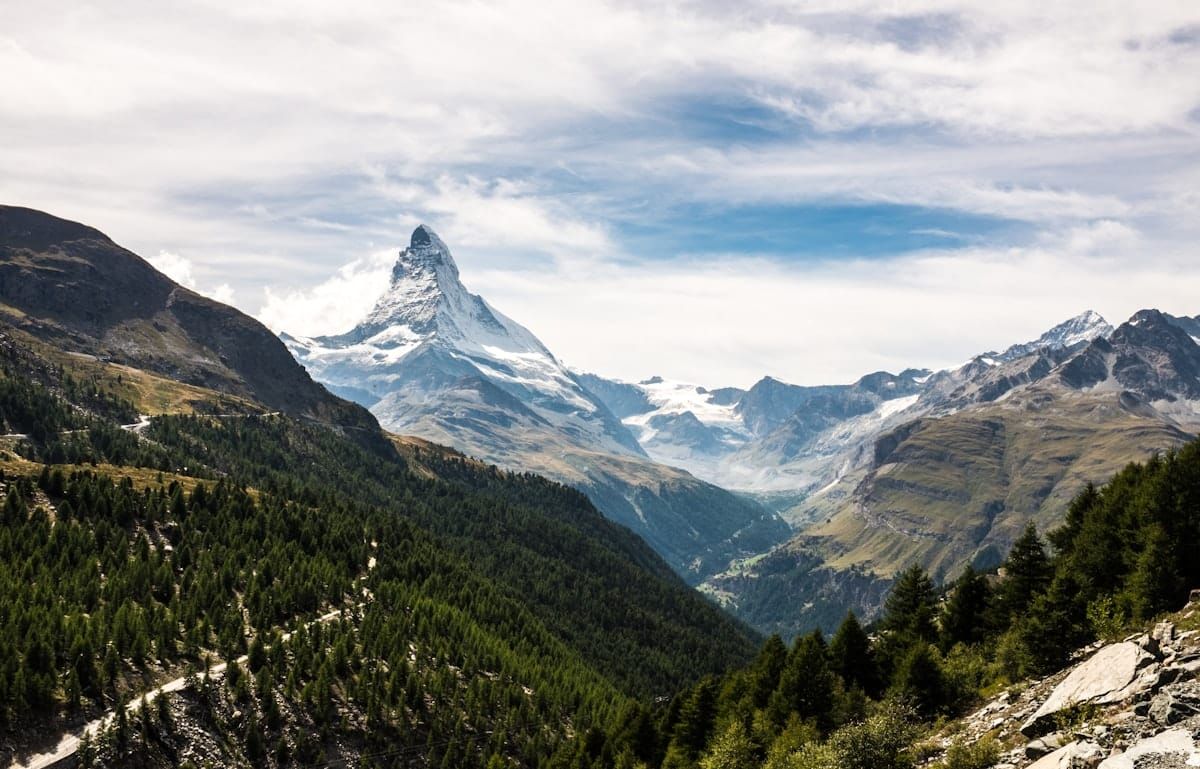
Italy is a long boot-shaped peninsula reaching from the Alps into the central Mediterranean, plus two large islands — Sicily and Sardinia — and many smaller ones. The Alps and Dolomites form the northern wall; the Apennine mountains run like a spine down the entire length of the peninsula. Between them lies the flat, fertile Po Valley (Pianura Padana), Italy's agricultural and industrial heartland. The coastlines are vast and varied: rugged cliffs (Amalfi, Cinque Terre), long sandy stretches (Adriatic Riviera, Sardinia), and lagoon flatlands (Venice).
The climate is broadly Mediterranean — hot, dry summers and mild, wetter winters — but it shifts sharply by latitude and altitude. The north (Milan, Turin, Venice) has a more continental climate with cold, foggy winters and humid, thunderstorm-prone summers; the lakes and Alps add their own microclimates. Central Italy (Tuscany, Rome) is classic Mediterranean and very comfortable in spring and autumn. The south (Naples, Puglia, Sicily) is hotter and drier, with summer temperatures regularly topping 35°C and a long, sun-baked season from May into October. There is no monsoon; the wettest months are generally October–November and spring.
Tell us your dates and we'll tailor your Italy trip around them.
WhatsAppWhen is the best time to visit?
Best overall: April–June and September–October. Warm but not scorching, lighter crowds than midsummer, and the landscape at its best — wildflowers in spring, the wine harvest (vendemmia) in autumn.
- Peak season: July–August and the Christmas/New Year window. Italians themselves holiday in August (especially around Ferragosto, 15 August), when cities empty, many family-run restaurants and shops in urban centres close, and coastal resorts fill to bursting. Heat in the south and central cities can be punishing.
- Shoulder season: April–June and September–October — the sweet spot for cities and countryside alike.
- Off season: November–March. Cold and quiet, but Rome, Florence, and Venice stay rewarding (and cheaper), and it's ski season in the Dolomites and Alps.
Festivals worth planning around: Venice Carnival (Carnevale, Feb), Easter/Holy Week (especially Rome and the South), Palio di Siena horse race (2 July and 16 August), the Venice Film Festival (late Aug/Sept), Verona's opera season in the Roman Arena (summer), and Christmas markets in the Alto Adige/South Tyrol (Bolzano, Bressanone).
Do you need a visa?
Italy is part of the Schengen Area. Citizens of the EU/EEA and Switzerland may enter freely. Nationals of many countries — including the US, UK, Canada, Australia, New Zealand, Japan, and others — can enter visa-free for up to 90 days within any 180-day period for tourism. Other nationalities must obtain a Schengen short-stay (Type C) visa in advance.
The EU's ETIAS travel authorisation (an online pre-screening, not a visa) is expected to become a requirement for currently visa-exempt non-EU visitors; check its status and start date before you travel. Stays beyond 90 days, or travel for work or study, require an appropriate national visa and residence permit.
This is general guidance only. Visa rules change and depend on your nationality, purpose, and length of stay — verify with the Italian embassy or consulate in your country before booking.
Want us to time your trip around a festival? We'll handle it.
WhatsAppHow much does it cost?
The currency is the Euro (EUR, €). Cards (Visa, Mastercard, and increasingly Amex) are widely accepted in cities, hotels, and most restaurants; contactless is standard. Carry some cash for small trattorie, markets, rural areas, espresso at the bar, and tips. ATMs (Bancomat) are everywhere — withdraw from bank-branded machines and decline the on-screen "conversion" (DCC) for a better rate.
Rough daily budgets per person (excluding long-haul flights):
- Budget: €60–100 (~$65–110) — hostel or budget B&B, market food and pizza al taglio, public transport, mostly free/cheap sights.
- Mid-range: €150–280 (~$165–300) — 3-star hotel, sit-down meals with wine, paid museums, the odd taxi or fast train.
- Luxury: €400+ (~$430+) — 4–5 star or boutique hotels, fine dining, private guides and transfers.
Big-name cities (Venice, Florence, Capri, the Amalfi Coast in summer) run noticeably higher than the south and interior. Note the city tourist tax (tassa di soggiorno), typically €1–€7 per person per night, usually paid in cash at checkout.
Tipping: Modest and not obligatory. Service is often included or covered by a coperto (cover charge, €1.50–€4 per person). Rounding up or leaving a few euros for good service is appreciated; 5–10% in a nicer restaurant is generous. Tip taxi drivers by rounding up; €1–€2 for hotel porters.
How do you get there?
Major international airports (IATA):
- Rome Fiumicino (FCO) — the main intercontinental gateway.
- Milan Malpensa (MXP) — northern long-haul hub; also Milan Linate (LIN) and Bergamo Orio al Serio (BGY) for low-cost.
- Venice Marco Polo (VCE), Naples (NAP), Bologna (BLQ), Pisa (PSA) (gateway to Florence/Tuscany), Florence (FLR), Catania (CTA) and Palermo (PMO) in Sicily, and Cagliari (CAG) in Sardinia.
By land: Excellent rail and motorway links from France, Switzerland, Austria, and Slovenia. Direct international trains include the TGV/Frecciarossa from Paris to Milan/Turin, EuroCity services from Switzerland and Austria (e.g. Zürich–Milan, Munich–Verona via the Brenner Pass), and connections from Slovenia.
By sea: Major ferry and cruise ports at Genoa, Civitavecchia (for Rome), Naples, Venice, Bari, and Brindisi. Car and passenger ferries run from Greece (Patras/Igoumenitsa to Bari/Brindisi/Ancona), Croatia, Spain (Barcelona), Tunisia, and to Sicily and Sardinia.
We handle the bookings and budgeting — you just travel.
WhatsAppHow do you get around?
Rail is the best way to travel between Italian cities. The high-speed network (Trenitalia's Frecciarossa/Frecciargento and the private Italo) links Turin–Milan–Bologna–Florence–Rome–Naples at up to 300 km/h — Rome to Florence in ~1h30, Rome to Milan in ~3h. Book ahead online for cheaper "Economy"/"Super Economy" fares; high-speed seats are reserved. Slower Regionale trains serve smaller towns — buy and validate (stamp) the ticket before boarding, or pre-validate digital tickets per the app's instructions, to avoid fines.
Domestic flights (ITA Airways, Ryanair, easyJet) make sense for long hops, especially to Sicily and Sardinia. Intercity buses (FlixBus, plus regional operators) are cheaper than trains and reach places off the rail network. Driving is rewarding in the countryside (Tuscany, Puglia, the Dolomites) but avoid it in historic city centres, which are mostly ZTL (limited-traffic zones) — entering one unauthorised triggers an automatic fine. Italian autostrade are tolled.
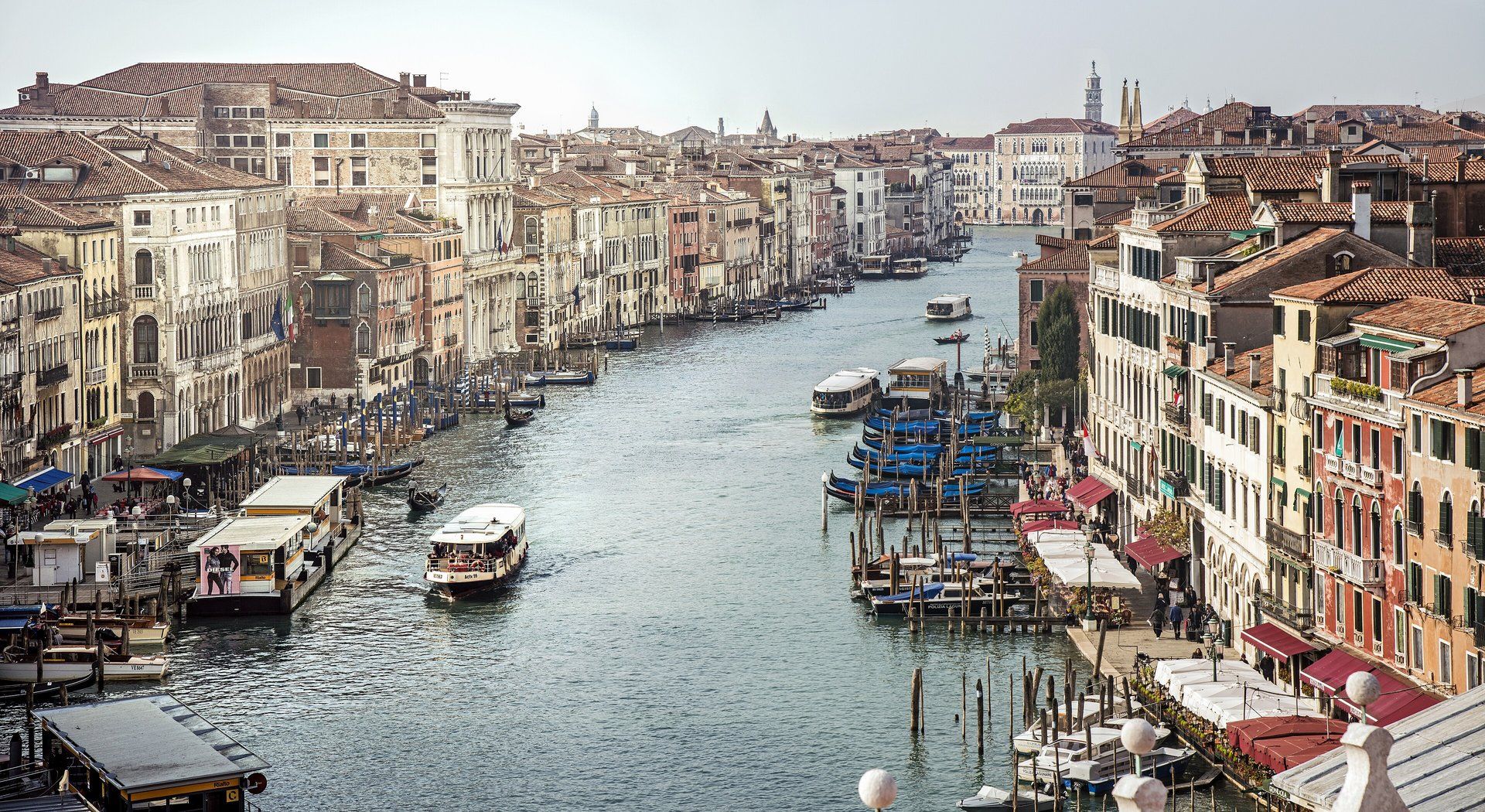
In cities: metros (Rome, Milan, Naples, Turin), trams, and buses; taxis are metered and should be taken from official ranks or booked by phone/app (FreeNow, itTaxi). Uber operates only in a limited, premium form in a few cities. In Venice, get around by vaporetto (water bus).
Common scams to avoid: unofficial "taxis" at airports and stations (always use the licensed rank); pickpockets on crowded buses/metros (Rome's 64 bus, Naples, Milan stations) and around major sights; the "friendship bracelet" and rose hustles; restaurants near landmarks with no posted prices; and ticket-machine "helpers" who expect a tip. Confirm taxi fares or insist on the meter.
What are the local customs?
Greetings: A handshake on first meeting; friends exchange a light kiss on each cheek (left first). Use buongiorno (good day) and buonasera (good evening), and a polite permesso when entering. A little Italian — per favore, grazie, scusi — goes a long way.
Dress for religious sites: Churches, including St Peter's Basilica and most cathedrals, enforce a modest dress code — shoulders and knees covered for both men and women. Carry a scarf or light layer in summer; some sites turn away visitors in shorts, vests, or short skirts.
Dining etiquette: Lunch is roughly 12:30–2:30 and dinner rarely before 7:30–8 pm. Cappuccino is a morning-only drink in local eyes (espresso is fine any time). Drinking espresso standing at the bar is cheaper than sitting. Don't ask for parmesan on seafood pasta, and let the waiter guide you on regional specialities.
Photography: Generally fine in public, but many churches and museums forbid flash or photography of certain artworks (e.g. the Sistine Chapel bans photos entirely). Ask before photographing people, and respect "no photo" signs.
Dos and don'ts: Do greet shopkeepers when entering; do dress a little smartly in cities (Italians do). Don't be loud in churches; don't sit on monument steps or eat picnics on them where prohibited (Rome and Florence fine this); don't expect rushed service — lingering is the point.
Prefer to talk it through? We're a WhatsApp message away.
WhatsAppIs it safe?
Italy is a safe country for travellers by global standards, with low rates of violent crime. The main risk is petty theft — pickpocketing and bag-snatching — concentrated in tourist-heavy spots: Rome (Termini station, the metro, the Colosseum area), Naples, Milan's stations, and crowded public transport. Keep valuables zipped and out of back pockets, use a cross-body bag, and stay alert in crowds. Naples and parts of the south have a reputation for scooter-borne bag snatching; keep bags away from the road side.
Natural hazards: Italy is seismically and volcanically active. Significant earthquakes occur (central Apennines, 2009/2016); Mount Etna (Sicily), Vesuvius (near Naples), and Stromboli are active volcanoes — follow official guidance on the islands and around Naples. Summer brings heatwaves and wildfire risk in the south, and flash flooding is possible in autumn. In the mountains, respect Alpine weather and avalanche advisories in winter.
Health: No special vaccinations are required for ordinary travel; be routinely up to date (and consider hepatitis A/typhoid only for extended off-the-beaten-path stays). Tap water is safe to drink across Italy, including from the public nasoni fountains in Rome. Healthcare is excellent; EU visitors should carry an EHIC/GHIC, and others should have travel insurance. Emergency number is 112 (single European emergency line).
Which regions stand out?
- Lazio — home to Rome and the Vatican; ancient ruins, Baroque fountains, and the seat of the Catholic Church.
- Tuscany — Renaissance art in Florence, walled hill towns (Siena, San Gimignano), Chianti vineyards, and rolling cypress-lined countryside.
- Veneto — Venice and its lagoon, plus Verona, Padua, and the Prosecco hills.
- Campania — Naples, Pompeii and Herculaneum, the Amalfi Coast, and the islands of Capri and Ischia.
- Lombardy & the Lakes — Milan's fashion and design, and the glamorous lakes Como, Garda, and Maggiore.
- Sicily — a Mediterranean world of its own: Greek temples, Mount Etna, Baroque towns, and exceptional food.
- Puglia — the boot's heel; trulli houses (Alberobello), whitewashed towns, olive groves, and clear Adriatic/Ionian beaches.
- Trentino–Alto Adige & the Dolomites — dramatic peaks, world-class skiing and hiking, and a blended Italian–Austrian culture.
Tell us your dates and we'll tailor your Italy trip around them.
WhatsAppWhere should you go?
- Rome — the Eternal City: Colosseum, Roman Forum, Vatican Museums, Trevi Fountain, and layers of two millennia.
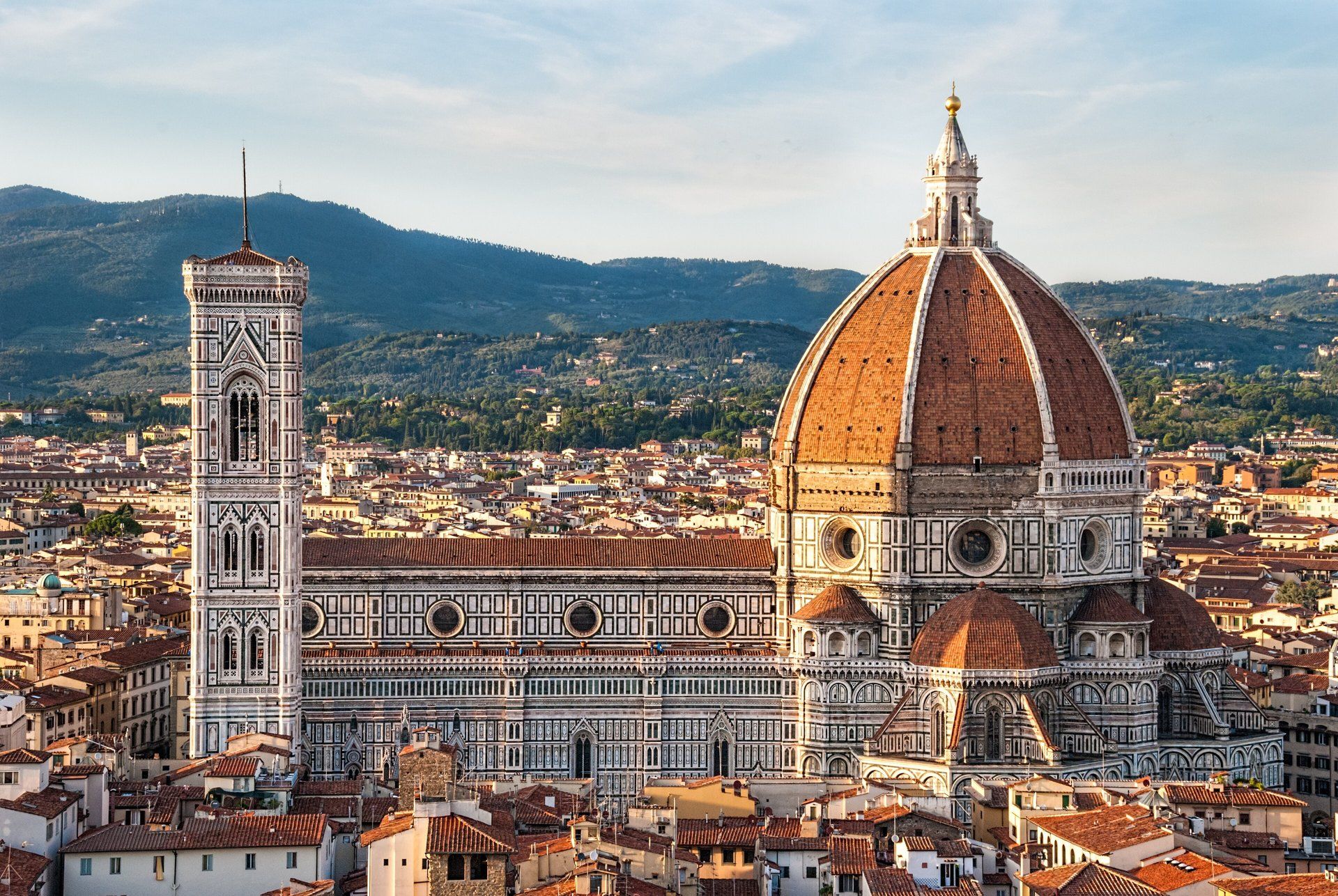
- Florence — cradle of the Renaissance, with the Uffizi, Michelangelo's David, and Brunelleschi's dome.
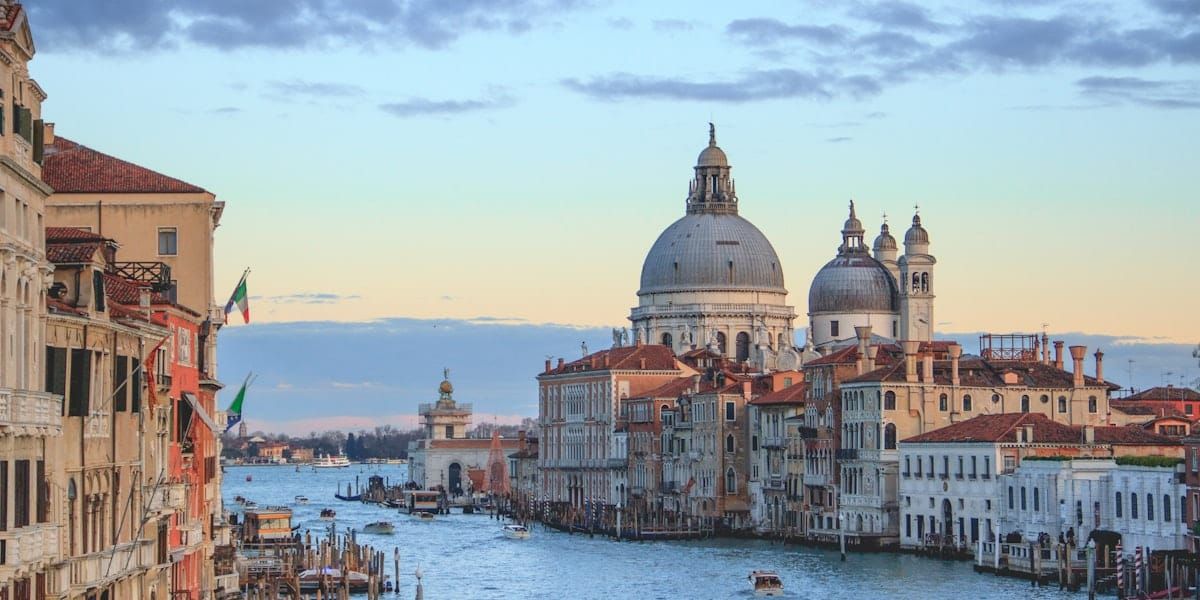
- Venice — the canal city of St Mark's Basilica, gondolas, and the lagoon islands of Murano and Burano.
- Milan — Italy's style and finance capital, home to the Duomo, La Scala, and The Last Supper.
- Naples — gritty, vivid, and the birthplace of pizza, gateway to Pompeii and the Amalfi Coast.
- Amalfi Coast (Positano, Amalfi, Ravello) — cliff-clinging villages above a turquoise sea, one of Italy's iconic drives.
- Pompeii & Herculaneum — Roman cities frozen by Vesuvius in AD 79, the world's most vivid archaeological sites.
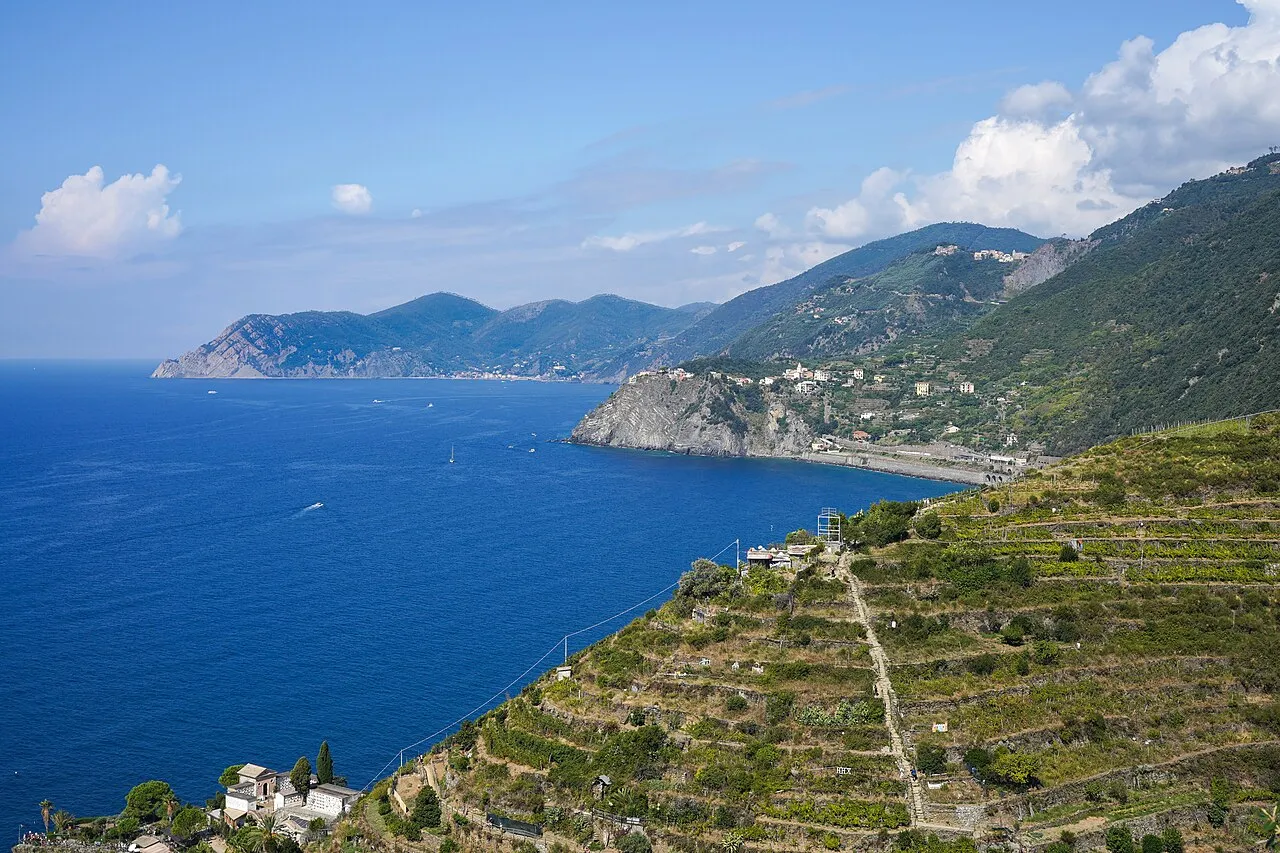
- Cinque Terre — five pastel fishing villages strung along the Ligurian cliffs, linked by trails and train.
- Siena & the Tuscan hill towns — medieval streets, the shell-shaped Piazza del Campo, and the Palio.
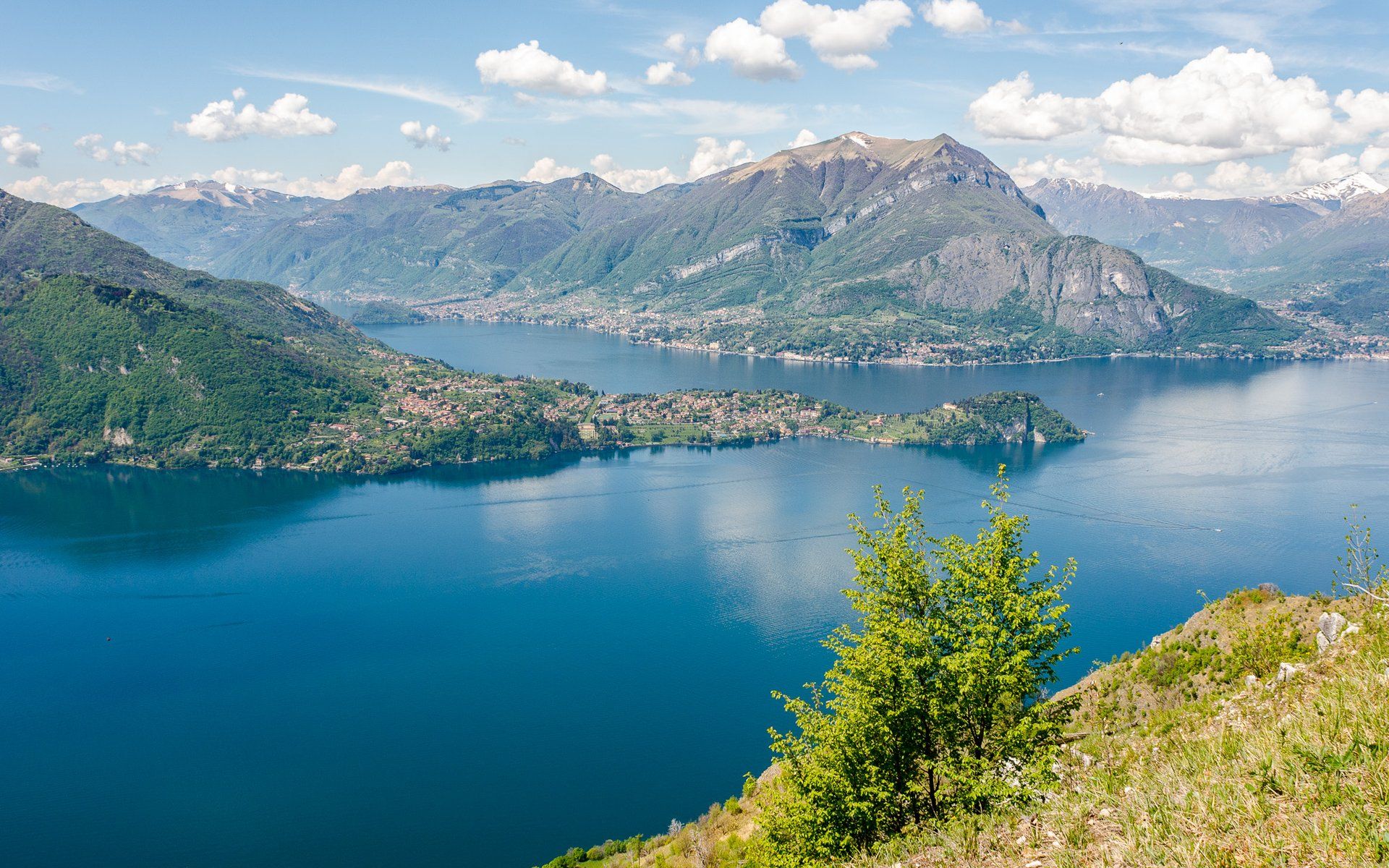
- Lake Como — elegant villas and gardens beneath the Alps, long a retreat of the wealthy.
- Verona — Roman arena, Shakespeare's "Juliet," and a romantic gateway to Lake Garda.
- Sicily (Palermo, Taormina, Agrigento) — Greek temples, Baroque cities, Etna, and standout cuisine.
Regions & States
Italy has 20 regions with guides — pick one to drill into its destinations.
Abruzzo
32 destinations
Basilicata
22 destinations
Calabria
31 destinations
Campania
39 destinations
Emilia-Romagna
35 destinations
Friuli Venezia Giulia
33 destinations
Lazio
37 destinations
Liguria
35 destinations
Lombardia
40 destinations
Marche
35 destinations
Molise
19 destinations
Piemonte
32 destinations
Puglia
36 destinations
Sardegna
34 destinations
Sicilia
40 destinations
Toscana
38 destinations
Trentino-Alto Adige
36 destinations
Umbria
28 destinations
Valle d'Aosta
25 destinations
Veneto
38 destinations
Not sure where to start in Italy? Tell us how you like to travel and we'll shape the route.
WhatsAppTop Destinations
The places first-time and returning travellers ask for most.
Cinque Terre National Park
Cinque Terre National Park (Parco Nazionale delle Cinque Terre) is a…
Corniglia
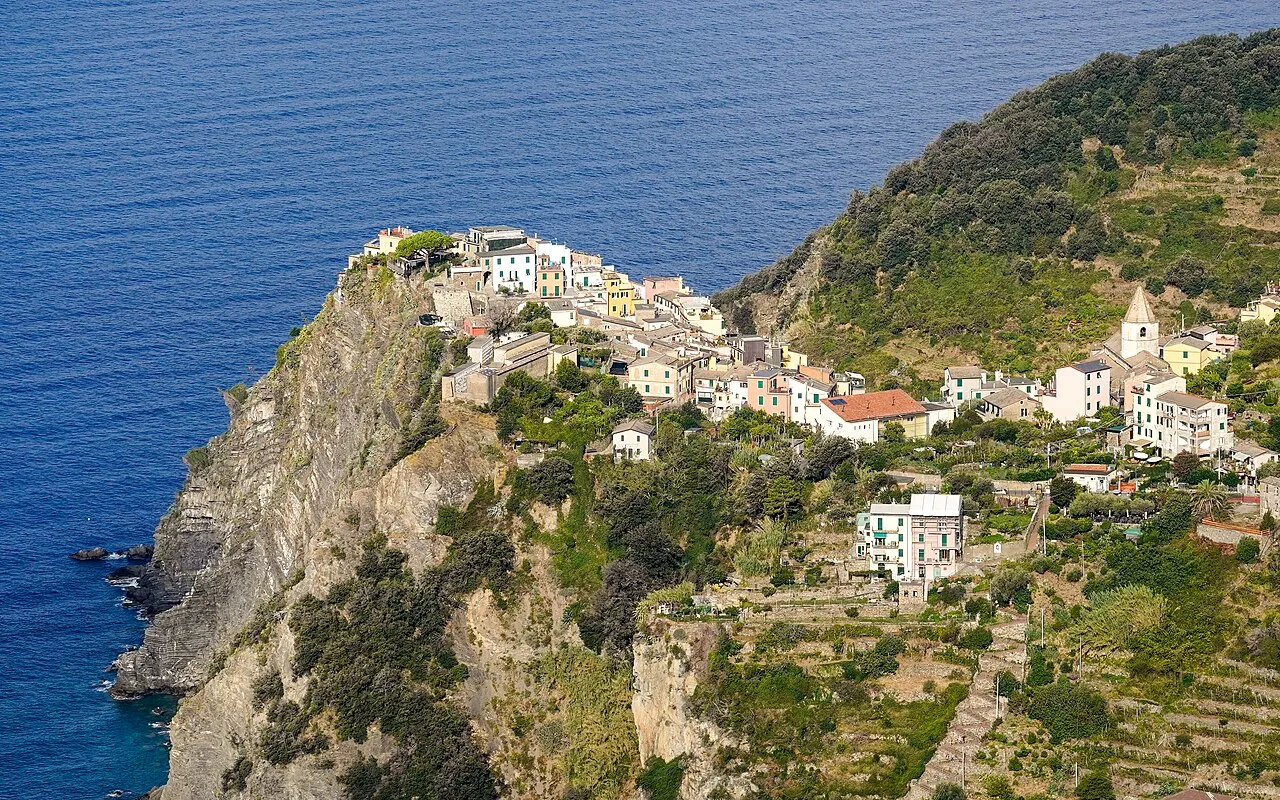
Corniglia is the middle and highest of the five villages of the…
Manarola
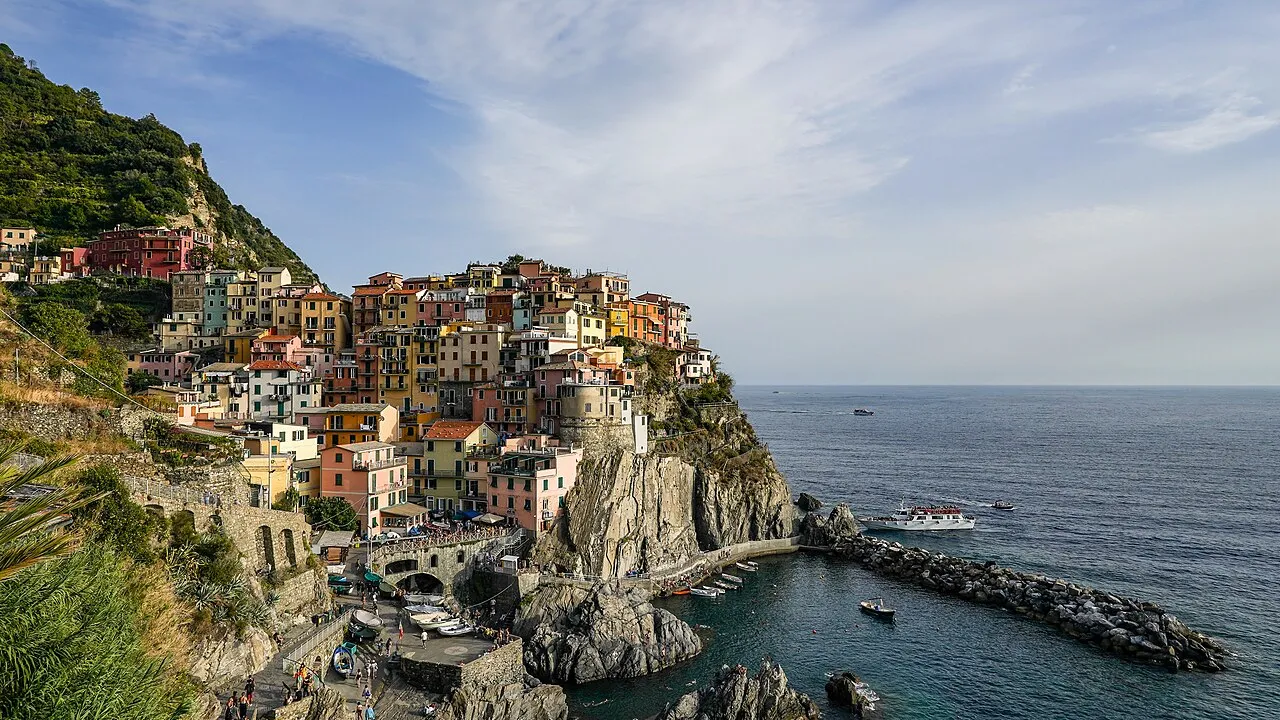
Manarola is one of the five villages of the [Cinque Terre National…
Monterosso al Mare
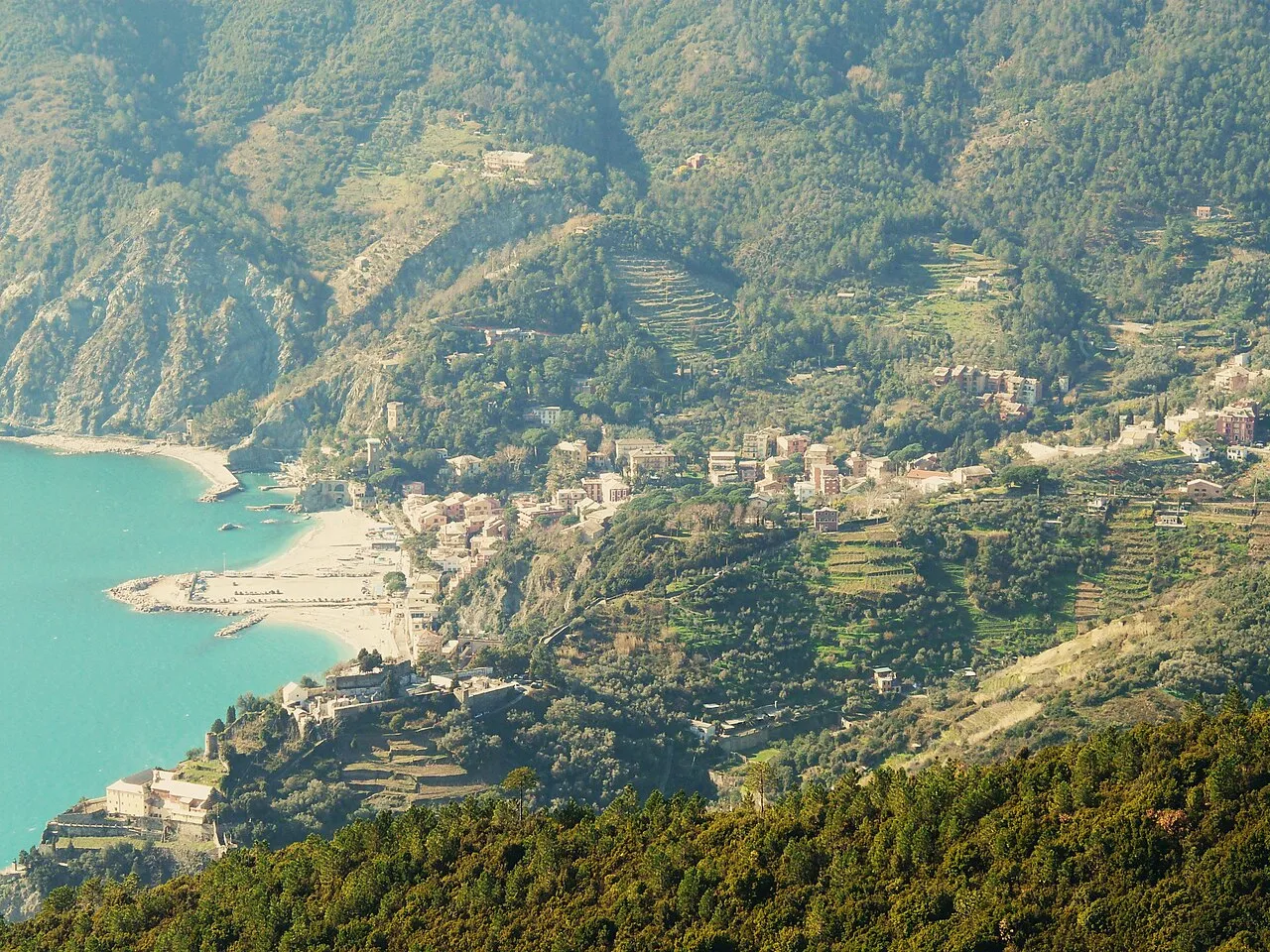
Monterosso al Mare is the northernmost and largest of the five…
Riomaggiore
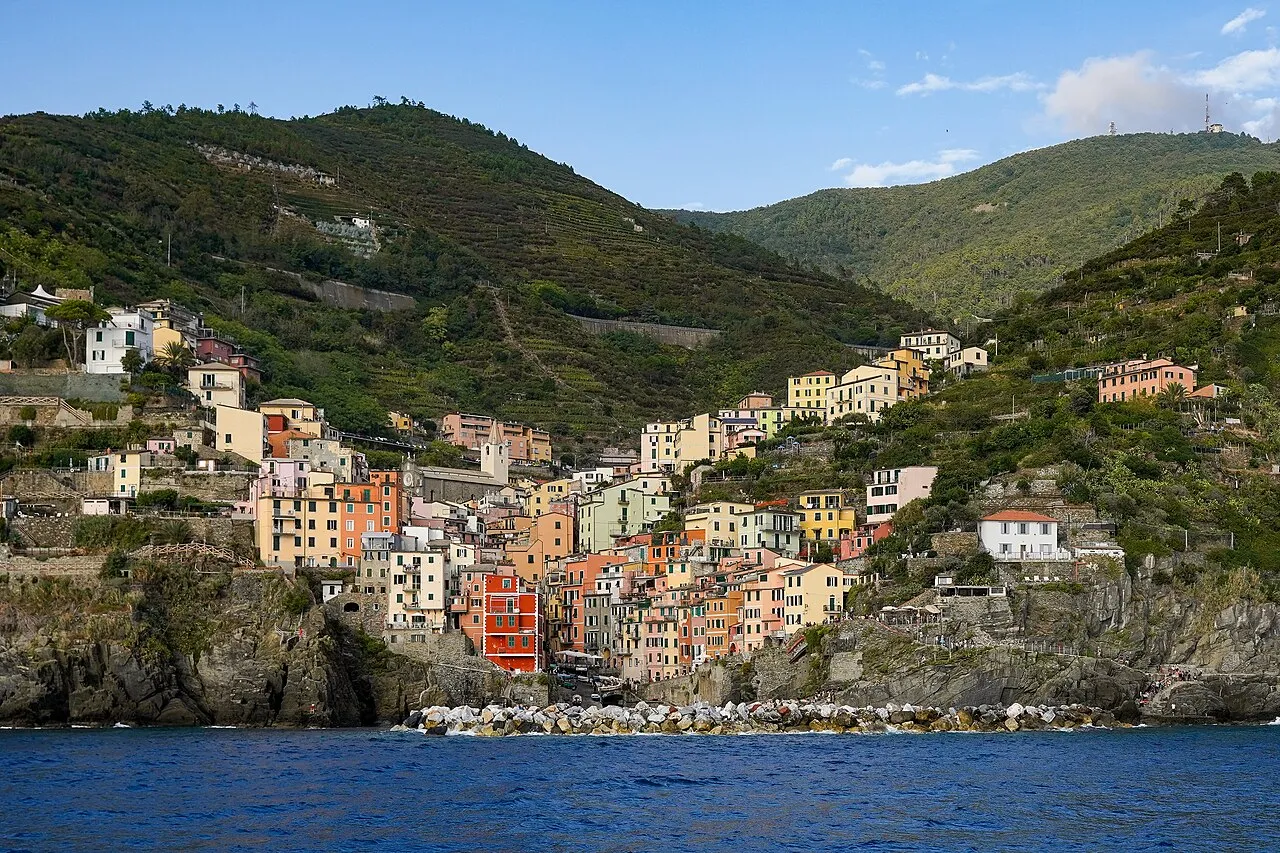
Riomaggiore is the southernmost of the five villages of the [Cinque…
Vernazza
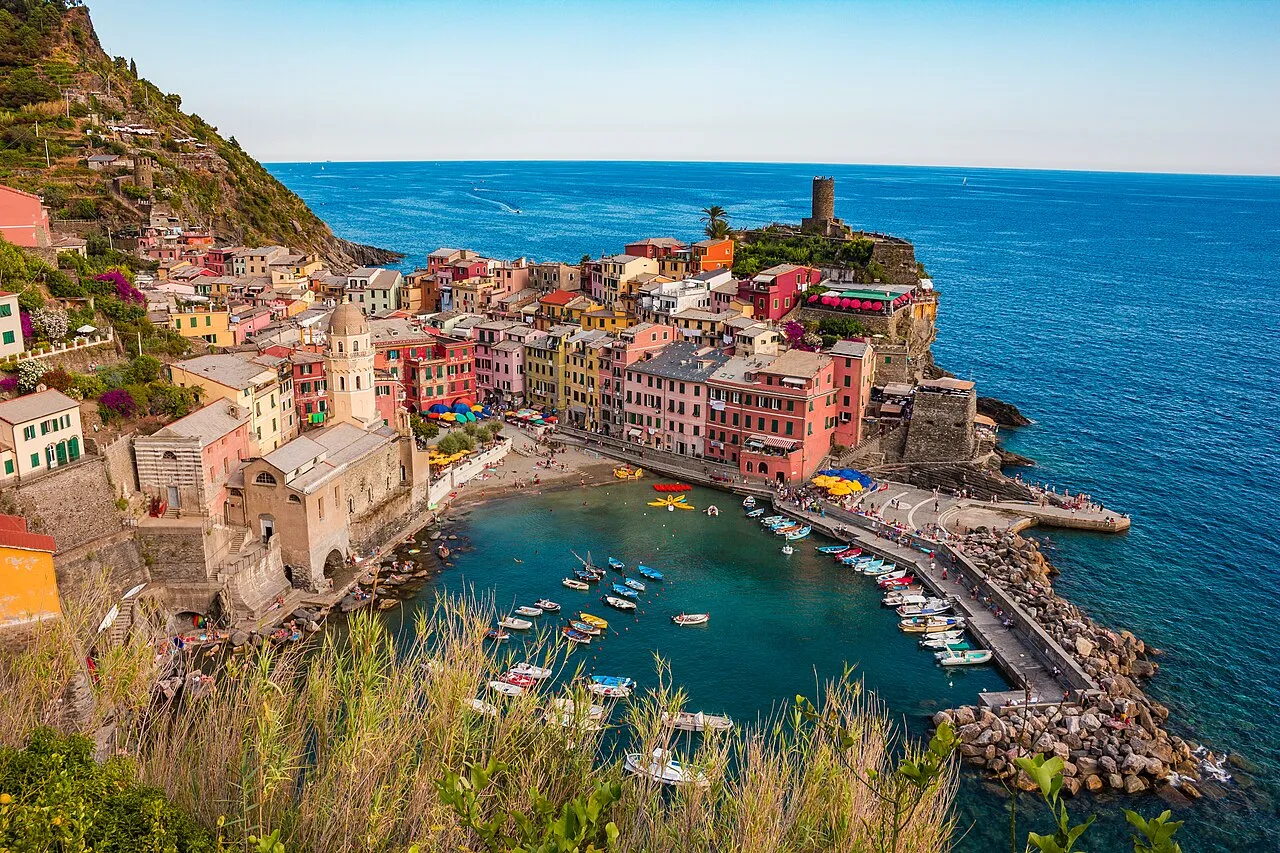
Vernazza has the only natural harbour among the five villages of the…
Abano Terme
Abano Terme is one of Europe's oldest and most celebrated thermal spa…
Abruzzo Lazio and Molise National Park
The Parco Nazionale d'Abruzzo, Lazio e Molise (commonly shortened to…
Acciaroli
Acciaroli is a small fishing port on the Cilento coast of southern…
Acerenza
Acerenza is a hilltop town in the province of Potenza, Basilicata…
Aci Trezza
Aci Trezza is a small, picturesque fishing village perched on the…
Adamello Brenta Nature Park
Adamello Brenta Nature Park (Parco Naturale Adamello Brenta) is the…

Contact Us
Get in touch with us.
Get in touch
Contact Us
Tell us where you'd like to go and how you like to travel. A real Tripcuro planner — not a bot — will craft an itinerary around you.
- Personalised, hassle-free planning end-to-end
- Transparent pricing, no hidden costs
- 24/7 support for complete peace of mind