
Toscana
Italy · Region · 38 destinations with guides
Photography coming soonWhy visit?
Toscana (Tuscany) is a region on Italy's west coast, stretching along the Tyrrhenian Sea. It is one of the most celebrated travel destinations in the world, renowned for its extraordinary concentration of Renaissance art, rolling vineyard-covered hills, medieval hilltop towns, and a culinary tradition that has shaped Italian gastronomy for centuries.
The region's capital, Florence (Firenze), was the cradle of the Renaissance and remains a UNESCO World Heritage Site overflowing with masterpieces by Botticelli, Michelangelo, and Leonardo da Vinci. Beyond Florence, the cities of Siena, Pisa, Lucca, and Arezzo each offer their own rich layers of history, architecture, and art.
Tuscany's landscape is remarkably diverse: the Chianti wine country between Florence and Siena, the wild Maremma coast in the south, the marble quarries of Carrara in the northwest, and the wooded Apennine mountains in the east. Combined with some of Italy's finest food and wine, Toscana offers an endlessly rewarding experience for travellers of every kind.
When is the best time to visit?
The best months to visit Toscana are April through June and September through October, when temperatures are pleasant (18–28°C), the countryside is lush, and crowds are thinner than the peak summer months. July and August bring heat (often above 35°C inland) and the heaviest tourist numbers, particularly in Florence and Siena.
Key festivals include the Palio di Siena (2 July and 16 August), a thrilling bareback horse race around the Piazza del Campo, and Florence's Calcio Storico (June), a historic form of football. The Carnevale di Viareggio (February) features elaborate floats, while grape harvest festivals (sagre dell'uva) fill villages across Chianti and Montepulciano in late September and October. Winter is mild on the coast but cold inland, with skiing possible at Abetone and Monte Amiata.
Tell us your dates and we'll shape a Toscana route around them.
WhatsAppHow do you get around?
Toscana is well served by rail. Florence's Santa Maria Novella station is the main hub, with fast Frecciarossa connections to Rome (1.5 hours), Milan (1.75 hours), and Bologna (35 minutes). Regional trains reach Siena (1.5–2 hours), Pisa (1–1.5 hours), Lucca (1.5 hours), and Arezzo (1 hour) from Florence.
Buses fill gaps where rail does not reach. Siena Mobilità and Tiemme serve the Siena province, while Mobilità Toscana covers interurban routes across the region. Tickets must be purchased before boarding (at Tabacchi shops) and validated on the bus. Many routes run reduced service on weekends and holidays (festivo schedules).
A rental car is invaluable for exploring the countryside—Chianti, the Val d'Orcia, and the Maremma are poorly served by public transport. Roads are generally good but narrow and winding in hilly areas. Pisa International Airport (PSA) and Florence's Amerigo Vespucci Airport (FLR) handle most direct international flights; Delta operates a direct New York JFK–Pisa service.
Where should you go?
- Florence — The cultural capital of Tuscany and birthplace of the Renaissance; home to the Uffizi, the Duomo, and Michelangelo's David.
- Pisa — Famous worldwide for its Leaning Tower, but also boasts a stunning cathedral complex and lively university atmosphere.
- Siena — A perfectly preserved medieval city whose centro storico is a UNESCO World Heritage Site; host of the legendary Palio horse race.
- Lucca — A charming walled city with an intact medieval centre, ideal for cycling atop its broad Renaissance-era ramparts.
- Livorno — A lively port city with canals, seafood markets, and access to the island of Elba.
- Arezzo — A medieval hilltop city with a Roman amphitheatre, a 16th-century fortress, and Piero della Francesca's frescoes.
- Grosseto — Gateway to the Maremma, offering access to wild coastline, nature reserves, and Etruscan ruins.
- Prato — An underrated city with a striking cathedral, excellent textile museum, and contemporary Chinese art museum.
- Pistoia — A compact medieval city with a fine cathedral and proximity to the ski resorts of Abetone and Val di Luce.
- Massa — A coastal city at the foot of the Apuan Alps, close to the famous marble quarries of Carrara.
- Carrara — World-famous for its white marble quarries that supplied Michelangelo and countless Renaissance sculptors.
- Empoli — A pleasant town in the Arno valley with a fine Collegiate Church and easy access to Chianti.
- Viareggio — Tuscany's premier seaside resort, known for its Art Nouveau promenade, sandy beaches, and February carnival.
- San Gimignano — A stunning medieval hill town famous for its surviving towers and Vernaccia white wine.
- Montalcino — Hilltop town producing the celebrated Brunello di Montalcino wine, surrounded by gorgeous countryside.
- Montepulciano — A Renaissance hilltop town renowned for its Vino Nobile wines and dramatic Piazza Grande.
- Cortona — An ancient Etruscan hill town with sweeping views over the Valdichiana, made famous by "Under the Tuscan Sun."
- Anghiari — A perfectly preserved walled medieval village perched above the Tiber valley, known for its artisan shops.
- Pienza — A UNESCO World Heritage town entirely redesigned in the 15th century as the ideal Renaissance city; famous for Pecorino cheese.
- Volterra — An atmospheric Etruscan hilltop city known for alabaster craftsmanship, a Roman theatre, and dramatic tufa landscapes.
- Chiusi — One of the twelve cities of the ancient Etruscan League, with important underground tombs and a fine archaeological museum.
- Monteriggioni — A tiny, perfectly circular walled medieval fortress village, one of the best-preserved in Italy.
- Castiglione della Pescaia — A popular seaside resort with a medieval old town, long sandy beaches, and proximity to nature reserves.
- Orbetello — A lagoon town on a narrow peninsula, gateway to the Argentario promontory and wild Maremma coastline.
- San Vincenzo — A laid-back coastal town with clear waters, sandy beaches, and access to the Rimigliano nature park.
- Montecatini Terme — A grand spa town with Liberty-style architecture, thermal baths, and a funicular to the hilltop old town.
- Pitigliano — A dramatic tufa cliff town known as "Little Jerusalem" for its historic Jewish community and ancient cave dwellings.
- Sovana — A tiny gem of a village with Etruscan tombs, a Romanesque cathedral, and a hauntingly beautiful medieval atmosphere.
- Massa Marittima — A handsome mining town with a striking Romanesque cathedral and the unique "Fertility Tree" fresco.
- Barga — One of Italy's most beautiful villages, a charming medieval town in the Serchio valley with views of the Apuan Alps.
- Fiesole — A hilltop town above Florence with Etruscan and Roman ruins, a fine cathedral, and panoramic views of the Arno valley.
- Vinci — The birthplace of Leonardo da Vinci, with a museum in his reconstructed birthplace and a fascinating wine-and-oil landscape.
- Greve in Chianti — The unofficial capital of Chianti wine country, with an unusual arcaded piazza and excellent wine shops.
- Castellina in Chianti — A picturesque ridge-top town along the Chiantigiana road, known for wine cellars and Etruscan tombs.
- Radda in Chianti — A fortified medieval town set among vineyards, home to the Chianti Classico wine consortium.
- Capoliveri — A charming hilltop village on Elba island with colourful houses, wine cellars, and stunning coastal views.
- Portoferraio — Elba's main town, where Napoleon was exiled, featuring his residences and a star-shaped Medici fortress.
- Saturnia — Famous for its natural hot springs and cascading thermal waterfalls, set in the rolling hills of the Maremma.
Want the scenic legs and stays booked for you? Just ask.
WhatsAppWhat should you eat?
Tuscan cuisine is rooted in simplicity and quality ingredients. The foundation is pane sciocco (unsalted bread), a tradition dating to medieval salt taxes, served alongside robust dishes. Signature starters include ribollita (a hearty bread-and-vegetable soup), pappa al pomodoro (tomato and bread soup), and crostini di fegatini (chicken liver pâté on toast).
Main dishes feature bistecca alla fiorentina, a massive T-bone from Chianina cattle, grilled rare and seasoned only with salt, pepper, and olive oil. Pici, thick hand-rolled pasta, is served with wild boar ragù (ragù di cinghiale) or garlic sauce (aglione). Lampredotto, a tripe sandwich from Florence's street stalls, is the region's quintessential street food.
Tuscany produces some of Italy's most celebrated wines: Chianti Classico, Brunello di Montalcino, Vino Nobile di Montepulciano, and the Super Tuscans of Bolgheri. The Val d'Orcia and Chianti hills are dotted with agriturismi (farm stays) offering farm-to-table meals. Pecorino di Pienza cheese, wild boar salami, and chestnut flour from the Garfagnana are essential regional products.
What is the culture like?
Tuscany's cultural calendar is anchored by the Palio di Siena (2 July and 16 August), a centuries-old bareback horse race between the city's 17 contrade (neighbourhoods) that transforms the Piazza del Campo into a roaring arena. Florence's Calcio Storico (June) is an intense, no-holds-barred form of historic football played in Renaissance costume in Piazza Santa Croce.
The Carnevale di Viareggio (February–March) is Italy's most elaborate carnival, featuring giant satirical papier-mâché floats parading along the seafront. The Maggio Musicale Fiorentino (April–June), one of Europe's oldest music festivals, brings opera, ballet, and orchestral performances to Florence's major venues.
Local crafts remain vibrant: Volterra is the centre of alabaster carving, Montepulciano hosts the Bravio delle Botti (a barrel-rolling race in August), and Arezzo's Giostra del Saracino (June and September) is a jousting tournament dating to the 13th century. Throughout the countryside, autumn sagre (food festivals) celebrate truffles, chestnuts, porcini mushrooms, and new wine.
Travelling during a festival? We'll plan around the crowds.
WhatsAppWhat are the standout experiences?
The Chiantigiana Wine Road (SR222) — Drive or cycle the winding road from Florence to Siena through the heart of Chianti, stopping at vineyards, olive groves, and medieval villages like Greve, Castellina, and Radda for tastings and cellar tours.
The Val d'Orcia Circuit — Explore the UNESCO-listed landscape of rolling golden hills, cypress-lined roads, and hilltop villages (Pienza, Montalcino, Montepulciano, San Quirico d'Orcia) that inspired centuries of Renaissance painting.
Thermal Springs of Saturnia and Bagno Vignoni — Soak in natural hot springs cascading over travertine terraces at Saturnia or in the unique thermal pool that forms the main square of Bagno Vignoni, both set in the wild Maremma countryside.
The Marble Quarries of Carrara — Tour the vast white quarries carved into the Apuan Alps where Michelangelo personally selected blocks of marble; combine with a visit to the charming town of Carrara and its sculpture galleries.
Island of Elba and the Medici Coast — Take the ferry from Piombino to Elba to explore Napoleon's exile residences in Portoferraio, swim in turquoise coves, visit the hilltop village of Capoliveri, and taste the island's distinctive wines.
Top Destinations
Every destination in Toscana with a guide — tap a place for the full guide.
Anghiari
Anghiari is a small hill town in eastern Tuscany's Arezzo province…
Arezzo
Arezzo's origins as a place of human habitation date far back into…
Barga
Barga is a hill town in the Garfagnana, in the Serchio valley about…
Capoliveri
Capoliveri is a hill town on the southeastern part of the island of…
Carrara
Carrara > > Central Italy > Tuscany > Massa-Carrara (province) >…
Castellina in Chianti
Castellina in Chianti is a small hilltop town of roughly 2,600 people…
Castiglione della Pescaia
Castiglione della Pescaia is a small coastal town in the Province of…
Chiusi
Chiusi > > Central Italy > Tuscany > Arezzo (province) > Val di…
Cortona
Cortona > > Central Italy > Tuscany > Arezzo (province) > Val di…
Empoli
Empoli is a town in the Arno valley between Florence and Pisa, best…
Fiesole
Fiesole > > Central Italy > Tuscany > Florence (province) > Fiesole…
Florence
Politically, economically, and culturally, Florence was the most…
Greve in Chianti
Greve in Chianti (sometimes simply called Greve) is a town of roughly…
Grosseto
Grosseto > > Central Italy > Tuscany > Grosseto (province) > Grosseto…
Livorno
Livorno is a port city on the Tyrrhenian coast of Tuscany, home to…
Lucca
Lucca is one of the few Italian cities to retain its Renaissance-era…
Massa
Massa > > Central Italy > Tuscany > Massa-Carrara (province) > Massa…
Massa Marittima
Massa Marittima is a handsome medieval hilltop town in the Colline…
Montalcino
Montalcino is a medieval hilltop town in southern Tuscany's province…
Montecatini Terme
Montecatini Terme is a refined spa town in the Province of Pistoia…
Montepulciano
Montepulciano is one of many Medieval towns dotting the Tuscan…
Monteriggioni
On a small natural hillock, this completely walled medieval town in…
Orbetello
Orbetello > > Central Italy > Tuscany > Grosseto (province) >…
Pienza
Pienza, formerly the village of Corsignano, was the birthplace of…
Pisa
Pisa would not be Pisa without the university.
Pistoia
Pistoia > > Central Italy > Tuscany > Pistoia (province) > Pistoia…
Pitigliano
The town is perched on a steep tuff rock, 313 metres above sea-level.
Portoferraio
Portoferraio is the main town and principal ferry port of the island…
Prato
Prato is a Tuscan city close to Florence, with a much lower tourist…
Radda in Chianti
Radda in Chianti is a small hilltop town of roughly 1,500 inhabitants…
San Gimignano
San Gimignano is a small medieval walled hilltop town in the Val…
San Vincenzo
San Vincenzo is a small seaside town on the Costa degli Etruschi…
Saturnia
Saturnia
Siena
Siena > > Central Italy > Tuscany > Siena (province) > Siena Siena is…
Sovana
Sovana is a small hill town in the Tuscan Maremma, in Grosseto…
Viareggio
Viareggio is a seaside resort town on the Tuscan coast in the…
Vinci
Vinci is a small hilltop town in the Metropolitan City of Florence…
Volterra
Volterra > > Central Italy > Tuscany > Pisa (province) > Volterra…
Sample itinerary
See how a trip to Toscana comes together — a real Tripcuro plan, day by day.
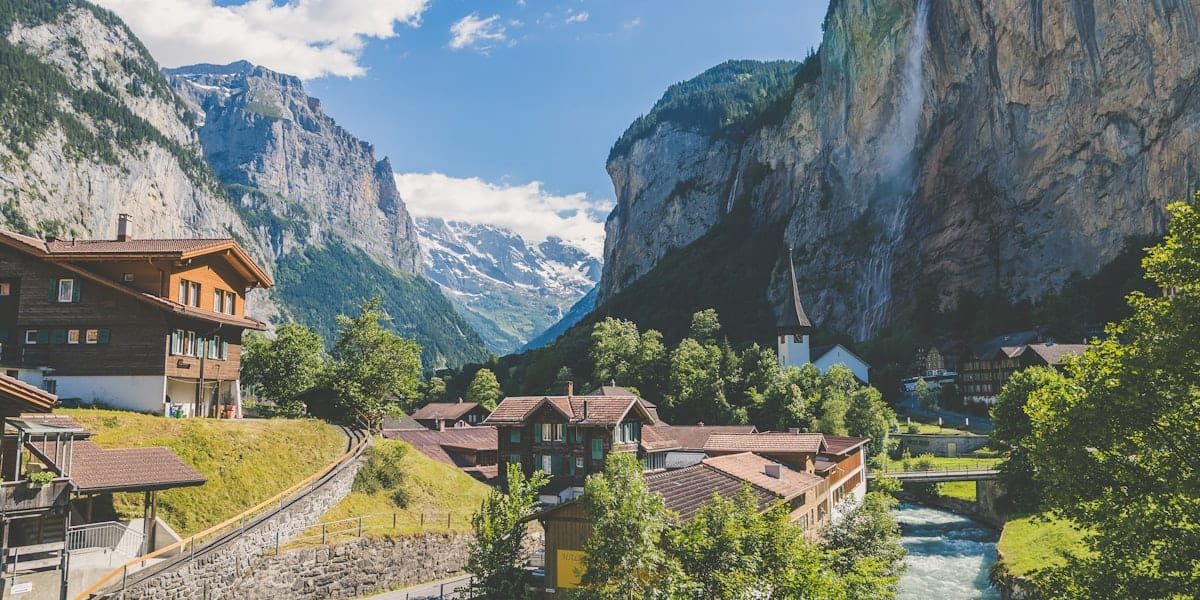
Switzerland & Italy Scenic Rail
10 Nights · Switzerland · Italy · Couple
An all-rail loop from the Swiss Alps to the heart of Italy: Jungfraujoch, the Glacier and Bernina Express, then Venice's canals, Florence's galleries and Rome's Vatican and Colosseum.
Highlights: Jungfraujoch — Top of Europe · Glacier Express Zermatt to Chur · Bernina Express to Italy · Venice island gondola · Uffizi & David in Florence · Vatican & Colosseum in Rome
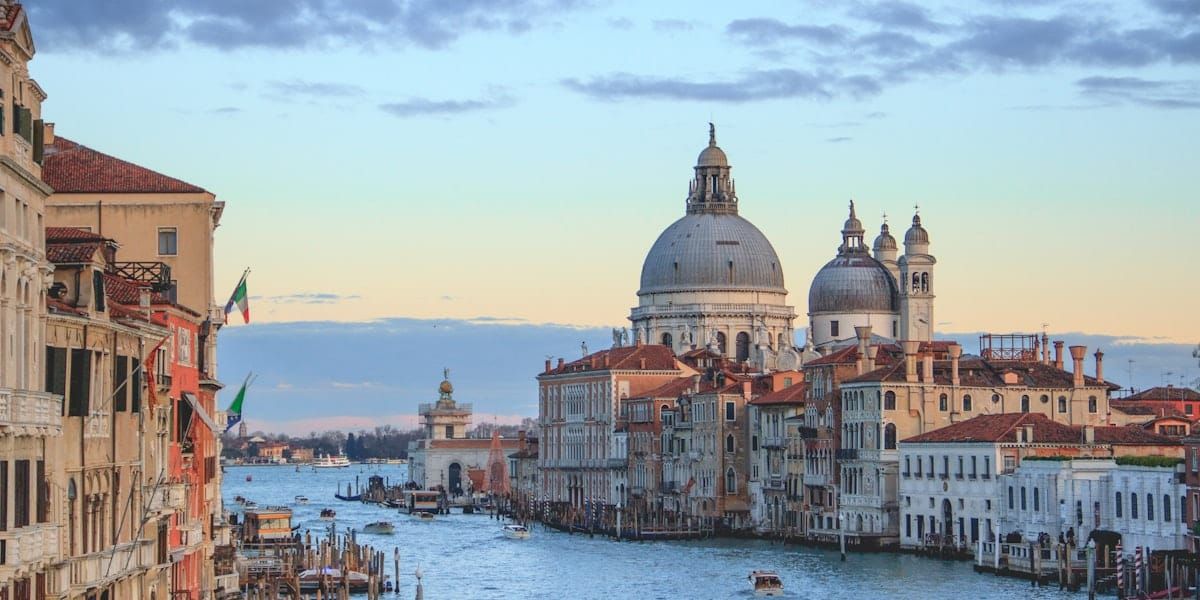
Italy Honeymoon Rail Loop
9 Nights · Italy · Honeymoon couple
A classic first-time Italy honeymoon as a rail loop from Milan: three nights in Rome, two in Florence, two in Venice, with an anniversary evening on a private gondola. No internal flights, no long drives.
Highlights: Colosseum, Forum & Palatine · Vatican Museums & Sistine Chapel · Uffizi Gallery · Private gondola in Venice · Murano & Burano islands · Milan Duomo rooftop
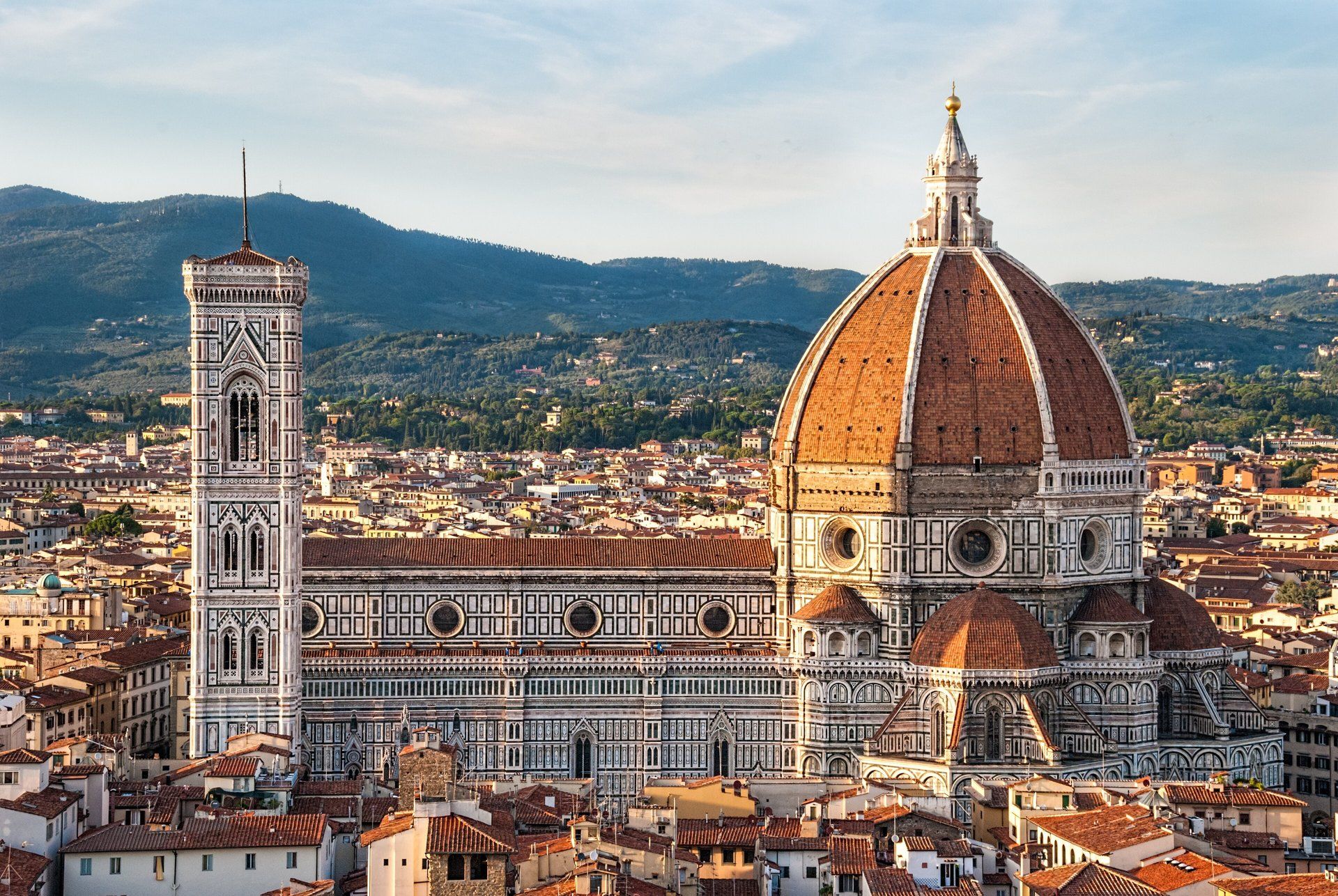
Swiss Alps to Venice, Florence & Rome
10 Nights · Switzerland · Italy · Couple
The showpiece Swiss rail journeys — Glacier Express, Bernina Express and Jungfraujoch — flow straight into Venice, Florence and Rome. An all-rail arc pairing Alpine scenery and Matterhorn views with Italy's greatest art cities and ancient monuments.
Highlights: Jungfraujoch, the Top of Europe, from Interlaken · Glacier Express from Zermatt to Chur · Bernina Express from Chur to Tirano · Mt Pilatus and Gornergrat for Matterhorn views · Doge's Palace on Venice island and the Uffizi in Florence · Vatican Museums and the Colosseum in Rome
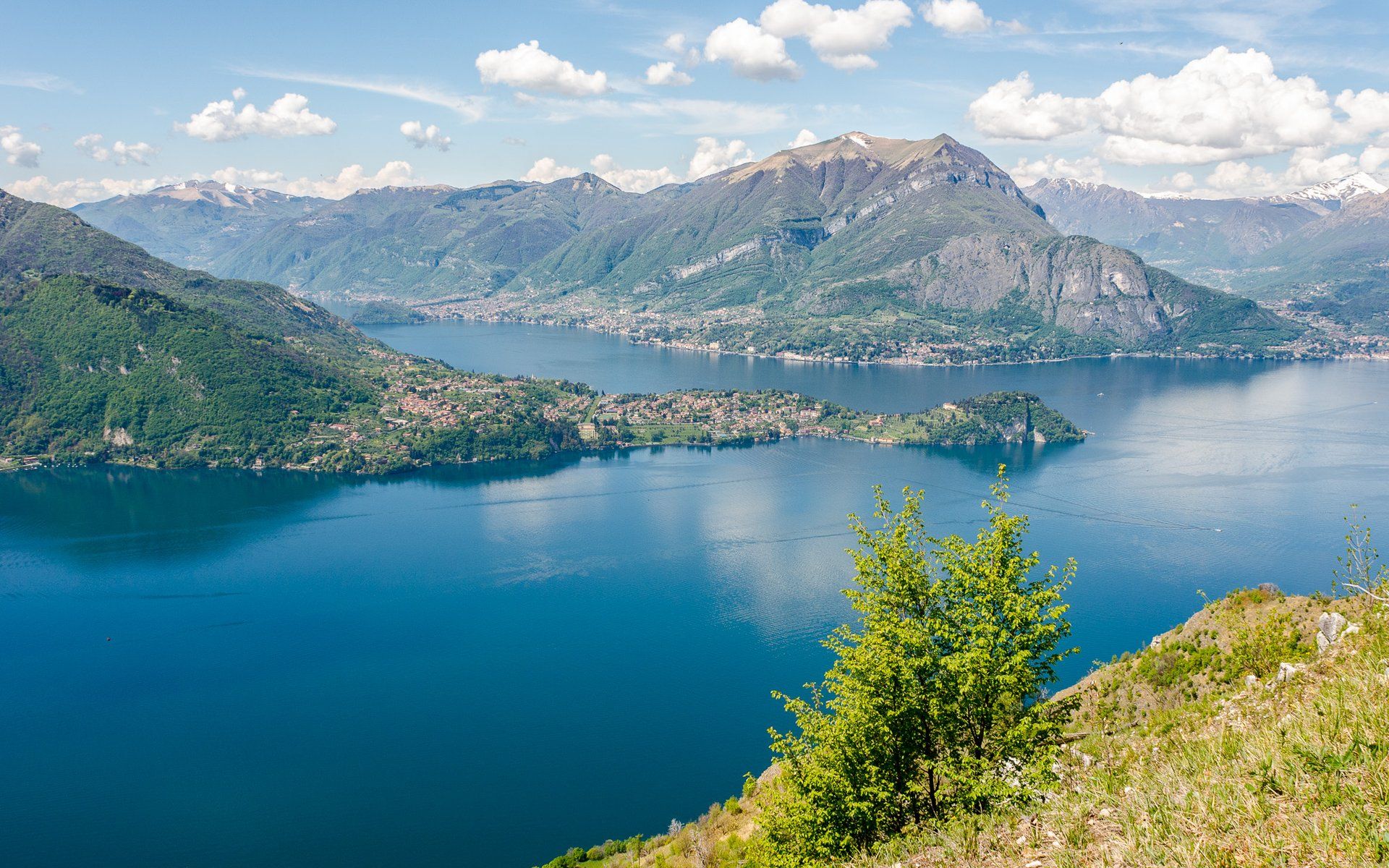
Italy Honeymoon: Rome, Florence, Venice & a Lake Como Finale
11 Nights · Italy · Couple · honeymoon
A classic first-time Italy honeymoon on the Frecciarossa rail spine - ancient Rome, Renaissance Florence, the canals of Venice, and a romantic three-night Lake Como finale. The anniversary falls on a full, unhurried day in Venice, capped by a private gondola ride at dusk.
Highlights: The Colosseum, Roman Forum and the Vatican's Sistine Chapel · Florence's Uffizi, Michelangelo's David and a Piazzale Michelangelo sunset · St Mark's Basilica and the Doge's Palace in Venice · A private dusk gondola ride for the anniversary · Bellagio and Villa del Balbianello on Lake Como · The whole route on Italy's high-speed Frecciarossa trains
Pair the highlights of Toscana into one easy trip — we'll plan the route.
WhatsApp
Contact Us
Get in touch with us.
Get in touch
Contact Us
Tell us where you'd like to go and how you like to travel. A real Tripcuro planner — not a bot — will craft an itinerary around you.
- Personalised, hassle-free planning end-to-end
- Transparent pricing, no hidden costs
- 24/7 support for complete peace of mind