
Cinque Terre National Park
Liguria, Italy
Why visit Cinque Terre National Park?
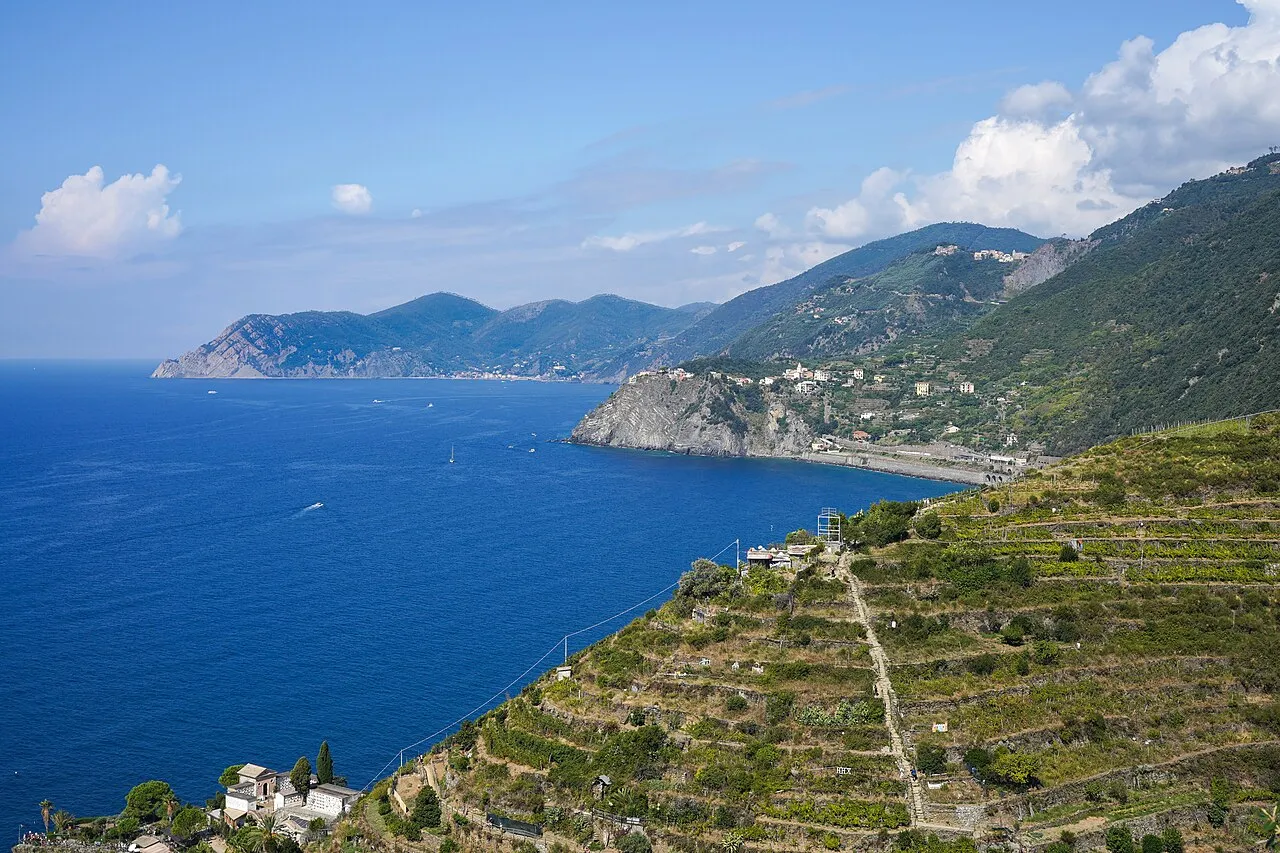
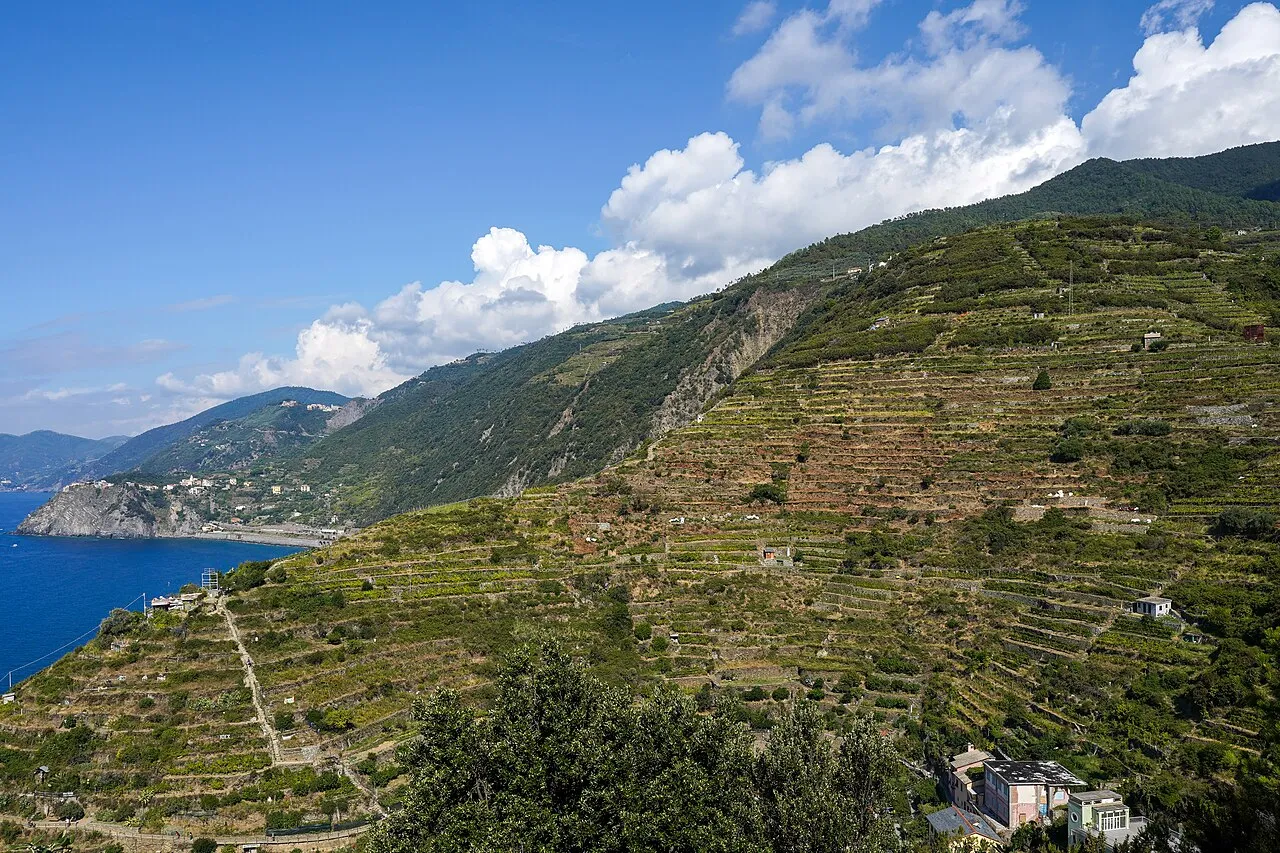
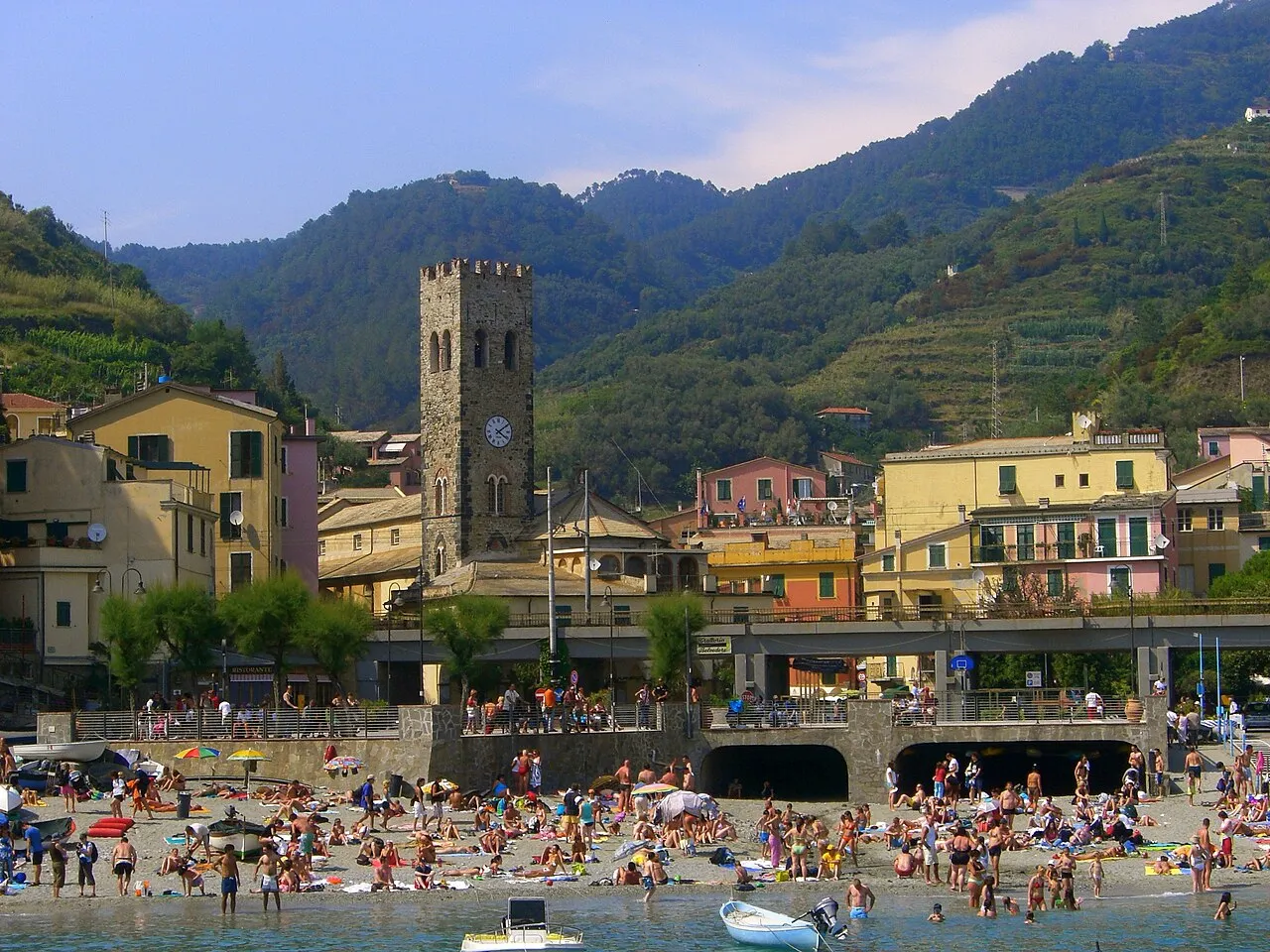
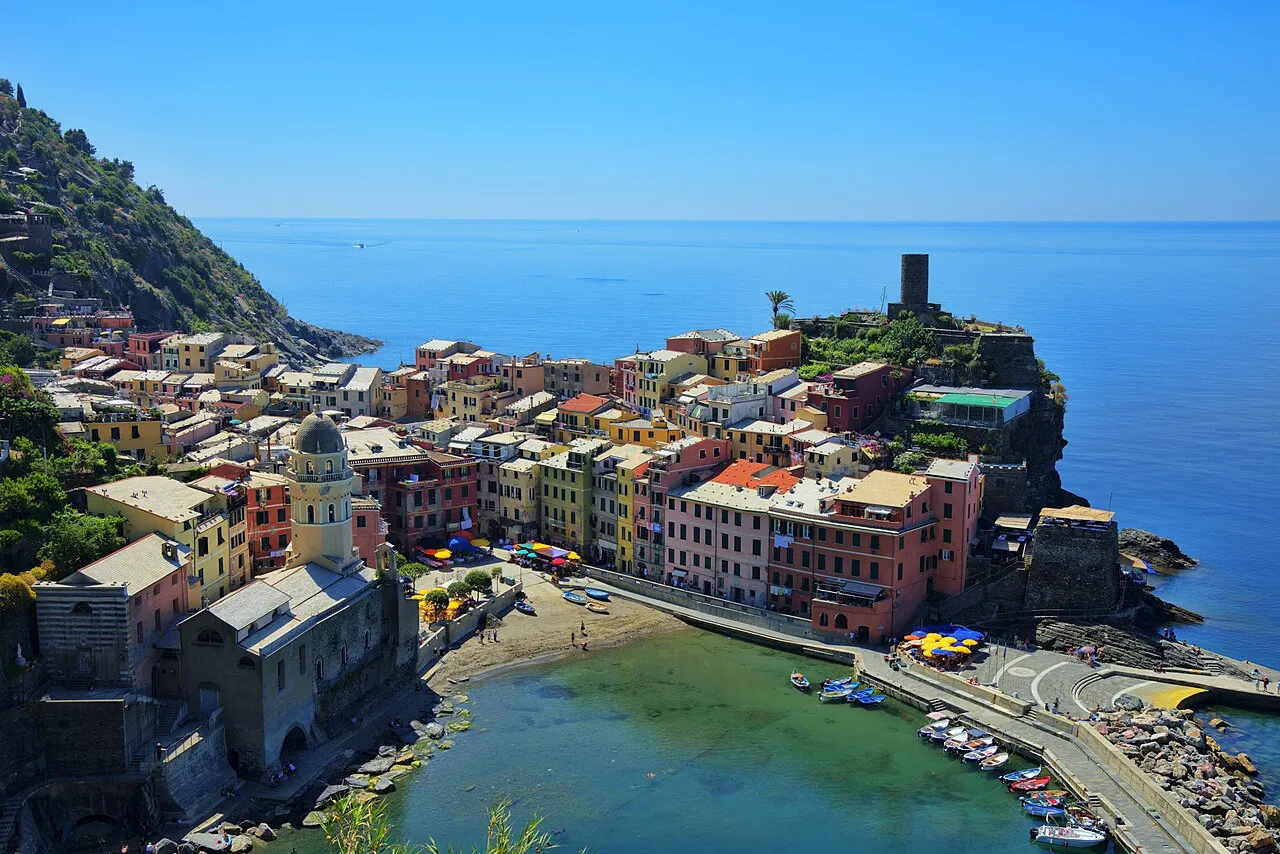
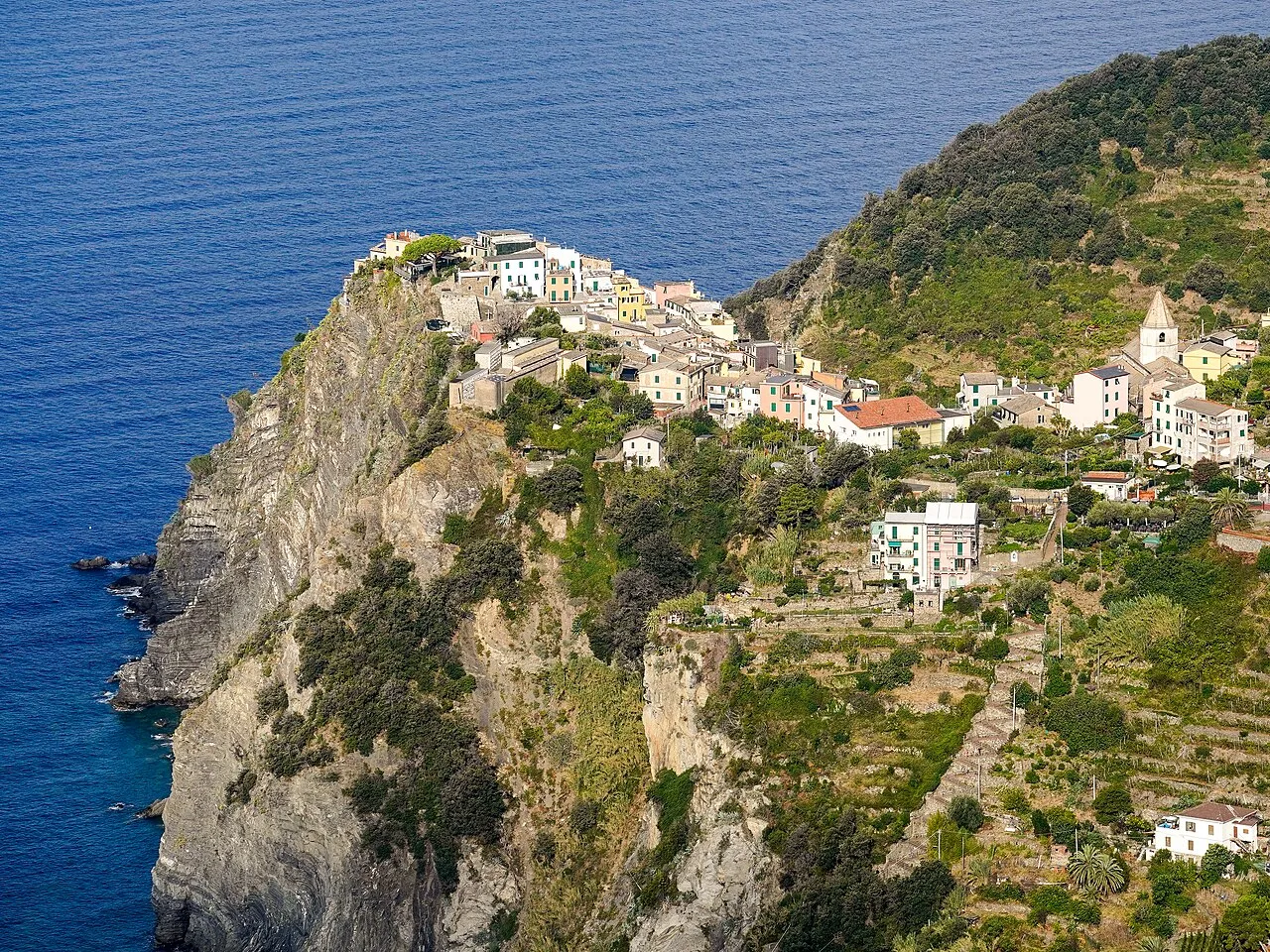
Cinque Terre National Park (Parco Nazionale delle Cinque Terre) is a UNESCO World Heritage Site stretching along a dramatic 18-km stretch of the Ligurian coast between La Spezia and Levanto in northwestern Italy. Established in 1999, it is Italy's smallest national park by area but one of its most visited, encompassing five medieval fishing villages — Monterosso al Mare, Vernazza, Corniglia, Manarola, and Riomaggiore — plus roughly 4,000 hectares of terraced hillsides, Mediterranean scrubland, and coastline. The terraces, carved into near-vertical cliffs over a thousand years and held in place by an estimated 6,700 km of dry-stone walls, are themselves a monument to human ingenuity and the reason the landscape looks the way it does.
The park's character is defined by the interplay of sea, stone, and vineyard. The five villages cling to ravines and headlands, connected by a web of ancient mule tracks (sentieri) that climb through olive groves, lemon orchards, and terraced vineyards producing Sciacchetrà, a prized passito dessert wine. The coastline is almost entirely cliff — there are very few sandy beaches, and the water drops off quickly, making it excellent for snorkelling and diving. Cars are largely useless here: the villages are car-free or nearly so, and the park is experienced on foot, by train, or by boat.
The Mediterranean climate means mild winters and warm, dry summers. Summer highs reach 28–30 °C, with July and August the hottest months. Winter lows rarely drop below 5 °C but the coast can be windy and wet from November through February. Spring and early autumn are the sweet spots — pleasant temperatures (18–25 °C), manageable crowds, and the terraced landscape at its most photogenic. Heavy rain in autumn and winter can trigger landslides that close hiking trails, sometimes for months.
Photo gallery
A closer look at Cinque Terre National Park.
Planning Cinque Terre National Park? Tell us your dates and we’ll tailor the trip.
Ask on WhatsAppHow do you get there?
By Plane
The nearest airport is Pisa Galileo Galilei (PSA), about 90 km southwest. From Pisa airport, take the PisaMover automated shuttle (€5.00, 8 min) to Pisa Centrale station, then a regional train to La Spezia Centrale (1 hr 10 min, around €8.50). Alternatively, Genoa Cristoforo Colombo (GOA) is roughly 120 km northeast, connected to La Spezia by regional trains via Genova Brignole (about 2 hr, around €10–12). Milan Malpensa (MXP) and Milan Linate (LIN) are farther (250+ km) but offer more international connections; take the Malpensa Express to Milano Centrale, then a high-speed Frecciabianca or InterCity train to La Spezia (3–3.5 hr, from €15–30 depending on class and booking time). From La Spezia, the five villages are a short local train ride away (see By Train below).
By Train
The gateway station is La Spezia Centrale, a major stop on the Genoa–Pisa–Rome line served by Trenitalia Frecciabianca, InterCity, and regional trains, as well as some Italo services. From La Spezia Centrale, the five Cinque Terre villages are served by Trenitalia regional trains on the La Spezia–Levanto line, running roughly every 15–30 minutes during the day. The journey takes 8–25 minutes depending on the village (Monterosso is the farthest at about 25 min; Riomaggiore is the closest at about 8 min). A single regional ticket is around €2.50–5.00 depending on destination.
The Cinque Terre Card (Treno version) combines unlimited train travel between Levanto and La Spezia (stopping at all five villages) with trail access and other park services. Since 2024 the Card is priced in seasonal bands rather than a single flat fare — an adult one-day Treno card runs roughly €18.50 in the low season up to the low-to-mid €30s at peak, with two-day cards proportionally higher; check the park's current price table at the station or online. It can be purchased at any of the five village stations or at La Spezia Centrale. The Card is mandatory for hiking the coastal Sentiero Azzurro (Blue Trail) and replaces the old system of trail-by-trail tickets. Without the Card, a standard regional ticket covers only the train.
Long-distance trains from major Italian cities: Milan (2.5–3.5 hr), Florence (2.5 hr), Rome (3.5–4 hr), and Turin (3.5–4 hr) all connect to La Spezia Centrale with at least one change (usually in Genoa or Pisa). Book Frecciabianca or InterCity tickets in advance on trenitalia.com for the best fares — regional trains don't require reservations and have fixed pricing.
By Car / Road
Driving to Cinque Terre is technically possible but strongly discouraged. The villages have extremely limited road access — narrow, winding cliff roads with hairpin turns and almost no parking. Monterosso has the largest car park (a pay lot above the old town, around €15–20/day in summer), but it fills early. The other villages either have a handful of roadside spots or a small pay lot reached via steep, narrow roads. The SP38 coastal road connects the villages but is not a practical through-route.
The practical approach is to drive to La Spezia and park there (multi-storey garages near the station charge around €12–18/day), then take the train. From La Spezia, the drive to any village is 15–30 minutes but the roads are nerve-wracking and parking is a headache. From Genoa, take the A12 motorway exit at La Spezia (about 1.5 hr). From Pisa, the SS1 Aurelia coast road is scenic but slow (1.5 hr); the A12 motorway via the La Spezia exit is faster.
There are no direct bus services from major cities into the villages. The local ATL bus network within La Spezia province connects La Spezia to some hilltop towns above Cinque Terre, but the villages themselves are best reached by train.
On foot is the primary way to experience the park. The trail network totals roughly 120 km of marked paths, from the famous coastal Sentiero Azzurro (Blue Trail, SVA) to high-altitude ridge trails like the SVA-2 (Sentiero Rosso) and the Santuario trail linking hilltop sanctuaries. The coastal trail sections between villages take 45 minutes to 2.5 hours depending on the segment and your fitness — the Via dell'Amore (Riomaggiore–Manarola) is the easiest and shortest; closed after a 2012 landslide, it fully reopened in summer 2024 as a managed, ticketed path with timed entry, so check current hours and book ahead in peak season. The upper trails (SVA-2) are more strenuous but less crowded and offer panoramic views.
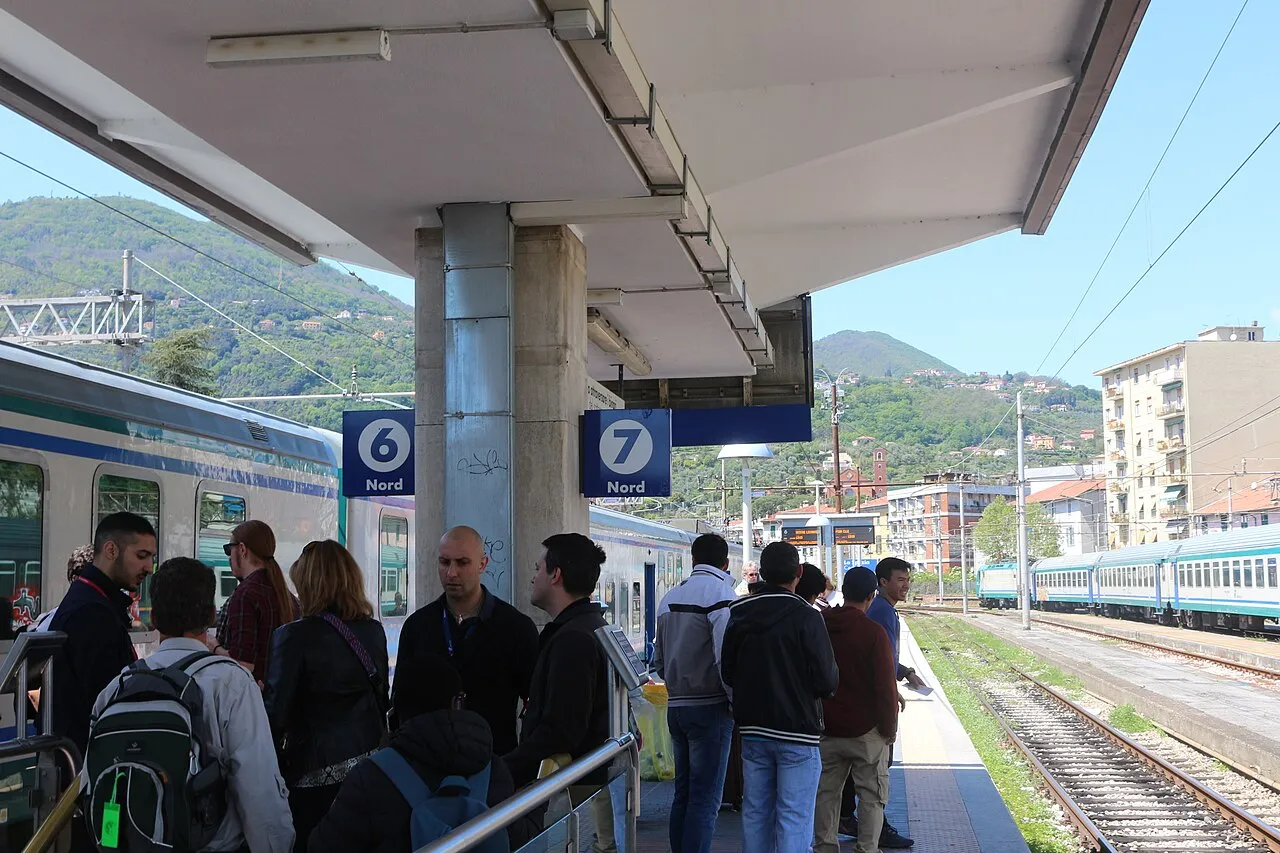
By train: the five village stations are on a single track, and trains shuttle back and forth frequently. The stations are small, and the platforms fill fast in peak season — buy your Cinque Terre Card or validate your ticket before boarding (stamp it at the yellow machines on the platform). The stations are integrated into the villages: Riomaggiore and Manarola stations are steps from the waterfront; Vernazza station opens directly onto the main street; Corniglia station is at sea level, requiring a climb of 382 steps (or a shuttle bus) to reach the village perched above; Monterosso station is in the new town, a short walk to the old town.
By boat: a ferry service (Navigazione Golfo dei Poeti) runs between the five villages from Easter through mid-October (weather permitting). It does not stop at Corniglia (which has no harbour). A one-way ticket is around €10–15, and a day pass roughly €25. The ferry offers spectacular coastal views and avoids the packed trains. Boats are subject to cancellation in rough seas.
By taxi/ride-hailing: there are no ride-hailing apps operating within the villages. A few taxi services operate from La Spezia, but they are expensive for reaching the villages and cannot navigate the car-free village centres. Not a practical option.
Scams to watch: unofficial "trail guides" or "tour operators" at train stations offering overpriced guided walks — the trails are well-marked and free with the Cinque Terre Card. Pickpockets operate on crowded trains and in the villages during peak season.
What are the things to do?
The Five Villages — each has a distinct personality and is worth visiting on foot:
- Monterosso al Mare — the largest village and the only one with a real sandy beach (Fegina beach, free section and lido section charging around €15–25 for a sunbed). The old town has the 16th-century Torre Aurora, a Genoese watchtower on the headland, and the striking Giant statue (Il Gigante), a crumbling concrete sculpture embedded in the cliff. The parish church of San Giovanni Battista features a striking black-and-white-striped Ligurian Gothic façade.
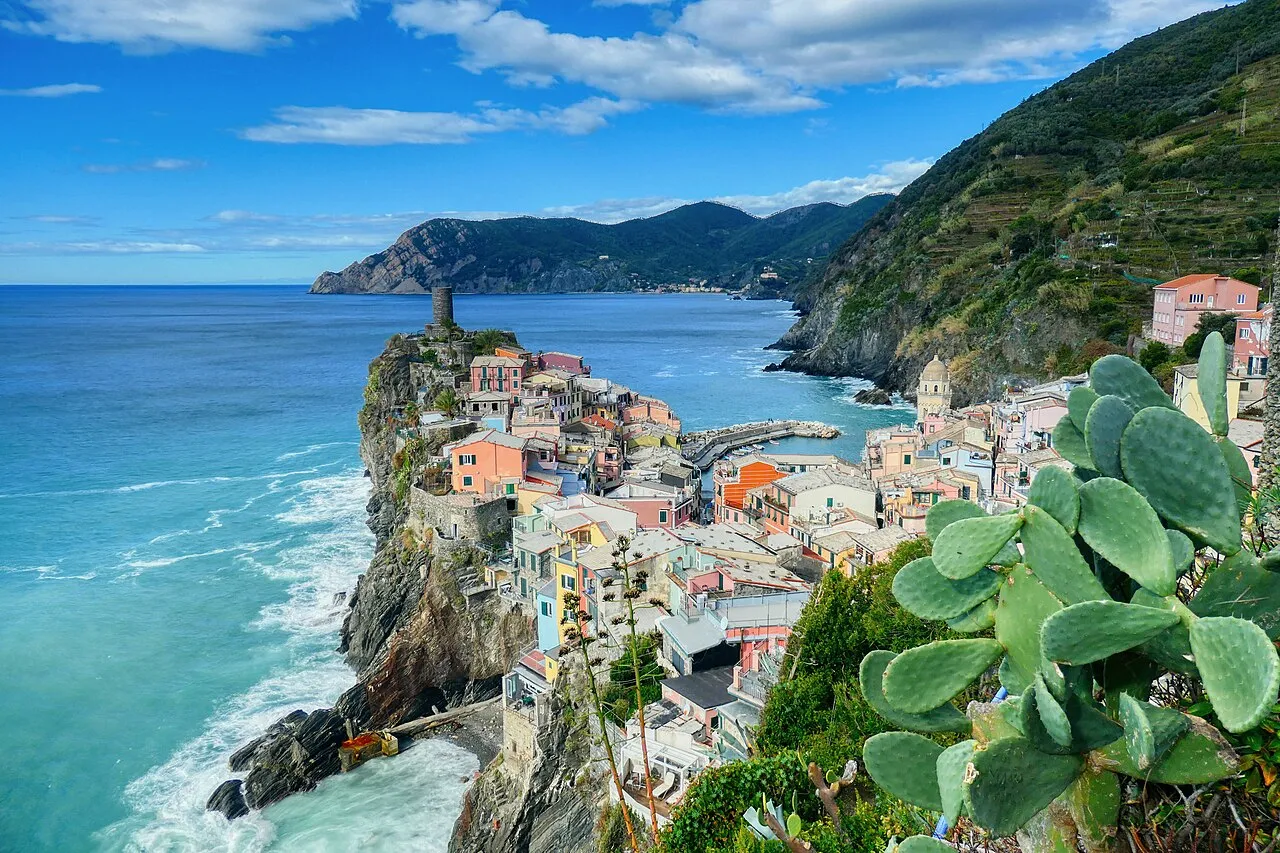
- Vernazza — often called the prettiest of the five, with a natural harbour dominated by the medieval Doria Castle (Castello Doria), whose surviving watchtower is nicknamed Belforte. Climb the tower for panoramic views (small admission fee, around €2). The Church of Santa Margherita d'Antiochia, with its octagonal bell tower, sits right on the waterfront.
- Corniglia — the only village not on the waterfront, perched about 100 m above the sea on a rocky promontory. Reached from the station by the Lardarina, a brick stairway of 33 flights (about 382 steps), or by shuttle bus. Quieter and more local in feel, with narrow caruggi (alleyways) and terraced viewpoints. The Church of San Pietro, begun in 1334, is a fine example of Ligurian Gothic with a rose window.
- Manarola — famous for its colourful houses tumbling down to a tiny harbour and for hosting Italy's largest Christmas nativity scene (Presepe Vivente), a sprawling light installation on the hillside visible from late December through early January. The village is also the starting point for the Via dell'Amore.
- Riomaggiore — the southernmost village, built into a steep valley. The 13th-century Castle of Riomaggiore sits at the top and offers sweeping views. The tiny harbour, reached through a rock-cut tunnel, is one of the most photographed spots in Liguria.
Hiking Trails:
- Sentiero Azzurro (Blue Trail, SVA): the iconic coastal path connecting all five villages. The easiest segment (Riomaggiore–Manarola, the Via dell'Amore) is flat and paved and reopened in summer 2024 with ticketed, timed entry; the hardest (Monterosso–Vernazza) climbs steeply and takes about 2 hours. The Cinque Terre Card is required for the trail.
- Sentiero Rosso / SVA-2 (High Trail): the high-altitude alternative, running along the ridge from Portovenere to Levanto via Santuario di Montenero and Santuario della Madonna di Reggio. More strenuous but far less crowded, with sweeping views of the entire coast.
- Sanctuary walks: each village has a hilltop sanctuary (santuario) reachable by trail — these make excellent half-day hikes. The path from Vernazza to the Santuario di Nostra Signora di Reggio is particularly scenic, winding through olive groves and chestnut forests.
Beaches and coastline: beyond Monterosso's main beach, small pebble coves dot the coast — Guvano Beach (near Corniglia, formerly a naturist beach, access via tunnel may be restricted) and the rocky swimming spots at Vernazza and Manarola. The water is clean, clear, and excellent for snorkelling, though the sea floor drops off quickly and there are no lifeguards at most spots.
- Hike the full Sentiero Azzurro end to end (Riomaggiore to Monterosso or vice versa) — budget a full day with stops in each village. Start early in summer to avoid midday heat and the worst crowds.
- Take the coastal ferry from one end to the other for a completely different perspective. The views of the villages from the sea, terraces cascading down sheer cliffs, are unforgettable.
- Visit a winery on the terraced hillsides. Several small producers offer tastings of Cinque Terre DOC whites (pigato, albarola, bosco grapes) and Sciacchetrà. Ask at your accommodation or look for agriturismo signs along the upper trails.
- Cooking classes — a handful of local operators offer Ligurian cooking classes (focaccia, pesto, trofie pasta, farinata) typically lasting 2–3 hours and costing around €60–100 per person.
- Kayaking and boat tours — sea kayaking along the coast (guided tours from around €40–60) is a memorable way to explore the caves, coves, and cliff faces inaccessible on foot. Sunset paddles are especially popular.
- Snorkelling and diving — the protected marine area has clear water and rich biodiversity. Snorkelling is possible from any rocky cove; guided diving trips operate from La Spezia and Levanto.
- Day trip to Portovenere — the picturesque town south of Riomaggiore, with its striped church of San Pietro perched on a headland, is reachable by ferry (30 min) or bus from La Spezia. The tiny islands of Palmaria, Tino, and Tinetto lie just offshore.
- Walk the Via dell'Amore — this flat, paved 1-km path between Riomaggiore and Manarola, carved into the cliff face, is the most famous section of the trail network. Shut for over a decade after a 2012 landslide, it reopened in summer 2024 as a ticketed path with timed-entry slots; book ahead in peak season and check current hours.
Planning Cinque Terre National Park? Want these on a customised itinerary?
Ask on WhatsAppWhere to eat?
Ligurian cuisine is simple, fresh, and seafood-forward. The staples are pesto trofie (twisted pasta with basil pesto), focaccia di Recco (paper-thin cheese-filled flatbread — a PDO specialty from the nearby town of Recco), farinata (chickpea flatbread), and fritto misto (mixed fried seafood — anchovies, calamari, prawns). Anchovies (acciughe) are a local obsession, prepared salted, marinated, or fried.
Budget (under €15 per person):
- Il Pirun (Vernazza) — a tiny, no-frills focacceria and takeaway on the main street. Excellent focaccia, farinata, and fried seafood cones. Eat on the harbour wall.
- Alimentari and bakeries in every village sell focaccia, pizza al taglio (by the slice), and panini for €3–6. Assemble a picnic with local cheese, olives, and anchovies from an alimentari.
Mid-range (€15–35 per person):
- Ristorante Belforte (Vernazza) — built into a medieval watchtower with terrace views over the harbour. Fresh seafood pasta and anchovy dishes. Book ahead in summer.
- Trattoria dal Billy (Manarola) — a local favourite perched above the village with terrace seating. Known for seafood risotto and the catch of the day. Mains around €14–20.
- La Lanterna (Monterosso, old town) — established Ligurian restaurant serving trofie al pesto, stuffed mussels, and mixed seafood platters. Mains €12–18.
Upscale (€35+ per person):
- Ristorante Miky (Monterosso, Fegina) — a refined seafood restaurant with a creative take on Ligurian classics. Tasting menus available. Mains €18–28, tasting menu around €50–60.
- Nessun Dorma (Manarola) — more famous for its terrace views than for fine dining, but the bruschetta boards, local wine, and sunset panorama make it an experience. Expect queues in summer.
Dietary notes: vegetarian options are solid — pesto, focaccia, farinata, vegetable torte, and caponata are all Ligurian staples. Vegan and gluten-free options are harder but not impossible; restaurants are increasingly aware. Halal and kosher options are very limited — self-catering from alimentari is the safest bet.
Where to drink?
Wine: Cinque Terre DOC is a dry white blend of local grape varieties (pigato, albarola, bosco), typically crisp and mineral. It pairs perfectly with seafood and costs around €4–6 a glass in restaurants. Sciacchetrà, the sweet passito, is served in small pours as a digestif (€6–10 a glass). Ask for it at any cantina or restaurant.
Limoncino: the Ligurian cousin of limoncello, often made with lemons grown on the terraces. Served chilled as an after-dinner digestif.
Craft beer: not a tradition here, but a few bars in Monterosso and Vernazza stock Italian craft beers (€4–6).
Coffee: espresso culture is strong. A caffè at a bar counter costs €1.00–1.50; a cappuccino €1.50–2.00. Avoid sitting on a terrace in a prime location if you're watching your budget — the same coffee can cost €3–4 with a view.
Water: tap water is safe to drink throughout the park. Public fountains (fontanelle) are found in every village and along the hiking trails — bring a refillable bottle. There is no need to buy bottled water.
Bars worth knowing:
- Nessun Dorma (Manarola) — the most photographed bar terrace in Cinque Terre, perched above the harbour. Famous for its pesto bruschetta and Aperol spritz with a view.
- Enoteca Eliseo (Monterosso old town) — a proper wine bar with an excellent selection of local and regional Ligurian wines by the glass.
- Bar Gianni (Vernazza) — a local institution on the harbour, good for a quick espresso or an evening spritz.
Planning Cinque Terre National Park? We’ll book the stays and dining for you.
Ask on WhatsAppWhere to stay?
Accommodation in Cinque Terre is limited and expensive relative to the rest of Liguria, especially in summer. Book well ahead for July–August. Many properties are family-run B&Bs and affittacamere (room rentals) rather than conventional hotels. Staying in one of the five villages is the most atmospheric option, but La Spezia and Levanto offer cheaper alternatives with easy train access (15–25 min).
Budget (under €80/night):
- Ostello Corniglia (HI Hostel) — a hilltop hostel in Corniglia with dorm beds from around €25–35 and private rooms from €60–70. Shared kitchen, terrace with sea views. The walk up from the village is steep.
- Mar-Mar Rooms (Riomaggiore) — a simple, clean guesthouse in the village centre. Doubles from around €60–80 in shoulder season, higher in summer.
Mid-range (€80–180/night):
- Albergo Barbara (Vernazza) — a small family-run hotel right on the harbour. Simple rooms with sea-view balconies. Doubles from €100–160 depending on season.
- Locanda Il Maestrale (Monterosso old town) — a charming, recently renovated inn in a medieval building. Doubles from €120–180. Breakfast included.
Upscale (€180+/night):
- Hotel Porto Roca (Monterosso) — a 4-star hotel perched on the cliff above the old town with spectacular sea views, a swimming pool, and garden. Doubles from €200–350 in peak season.
- La Torretta Lodge (Manarola) — a boutique property in a restored medieval tower. Stylish rooms with terraces overlooking the village and sea. Doubles from €220–320. Adults only.
What should you buy?
Cinque Terre's shopping is modest — these are small fishing villages, not commercial centres. What you will find:
- Sciacchetrà — the park's signature dessert wine, made from dried grapes (passito method) on the terraced vineyards. A half-bottle from a local cantina runs €20–40 and is an excellent souvenir. Buy direct from producers along the upper trails or in village shops.
- Local olive oil — Ligurian extra-virgin olive oil, made from the taggiasca olive, is milder and fruitier than Tuscan varieties. Small bottles (500 ml) from around €8–12.
- Pesto — Liguria is the birthplace of pesto alla genovese. Buy jars of pesto made with local basil (Basilico Genovese DOP) for around €5–8.
- Limoncino and grappa — local limoncello-style liqueurs and grape pomace spirits from small producers.
- Handmade ceramics and painted tiles — typical Ligurian souvenirs, especially in Vernazza and Monterosso.
- Postcards, prints, and photography — the villages' photogenic qualities mean there is no shortage of artwork for sale.
There are no large markets. Small alimentari (grocers) stock local products and are useful for assembling a picnic. Bargaining is not customary — prices are fixed in shops.
Where to go next?
- Portovenere (15 km south, 30 min by ferry or 25 min by car/bus from La Spezia) — a UNESCO-listed coastal town with the dramatic striped church of San Pietro on a headland, a medieval castle, and boat access to Palmaria island. Often called the "sixth village" of Cinque Terre.
- Levanto (6 km north of Monterosso, 5 min by train) — a laid-back beach town with a long sandy beach, good surf, and a medieval old town. Cheaper accommodation than the five villages and a gateway to the northern trails.
- Portofino (75 km northeast, 1.5 hr by train + bus or ferry) — the iconic Ligurian resort village with pastel-coloured houses around a harbour, upscale boutiques, and the Parco di Portofino nature reserve. Reachable by ferry from La Spezia in season (scenic but slow) or by train to Santa Margherita Ligure and a short bus ride.
- Genoa (100 km northeast, 1.5 hr by train) — Liguria's capital, a gritty, grand port city with one of Europe's largest medieval old towns, the Aquarium of Genoa (Italy's largest), world-class art museums, and outstanding street food (focaccia, farinata, friggitorie).
- Lucca (90 km southeast, 1.5 hr by train via Pisa) — a walled Tuscan city with a perfectly preserved Renaissance centre, tree-lined ramparts you can cycle on top of, and excellent Lucchese cuisine. An easy day trip from La Spezia.
- Carrara marble quarries (70 km southeast, 1 hr by car) — the source of Michelangelo's marble, with dramatic white quarries carved into the Apuan Alps. Guided tours of the quarries and visits to the town of Carrara with its marble-paved piazzas.
Nearby in Liguria
More places to explore around Cinque Terre National Park.
Guide content as of July 2026.

Contact Us
Get in touch with us.
Get in touch
Contact Us
Tell us where you'd like to go and how you like to travel. A real Tripcuro planner — not a bot — will craft an itinerary around you.
- Personalised, hassle-free planning end-to-end
- Transparent pricing, no hidden costs
- 24/7 support for complete peace of mind