
Piemonte
Italy · Region · 32 destinations with guides
Photography coming soonWhy visit?
Piemonte (Piedmont) is a region in northwest Italy, surrounded on three sides by the Alps — from Monte Rosa in the north to Monviso in the south — and bordering France and Switzerland. The region's capital, Turin, was the first capital of modern Italy and host of the 2006 Winter Olympics, a grand Baroque city with world-class museums and a thriving food scene. Beyond Turin, Piemonte unfolds into rolling vineyard-covered hills, alpine valleys, shimmering lakes, and charming medieval towns that together make it one of Italy's richest and most rewarding regions for travellers.
The landscape divides broadly into three zones: the Alpine arc in the north and west (home to major ski resorts like Sestriere and Bardonecchia), the great Po plain stretching across the eastern provinces of Novara and Vercelli (with rice paddies as far as the eye can see), and the famous Langhe, Roero and Monferrato hills in the south-central area — a UNESCO World Heritage vineyard landscape that produces some of Italy's greatest wines, including Barolo, Barbaresco, Barbera and Moscato d'Asti. Lake Maggiore, Italy's second-largest lake, forms the region's northeastern border.
Piemonte's heritage is deeply tied to the House of Savoy, whose monarchs built an extraordinary network of palaces, hunting reserves (now nature parks), and the royal residences that form a UNESCO World Heritage chain across the region. The piemontesi (locals) are famously friendly and down-to-earth, with a strong regional identity expressed through their dialect (Piemontese, recognised as a regional language by the European Union), their fierce pride in local food and wine, and a tradition of industrial innovation that made Turin the home of Fiat and Italy's automotive capital.
When is the best time to visit?
Late spring (May–June) and early autumn (September–October) are ideal: the vineyards are lush and green, temperatures are pleasant (18–25°C), and the famous wine harvest (vendemmia) and truffle season make autumn particularly magical. The Alba White Truffle Fair (October–November) draws food lovers from around the world. Summer (July–August) brings warmth (28–33°C) and long days — Lake Maggiore and the mountain valleys are at their best, though the plains can be humid. Winter (December–March) is the ski season: the Via Lattea (Milky Way) area around Sestriere hosted the 2006 Winter Olympics and offers extensive pistes; Bardonecchia and Limone Piemonte are excellent alternatives. The Palio di Asti (third Sunday of September) is a thrilling bareback horse race. Carnival season in February brings colourful celebrations to towns throughout the region.
Tell us your dates and we'll shape a Piemonte route around them.
WhatsAppHow do you get around?
Turin is the hub of Piemonte's transport network. The region has an excellent rail system: Trenitalia and regional trains connect Turin to all provincial capitals — Turin to Novara (55 minutes), Asti (40 minutes), Cuneo (1 hour 15 minutes), Alba (1 hour), Alessandria (50 minutes), and Vercelli (50 minutes). The Turin–Milan high-speed line takes just 45 minutes.
For the wine country, lakes, and mountains, a car is strongly recommended. The A4 (Turin–Milan) and A5 (Turin–Aosta) motorways are efficient, and the A6 (Turin–Savona) provides access to the Ligurian coast. Distances within the region: Turin to Alba is 65 km (1 hour), Turin to Stresa on Lake Maggiore is 100 km (1 hour 15 minutes), Turin to Sestriere is 100 km (1 hour 40 minutes). Local buses serve smaller towns, but frequencies are limited outside the main urban areas. Taxis are readily available in Turin and provincial capitals.
Where should you go?
- Turin — The elegant first capital of Italy, with the Museo Egizio (world's second most important Egyptian museum), the National Cinema Museum housed in the spectacular Mole Antonelliana, grand Baroque piazzas, and a legendary café and chocolate culture.
- Alessandria — A city and province in the southeast, gateway to the Monferrato wine country, with the nearby Roman spa town of Acqui Terme.
- Asti — Centre of the Piedmont wine region, a medieval republic once known as the "City of 100 Towers" (around 15 still stand in the walled old city).
- Biella — A town with a strong tradition in wool and textile production, with a 13th-century fortified village (Candelo) nearby.
- Cuneo — Capital of Piemonte's largest province, set in a dramatic position where the Gesso and Stura rivers meet at the foot of the Maritime Alps.
- Novara — A city in the east of Piedmont with a striking Romanesque-Gothic basilica and a historic centre.
- Vercelli — One of Europe's oldest rice-growing centres, surrounded by vast risaie (rice paddies), with a Romanesque basilica.
- Verbania — The main city on the western shore of Lake Maggiore, with beautiful lakeside villas, gardens, and a large farmers' market.
- Alba — The gateway to the Langhe, famous for its white truffles, elegant wines (Barolo, Barbaresco), Roman walls, and as the birthplace of Nutella.
- Bra — A city between Cuneo and Turin, a centre of Piedmontese Baroque architecture and home to the Slow Food movement.
- Barolo — A small hilltop town south of Alba that gives its name to Italy's most celebrated red wine, with a wine museum in the castle.
- La Morra — A panoramic Langhe village with sweeping views over the vineyards and one of the region's best-known wine-producing communes.
- Neive — One of the most beautiful villages in Italy (Borghi più belli d'Italia), with medieval streets and Dolcetto vineyards.
- Barbaresco — A small village producing world-class Nebbiolo wines, with a tall medieval tower offering panoramic views.
- Cherasco — A handsome town with arcaded streets, a Baroque church, and a famous snail market.
- Saluzzo — A medieval town at the foot of Monviso with a well-preserved upper town (Castiglia) and an annual rare books fair.
- Orta San Giulio — A gem of a village on the shore of Lake Orta, with a car-free historic centre and a boat trip to the enchanting Isola di San Giulio.
- Candelo — A fortified ricetto (walled granary village) from the 13th century, one of the best-preserved in Europe.
- Chianale — A remote stone village in the Varaita valley near the French border, among the most atmospheric mountain hamlets in the Alps.
- Ostana — A tiny mountain village in the Po valley, dramatically revived from near-abandonment with eco-tourism initiatives.
- Stresa — A sophisticated lakeside town on Lake Maggiore, known for its Belle Époque hotels, gardens, and boat access to the Borromean Islands.
- Arona — The southernmost port on Lake Maggiore, with a lakeside promenade and the colossal remains of the Sancarlone statue.
- Domodossola — A town at the foot of the Alps with a Saturday market and the starting point of the Centovalli railway to Switzerland.
- Ivrea — Known for its 20th-century Olivetti architecture, a 12th-century castle, and its spectacular Carnival featuring an orange-throwing battle.
- Sestriere — A purpose-built ski resort at 2,035 m, centrepiece of the Via Lattea (Milky Way) ski area and host of the 2006 Winter Olympics alpine events.
- Susa — A town in the Susa valley with rich Roman ruins including an arch, aqueduct, and amphitheatre.
- Bardonecchia — A mountain town and large ski area that hosted the 2006 Winter Olympic snowboarding events, and the Italian entrance to the Fréjus Tunnel.
- Limone Piemonte — A small ski resort in the southwest near the French border, popular with weekenders from the Riviera.
- Moncalieri — A town just south of Turin with a 12th-century castle that is part of the UNESCO-listed Savoy royal residences.
- Pinerolo — A town west of Turin with a 9th-century church and a history as a centre of cavalry training.
- Oulx — A Susa valley town serving as a base for both winter skiing and summer hiking.
- Carema — A tiny village nestled in spectacular terraced vineyards clinging to rocky slopes, producing a distinctive Nebbiolo wine.
Want the scenic legs and stays booked for you? Just ask.
WhatsAppWhat should you eat?
Piemonte is one of Italy's supreme food regions. The cuisine is rich, butter-based (rather than olive oil), and built around local ingredients of extraordinary quality. Bollito misto — a grand platter of seven different boiled meats served with piquant sauces — is the definitive communal dish. Fritto misto alla piemontese combines fried meats, vegetables, and even sweet semolina into a single golden platter. Bagna càuda (warm garlic and anchovy dip) is a winter ritual, served communally with raw vegetables. Tajarin — thin hand-cut egg pasta — are served with butter and sage, or shaved white truffle in season. Agnolotti del plin are tiny pinched ravioli filled with braised meat.
White truffles from Alba are among the most expensive foods on earth — the Alba White Truffle Fair (October–November) is the world's premier truffle event. The region is also famous for agnolotti, risotto (the Vercelli rice paddies supply much of Italy), and panissa vercellese (risotto with beans and salami). Chocolate is a Piemonte speciality: Turin's cioccolatini and bicerin (layers of espresso, chocolate, and cream) are legendary, and the region gave birth to Nutella and Ferrero Rocher. Expect €12–22 for a pasta course and €15–28 for a main at a traditional trattoria.
What is the culture like?
Piemonte's cultural calendar revolves around wine, truffles, and time-honoured traditions. The Palio di Asti (third Sunday of September) is a bareback horse race through the central piazza, one of Italy's oldest palio traditions. The Ivrea Carnival (February) features a massive orange-throwing battle involving thousands of participants on foot and in horse-drawn carts — a UNESCO-recognised cultural event. The Alba White Truffle Fair (October–November) runs for eight weekends with tastings, auctions, and market stalls.
The region's arts heritage is concentrated in Turin: the Museo Egizio (Egyptian Museum) holds one of the world's finest collections of Egyptian antiquities; the National Cinema Museum in the Mole Antonelliana is housed in one of Italy's most iconic buildings; and the Galleria Sabauda houses the Savoy family's art collection. Piedmontese Baroque architecture — seen in Bra's churches, Asti's towers, and the royal residences — is a defining regional style. Local crafts include hand-woven textiles in Biella (the Italian wool capital), ceramics, and artisan chocolate-making.
Travelling during a festival? We'll plan around the crowds.
WhatsAppWhat are the standout experiences?
- Langhe wine and truffle touring — Drive the winding roads between Barolo, La Morra, Barbaresco, Serralunga d'Alba and Neive, stopping at cellars for tastings and at trattorias for white-truffle-shaved tajarin — the finest food-and-wine road trip in Italy.
- Lake Maggiore islands and gardens — Take a boat from Stresa or Verbania to the Borromean Islands (Isola Bella with its Baroque palazzo and terraced gardens, Isola dei Pescatori with its fishing village), and visit the botanical gardens of Villa Taranto.
- Centovalli railway (Domodossola to Locarno) — One of the most scenic rail journeys in Europe, crossing 100 valleys and gorges with spectacular Alpine views over a 2-hour ride between Domodossola and Locarno in Switzerland.
- Ivrea Carnival orange battle — Witness (or join) the extraordinary three-day orange fight in February, where teams on foot pelt teams in horse-drawn carts with oranges in a chaotic, joyful re-enactment of a medieval revolt.
- Monviso and the Po river source — Hike to the source of Italy's longest river at the foot of Monviso (3,841 m), a dramatic mountain pyramid visible from across the Piedmont plain, through pristine alpine landscapes and crystal-clear lakes.
Top Destinations
Every destination in Piemonte with a guide — tap a place for the full guide.
Alba
Alba is a town of approximately 30,000 people in the province of…
Alessandria
Alessandria is the largest city and the capital of the Province of…
Arona
Arona is a historic town situated on the Piedmontese shore of Lake…
Asti
Asti is the capital of the Province of Asti, situated in the heart of…
Barbaresco
Barbaresco is a small village of roughly 600 residents located in the…
Bardonecchia
Bardonecchia is a prominent alpine town and municipality located in…
Barolo
Barolo is a small, picture-perfect commune of about 700 residents…
Biella
Biella is the capital of the Province of Biella, situated in the…
Bra
Bra is a lively town of approximately 30,000 inhabitants located in…
Candelo
The Ricetto di Candelo is a remarkably well-preserved medieval…
Carema
Carema is a picturesque, historic village of approximately 750 people…
Cherasco
Cherasco is a charming destination in Piemonte, Italy.
Chianale
Chianale is a picturesque alpine village located at the head of the…
Cuneo
Cuneo is the capital and largest city of the Province of Cuneo in the…
Domodossola
Domodossola is a historic, charming town located in the northernmost…
Ivrea
Ivrea is a destination in Piemonte, Italy.
La Morra
La Morra is a destination in Piemonte, Italy.
Limone Piemonte
Limone Piemonte is a historic alpine resort town situated in the…
Moncalieri
Moncalieri is a historic town situated in the Metropolitan City of…
Neive
Neive is a destination in Piemonte, Italy.
Novara
Novara is a destination in Piemonte, Italy.
Orta San Giulio
Orta San Giulio is a picturesque, medieval village perched on a…
Ostana
Ostana is a small mountain village located in the upper Po Valley…
Oulx
Oulx (Occitan: Ours) is a historic town and municipality situated in…
Pinerolo
Pinerolo is a historic town of approximately 36,000 people situated…
Saluzzo
Saluzzo sits in the province of Cuneo in southwestern Piedmont…
Sestriere
Sestriere is a premier alpine resort town located in the western Alps…
Stresa
Stresa is a famous resort town of about 5,000 residents situated on…
Susa
Susa is a historic and scenic town nestled in the Susa Valley (Val di…
Turin
Turin (Italian: Torino, Piedmontese: Turin) is the capital of the…
Verbania
Verbania is a destination in Piemonte, Italy.
Vercelli
Vercelli is a charming destination in Piemonte, Italy.
Sample itinerary
See how a trip to Piemonte comes together — a real Tripcuro plan, day by day.
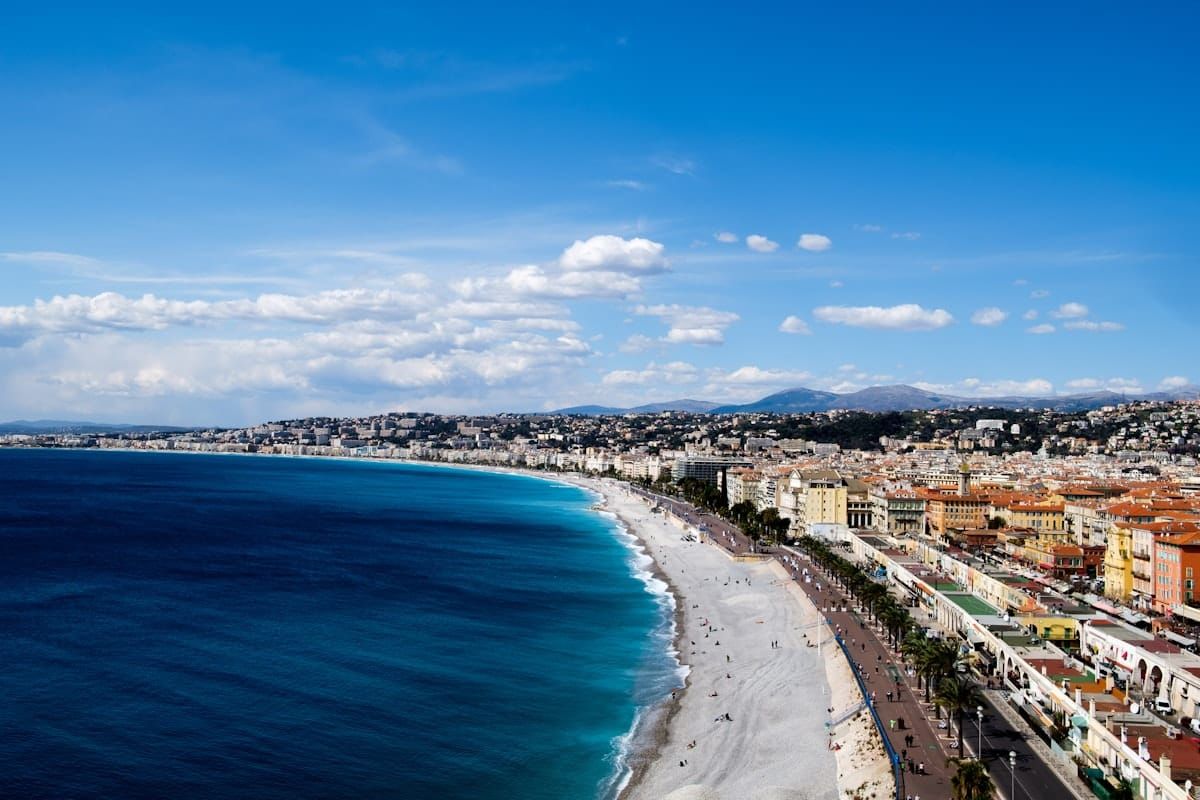
Alpine & Riviera Discovery: Lake Geneva to the Cote d'Azur
14 Nights · Switzerland · France · Italy · Monaco · Couple
A 14-night grand loop from Lake Geneva across the French Alps to Provence, the French Riviera, Italy's Piedmont and back through the Swiss Alps to the Swiss Riviera, connected by scenic high-speed and mountain trains.
Highlights: Aiguille du Midi cable car to 3,842m for 360-degree Mont Blanc views · TGV to Provence: the Papal Palace and the Roman Pont du Gard · French Riviera days in Nice, hilltop Eze and glamorous Monte Carlo · Gornergrat cogwheel railway for face-to-face Matterhorn views · Chateau de Chillon and the UNESCO Lavaux vineyard terraces
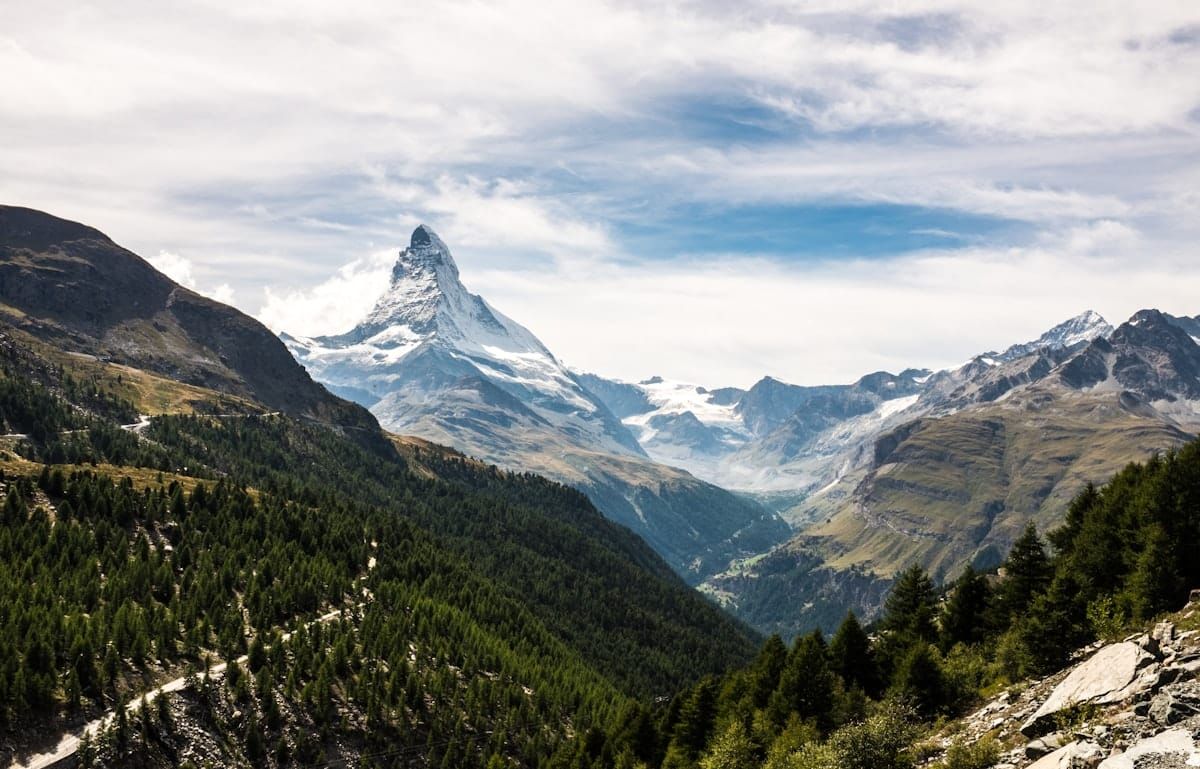
Matterhorn Alpine Crossing: Milan to Lucerne by Cable Car & Rail
9 Nights · Italy · Switzerland · Family - 6 travellers
Nine nights from Milan into the Italian Alps at Breuil-Cervinia, then over the Matterhorn by cross-border cable car into car-free Zermatt, on through Interlaken's peaks to lakeside Lucerne.
Highlights: Matterhorn Alpine Crossing: the world's highest cross-border cable car, Italy to Switzerland · Car-free Zermatt beneath the Matterhorn's pyramid peak · Jungfraujoch, the Top of Europe, at 3,454m by cogwheel railway · Schilthorn's revolving Piz Gloria and the James Bond 007 sets · Mount Pilatus Golden Round Trip: paddle steamer, steepest cog railway, gondola · Scenic finale over the Gotthard Panorama Express back to Milan
Pair the highlights of Piemonte into one easy trip — we'll plan the route.
WhatsApp
Contact Us
Get in touch with us.
Get in touch
Contact Us
Tell us where you'd like to go and how you like to travel. A real Tripcuro planner — not a bot — will craft an itinerary around you.
- Personalised, hassle-free planning end-to-end
- Transparent pricing, no hidden costs
- 24/7 support for complete peace of mind