
Ilan Boo
Heilongjiang Sheng, China
Why visit Ilan Boo?
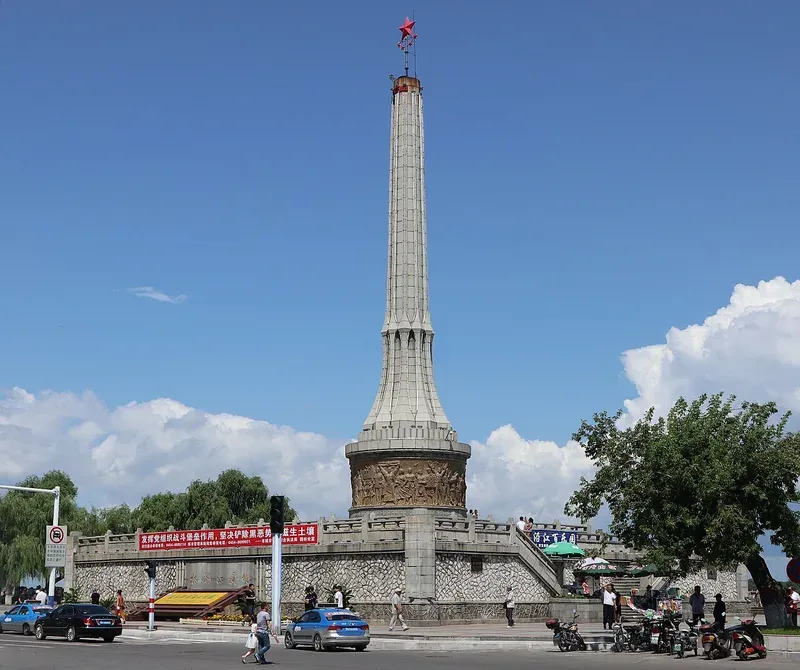
Ilan Boo — known in Mandarin as Yilan (ä¾?å…°) and historically as Sanxing (三姓, "Three Clans") — is a county-level town on the south bank of the Songhua River in eastern Heilongjiang, administered by Harbin. The name "Ilan" comes from the Manchu word for "three," a reference to the three Hala (clans) of Jurchen origin who were resettled here under the Qing. Long before the Manchus, the area was the heart of the Wuguo Cheng (五国城, "Five-Cities") confederation of Jurchen tribes, and it was here that the captive Song dynasty emperors Huizong and Qinzong were exiled and died after the Jingkang Incident of 1127. That layered history — Jurchen capital, Qing frontier garrison, Hezhe (Nanai) fishing settlement, then Northeastern railway town — gives Ilan a quiet, weather-beaten gravitas you don't find in the bigger Heilongjiang cities.
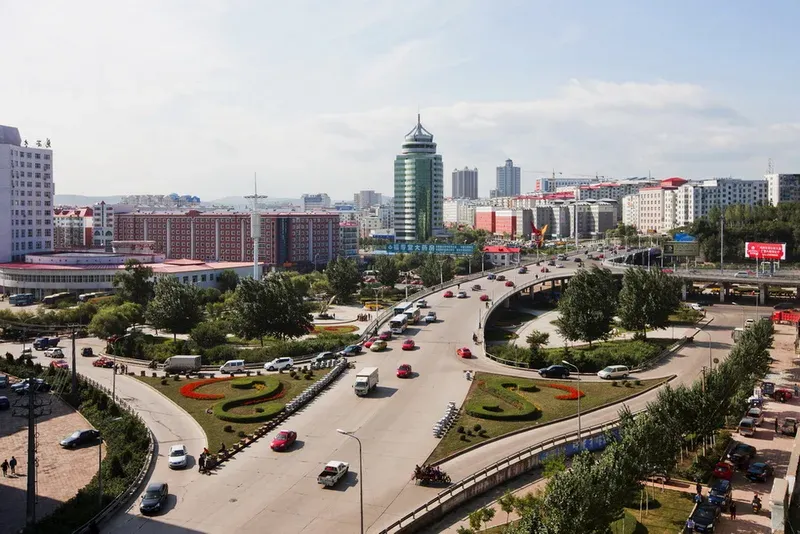
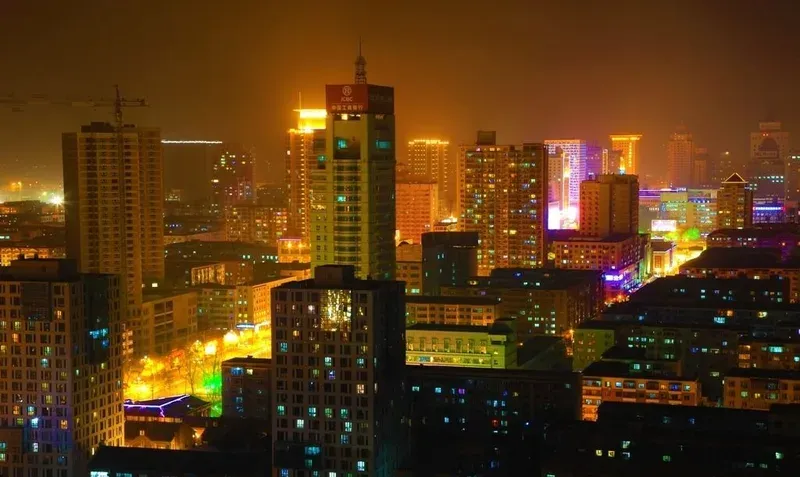
This is not a polished tourism town. Visitors come for the riverfront, the Wuguo Cheng ruins, the surrounding forests of the Lesser Khingan foothills, and the chance to see one of the more atmospheric small towns on the Songhua. The town itself is compact and walkable, strung along the river with the old centre around Wuguo Cheng Park and newer development to the south near the railway and bus stations.
Climate is sharply continental. Come in late May to early September for warm days (20–28 °C), green hills, and navigable rivers. October brings vivid autumn colour in the Danqing River valley. Winters are punishing — January averages around −20 °C and the Songhua freezes solid — but if you're chasing ice fishing or a stark Manchurian winter scene, that's the season. Avoid the mud months of late March/April and any heavy rain in July when the Songhua can flood low-lying roads.
Planning Ilan Boo? Tell us your dates and we’ll tailor the trip.
Ask on WhatsAppHow do you get there?
By Plane
The nearest airport is Harbin Taiping International (HRB), about 270 km west of Ilan. There is no direct airport bus; the standard route is airport shuttle or taxi into Harbin (around ¥100 by taxi, ~45 min), then onward by train or long-distance bus from Harbin East Railway Station or Nangang Bus Station. Jiamusi Dongjiao Airport (JMU) is a closer alternative, roughly 130 km northeast, with limited domestic connections to Beijing, Shanghai, and Harbin.
By Train
Yilan Railway Station sits on the Harbin–Jiamusi (Hajia) line. Multiple daily services connect to Harbin East (~3–4 hours, ¥40–80 hard seat) and Jiamusi (~1.5–2 hours, ¥20–40). Book through the China Railway 12306 app or website — foreign passports work for booking and station pickup. Trains fill quickly during Spring Festival, the October holiday, and summer weekends; reserve at least a few days ahead.
By Car / Road
Ilan is roughly 250–280 km east of Harbin via the G1011 Harbin–Tongjiang Expressway, a 3–3.5 hour drive on good toll-road surface. From Jiamusi, it's about 130 km west, around 1.5 hours. Long-distance buses run from Harbin Nangang Long-Distance Bus Station to Yilan several times daily (4–5 hours, around ¥80–100), and from Jiamusi (2 hours, ¥30–40). Roads are generally well maintained but expect ice and reduced visibility from November through March.
The town centre is walkable end-to-end in under half an hour. Local buses (¥1–2 flat fare) cover the main streets and reach the railway station and outer neighbourhoods. Taxis are cheap — flagfall around ¥5, and most cross-town trips run ¥10–20; agree on a fare or insist on the meter before getting in. DiDi (China's main ride-hailing app) works in Yilan but with fewer drivers than in big cities, so wait times can be 10–15 minutes. For trips out to the Danqing River area or Wuguo Cheng outskirts, hire a taxi by the half-day (negotiable, roughly ¥200–300). Scams are rare, but as anywhere in China, avoid unmarked "black cabs" loitering at the station, and have your destination written in Chinese characters — English is essentially not spoken.
What are the things to do?
Wuguo Tou Cheng Site (五国头城é?—å?€) — Ruins and reconstructed walls of the "First of the Five Cities" Jurchen settlement, the site where the captive Northern Song emperors Huizong and Qinzong were held. The on-site museum covers Jurchen and Jin dynasty history. Roughly 08:30–17:00, ticket around ¥30–40, central Yilan town.
Wuguo Cheng Historical Park (五国城é?—å?€å…¬å›) — Landscaped park surrounding the ruins, with stelae, a memorial to the exiled emperors, and views over the Songhua. Pleasant for a slow walk; free entry to the open park areas.
Sanxing Ancestral Hall / Old Town Streets (三姓è€?城) — What remains of the Qing-era Sanxing garrison town: a few restored gate sections, traditional courtyard fragments, and street markets in the old quarter. Best wandered on foot.
Songhua River Waterfront (æ?¾èŠ±æ±Ÿç•”) — The riverside promenade is the town's social heart in summer: families, fishermen, evening dancing. In winter, locals walk and ice-fish on the frozen river surface.
Danqing River Scenic Area (丹清河风景区) — A forested river valley about 60 km north of town in the Lesser Khingan foothills, with hiking trails, cliffs, and birch forests that turn gold in late September. Entry around ¥60–80; day trip by hired car.
Hezhe Ethnic Village exhibits — Small displays on the Hezhe (Nanai) fishing people, one of China's least populous recognised ethnic minorities, historically based along the Songhua and Ussuri.
Walk the Songhua riverfront at dusk in summer for the public-square scene: square-dancing aunties, kite flyers, kids on skates.
Cycle or hike around Wuguo Cheng Park — flat, quiet paths, good for a half-day with the museum.
Take a day trip to Danqing River for forest hiking and (in season) river boating; late September for autumn colour is the standout window.
Ice fishing on the frozen Songhua in January–February — locals drill holes through the metre-thick ice; you can rent gear from waterfront operators or simply watch.
Winter cross-border feel: Yilan in deep winter has the same hard, beautiful Manchurian winter as more famous destinations like Mohe or Yabuli, without the crowds.
Planning Ilan Boo? Want these on a customised itinerary?
Ask on WhatsAppWhere to eat?
Northeastern Chinese (东北è?œ) food rules the table here: hearty, garlicky, generous portions, and built for the climate. Expect stewed dishes, river fish, pickled cabbage (é…¸è?œ), potato-and-pork combinations, and lots of wheat — dumplings (饺å?), steamed buns, and hand-pulled noodles rather than rice.
Signature dishes to look for:
- Guo Bao Rou (锅包肉) — sweet-and-sour battered pork, a Heilongjiang classic.
- Xiao Ji Dun Mogu (å°?鸡炖蘑è?‡) — chicken stewed with wild hazel mushrooms and glass noodles.
- Songhua river fish — usually pan-fried whole or stewed with tofu (鲶鱼炖豆è…?, catfish-and-tofu stew).
- Suan Cai Bai Rou (é…¸è?œç™½è‚‰) — pickled cabbage with sliced pork belly, a winter staple.
- Dumplings (饺å?) — pork-and-cabbage or pork-and-fennel are standard.
Vegetarians can manage with eggplant, potato, tofu, and cold vegetable dishes (凉è?œ), but pork lard and stock are widely used — be specific (我å?ƒç´ / wÇ’ chÄ« sù). Halal (清真) options exist in town but are limited to a handful of Hui-run noodle and lamb shops; look for the green halal sign. Gluten-free is essentially unsupported.
Where to drink?
- Harbin Beer (哈尔滨啤酒) is the default everywhere, cheap and cold (¥5–10 a bottle in restaurants).
- Baijiu — northeastern brands like Beidacang (北大仓) are popular at the dinner table; expect to be toasted if you're drinking with locals.
- Kvass (格瓦斯) — a mildly fermented bread drink with a Russian-influenced Harbin heritage; sold in supermarkets, refreshing in summer.
- Tea and hot soy milk are standard breakfast drinks; proper cafés with espresso exist but are limited to a few spots near the centre.
Water safety: do not drink tap water. Bottled water is sold everywhere (¥2–3 for 500 ml); hotels provide a kettle and complimentary bottles. Ice in restaurants is rare in any case but worth avoiding outside reputable venues.
Planning Ilan Boo? We’ll book the stays and dining for you.
Ask on WhatsAppWhere to stay?
- Budget: Family-run guesthouses (家庭旅馆) and small inns near the railway station and town centre, typically ¥80–150 per night for a clean private room with shared or private bath. Look for kuaijie jiudian (å¿«æ?·é…’店) chains like 7 Days Inn (7天连é”?) or Hanting (汉庭) if a branch is operating in town.
- Mid-range: Local business hotels around the town centre, ¥200–350 per night, generally with breakfast, ensuite, and reliable wifi. The Yilan Hotel (ä¾?兰宾馆) type of state-style property is a typical option in this band.
- Upscale / heritage: Genuine upscale lodging is limited in Yilan itself; the top tier locally tops out around ¥400–600 per night at the best business hotel in town. For anything more, base in Harbin (3–4 hours west) where the Shangri-La, Sofitel, and the heritage Modern Hotel (马迭尔宾馆) on Central Street offer proper four- and five-star stays.
What should you buy?
Yilan isn't a shopping destination, but a few local specialities are worth picking up.
- Forest products from the Lesser Khingan: wild pine nuts, dried hazel mushrooms (榛蘑), black fungus (木耳), wild blueberry preserves, and lingzhi mushroom. The town markets and roadside stalls along the highway sell these.
- Freshwater fish products — smoked and dried Songhua River fish, sold at the riverfront and wet markets.
- Hezhe fish-skin handicrafts — small bags, wallets, or decorative pieces made from cured fish skin, a traditional Hezhe craft. Authenticity varies; buy from established cultural shops rather than tourist stalls.
- Markets: the main wet market near the town centre runs mornings; smaller seasonal vendors set up along the riverfront in summer.
Bargaining is normal in markets and with itinerant vendors (expect 20–30 % off opening prices); supermarkets and proper shops are fixed-price.
Where to go next?
- Jiamusi (佳木斯) — ~130 km / 1.5–2 hr by train. Larger prefectural city on the Songhua, gateway to the Sanjiang Plain wetlands and onward to Fuyuan.
- Harbin (哈尔滨) — ~270 km / 3–4 hr by train. Heilongjiang's capital, Russian-influenced architecture, the Ice and Snow Festival (December–February), and Central Street.
- Mudanjiang (牡丹江) — ~250 km south. Base for Jingpo Lake (镜泊湖), a volcanic crater lake with waterfalls, and the Underground Forest of dormant lava craters.
- Fuyuan (抚远) — ~400 km northeast. China's easternmost town, sunrise point at the confluence of the Heilong and Wusuli rivers, Hezhe cultural heartland.
- Yabuli (亚布力) — ~300 km southwest. China's premier ski resort, in season from late November through March.
- Wudalianchi (五大连池) — ~500 km northwest. UNESCO Global Geopark of volcanic cones, lava fields, and mineral springs.
Nearby in Heilongjiang Sheng
More places to explore around Ilan Boo.
Guide content as of May 2026. Portions adapted from Wikivoyage, CC BY-SA 4.0.

Contact Us
Get in touch with us.
Get in touch
Contact Us
Tell us where you'd like to go and how you like to travel. A real Tripcuro planner — not a bot — will craft an itinerary around you.
- Personalised, hassle-free planning end-to-end
- Transparent pricing, no hidden costs
- 24/7 support for complete peace of mind