
Wang'an
Penghu, Taiwan
Why visit Wang'an?
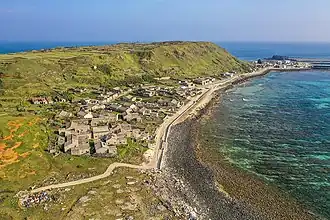
Wang'an (望安) is a township and island in the central-southern part of the Penghu archipelago (Pescadores), Taiwan. The main island, also called Wang'an or historically Tangan (Zhongtun), is the second-largest of Penghu's inhabited islands after Penghu Main Island. With a population of just a few thousand residents, Wang'an retains a deeply traditional character — its landscape is defined by low-slung coral-stone houses, dry-stone walls, terraced fields, and a coastline of white sand beaches and basalt outcrops that has earned it a reputation as one of Taiwan's most unspoiled island destinations.
Wang'an's appeal lies in its tranquility and the preserved quality of its built environment. The island was once one of the most prosperous settlements in the Penghu archipelago, and its architectural heritage reflects this history. In recent decades, depopulation has left many traditional houses abandoned, but conservation efforts — including the designation of Wang'an's central village as a protected heritage area — have helped maintain the island's distinctive character. The surrounding waters are part of the South Penghu marine ecosystem, with clear seas, coral reefs, and sea turtle nesting beaches.
The climate follows the Penghu pattern: subtropical maritime with fierce northeast monsoon winds from October to March, mild dry winters, and warm humid summers. The best visiting season is April through September, when seas are calm and ferry services run reliably. Summer temperatures reach 28–33 °C; winter temperatures are 15–20 °C but wind chill makes it feel considerably cooler. Typhoon season (July–September) may disrupt ferry schedules.
Planning Wang'an? Tell us your dates and we’ll tailor the trip.
Ask on WhatsAppHow do you get there?
By Plane
Wang'an does not have an airport. The nearest airport is Makung Airport (MZG) on Penghu Main Island, with regular flights from Taipei Songshan (TSA, approx. 50 min), Taichung (RMQ), Kaohsiung (KHH), Tainan (TNN), and Kinmen (KNH). From Makung, continue to Wang'an by ferry.
By Car / Road
Ferries connect Makung's Magong Nanhai Harbor (馬公南海碼頭) to Wang'an Fishing Harbor (望安潭門港). The journey takes approximately 30–45 minutes by fast ferry and up to 90 minutes by slow ferry. Services are operated by Penghu County ferry companies with multiple departures daily during peak season (April–September) and reduced winter schedules. Wang'an also serves as a transit point for onward ferries to Qimei and the South Penghu Marine National Park islands. Tickets can be purchased at Makung Harbor; booking in advance is advisable during weekends and public holidays.
Wang'an's main island is approximately 7 km long and 3 km wide. Scooter rental is available near Tanmen Harbor (潭門港) at approximately NT$300–400 per day. The island has no public bus service. A main road circuits the island, and most sights are accessible by scooter in under 15 minutes. Walking and cycling are feasible for fit visitors, though summer heat can be challenging. The township also administers several smaller islands including Hua Islet (花嶼), Cao Islet (草嶼), and Dongjiyu, which are reached by boat from Tanmen Harbor.
What are the things to do?
Wang'an Traditional Village (望安老街) — A protected heritage area of traditional coral-stone and basalt houses, many dating back over a century. The village layout reflects traditional Penghu settlement patterns, with narrow lanes, wind screens, and communal wells. Some houses have been restored as cultural centres or guesthouses.
Turtle Cape (天台山) — The highest point on Wang'an at about 53 metres, offering panoramic views of the island and surrounding seas. The hilltop features basalt formations and is a popular sunset spot.
Wang'an Green Turtle Conservation Centre (望安綠蠵龜觀光保育中心) — A research and conservation facility dedicated to protecting the endangered green sea turtles that nest on Wang'an's beaches. Visitors can learn about turtle biology and conservation efforts. The centre is particularly active during nesting season (May–October).
Central Village Architectural Heritage — Wander through the central village to appreciate the density and quality of traditional Penghu architecture. Stone walls built without mortar, louvered wind screens, and roof designs engineered to withstand typhoon-force winds reveal the ingenuity of island building traditions.
Middle Islet (中社) — A small connected island accessible by a causeway, featuring additional traditional stone houses and a quieter, more isolated atmosphere.
Tanmen Harbor (潭門港) — The island's main harbour and arrival point, with a small waterfront area, fish market, and the tourist information desk.
Turtle Watching — During nesting season (May–October), guided turtle-watching excursions can be arranged through the conservation centre. Seeing a green sea turtle lay eggs on a moonlit beach is one of Penghu's most remarkable experiences.
Beach Swimming — Wang'an has several fine sand beaches, including Jibei Beach area and beaches on the western coast. The waters are clear and generally calm in summer, though there are no lifeguards or facilities.
Cycling the Island — Rent a bicycle (if available from guesthouses) or scooter and circumnavigate the island at a leisurely pace, stopping at beaches, villages, and viewpoints.
Boat Excursions — From Tanmen Harbor, arrange boat trips to nearby islets, snorkelling spots, or the South Penghu Marine National Park islands.
Heritage Walking Tour — Explore the traditional villages on foot, examining the architectural details of coral-stone construction, visiting restored houses, and speaking with elderly residents who maintain traditional ways of life.
Diving and Snorkelling — The clear waters around Wang'an support coral reefs and marine life. Guided snorkelling trips can be arranged through guesthouses; diving operators are more commonly based in Makung.
Planning Wang'an? Want these on a customised itinerary?
Ask on WhatsAppWhere to eat?
Wang'an's food culture revolves around fresh seafood and simple Penghu home cooking. The island's fishing fleet brings in daily catches of reef fish, squid, shrimp, and shellfish that appear on local tables within hours.
Guesthouse Meals — The most reliable dining option. Most guesthouses prepare dinner and breakfast for guests using local ingredients. Pre-ordering is essential, especially for dinner, as there are few alternatives. Expect approximately NT$200–350 per meal.
Small Restaurants near Tanmen Harbor — A handful of family-run eateries near the harbour serve simple seafood meals and noodle dishes. Signature dishes include steamed fish, grilled squid, and Penghu seaweed egg soup. Mains from NT$100–300.
Penghu-style Sausages and Street Food — During peak season, small stalls near the harbour may sell local snacks, grilled seafood skewers, and shaved ice. Selection varies and is not guaranteed.
Vegetarian Options — Extremely limited. Buddhist vegetarian restaurants are absent on Wang'an; inform your guesthouse in advance if you require vegetarian meals.
Where to drink?
Wang'an has no bars, cafés, or dedicated drinking establishments. Beverages are available at small shops near the harbour. Kaoliang sorghum spirit and Taiwan Beer can be purchased at convenience stores. Bubble tea shops are not present on the island. Water is not safe to drink from the tap; bring bottled water or purchase it on-island. The island's limited infrastructure means that running out of supplies is a genuine risk — bring extra water and snacks.
Planning Wang'an? We’ll book the stays and dining for you.
Ask on WhatsAppWhere to stay?
Budget: Guesthouses (民宿) near Tanmen Harbor and in the traditional village offer basic rooms from NT$1,000–1,800 per night, typically including breakfast. Rooms are simple but clean, with air conditioning and private or shared bathrooms.
Mid-range: Newer guesthouses with sea views and more comfortable amenities are available from NT$2,000–3,000 per night. These often include dinner in the rate and can arrange activities such as snorkelling and boat tours.
Upscale / Heritage: There are no luxury hotels on Wang'an. For a heritage experience, restored traditional stone-house guesthouses offer atmospheric stays with period architecture and modern comforts, priced at NT$2,500–4,000. For genuine upscale accommodation, return to Makung where boutique hotels and resorts provide more amenities.
What should you buy?
Wang'an has very limited shopping. A few small shops near Tanmen Harbor stock basic necessities and snacks. Local specialties include dried seafood, Penghu-style peanut candy, and handmade seaweed products. There are no ATMs on the island; bring sufficient cash from Makung. Souvenirs are limited but may include local crafts and postcards at guesthouses.
Where to go next?
Makung (Penghu Main Island) (30–45 min by fast ferry) — The capital and main transport hub of Penghu, with the historic Tianhou Temple, Makung Old Street, seafood restaurants, and connections by air and sea to Taiwan proper.
Qimei Island (30–40 min by ferry from Wang'an) — The southernmost inhabited island in Penghu, famous for its Double-Heart Stone Weir and the Seven Beauties Tomb. Can be combined with Wang'an on a multi-day southern Penghu itinerary.
South Penghu Marine National Park (1–2 hr by boat from Wang'an) — Pristine uninhabited islands with world-class snorkelling, dramatic basalt geology, and protected marine ecosystems. Boat tours depart from Tanmen Harbor.
Jibei Island (20 min by ferry from Makung) — Known for its long sandbar beach, water sports, and laid-back atmosphere. A popular day-trip from Makung.
Kaohsiung (fly from Makung, approx. 30 min) — Taiwan's second-largest city, offering urban attractions, harbour-front dining, and connections to southern Taiwan destinations.
Nearby in Penghu
More places to explore around Wang'an.

Guide content as of June 2026.

Contact Us
Get in touch with us.
Get in touch
Contact Us
Tell us where you'd like to go and how you like to travel. A real Tripcuro planner — not a bot — will craft an itinerary around you.
- Personalised, hassle-free planning end-to-end
- Transparent pricing, no hidden costs
- 24/7 support for complete peace of mind