
South Penghu Marine National Park
Penghu, Taiwan
Why visit South Penghu Marine National Park?
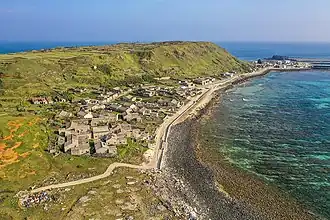
The South Penghu Marine National Park (澎湖南方四島國家公園), literally "Penghu South Four Islands Park," is Taiwan's second marine national park, established in 2014 to protect the ecologically rich waters and volcanic geology of four main islands — Dongjiyu (東吉嶼), Xijiyu (西吉嶼), Dongyupingyu (東嶼坪嶼), and Xiyupingyu (西嶼坪嶼) — along with several smaller islets including Toujin, Tiezhen, Zhongzai, Zhumujiao, Erwen, Xianglu, Chutoujiao, Chai'anwen, and Liwenzai. Located in the southern reaches of the Penghu archipelago, roughly 20–30 nautical miles south of Makung, these islands represent some of the least disturbed marine and coastal environments in the Taiwan Strait.
The park is renowned for its dramatic columnar basalt formations, crystal-clear waters with visibility often exceeding 20 metres, vibrant coral reef ecosystems, and rich marine biodiversity including sea turtles, reef fish, and occasional dolphin sightings. The islands themselves are sparsely populated or uninhabited, with traditional stone-house villages on Dongjiyu and Dongyupingyu that have been gradually depopulated over recent decades. The combination of volcanic geology, marine ecology, and abandoned cultural landscapes gives the park a remote, almost otherworldly character.
The climate is subtropical maritime, dominated by monsoon winds. The northeast monsoon (October–March) brings strong winds and rough seas that close the islands to visitors for much of the winter. The park's visiting season runs roughly from April to September, with the calmest seas and best underwater visibility in May through July. Summer temperatures range from 27–32 °C, but the exposed islands offer virtually no shade, making heat and sun exposure significant concerns. Typhoon season (July–September) can cause sudden closures; always check weather and sea conditions before departing.
Planning South Penghu Marine National Park? Tell us your dates and we’ll tailor the trip.
Ask on WhatsAppHow do you get there?
By Plane
There is no airport on any of the South Penghu islands. The nearest airport is Makung Airport (MZG) on Penghu Main Island, which has regular flights from Taipei Songshan (TSA), Taichung (RMQ), Kaohsiung (KHH), Tainan (TNN), and Kinmen (KNH), operated by UNI Air, Mandarin Airlines, and others. From Makung, onward sea transport is required.
By Car / Road
Two main departure points serve the islands:
From Jiangjun Fishing Port (將軍漁港) on Penghu Main Island's southwestern coast, boats reach Dongjiyu in approximately one hour. This is the most direct route.
From Magong Nanhai Harbor (馬公南海碼頭) in Makung, boats first go to Wang'an and then continue from Wang'an Fishing Harbor (望安潭門港) to Xiyupingyu, Dongyupingyu, and Dongjiyu. This route takes longer but serves the western islands.
Xijiyu has no pier and can only be admired from the sea during boat tours. Boat charters and group tours can be arranged through tour operators in Makung or Wang'an. Fares vary but expect approximately NT$800–1,500 per person for a day-trip boat tour, depending on the route and number of islands visited.
The islands are small and best explored on foot. On Dongjiyu, motorcycle rental shops near the pier provide scooters for those who prefer not to walk, though the island's roads are short and manageable. On Dongyupingyu, walking is the only option. Several smaller islands have no infrastructure at all and are visited by boat with brief shore stops. Paved roads exist on Dongjiyu connecting the main village, the lighthouse, and the Japanese military sites.
What are the things to do?
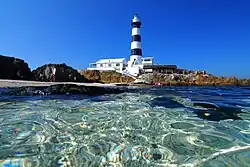
Dongjiyu Lighthouse (東吉嶼燈塔) — A 24.4-metre lighthouse built in 1911 during the Japanese colonial period. The whitewashed tower sits on a hilltop and offers panoramic views across the strait. The surrounding area features weathered Japanese-era military structures.
Japanese Army Site (日軍遺址) — At the end of the paved road on Dongjiyu, visitors find deteriorated bunkers, air-raid shelters, and remnants of wartime infrastructure built by the Japanese military to strengthen Taiwan Strait defences. The crumbling concrete structures against the stark island landscape make for evocative photography.
Blue Cave — An impressive sea cave carved by erosion off the coast of Xijiyu. The cave can only be viewed from the sea during boat tours, as Xijiyu itself has no pier and landing is restricted as a protected basalt reserve.
Xiyuping North Shore — Dramatic columnar basalt formations along the northern coast of Xiyupingyu, showcasing the volcanic geology that defines the Penghu archipelago.
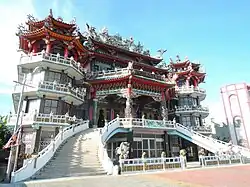
Chifu Temple (池府廟) on Dongyupingyu — A small temple serving the island's community, reflecting the traditional fishing culture of the Penghu outlying islands.
Protected Basalt Reserves — Xijiyu, Toujin, and Tiezhen are designated as protected basalt reserves and cannot be landed upon. They can be observed from boat tours, offering views of unspoiled columnar basalt cliffs rising from the sea.
Snorkelling — The clear waters surrounding the islands offer some of the best snorkelling in the Penghu archipelago. Coral reefs, reef fish, and occasionally sea turtles can be observed. Some guesthouses on Dongyupingyu offer guided snorkelling excursions.
Stand-up Paddleboarding (SUP) — Available through operators on Dongyupingyu, offering a unique perspective on the basalt coastlines and marine life. Equipment rental and guided tours can be arranged through accommodation providers.
Boat Tours — Day-trip boat tours from Makung or Wang'an visit multiple islands and provide views of the Blue Cave, protected basalt formations, and remote coastlines inaccessible from land.
Island Hopping — Visit Dongjiyu, Dongyupingyu, and Xiyupingyu over multiple days by staying on different islands, each offering distinct character and landscapes.
Photography — The combination of basalt geology, abandoned stone villages, clear turquoise waters, and dramatic light makes the South Penghu islands exceptional for landscape and nature photography.
Planning South Penghu Marine National Park? Want these on a customised itinerary?
Ask on WhatsAppWhere to eat?
Dining options on the islands are extremely limited. Most accommodation providers prepare meals for guests, and meal arrangements should be made at least three days in advance. On Dongjiyu, guesthouses offer breakfast (included in the room rate), lunch at approximately NT$200 per person, and dinner at approximately NT$300 per person. On Dongyupingyu, meal service is similarly arranged through accommodation. There are no standalone restaurants. Visitors on day trips should bring their own food and sufficient water for the entire day.
Where to drink?
There are no bars, cafés, or shops selling beverages on the islands. Visitors must bring all drinks from the mainland. Bottled water is essential — the islands have limited freshwater resources and no potable tap water. The tropical sun and lack of shade make hydration a critical safety concern. Bring at least 2–3 litres of water per person per day.
Planning South Penghu Marine National Park? We’ll book the stays and dining for you.
Ask on WhatsAppWhere to stay?
Budget: Dongji Deren (東吉得人), No. 104, Dongji, tel +886 911467723. Double rooms from NT$2,000 with breakfast included. Lunch NT$200, dinner NT$300 per person. Toiletries not provided; bring your own. Reservations by phone.
Mid-range: Dongji's House (東吉的家), No. 61, Dongji, tel +886 932758476. Double rooms NT$2,200, quadruple rooms NT$3,000.
Dongyuping: Yuan Jing Yu Le (源景娛樂), No. 47-1, Dongyuping, tel +886 925688279. Double rooms NT$1,700, quadruple rooms NT$2,600. A deposit of NT$1,000 is required in advance. Also offers snorkelling and stand-up paddleboarding activities.
Upscale / Heritage: There are no upscale properties on the South Penghu islands. All accommodation is basic guesthouse level. For more comfortable lodging, stay in Makung or Wang'an and visit as a day trip.
What should you buy?
There are no shops on any of the South Penghu islands. Visitors should bring all necessary supplies, including food, water, sunscreen, and personal items from Makung or Wang'an. For commemorative souvenirs, coin sets themed after the South Penghu Marine National Park are available at post offices throughout Taiwan.
Where to go next?
Wang'an Island (30–60 min by boat from the South Penghu islands) — The nearest inhabited township with more substantial accommodation, dining, and transport connections. Home to traditional fishing villages and the famous Turtle Cape geological formations.
Makung (Penghu Main Island) (1–2 hr by boat from the South Penghu islands, or via Wang'an) — The capital of Penghu County with full urban amenities, historic temples, the Penghu Great Bridge, and the archipelago's main transport hub with flights and ferries to Taiwan proper.
Qimei Island (accessible from Makung, approx. 30 min by fast ferry) — The southernmost inhabited island in Penghu, famous for its Double-Heart Stone Weir and the Seven Beauties Tomb legend.
Jiangjun Village (30 min by car from Makung) — The departure point for boats to Dongjiyu, with its own attractions including the Jiangjun Temple and coastal scenery.
Nearby in Penghu
More places to explore around South Penghu Marine National Park.

Guide content as of June 2026. Portions adapted from Wikivoyage, CC BY-SA 4.0.

Contact Us
Get in touch with us.
Get in touch
Contact Us
Tell us where you'd like to go and how you like to travel. A real Tripcuro planner — not a bot — will craft an itinerary around you.
- Personalised, hassle-free planning end-to-end
- Transparent pricing, no hidden costs
- 24/7 support for complete peace of mind