
Matsu
Lienchiang, Taiwan
Why visit Matsu?
Matsu (馬祖) is the collective name for the Lienchiang County archipelago, a group of islands in the Taiwan Strait administered by Taiwan but geographically much closer to mainland China. The islands are named after the sea goddess Mazu and are known for their dramatic coastal scenery, traditional stone houses, Cold War military bunkers, and excellent seafood. The main inhabited islands include Nangan, Beigan, Juguang, and Dongyin.
The climate is subtropical with cool, foggy springs. The best time to visit is April to October, though spring fog can disrupt flights. The islands have a unique character shaped by their frontline military history and traditional Fujianese culture.
Planning Matsu? Tell us your dates and we’ll tailor the trip.
Ask on WhatsAppHow do you get there?
By Plane
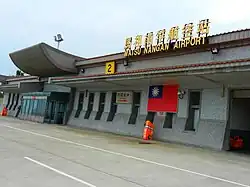
Matsu Nangan Airport (LZN) and Matsu Beigan Airport (MFK) have daily flights from Taipei (50 minutes) and Taichung.
By Boat
Overnight ferries connect Taipei's Keelung Harbour to Matsu (about 10 hours). Ferries also connect to Fujian, China.
By Car / Road
Local roads connect the main villages on each island. Inter-island ferries connect Nangan, Beigan, Juguang, and Dongyin.
On each island, scooter rental is the best way to explore. Taxis are available. Ferries connect the inhabited islands.
What are the things to do?
Nangan (Nankan) — The administrative centre with the Matsu Temple, Matsu Tunnel, and traditional stone villages.
Beigan (Beigan) — Famous for Qinbi Village, a stunning hillside settlement of traditional stone houses.
Juguang (Juguang) — Known for the massive military bunker at Daw Mountains and the lighthouse.
Dongyin (Dongyin) — The northernmost island with a historic lighthouse and seabird colonies.
Matsu National Scenic Area — The entire archipelago.
Explore the traditional stone villages — Qinbi is the most famous.
Tour the military tunnels, bunkers, and fortifications.
Blue tear phenomenon — A bioluminescent plankton display visible in summer.
Hike the coastal trails for dramatic sea views.
Eat fresh seafood.
Visit during the Matsu International Music Festival.
Planning Matsu? Want these on a customised itinerary?
Ask on WhatsAppWhere to eat?
Matsu is famous for its seafood — fish, shrimp, crabs, and shellfish are abundant.
- Matsu noodles — A local noodle dish.
- Fishball soup and oyster omelettes.
- Seafood restaurants in Nangan and Beigan. NT$200–500.
Where to drink?
Matsu sorghum liquor and local tea. Bottled water is recommended.
Planning Matsu? We’ll book the stays and dining for you.
Ask on WhatsAppWhere to stay?
- Budget: Guesthouses in Nangan and Beigan, NT$800–1,200.
- Mid-range: Hotels in Nangan, NT$1,500–2,500.
What should you buy?
- Matsu sorghum liquor — A local spirit similar to Kinmen's.
- Matsu seafood products — Dried fish and shellfish.
- Traditional stone house souvenirs.
Where to go next?
- Nangan — The main island with the airport and ferry terminal.
- Beigan — 20 minutes by ferry. Qinbi Village.
- Juguang — 1 hour by ferry. Military history sites.
- Dongyin — 2 hours by ferry. Lighthouse and birdwatching.
- Fujian, China — Ferries to Fuzhou.
Nearby in Lienchiang
More places to explore around Matsu.
Guide content as of July 2026. Portions adapted from Wikivoyage, CC BY-SA 4.0.

Contact Us
Get in touch with us.
Get in touch
Contact Us
Tell us where you'd like to go and how you like to travel. A real Tripcuro planner — not a bot — will craft an itinerary around you.
- Personalised, hassle-free planning end-to-end
- Transparent pricing, no hidden costs
- 24/7 support for complete peace of mind