

Ruisui
Hualien, Taiwan
Why visit Ruisui?
Ruisui (瑞穗鄉, Ruìsuì) is a rural township in southern Hualien County, set in the East Rift Valley between the Central and Coastal mountain ranges. It is best known for two things: its hot springs and the Xiuguluan River, which carves through the valley nearby and provides the township's headline adventure — whitewater rafting. Ruisui is small, green and unhurried, a place of rice fields, fruit orchards, tea plantations and dairy pasture rather than urban sights.
The township's population is a mix of Hoklo, Hakka and Taiwanese indigenous people, most of the latter Amis, and agriculture and tourism are the mainstays of the local economy. Fresh, fertile farmland fed by clean water from the mountains gives Ruisui a reputation for good produce — fruit, tea and notably milk from its ranches. Ruisui also sits almost exactly on the Tropic of Cancer, a fact marked by a roadside monument that is one of the area's quirky landmarks.
The climate is humid subtropical and mild. The best time to visit depends on your aim: whitewater rafting on the Xiuguluan River runs in the warmer months, roughly summer into early autumn, while the hot springs are most enjoyable in the cooler season (autumn through early spring). Summer is hot and humid and brings typhoon risk — heavy rain can suspend rafting — so check conditions in storm season. Spring and autumn offer the most comfortable all-round weather.
Planning Ruisui? Tell us your dates and we’ll tailor the trip.
Ask on WhatsAppHow do you get there?
By Plane
The nearest airport is Hualien Airport (HUN), well to the north near Hualien City. From there it is a road or train-plus-road journey south down the rift valley to Ruisui. There is no closer airport.
By Train
Ruisui is on the Hualien–Taitung railway line. Ruisui Railway Station (瑞穗車站), which opened in 1915, is the main stop, with Fuyuan Station (富源車站) a little to the north also serving the township. Trains run up and down the rift valley connecting Ruisui with Hualien City and Taitung; through services from Taipei reach the area in roughly 3 hours. Book ahead in peak season.
By Car / Road
Provincial Highway 9 runs through the rift valley and is the main road approach to Ruisui, linking it with Hualien City to the north and Yuli and Taitung to the south. A car or scooter is recommended for exploring the spread-out sights. Rift-valley buses also serve Highway 9.
Many of Ruisui's attractions — the ranch, hot springs, the Tropic of Cancer marker, the forest recreation area — lie outside the small town centre, so the practical way to get around is by rented bicycle or scooter, available near the railway station. The town centre itself is compact and walkable. Taxis can be found at the station for trips to outlying sights, but in rural areas they are sparse and may need to be called and waited for. There is no town bus network. No particular scams; the main consideration is simply that distances between sights are larger than they look.
What are the things to do?
History and culture
- Ruisui Tropic of Cancer Marker (北回歸線標誌塔) — A monument marking the Tropic of Cancer, originally built in 1933 and later relocated to Wuhe Terrace along Provincial Highway 9. Free.
- Saoba Stone Pillars (掃叭石柱) — Two ancient standing stones, 5.75 m and 3.99 m tall, artefacts of the prehistoric Beinan culture dating back roughly 3,000 years to the Stone Age. Free.
Temples
- Qinglian Temple (青蓮寺) — A local temple in the township.
Parks and nature
Fuyuan National Forest Recreation Area (富源國家森林遊樂區) — A 191-hectare forest reserve at 225–750 m elevation, with jungle trekking trails, camping ground and a BBQ area; known for butterflies and a waterfall.
Hutou Mountain Hiking Trail (虎頭山) — A hillside trail near the township for short walks and valley views.
Whitewater rafting on the Xiuguluan River (秀姑巒溪泛舟) — Ruisui's signature activity: descending the rift valley's wild river in inflatable rafts, a popular summer adventure. Operators provide gear and transport.
Visit Rareseed Ranch (瑞穗牧場) — A working dairy ranch in Wuhe Village, on land made fertile by clean mountain water (once a papaya farm); a relaxed spot for fresh milk, dairy snacks and a taste of rural Ruisui.
Soak in the hot springs — Unwind in Ruisui's mineral-rich hot springs, the township's other great draw, in one of the local bathhouses or hot-spring hotels.
Hike Hutou Mountain — Take the short hillside trail for exercise and rift-valley views.
Explore Fuyuan Forest — Walk the forest trails, watch butterflies and camp at the recreation area.
Cycle the valley — Ride between ranch, river and temple through Ruisui's rice fields and orchards.
Planning Ruisui? Want these on a customised itinerary?
Ask on WhatsAppWhere to eat?
Ruisui's food is rooted in its farmland and its mix of Hoklo, Hakka and Amis communities, with an emphasis on fresh local produce.
- Budget — The Ruisui Night Market (瑞穗夜市) on Minquan East Road, open Tuesday evenings roughly 18:00–22:00, is a typical Taiwanese night market with a range of snack stalls — the easiest cheap meal in town.
- Budget–mid — Small eateries in the town centre serve rice and noodle dishes and rift-valley home cooking.
- Mid-range — Ranch and guesthouse restaurants offer fuller meals built around local dairy, produce and valley specialities.
Dairy is a local highlight — fresh milk and milk-based desserts at the ranches. Vegetarian eating is straightforward in this farming area; look for the "素" sign. Halal and certified gluten-free options are very limited; plan ahead.
Where to drink?
Fresh milk from Ruisui's dairy ranches is the local drink to seek out, alongside locally grown tea. The night market and small shops cover bubble tea, juices and cold drinks, and convenience stores in the town centre stock beer and soft drinks. Tap water in Taiwan is treated and considered safe once boiled; most visitors drink bottled or filtered water.
Planning Ruisui? We’ll book the stays and dining for you.
Ask on WhatsAppWhere to stay?
- Budget — Simple guesthouses and homestays (民宿) in and around Ruisui offer basic rooms from roughly NT$1,000–2,000 per night.
- Mid-range — Hot-spring guesthouses and B&Bs run roughly NT$2,000–3,500, often with in-room or shared hot-spring baths.
- Upscale — Ruisui has hot-spring resorts and higher-end hotels making the most of its thermal water, typically from around NT$4,000 and up.
What should you buy?
Ruisui's buys come straight off its farms: fresh milk and dairy products from the local ranches, tea, and seasonal fruit from the surrounding orchards. The Ruisui Night Market and small shops in the town centre are the places to pick up local snacks and produce. Prices at farm stalls and shops are generally fixed; bargaining is not customary in Taiwan.
Where to go next?
- Yuli — A short drive/train ride south; a farming township and gateway to the Walami Trail.
- Liushidan Mountain — About 35–40 km / 1 hour south; famous for its August–September daylily bloom.
- Hualien City — About 65 km / 1.5 hours north; the regional hub and base for Taroko Gorge.
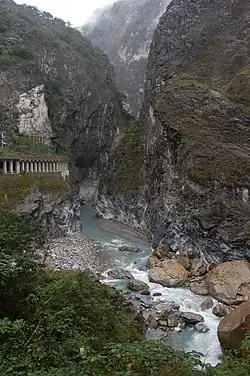
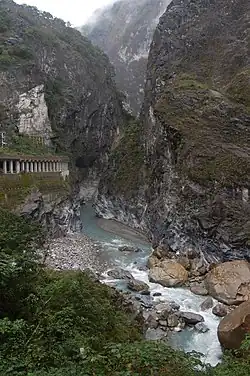
- Taroko Gorge — North via Hualien; Taiwan's spectacular marble canyon.
- Antong Hot Springs — Near Yuli to the south; more rift-valley hot springs.
- Highway 11 coastal drive — East over the Coastal Range; one of Taiwan's most scenic coastal roads.
Nearby in Hualien
More places to explore around Ruisui.
Guide content as of May 2026. Portions adapted from Wikivoyage, CC BY-SA 4.0.

Contact Us
Get in touch with us.
Get in touch
Contact Us
Tell us where you'd like to go and how you like to travel. A real Tripcuro planner — not a bot — will craft an itinerary around you.
- Personalised, hassle-free planning end-to-end
- Transparent pricing, no hidden costs
- 24/7 support for complete peace of mind