France
Western Europe · 541 destinations across 24 regions
Photography coming soonWhy visit?
France is the most-visited country on Earth, and the appeal is easy to understand: few places pack such density of culture, landscape, cuisine, and history into a single, navigable territory. In a week you can move from the boulevards and museums of Paris to the lavender plateaus of Provence, the surf beaches of the Atlantic coast, the glacier-capped peaks of the Alps, and the vineyards of Burgundy or Bordeaux — all stitched together by one of the world's best high-speed rail networks. France invented much of what we now consider the grammar of travel itself: the grand museum, the Michelin restaurant, the seaside resort, the alpine ski station.
What makes France distinctive is its insistence on the art de vivre — the everyday elevation of food, wine, conversation, and leisure into something deliberate. A two-hour lunch is not indulgence; it is the point. This is a country where regional identity runs deep: Breton, Basque, Alsatian, Corsican, and Occitan cultures each bring their own language fragments, architecture, and cooking, so the France of Strasbourg looks and tastes nothing like the France of Bayonne.
France suits almost every traveler — first-timers drawn to Paris and the châteaux of the Loire, food and wine pilgrims, alpine skiers and hikers, beach-seekers on the Riviera, and culture-hungry city-hoppers. It rewards both the structured itinerary and the slow, single-region stay.
What is the landscape and climate like?
Metropolitan France is the largest country in Western Europe, often called l'Hexagone for its roughly six-sided shape. It spans several distinct terrains: the flat-to-rolling plains and river basins of the north and west (the Seine, Loire, and Garonne valleys); the rugged volcanic uplands of the Massif Central; the high Alps along the Italian and Swiss borders, crowned by Mont Blanc (4,807 m, Western Europe's highest peak); the Pyrenees forming the Spanish frontier; and the Mediterranean south, from the Camargue wetlands to the Côte d'Azur. The island of Corsica sits in the Mediterranean, and France also governs overseas territories (Guadeloupe, Martinique, Réunion, French Guiana, and others) that fall outside this guide.
Climate divides broadly into four zones: oceanic in the west and north (mild, wet, changeable — think Brittany and Paris); continental in the east and center (colder winters, warmer summers — Alsace, Burgundy); Mediterranean along the south coast (hot dry summers, mild wet winters, and the famous mistral wind down the Rhône valley); and alpine/mountain in the Alps and Pyrenees (heavy winter snow, short cool summers). There is no monsoon; rainfall is spread across the year, heaviest in autumn and winter.
Tell us your dates and we'll tailor your France trip around them.
WhatsAppWhen is the best time to visit?
Late spring (May–June) and early autumn (September–October) are the sweet spots almost everywhere: warm days, thinner crowds, and lower prices than midsummer.
- Paris & the north: April–June and September–October are ideal. July–August can be hot and partly emptied of locals (many shops close in August).
- Provence & Côte d'Azur: June and September are excellent; July–August are peak, crowded, and expensive. Lavender bloom in Provence peaks roughly late June–July.
- The Alps: December–March for skiing; July–September for hiking and lakes.
- Wine regions (Bordeaux, Burgundy, Champagne): September–October for the vendange (harvest) atmosphere.
Peak season is July–August (school holidays, full coast). Shoulder is May–June and September. Off-season is November–March (cheapest, quiet, but short days and some coastal/rural closures).
Festivals worth planning around: Cannes Film Festival (May), Fête de la Musique (21 June, nationwide free concerts), Bastille Day / Fête Nationale (14 July), the Tour de France (July), Nice Carnival (February), and Christmas markets in Alsace, especially Strasbourg (late Nov–Dec).
Do you need a visa?
France is part of the Schengen Area. Citizens of the EU/EEA and Switzerland may enter freely. Many non-EU nationals — including citizens of the US, UK, Canada, Australia, New Zealand, Japan, and others — may enter visa-free for short stays of up to 90 days within any 180-day period for tourism.
For longer stays, study, or work, a national long-stay visa or residence permit is required. Travelers who do need a Schengen visa apply for the short-stay (Type C) visa through the French consulate or an authorized visa center.
This is general guidance only. Visa rules change and depend on your nationality, purpose, and length of stay — verify with the French embassy or consulate in your country before booking.
Want us to time your trip around a festival? We'll handle it.
WhatsAppHow much does it cost?
The currency is the Euro (EUR, €). Cards (Visa, Mastercard) are accepted almost everywhere, including for small purchases; contactless is ubiquitous. American Express is less widely accepted. ATMs (distributeurs) are plentiful; notify your bank to avoid blocks, and decline the machine's currency-conversion offer (choose to be charged in euros).
Rough daily budgets per person (excluding long-haul flights):
- Budget: €70–110 (~$75–120) — hostel or budget hotel, bakery/market meals, public transport.
- Mid-range: €150–280 (~$160–300) — comfortable 3-star hotel, restaurant lunches and casual dinners, some paid sights.
- Luxury: €400+ (~$430+) — 4/5-star hotels, fine dining, private transport. Paris and the Riviera run substantially higher in summer.
Tipping: Restaurant prices include service (service compris), so tipping is modest and optional — rounding up or leaving 5–10% for good service is generous, not expected. Leave a euro or two per round at cafés/bars if you wish. For taxis, round up. Hotel porters/housekeeping appreciate €1–2.
How do you get there?
Major international airports:
- Paris Charles de Gaulle (CDG) — the principal long-haul hub.
- Paris Orly (ORY) — second Paris airport, strong on domestic and European routes.
- Nice Côte d'Azur (NCE) — gateway to the Riviera and Provence.
- Lyon–Saint-Exupéry (LYS), Marseille Provence (MRS), Toulouse–Blagnac (TLS), Bordeaux–Mérignac (BOD), and Nantes Atlantique (NTE) serve their regions directly from many European cities.
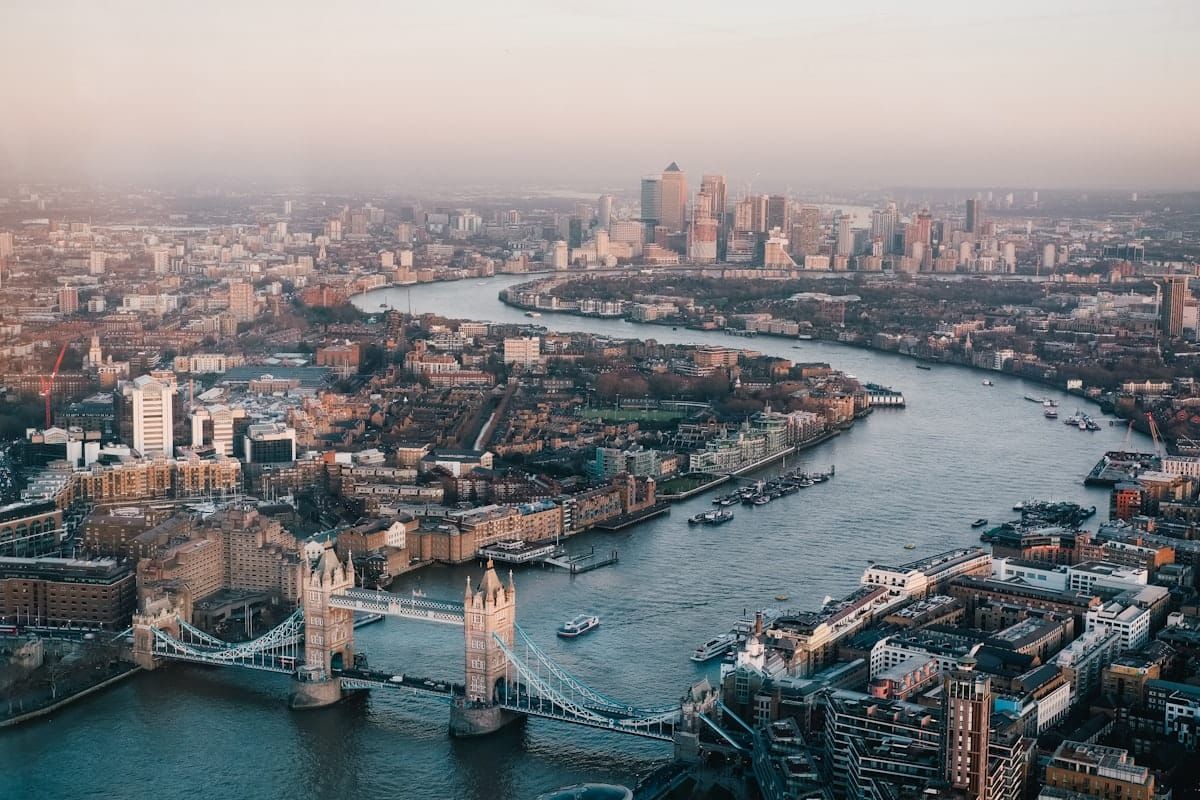
By rail: France is exceptionally well connected. The Eurostar links London to Paris (Gare du Nord) via the Channel Tunnel in ~2h20; Thalys/Eurostar and TGV services connect Brussels, Amsterdam, Cologne, Frankfurt, Geneva, Zurich, Milan, and Barcelona directly to French cities.
By road: France shares open Schengen land borders with Belgium, Luxembourg, Germany, Switzerland, Italy, Monaco, Spain, and Andorra — no routine border controls.
By sea: Ferries cross the Channel from England (Dover–Calais, Portsmouth/Newhaven to Caen, Le Havre, Cherbourg, Dieppe, St-Malo); Corsica connects by ferry to Marseille, Nice, Toulon, and Italy. Mediterranean cruise ships call at Marseille, Nice/Villefranche, and Cannes.
We handle the bookings and budgeting — you just travel.
WhatsAppHow do you get around?
Rail is the default. The state operator SNCF runs the high-speed TGV (Paris–Lyon in ~2h, Paris–Marseille ~3h15, Paris–Bordeaux ~2h), the budget OUIGO TGV brand, and regional TER trains. Book in advance for the cheapest fares via SNCF Connect; validate paper tickets where required, though most travel is now mobile/QR.
Domestic flights (Air France and low-cost carriers) make sense mainly for long diagonals (e.g., Paris–Nice, or reaching Corsica), but rail is usually faster city-center to city-center for trips under ~4 hours.
Intercity buses (FlixBus, BlaBlaCar Bus) are the cheapest option and reach towns off the rail map. BlaBlaCar carpooling is widely used between cities.
In cities: Paris, Lyon, Marseille, Lille, and others have excellent metro/tram networks. Use contactless or local apps; in Paris the Navigo pass and Bonjour RATP / Île-de-France Mobilités apps cover metro, RER, bus, and tram.
Taxis & rideshare: Uber, Bolt, and the local G7/Heetch apps operate in major cities. Use official taxi ranks or apps rather than unsolicited offers.
Driving: A car is ideal for rural regions (Loire, Dordogne, Provence, Alsace). Motorways (autoroutes) are fast but tolled (péage) — budget for it. Many city centers have low-emission zones (Crit'Air sticker required) and restricted/expensive parking.
Common scams to avoid: pickpocketing on the Paris metro and around major sights (Eiffel Tower, Sacré-Cœur, Gare du Nord); the "gold ring" and petition/clipboard distractions; friendship-bracelet hawkers at Montmartre; and three-card-monte street games (always rigged). Keep bags zipped and in front in crowds.
What are the local customs?
A little courtesy goes a long way. Always open with "Bonjour" (or "Bonsoir" in the evening) before asking anything — entering a shop or addressing staff without it reads as rude. Close with "Merci, au revoir." A simple "Parlez-vous anglais?" before launching into English is appreciated; English is widely understood in tourist areas, less so in the countryside.
Greetings are formal at first — a handshake among acquaintances, la bise (cheek kisses) among friends. Use vous (formal "you") with strangers and staff.
Dress is generally smart-casual; the French lean toward understated, put-together style. For churches and cathedrals (Notre-Dame area, Mont-Saint-Michel abbey, etc.), cover shoulders and avoid very short shorts as a courtesy; quiet and respectful behavior is expected during services.
Dining: meals are unhurried — don't expect (or ask for) the check until you request it ("L'addition, s'il vous plaît"). Bread goes on the table, not a plate; keep hands (not elbows) visible. Lunch is typically 12:00–14:00 and dinner from ~19:30; kitchens outside cities often close between services.
Photography: fine in public; ask before photographing people, and respect "no photo" signs in some museums and churches. Dos: say bonjour, try a few French words, eat at local hours. Don'ts: be loud in restaurants and on transit, rush meals, or assume everyone speaks English without asking.
Prefer to talk it through? We're a WhatsApp message away.
WhatsAppIs it safe?
France is generally safe for travelers, with a profile typical of Western Europe. The most common issue by far is petty theft — pickpocketing and bag-snatching in crowded tourist zones, train stations, and on metros, especially in Paris, Marseille, Nice, and Lyon. Stay alert in crowds, keep valuables secure, and avoid displaying expensive items.
Regional cautions: exercise normal urban caution in certain outer-city districts at night. In the mountains, respect avalanche warnings, weather, and marked routes when skiing or hiking; the Alps and Pyrenees demand proper preparation. The southern mistral and tramontane winds can be fierce. Mediterranean and Atlantic beaches have strong currents in places — heed flag systems and lifeguards.
France has occasionally been affected by terrorism, and the national Vigipirate security posture means a visible police/military presence at airports and major sites; cooperate with bag checks. Demonstrations and occasional strikes (grèves) can disrupt transport — check ahead.
Health: no special vaccinations are required for France; routine vaccines should be up to date. Tap water is safe to drink nationwide. Healthcare is excellent; EU visitors should carry the EHIC/GHIC card, and all travelers should hold travel insurance. The general emergency number is 112 (also 15 for medical, 17 police, 18 fire).
Which regions stand out?
- Île-de-France — Paris and its surroundings, including Versailles and Fontainebleau; the cultural and political heart of the country.
- Provence-Alpes-Côte d'Azur — lavender fields, Roman ruins, hilltop villages, and the glamorous Riviera coast from Marseille to Menton.
- Auvergne-Rhône-Alpes — Lyon's gastronomy plus the high Alps, Mont Blanc, Annecy's lake, and Europe's premier ski resorts.
- Nouvelle-Aquitaine — Bordeaux wine country, the Dordogne's castles and caves, and the Atlantic surf and Basque coast.
- Brittany — wild Atlantic coastline, Celtic heritage, seafood, and walled ports like Saint-Malo.
- Grand Est (Alsace) — half-timbered villages, the wine route, Strasbourg's cathedral, and famous Christmas markets on the German border.
- Occitanie — the medieval city of Carcassonne, the Canal du Midi, the Pyrenees, and the Mediterranean coast around Montpellier.
- Centre-Val de Loire — the Loire Valley's Renaissance châteaux (Chambord, Chenonceau) and gentle river vineyards.
Tell us your dates and we'll tailor your France trip around them.
WhatsAppWhere should you go?
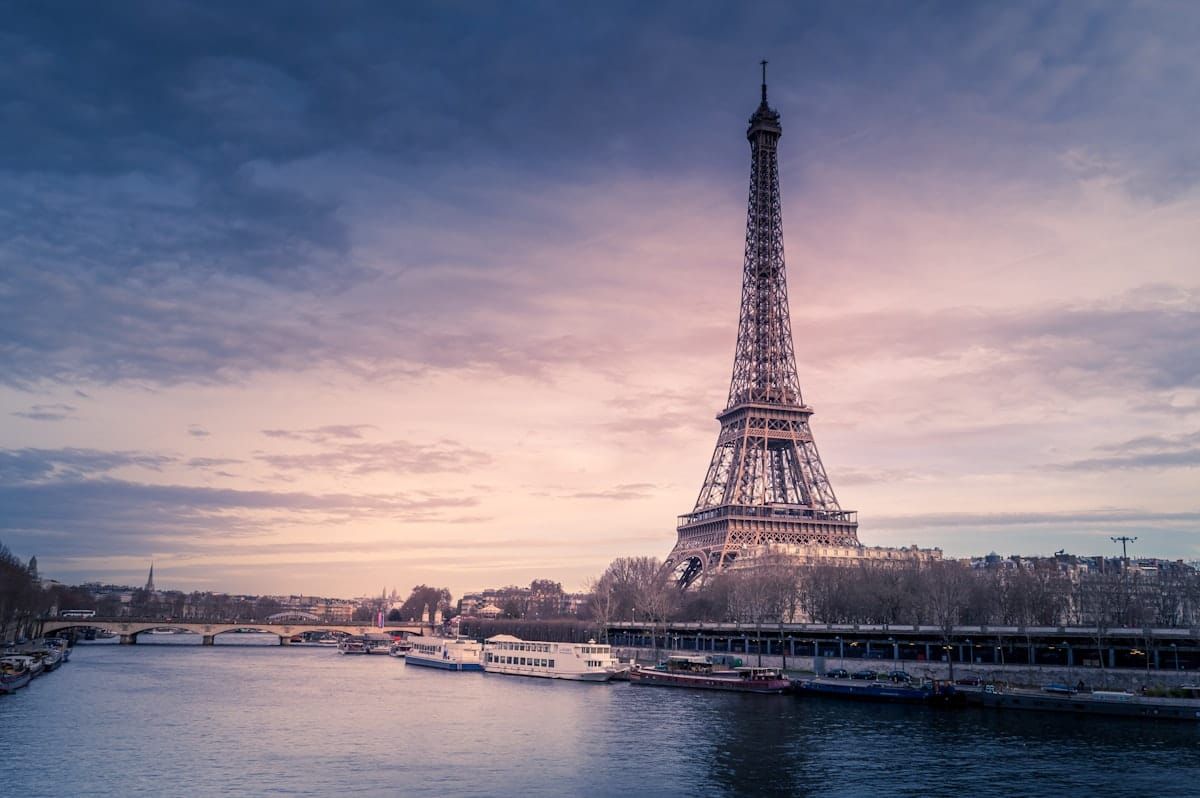
- Paris — the capital, home to the Eiffel Tower, the Louvre, Notre-Dame, and Montmartre; unmatched museums, dining, and grand boulevards.
- Versailles — Louis XIV's colossal palace and gardens, an easy day trip from Paris.
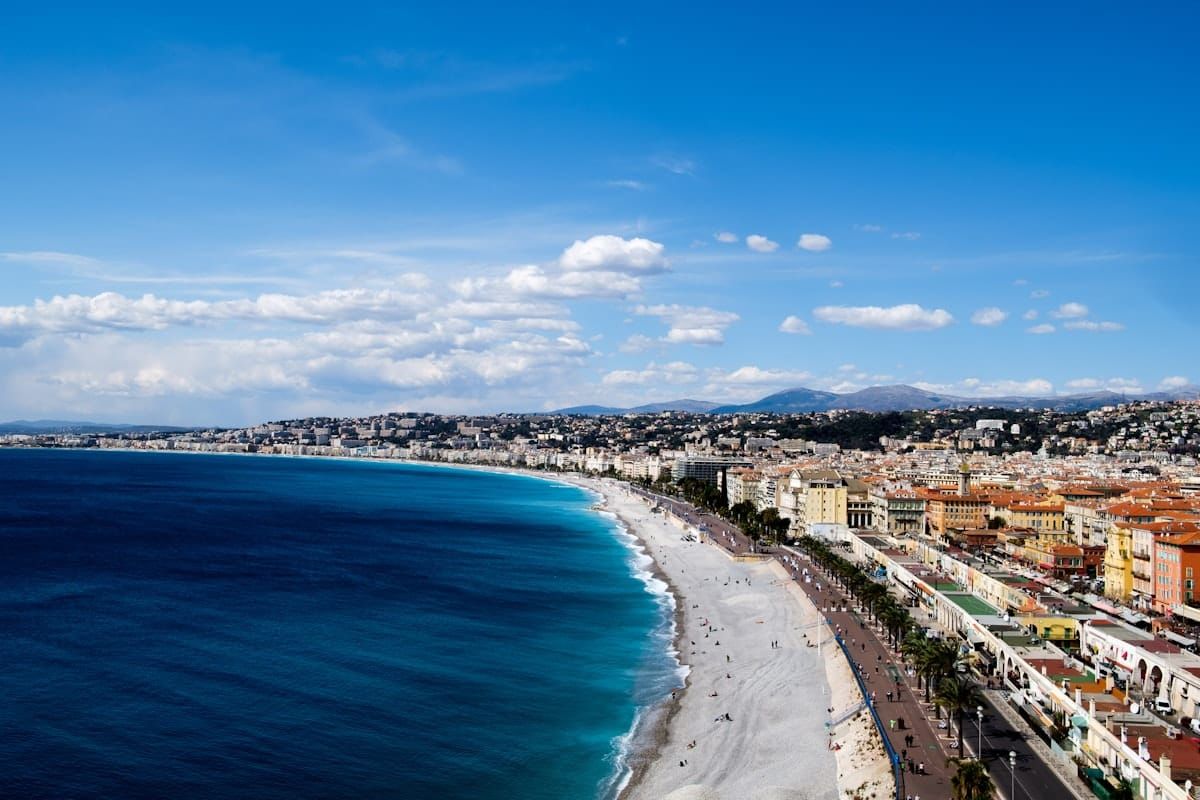
- Nice — Riviera hub with its Promenade des Anglais, old town, and access to Monaco, Cannes, and Antibes.
- Lyon — France's gastronomic capital, with Roman ruins, Renaissance quarters, and the bouchon food tradition.
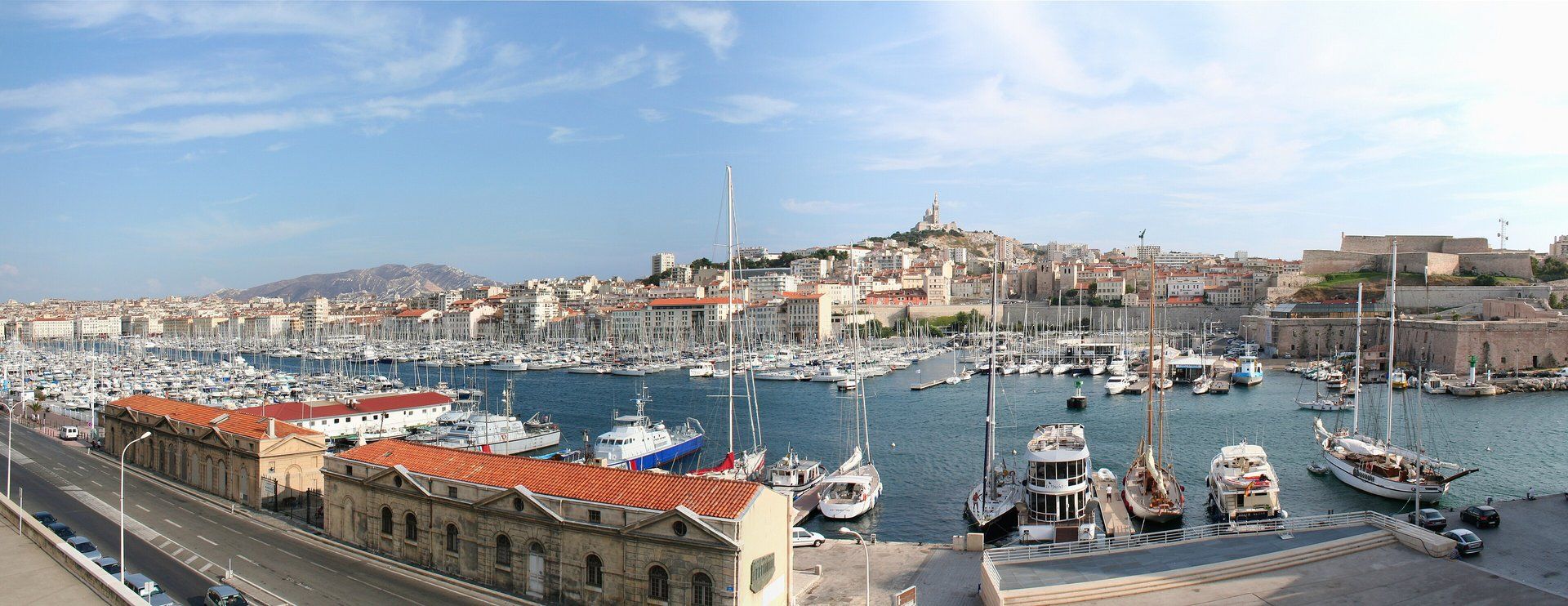
- Marseille — gritty, vibrant Mediterranean port with the Vieux-Port, Calanques cliffs, and multicultural energy.
- Bordeaux — elegant 18th-century city at the center of the world's most famous wine region.
- Mont-Saint-Michel — the dramatic island abbey rising from Normandy's tidal bay, one of France's most iconic sights.
- Strasbourg — Franco-German Alsatian capital with a soaring Gothic cathedral and canal-laced "Petite France" quarter.
- The Loire Valley châteaux — Chambord, Chenonceau, and Amboise, the Renaissance heart of royal France.
- Chamonix / Mont Blanc — alpine adventure capital for skiing, mountaineering, and the Aiguille du Midi cable car.
- Carcassonne — a remarkably complete medieval walled city in Occitanie.
- Annecy — a postcard alpine lake town of canals and pastel houses, the "Venice of the Alps."
Regions & States
France has 24 regions with guides — pick one to drill into its destinations.
Auvergne-Rhône-Alpes
32 destinations
Bourgogne-Franche-Comté
26 destinations
Bretagne
31 destinations
Centre-Val de Loire
28 destinations
Corse
21 destinations
Grand-Est
30 destinations
Guadeloupe
25 destinations
Guyane (française)
24 destinations
Hauts-de-France
25 destinations
Île-de-France
16 destinations
La Réunion
26 destinations
Martinique
25 destinations
Mayotte
17 destinations
Normandie
25 destinations
Nouvelle-Aquitaine
38 destinations
Nouvelle-Calédonie
19 destinations
Occitanie
32 destinations
Pays-de-la-Loire
21 destinations
Polynésie française
21 destinations
Provence-Alpes-Côte-d’Azur
36 destinations
Saint-Barthélemy
7 destinations
Saint-Martin
7 destinations
Saint-Pierre-et-Miquelon
2 destinations
Wallis-et-Futuna
7 destinations
Not sure where to start in France? Tell us how you like to travel and we'll shape the route.
WhatsAppTop Destinations
The places first-time and returning travellers ask for most.
: Aix-en-Provence
Aix-en-Provence is the historic capital of Provence, known as the…
: Albi
Albi is the capital of the Tarn department in Occitanie, renowned for…
: Antibes
Antibes is a town on the Côte d'Azur between Nice and Cannes…
: Argeles-sur-Mer
Argèles-sur-Mer is a coastal town in the Pyrénées-Orientales…
: Arles
Arles is a city in the Bouches-du-Rhône department at the head of the…
: Auch
Auch is the historic capital of Gascony and the Gers department…
: Avignon
Avignon is the capital of the Vaucluse department on the Rhône River…
: Banyuls-sur-Mer
Banyuls-sur-Mer is a coastal town in the Pyrénées-Orientales at the…
: Beziers
Béziers is one of the oldest cities in France, located in the Hérault…
: Bormes-les-Mimosas
Bormes-les-Mimosas is a medieval hillside village in the Var…
: Briancon
Briançon is the highest town in France (1,326 metres) and a fortified…
: Cahors
Cahors is the historic capital of the Lot department, set in a…

Contact Us
Get in touch with us.
Get in touch
Contact Us
Tell us where you'd like to go and how you like to travel. A real Tripcuro planner — not a bot — will craft an itinerary around you.
- Personalised, hassle-free planning end-to-end
- Transparent pricing, no hidden costs
- 24/7 support for complete peace of mind