
Provence-Alpes-Côte-d’Azur
France · Metropolitan region · 36 destinations with guides
Photography coming soonWhy visit?
Provence-Alpes-Côte d'Azur (PACA) is arguably France's most celebrated region for travellers, a sun-drenched territory stretching from the Rhône valley to the Italian border, and from the Mediterranean coast to the snow-capped peaks of the Alps. It encompasses the historic province of Provence with its lavender fields, olive groves, and Roman ruins; the glamorous French Riviera (Côte d'Azur), where palm-lined promenades meet turquoise coves; and the high Alps of Haute-Provence and the Briançonnais, where Europe's deepest gorges and highest paved passes offer wilderness and adventure of a very different order.
The region's diversity is extraordinary. In a single day you can walk the ramparts of a medieval papal city in Avignon, swim in the turquoise waters of the Calanques near Marseille, and watch the sunset turn the ochre cliffs of Roussillon to gold. The Côte d'Azur—Nice, Cannes, Antibes, Saint-Tropez—has been synonymous with luxury, art, and the Mediterranean good life since the 19th century, while inland Provence retains a deeply rural, agricultural character, with weekly markets, stone villages, and the slow rhythms of the Midi.
PACA is also a region of immense cultural depth. The Romans left amphitheatres at Arles and Orange, aqueducts and triumphal arches. Van Gogh painted in Arles and Saint-Rémy, Cézanne in Aix-en-Provence, and Matisse in Nice. The papal palace at Avignon, the perfume capital of Grasse, and the ancient port of Marseille—France's oldest city—layer history upon history. And the natural landscapes are world-class: the Verdon Gorge (Europe's "Grand Canyon"), the wild horses and flamingos of the Camargue, the alpine meadows of the Écrins, and the pristine offshore islands of Port-Cros.
When is the best time to visit?
The best months are May, June, and September, when the weather is warm and settled, the lavender is in bloom (late June to early August), and the summer crowds are manageable. April and October are also excellent, with mild temperatures and lower prices, though some coastal services wind down.
Summer (July-August) brings intense heat inland (35-40 °C in the Rhône valley and Provence) and peak season on the Côte d'Azur—Nice, Cannes, and Saint-Tropez are packed, and accommodation prices soar. The sea is at its warmest (23-25 °C). The mistral wind, a cold, dry northerly, can blow strongly at any time of year but is most frequent in spring and winter; it clears the sky to a brilliant blue but can be fierce.
Winter is mild on the coast (8-12 °C) but cold in the Alps, where ski resorts operate from December to April. The southern Alps around Briançon and Gap offer excellent, relatively uncrowded skiing. Spring brings wildflowers to the maquis and the first festivals. The Feria d'Arles (April and September), the Cannes Film Festival (May), the Avignon Festival (July), and the Nice Jazz Festival (July) are annual highlights.
Tell us your dates and we'll shape a Provence-Alpes-Côte-d’Azur route around them.
WhatsAppHow do you get around?
Marseille is the main transport hub. TGV trains connect Marseille Saint-Charles to Paris Gare de Lyon in 3 hr 30 min, to Lyon in 1 hr 40 min, and to Nice in 2 hr 30 min. Nice is served by TGV to Paris (5 hr 30 min) and has direct TGV/Thello services to Milan and Genoa. Regional TER trains run along the coast (Marseille–Toulon–Nice, 2 hr 30 min) and inland to Avignon (1 hr from Marseille), Aix-en-Provence (30 min), and Gap (3 hr via the scenic Alps line).
By road, the A7 autoroute follows the Rhône valley from Lyon to Marseille, the A8 runs along the Côte d'Azur from Aix to Nice and the Italian border, and the A51 connects Marseille north to Gap. The Route Napoléon (N85) from Grasse to Grenoble is a spectacular drive through the pre-Alps. Car rental is essential for exploring the Luberon, the Verdon Gorge, and the Alpine interior.
Buses (regional Zou! services) supplement rail, especially along the coast and in rural areas. Distances: Marseille to Nice 200 km, Marseille to Avignon 100 km, Nice to Cannes 35 km, Marseille to Toulon 65 km, Nice to Briançon 270 km.
Where should you go?
- Marseille — France's oldest and most dynamic port city, with the Old Port, the MuCEM museum, the Calanques, and a fierce, multicultural energy
- Nice — the elegant capital of the Côte d'Azur, with its Promenade des Anglais, the Matisse and Chagall museums, and the colourful Old Town
- Toulon — a major naval port with a lively market, a cable car to Mont Faron, and access to the beautiful Presqu'île de Giens
- Aix-en-Provence — a refined, elegant city of plane-tree boulevards, fountains, and Cézanne's studio, the quintessential Provençal city
- Cannes — the glamorous Riviera resort famous for its film festival, luxury boutiques, and the Îles de Lérins just offshore
- Avignon — the City of the Popes, with a magnificent papal palace, the iconic Pont d'Avignon, and one of France's premier theatre festivals
- Antibes — a walled medieval town with a superb Picasso museum, a superyacht port, and the sandy beaches of Juan-les-Pins
- Saint-Tropez — the legendary fishing village turned playground of the rich, with an enchanting old town, Pampelonne Beach, and the Annonciade art museum
- Fréjus — a Roman-founded town with an amphitheatre, aqueduct ruins, and easy access to the Estérel massif's red porphyry coastline
- Saint-Raphaël — a lively resort town on the edge of the Estérel, with coastal walks and boat trips to the calanques
- Hyères — a palm-framed medieval hilltop town with access to the stunning Îles de Porquerolles and Port-Cros
- Cassis — a jewel of a fishing port beneath dramatic white limestone cliffs, with boat trips to the Calanques
- Menton — the "Pearl of France," a subtropical town on the Italian border, famous for its lemons, gardens, and mild microclimate
- Grasse — the world perfume capital, set in the hills above Cannes, with historic perfume houses (Fragonard, Molinard, Galimard) open for tours
- Arles — a city of Roman monuments (amphitheatre, theatre, baths) and Van Gogh's most productive period, with the LUMA art foundation
- Gap — the capital of Hautes-Alpes, a gateway to the southern Alps and the starting point of the Route Napoléon
- Digne-les-Bains — a spa town in Haute-Provence, surrounded by lavender fields and geological wonders, with a notable geology museum
- Briançon — the highest city in France (1,326 m), a Vauban-fortified town and base for skiing at Serre Chevalier and hiking in the Écrins
- Manosque — a Luberon gateway town known for the L'Occitane en Provence cosmetics factory and an attractive old centre
- Carpentras — a Provençal market town with a medieval synagogue (the oldest in France), truffle markets, and proximity to Mont Ventoux
- Orange — home to one of the best-preserved Roman theatres in the world, a UNESCO site hosting summer opera performances
- Saint-Rémy-de-Provence — a chic, quintessential Provençal town on the site of the Roman city of Glanum, where Van Gogh was hospitalised
- Gordes — a spectacular hilltop village in the Luberon, ranked among the most beautiful in France, with the nearby Sénanque Abbey
- Roussillon — an extraordinary village built in and on ochre cliffs, with buildings in shades of gold, orange, and red
- Les Baux-de-Provence — a dramatic rocky citadel village in the Alpilles, with the immersive Carrières de Lumières art projection in its quarry
- Bormes-les-Mimosas — a flower-filled hilltop village above the coast, with access to the Île de Bendor and stunning beaches
- Villefranche-sur-Mer — a deep-water bay and pastel-coloured fishing village between Nice and Monaco, one of the Riviera's most photogenic spots
- Èze — a perched medieval village between Nice and Monaco, with a botanical garden and panoramic views from its clifftop position
- Sisteron — a fortified town at the gateway to Haute-Provence, dominated by a citadel overlooking the dramatic Durance valley narrows
- Mercantour National Park — a wild alpine park on the Italian border, home to wolves, ibex, and the Vallée des Merveilles' Bronze Age rock engravings
- Port-Cros National Park — a pristine island national park off Hyères, with hiking trails, snorkelling trails, and unspoilt Mediterranean maquis
- Calanques National Park — a stunning coastal park of white limestone cliffs, turquoise inlets, and dramatic hiking trails between Marseille and Cassis
- Écrins National Park — one of France's largest national parks, with glaciers, alpine meadows, and some of the country's highest peaks
- Verdon Regional Natural Park — home to the Gorges du Verdon, Europe's deepest canyon, with turquoise waters, kayaking, and spectacular cliffside drives
- Camargue Regional Natural Park — a vast wetland delta at the mouth of the Rhône, famous for wild white horses, black bulls, and pink flamingos
- Luberon Regional Natural Park — a gently rolling landscape of perched villages, lavender fields, cherry orchards, and the iconic ochre cliffs of Roussillon
Want the scenic legs and stays booked for you? Just ask.
WhatsAppWhat should you eat?
Provençal cuisine is the foundation of Mediterranean cooking in France, built on olive oil, garlic, tomatoes, herbs (thyme, rosemary, basil, oregano), and the bounty of the land and sea. The signature dish is bouillabaisse, the saffron-scented fish stew of Marseille, traditionally made with scorpionfish, John Dory, and other local rockfish, served in two courses with rouille (a spicy garlic-saffron mayonnaise) on toasted bread. In Marseille's Old Port, restaurants like Chez Fonfon and Le Miramar serve the authentic version.
Other essential dishes include ratatouille (the Provençal vegetable stew of aubergine, courgette, pepper, tomato, and onion), aïoli (a garlic mayonnaise served with salt cod and vegetables), pissaladière (a caramelised onion, anchovy, and olive tart), and tapenade (a paste of olives, capers, and anchovies). The Camargue produces excellent rice, salt, and beef from its distinctive black bulls. In Nice, the cuisine is Italianate: salade niçoise, socca (a thin chickpea-flour pancake), pan bagnat (a filled bread roll), and farcis niçois (stuffed vegetables).
The Luberon and Haute-Provence produce lavender honey, goat cheeses (Banon, wrapped in chestnut leaves), and the olive oils of Les Baux-de-Provence AOC. Wines are excellent: the rosés of Côtes de Provence and Bandol, the reds of Châteauneuf-du-Pape and Gigondas, and the whites of Cassis. Markets are a way of life: the markets of Aix-en-Provence, Arles, Nice (Cours Saleya), and L'Isle-sur-la-Sorgue are among the finest in France.
What is the culture like?
The Festival d'Avignon (July) is one of the world's greatest performing arts festivals, transforming the city's historic venues—most dramatically the courtyard of the papal palace—into stages for theatre, dance, and music. The parallel "Off" festival sees hundreds of companies performing in every available space. The Cannes Film Festival (May) is the most prestigious event in world cinema, drawing stars and industry figures to the Palais des Festivals on the Croisette.
The Nice Jazz Festival (July), the Aix-en-Provence Festival (opera and classical music, July), and the Festival de la Roque-d'Anthéron (piano, July-August) are major cultural events. The Feria d'Arles (Easter and September) is a boisterous celebration of bullfighting, music, and Camargue traditions. In Marseille, the Fiesta des Suds (October) and the Marsatac electronic music festival (September) reflect the city's multicultural dynamism.
Traditional Provençal culture includes the santons—hand-painted clay nativity figurines made by artisans in workshops across Provence, especially in Aubagne and Marseille. The jeu de boules (pétanque) is played in every village square. The Camargue has its own distinct culture of gardians (cowboys), white horses, and bull-running traditions that connect it to Spain.
Travelling during a festival? We'll plan around the crowds.
WhatsAppWhat are the standout experiences?
- Hike the coastal trail (Sentier du Littoral) through the Calanques National Park from Cassis to Sugiton, descending into turquoise limestone inlets accessible only on foot or by boat
- Drive the Gorges du Verdon circuit, stopping at the Point Sublime and Route des Crêtes viewpoints above Europe's deepest canyon, then kayak on the emerald-green river below
- Walk through the ochre quarries and painted village of Roussillon in the Luberon, where the earth itself glows in shades of gold, amber, and crimson
- Attend a performance of opera or theatre in the ancient Roman theatre at Orange, still one of the best-preserved in the world, under the summer stars
- Explore the Vallée des Merveilles in the Mercantour National Park, where 4,000-year-old Bronze Age rock engravings are carved into the faces of alpine boulders at over 2,000 m altitude
Top Destinations
Every destination in Provence-Alpes-Côte-d’Azur with a guide — tap a place for the full guide.
: Aix-en-Provence
Aix-en-Provence is the historic capital of Provence, known as the…
: Antibes
Antibes is a town on the Côte d'Azur between Nice and Cannes…
: Arles
Arles is a city in the Bouches-du-Rhône department at the head of the…
: Avignon
Avignon is the capital of the Vaucluse department on the Rhône River…
: Bormes-les-Mimosas
Bormes-les-Mimosas is a medieval hillside village in the Var…
: Briancon
Briançon is the highest town in France (1,326 metres) and a fortified…
: Cannes
Cannes is the most glamorous of the Riviera resort towns…
: Carpentras
Carpentras is the historic capital of the Comtat Venaissin in the…
: Cassis
Cassis is a picturesque Mediterranean fishing port in the…
: Digne-les-Bains
Digne-les-Bains is the prefecture of the Alpes-de-Haute-Provence…
: Eze
Èze is a spectacularly perched medieval village on the French Riviera…
: Frejus
Fréjus is a town in the Var department on the Côte d'Azur, situated…
: Gap
Gap is the prefecture of the Hautes-Alpes department and the largest…
: Gordes
Gordes is one of the most famous perched villages in Provence, in the…
: Grasse
Grasse is the world capital of perfume, located in the hills above…
: Hyeres
Hyères is the oldest resort on the Côte d'Azur, located in the Var…
: Manosque
Manosque is the largest town in the Alpes-de-Haute-Provence…
: Marseille
Marseille is France's second-largest city and the capital of the…
: Menton
Menton is a resort town on the French Riviera at the border with…
: Nice
Nice is the capital of the French Riviera and the largest city on the…
: Orange
Orange is a city in the Vaucluse department in the Rhône valley…
: Roussillon
Roussillon is a perched village in the Vaucluse department of the…
: Saint-Raphael
Saint-Raphaël is a Mediterranean resort town in the Var department…
: Saint-Remy-de-Provence
Saint-Rémy-de-Provence is a town in the Bouches-du-Rhône department…
: Saint-Tropez
Saint-Tropez is one of the most glamorous resort towns on the French…
: Sisteron
Sisteron is a town in the Alpes-de-Haute-Provence department, famous…
: Toulon
Toulon is the prefecture of the Var department and the largest French…
: Villefranche-sur-Mer
Villefranche-sur-Mer is a picturesque Mediterranean port town on the…
Calanques National Park
Calanques National Park (Parc national des Calanques) is a dramatic…
Camargue Regional Natural Park
The Camargue Regional Natural Park (Parc naturel régional de…
Ecrins National Park
Écrins National Park (French: Parc national des Écrins) is one of…
Les Baux-de-Provence
Les Baux-de-Provence is a spectacularly sited medieval village…
Luberon Regional Natural Park
Luberon Regional Natural Park (Parc Naturel Régional du Luberon) is a…
Mercantour National Park
Mercantour National Park (French: Parc national du Mercantour) is one…
Port-Cros National Park
Port-Cros National Park (Parc national de Port-Cros) is a protected…
Verdon Regional Natural Park
The Parc Naturel Régional du Verdon (Verdon Regional Natural Park) is…
Sample itinerary
See how a trip to Provence-Alpes-Côte-d’Azur comes together — a real Tripcuro plan, day by day.
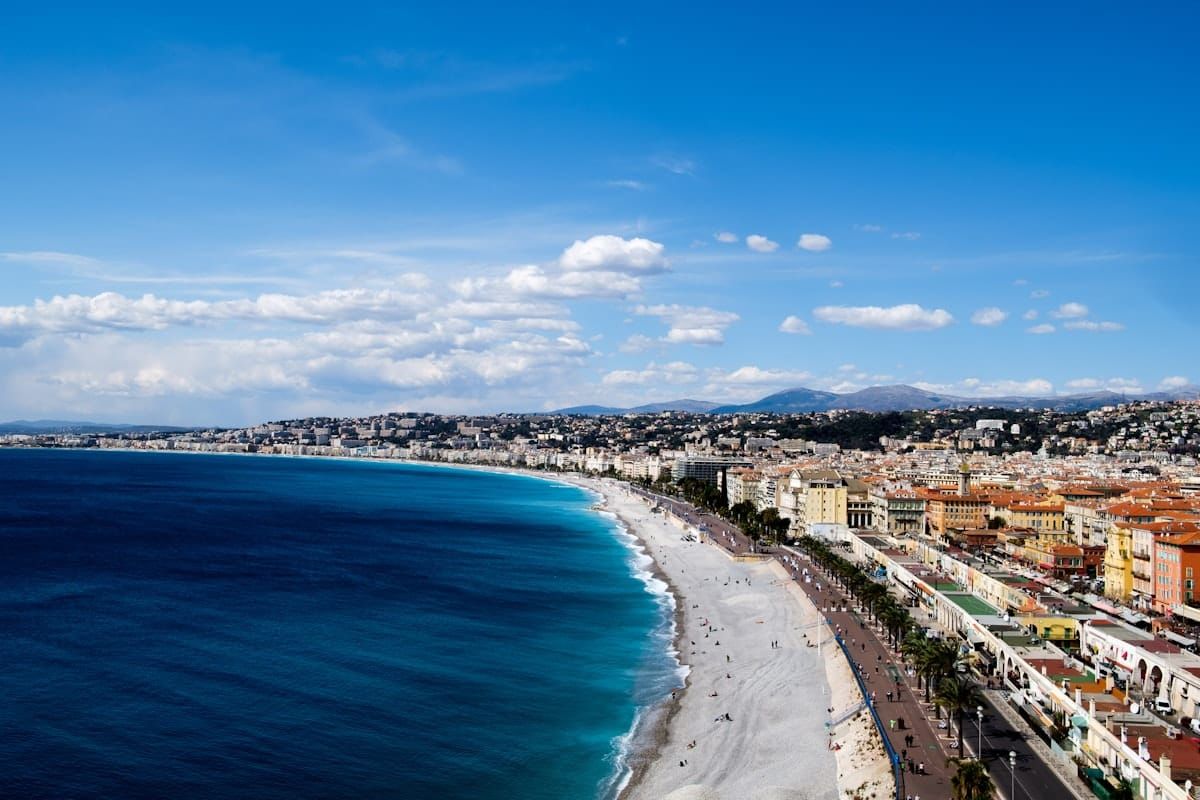
Alpine & Riviera Discovery: Lake Geneva to the Cote d'Azur
14 Nights · Switzerland · France · Italy · Monaco · Couple
A 14-night grand loop from Lake Geneva across the French Alps to Provence, the French Riviera, Italy's Piedmont and back through the Swiss Alps to the Swiss Riviera, connected by scenic high-speed and mountain trains.
Highlights: Aiguille du Midi cable car to 3,842m for 360-degree Mont Blanc views · TGV to Provence: the Papal Palace and the Roman Pont du Gard · French Riviera days in Nice, hilltop Eze and glamorous Monte Carlo · Gornergrat cogwheel railway for face-to-face Matterhorn views · Chateau de Chillon and the UNESCO Lavaux vineyard terraces
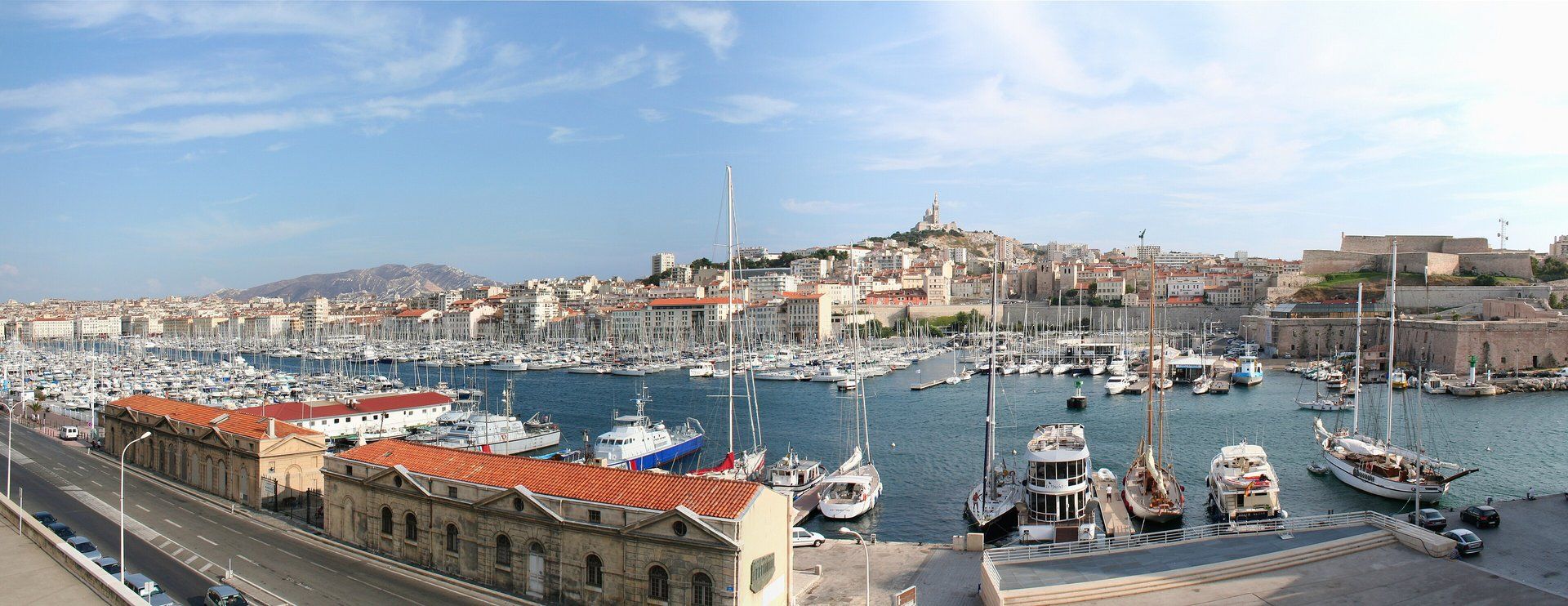
Amsterdam, Paris, Bordeaux & Marseille by Rail
10 Nights · Netherlands · France · Couple
Amsterdam's museums and Paris's landmarks give way to Bordeaux wine country and the sun-baked Provencal coast. An all-rail route — Eurostar and three TGV legs — reaches Saint-Emilion's chateaux and the turquoise Calanques without a single internal flight.
Highlights: Anne Frank House and Van Gogh Museum in Amsterdam · Eiffel Tower, the Louvre and Versailles in Paris · Fast TGV to Bordeaux and a Saint-Emilion wine day trip · Calanques National Park boat trip from Cassis · Day trip to Aix-en-Provence or Avignon · Sunset at Notre-Dame de la Garde over Marseille's Vieux Port
Pair the highlights of Provence-Alpes-Côte-d’Azur into one easy trip — we'll plan the route.
WhatsApp
Contact Us
Get in touch with us.
Get in touch
Contact Us
Tell us where you'd like to go and how you like to travel. A real Tripcuro planner — not a bot — will craft an itinerary around you.
- Personalised, hassle-free planning end-to-end
- Transparent pricing, no hidden costs
- 24/7 support for complete peace of mind