
Jingmen
Hubei Sheng, China
Why visit Jingmen?
Jingmen (荆门) is a prefecture-level city in the central-western part of Hubei Province in south-central China, with a population of about 2.6 million. Known as the "Gateway to Jingchu" (荆楚门户), it is one of the cradles of Chu culture — the powerful kingdom that dominated the middle Yangtze region during the Warring States period. The city blends historical heritage with modern industry, and its surroundings include the Zhanghe Scenic Area, Dahong Mountain, and the Xianling Mausoleum, a UNESCO World Heritage Site.
The city has a subtropical monsoon climate with four distinct seasons. Summers (June–August) are hot and humid, with average highs around 32 °C and significant rainfall in July (around 182 mm). Winters (December–February) are cool, with average lows around 3 °C and occasional frost. The best times to visit are spring (April–May) and autumn (September–October), when temperatures are pleasant and rainfall is moderate.
Planning Jingmen? Tell us your dates and we’ll tailor the trip.
Ask on WhatsAppHow do you get there?
By plane
Jingmen does not have a commercial airport. The nearest airports are Yichang Sanxia Airport (IATA: YIH), about 130 km southwest, and Wuhan Tianhe International Airport (IATA: WUH), about 200 km east. Both are connected to Jingmen by expressway and bus services.
By train
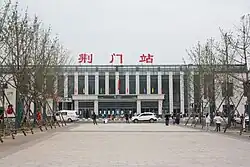
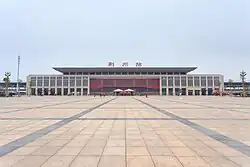
Jingmen Railway Station is on the Jiaozuo–Liuzhou Railway, with direct trains to Wuhan (about 3–4 hours), Yichang, Xiangyang, and other cities. The city is not yet on the high-speed rail network, but the Wuhan–Yichang corridor passes nearby.
By bus
Jingmen is connected to Wuhan (about 3 hours), Yichang, Xiangyang, and other Hubei cities via the G42 and G55 expressways. The Jingmen Long-distance Bus Station is centrally located.
City buses cover the urban area and are inexpensive (¥1–2 per ride). Taxis start at ¥5–7. The city is relatively compact, and most attractions in the urban area are within 15 minutes of each other by car. For trips to Dahong Mountain or the Xianling Mausoleum, hiring a car or joining a tour is the most practical option. Ride-hailing apps such as Didi operate in the city.
What are the things to do?
Xianling Mausoleum (明显陵) — A UNESCO World Heritage Site located in Zhongxiang (administered by Jingmen), this is the tomb of the Ming Dynasty Emperor Jiajing's parents. The elaborate complex features ceremonial halls, a sacred way with stone carvings, and a unique double-ring burial mound. Entry is approximately ¥60–80.
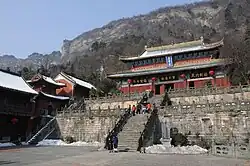
Dahong Mountain (大洪山) — A scenic mountain area on the border of Jingmen and Suizhou, featuring Buddhist temples, waterfalls, ancient trees, and hiking trails. It has been a Buddhist pilgrimage site since the Tang Dynasty. Entry is around ¥80.
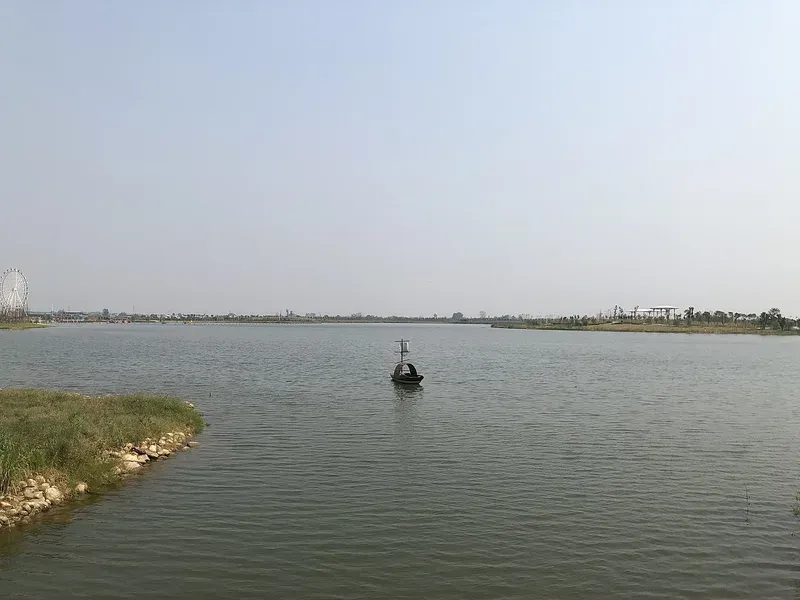
Zhanghe Scenic Area (漳河风景区) — A reservoir-based scenic area with clear waters, forested hills, and small islands. Popular for boating, hiking, and weekend picnics. Entry is about ¥40–60.
Jingmen Museum (荆门博物馆) — Houses artefacts from the Chu culture period, including bronze vessels, lacquerware, and bamboo slips. Free entry with valid ID.
Old Gate Tower (古城门) — The reconstructed city gate that gave Jingmen its name ("Gate of Jing"), a symbol of the city's historical role as a strategic pass.
Hiking at Dahong Mountain — Multiple trails of varying difficulty wind through the mountain, from gentle temple walks to full-day ridge hikes. The autumn foliage (October–November) is particularly scenic.
Boating on Zhanghe Reservoir — Rent a small motorboat or take a scenic cruise on the reservoir, which covers over 100 km².
Chu culture exploration — Visit the Jingmen Museum and nearby archaeological sites to learn about the ancient Chu Kingdom, which flourished from the 8th to 3rd centuries BC.
Hot springs — Several hot spring resorts operate in the Dahong Mountain area, popular in autumn and winter.
Planning Jingmen? Want these on a customised itinerary?
Ask on WhatsAppWhere to eat?
Jingmen cuisine follows the broader Hubei tradition of bold, slightly spicy flavours with an emphasis on freshwater fish and river shrimp. Signature dishes include zhengzheng yu (蒸蒸鱼), a steamed fish preparation, and mifen zhengrou (粉蒸肉), steamed pork with rice flour. Hot dry noodles (热干面) are available as a popular breakfast item, and local night markets along the riverfront offer grilled skewers, stews, and noodles. A typical meal at a local restaurant costs ¥30–60 per person.
Where to drink?
Tea culture is strong in Hubei; try local green tea varieties available at teahouses throughout the city. Jingmen produces its own baijiu (white liquor), and local brands are served at most restaurants. Beer from national brands like Yanjing and Snow is widely available. Nightlife is limited to casual bars and KTV venues.
Planning Jingmen? We’ll book the stays and dining for you.
Ask on WhatsAppWhere to stay?
Accommodation is concentrated in the city centre, with a range of budget hotels and a few mid-range options. International-standard hotels are scarce. For visits to Dahong Mountain or Xianling Mausoleum, guesthouses in Zhongxiang or near the mountain are available. Prices are modest by Chinese standards, typically ¥100–300 per night.
What should you buy?
Local specialties include Zhongxiang honey peaches (钟祥蟠桃), Jingmen sesame cakes (荆门芝麻饼), and Chu-style lacquerware reproductions. The commercial streets around Tuanjie Street in the city centre have shops selling regional foods and handicrafts.
Where to go next?
- Wuhan (武汉) — About 200 km east, the provincial capital with the Yellow Crane Tower, Hubei Provincial Museum, and vibrant street food scene.
- Yichang (宜昌) — About 130 km southwest, the gateway to the Three Gorges Dam and scenic Yangtze River cruises.
- Xiangyang (襄阳) — About 120 km north, known for its ancient city walls and its role in the Three Kingdoms period.
- Zhongxiang (钟祥) — About 50 km southeast, home to the Xianling Mausoleum and other Ming Dynasty heritage sites.
Nearby in Hubei Sheng
More places to explore around Jingmen.
Guide content as of June 2026. Portions adapted from Wikivoyage, CC BY-SA 4.0.

Contact Us
Get in touch with us.
Get in touch
Contact Us
Tell us where you'd like to go and how you like to travel. A real Tripcuro planner — not a bot — will craft an itinerary around you.
- Personalised, hassle-free planning end-to-end
- Transparent pricing, no hidden costs
- 24/7 support for complete peace of mind