
Tomb of King Kongmin
Kaeseong, North Korea
Why visit Tomb of King Kongmin?
The Tomb of King Kongmin (Korean: 공민왕릉) is a pair of royal burial mounds located on a gentle hillside approximately 12 km northwest of Kaesong, North Korea. The tombs house King Kongmin (1330–1374), the 31st and penultimate king of the Goryeo dynasty, and his Mongol-born consort Queen Noguk (Princess Borjigin, ?–1365). King Kongmin — also known by his temple name King Gongmin — is remembered for his attempts to reform the corrupt Goryeo court, resist Mongol domination, and reclaim lost northern territories. His queen, a Mongol princess of the Yuan court, died in 1365, and the heartbroken king is said to have personally supervised the construction of her tomb before building his own beside it.
The twin mounds are among the finest examples of Goryeo-era royal tomb architecture on the Korean peninsula. Each mound is surrounded by carved stone railings and guarded by pairs of stone civil officials (munin) and military officials (muin), along with stone sheep and tigers. The tombs are included in the Kaesong Historic Sites UNESCO World Heritage listing, inscribed in 2013. The setting is rural and peaceful, with views across the surrounding farmland and low hills — a landscape largely unchanged since the 14th century.
The climate is continental: warm, humid summers (June–August, 25–32 °C) and cold, dry winters (December–February, down to −12 °C). Spring and autumn offer the most pleasant conditions for the walk up to the tombs.
Planning Tomb of King Kongmin? Tell us your dates and we’ll tailor the trip.
Ask on WhatsAppHow do you get there?
By Plane
The nearest international airport is Pyongyang Sunan International Airport (FNJ), approximately 150 km north. All foreign visitors arrive via Pyongyang. There is no airport in Kaesong.
By Train
Kaesong railway station is the nearest railhead, but scheduled services for foreign tourists are not regularly available. The tombs are outside the city centre and require road transport.
By Car / Road
The tombs are reached by a roughly 20-minute drive northwest from central Kaesong on rural roads. From Pyongyang, the total journey is approximately 160 km (2–2.5 hours) via the Reunification Highway and then west from Kaesong. From Seoul, the tombs are roughly 80 km north of the DMZ, but access from the South is not possible for ordinary tourists. All visits are as part of a government-organised North Korean tour.
There is no local transport. Your tour vehicle will drive to a car park at the base of the hillside. From there, a paved path leads approximately 200–300 metres uphill on foot to the tomb mounds. The walk is moderately steep but manageable for most visitors. The site is compact — allow 30–45 minutes for a thorough visit.
What are the things to do?
Twin Royal Tomb Mounds — The two large, grass-covered burial mounds sit side by side on the hilltop, surrounded by stone railings carved with lotus and cloud motifs. King Kongmin's tomb is on the left; Queen Noguk's is on the right.
Stone Guardian Figures — Pairs of carved stone civil officials and military officials stand in attendance before each tomb, along with stone sheep and tigers. The military figures wear full armour and carry swords; the civil officials hold tablets. These are among the most expressive Goryeo-era stone carvings in Korea.
Stone Railings and Decorative Carvings — The lotus-petal and cloud-pattern carvings on the stone fences surrounding the mounds are detailed and well-preserved.
Hillside Setting — The elevated position offers panoramic views of the rural Kaesong countryside, with rice paddies and low hills stretching to the horizon.
Information Panels — Explanatory panels at the site (in Korean, occasionally with English summaries) provide historical context on King Kongmin's reign and his relationship with the Yuan-Mongol court.
Guided Tomb Visit — The standard activity. A guide will explain the history of King Kongmin, the Goryeo dynasty's decline, and the significance of the funerary art. The visit typically takes 30–45 minutes on site.
Photography — The stone figures and the twin mounds against the rural backdrop make for compelling photography, especially in soft morning or late-afternoon light.
Combination Tour — The tomb is usually visited as part of a broader Kaesong day tour that also includes Songgyungwan, the Koryo Museum, Sonjuk Bridge, and sometimes the old city walls. The tomb's rural location makes it a natural "outer Kaesong" stop.
Planning Tomb of King Kongmin? Want these on a customised itinerary?
Ask on WhatsAppWhere to eat?
Meals are provided as part of the tour. Kaesong's traditional cuisine is a highlight of any visit. Most tours serve lunch at the Kaesong Folk Hotel or a designated restaurant, featuring naengmyeon (cold buckwheat noodles), bossam (pork wrapped in cabbage), and an array of small side dishes. The tomb is outside the city, so no dining is available on site.
Where to drink?
No independent drinking establishments are accessible near the tomb. Tour dining venues offer North Korean beer, soju, and Koryo Insam Liquor (ginseng spirit). Carry bottled water — the hillside walk can be warm in summer.
Planning Tomb of King Kongmin? We’ll book the stays and dining for you.
Ask on WhatsAppWhere to stay?
Tourists stay in Pyongyang or, on overnight Kaesong itineraries, at the Kaesong Folk Hotel.
- Budget: Not applicable — independent travel is not possible in this area.
- Mid-range: Kaesong Folk Hotel (Minsok Hotel) — Traditional courtyard guesthouse. Typically US$80–120 per night, included in tour packages.
- Upscale / heritage: Yanggakdo International Hotel in Pyongyang (US$150–200 per night) or the Koryo Hotel, for those returning to the capital.
What should you buy?
There are no shops at the tomb site. Souvenirs — postcards, stamps, books on Korean history, and miniature Goryeo celadon reproductions — are available at the Kaesong Koryo Museum gift shop in central Kaesong. Kaesong ginseng products are a well-known local specialty.
Where to go next?
- Kaesong city centre (approximately 20 minutes' drive) — Songgyungwan academy, Koryo Museum, Sonjuk Bridge, and the old city walls. Usually visited as part of the same day trip.
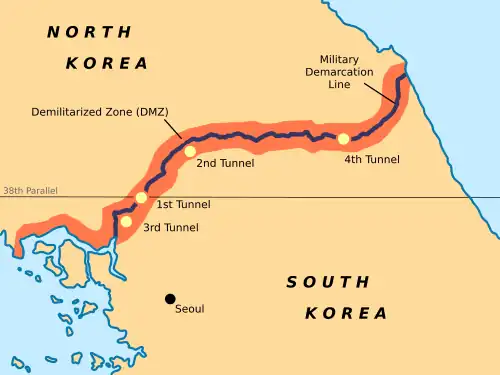
- Panmunjom / DMZ (approximately 40 km south of the tomb) — The Joint Security Area and Demilitarized Zone, site of the 1953 Korean War armistice.
- Pyongyang (approximately 160 km north, 2–2.5 hours by road) — The North Korean capital with Mansudae Grand Monuments, Kim Il-sung Square, and the Pyongyang Metro.
- Mt. Songgisan (approximately 50 km southeast) — A scenic mountain area with hiking trails and Buddhist temple ruins, though access for foreigners is limited.
Nearby in Kaeseong
More places to explore around Tomb of King Kongmin.
Guide content as of June 2026.

Contact Us
Get in touch with us.
Get in touch
Contact Us
Tell us where you'd like to go and how you like to travel. A real Tripcuro planner — not a bot — will craft an itinerary around you.
- Personalised, hassle-free planning end-to-end
- Transparent pricing, no hidden costs
- 24/7 support for complete peace of mind