
Sonjuk Bridge
Kaeseong, North Korea
Why visit Sonjuk Bridge?
Sonjuk Bridge (Korean: 선죽교, also romanised Sŏnjukkyo) is a small, ancient stone bridge in the heart of Kaesong, North Korea. Though modest in size — just 8.35 metres long and 3.36 metres wide — it is one of the most historically significant monuments in Korea. The bridge is best known as the site where the Goryeo-dynasty scholar-official Jeong Mong-ju (정몽주, 1337–1392) was assassinated on the orders of Yi Bang-won, the fifth son of General Yi Seong-gye, who would go on to found the Joseon dynasty. Jeong's refusal to defect from the doomed Goryeo court, and his loyalty unto death, made him an enduring symbol of Confucian fidelity in Korean culture.
The bridge dates originally to the Goryeo period (918–1392) and is the oldest surviving stone bridge on the Korean peninsula. A portion of dark brownish-red stain on the bridge surface is traditionally — and poetically — said to be the blood of Jeong Mong-ju, which reputedly never faded. The bridge was designated North Korean National Treasure No. 126 and underwent conservation work in the 20th century. It now sits in a small landscaped park, crossed by a protective fence, with explanatory panels in Korean and sometimes in English for foreign visitors.
Kaesong has a continental climate: warm, humid summers (June–August, 25–32 °C) and cold, dry winters (December–February, down to −12 °C). Spring (April–May) and autumn (September–October) are the most comfortable seasons for a visit.
Planning Sonjuk Bridge? Tell us your dates and we’ll tailor the trip.
Ask on WhatsAppHow do you get there?
By Plane
The nearest international airport is Pyongyang Sunan International Airport (FNJ), approximately 140 km north of Kaesong. All foreign visitors arrive via Pyongyang. There is no civilian airport in Kaesong.
By Train
Kaesong railway station connects to Pyongyang, but regular scheduled services for foreign tourists are not standard. Most visits to Kaesong, and hence to Sonjuk Bridge, are by road.
By Car / Road
Kaesong is about 140 km south of Pyongyang (approximately 2 hours) via the Reunification Highway. Sonjuk Bridge is located in central Kaesong, within the old walled city area, a short walk from the Kaesong Koryo Museum and Songgyungwan academy. All visits are part of government-organised tours; independent driving is not possible for foreign tourists.
Sonjuk Bridge is a small landmark in the centre of Kaesong and is visited on foot as part of a guided walking tour of the city's historic core. The bridge sits near several other key sites — the Kaesong Koryo Museum, Songgyungwan, the old city walls, and the Namdaegun gate — all reachable within a few minutes' walk. There is no local public transport system available to tourists; your tour bus or vehicle will park nearby.
What are the things to do?
Sonjuk Bridge — The small stone bridge itself, dating from the Goryeo period (likely 13th century). The preserved blood stain of Jeong Mong-ju is visible on one of the bridge stones, marked by a protective fence. A stone monument (Pyochung bi) erected nearby in 1740 commemorates Jeong's loyalty.
Pyochungbi Monument — A stone stele adjacent to the bridge, erected by the Joseon court to honour Jeong Mong-ju's loyalty to the Goryeo dynasty. Inscribed with commemorative text in classical Chinese.
Songgyungwan Academy — The National Academy of the Goryeo dynasty (992 CE), located within walking distance. Traditional wooden halls set on a tranquil hillside, with the adjacent Kaesong Koryo Museum.
Kaesong Koryo Museum — Housed in the former Sungyang Confucian School, displaying Goryeo-era ceramics, metalwork, and documents. Usually visited as part of the same walking tour.
Kaesong City Walls (Namdaegun Gate) — The old city fortifications, with the reconstructed south gate offering views over the city. The wall walk connects to several other heritage points.
Guided Heritage Walk — The standard way to see Sonjuk Bridge is on a guided walking tour of old Kaesong, which typically includes the bridge, Songgyungwan, the Koryo Museum, and the city walls. Guides provide historical commentary on the Goryeo dynasty and the fall that Jeong Mong-ju's assassination symbolised.
Photography — The bridge is a popular photography subject, especially in the soft light of early morning or late afternoon. The blood stain and the Pyochungbi stele are the most-photographed elements.
Study of Confucian History — For those with an interest in Korean philosophy and political history, the bridge and the nearby academy form a coherent circuit illustrating the Confucian values that shaped the Goryeo-to-Joseon transition.
Planning Sonjuk Bridge? Want these on a customised itinerary?
Ask on WhatsAppWhere to eat?
Meals are provided as part of the tour package. Kaesong cuisine is celebrated for its refined traditional dishes. Most tours serve lunch featuring naengmyeon (cold buckwheat noodles), bossam (boiled pork with cabbage wraps), and a generous spread of side dishes. Meals are typically taken at the Kaesong Folk Hotel or a designated tourist restaurant.
Where to drink?
No independent cafés or bars are accessible at the bridge or nearby. Tour dining venues offer North Korean beer, soju, and the local specialty Koryo Insam Liquor (ginseng liquor). Bottled water is recommended.
Planning Sonjuk Bridge? We’ll book the stays and dining for you.
Ask on WhatsAppWhere to stay?
Tourists visiting Sonjuk Bridge stay in Pyongyang or, on overnight Kaesong itineraries, at the Kaesong Folk Hotel.
- Budget: Not applicable — independent travel is not possible in this area.
- Mid-range: Kaesong Folk Hotel (Minsok Hotel) — Traditional courtyard guesthouse in converted old merchant houses. Typically US$80–120 per night, included in tour packages.
- Upscale / heritage: Yanggakdo International Hotel in Pyongyang (US$150–200 per night) or the Koryo Hotel, for those returning to the capital.
What should you buy?
There are no shops at the bridge itself. Tour gift shops at the nearby Koryo Museum sell postcards, stamps, and books on Korean history. Kaesong ginseng products may be available at designated tourist shops in the city.
Where to go next?
- Songgyungwan Academy (under 500 m) — The Goryeo National Academy with its traditional wooden halls and the adjacent Koryo Museum. Part of the same walking tour.
- Tomb of King Kongmin (approximately 12 km northwest) — The twin royal tombs of the 31st Goryeo king, set on a hillside with panoramic views. UNESCO-listed as part of the Kaesong Historic Sites.
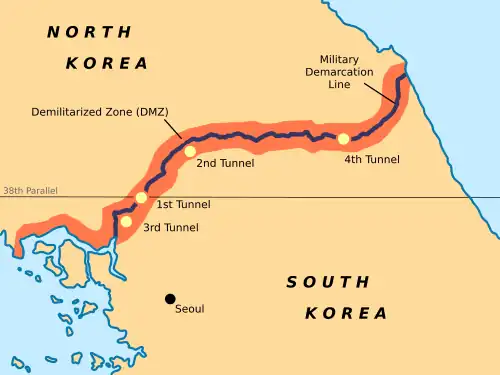
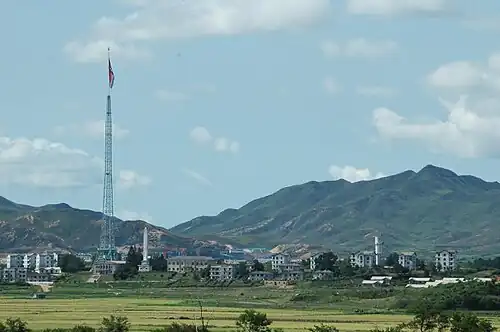
- Panmunjom / DMZ (approximately 30 km south) — The Joint Security Area and Demilitarized Zone, a Cold War relic and site of the 1953 armistice.
- Pyongyang (140 km north) — The North Korean capital, approximately 2 hours by road. Key sites include Mansudae Grand Monuments, Kim Il-sung Square, and the Pyongyang Metro.
- Kaesong Namdaegun (under 1 km) — The reconstructed south gate of the old Kaesong city walls.
Nearby in Kaeseong
More places to explore around Sonjuk Bridge.
Guide content as of June 2026.

Contact Us
Get in touch with us.
Get in touch
Contact Us
Tell us where you'd like to go and how you like to travel. A real Tripcuro planner — not a bot — will craft an itinerary around you.
- Personalised, hassle-free planning end-to-end
- Transparent pricing, no hidden costs
- 24/7 support for complete peace of mind