
Tokyo
Japan · Prefecture · 26 destinations with guides
Photography coming soonOverview
Tokyo Prefecture (東京都, Tōkyō-to) is the political, economic, and cultural heart of Japan, home to roughly 14 million residents within an administrative area that stretches from the dense urban core out across the Tama suburbs to the volcanic Izu and Ogasawara Islands nearly 1,000 km south in the Pacific. The prefecture is officially a to (metropolis) rather than a regular ken, and is unusual in that no single "city of Tokyo" exists — what most travellers picture as Tokyo is actually the 23 special wards (特別区, tokubetsu-ku), each with its own mayor and council, looped together by the JR Yamanote Line.
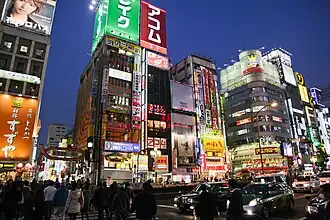
The character of the prefecture shifts dramatically as you move outwards. Inside the Yamanote loop you'll find the former shogunal city of Edo, now a layered constellation of districts: the imperial gravitas of Chiyoda, the luxury retail of Ginza, the youthful frenzy of Shibuya and Harajuku, the neon canyons of Shinjuku and Kabukichō, and the otaku heartland of Akihabara. North and east lies shitamachi — "downtown" old Tokyo — where Asakusa's Sensō-ji, Yanaka's wooden lanes, and Ryōgoku's sumo stables preserve an Edo-era feel. West of the wards, the Tama region opens up into hiking country around Mt. Takao and Okutama, while the Izu and Ogasawara island chains offer subtropical beaches, diving, and (on Chichijima/Hahajima) UNESCO-listed endemic wildlife.
For travellers, Tokyo's defining quality is density of contrast: a 20-minute train ride can take you from a 17th-century Buddhist temple to a robot-themed bar to a Michelin-starred sushi counter to a forested gorge. It rewards both ticking off landmarks and aimless wandering — the "real" Tokyo is just as often found behind a noren curtain in a back alley as on top of a 350-metre observation deck.
When to Visit
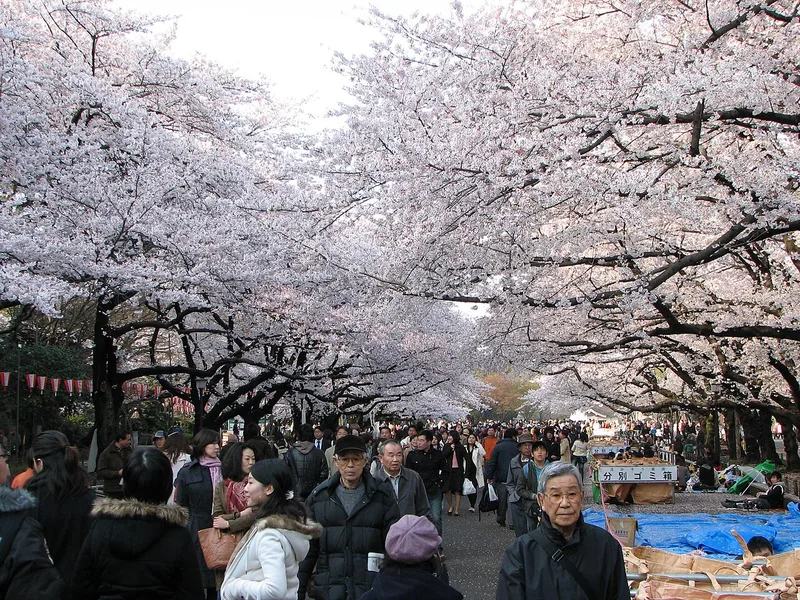
The two prime windows are late March to early April for cherry blossoms (sakura) — Ueno Park, the Meguro River, Chidorigafuchi moat, and Shinjuku Gyoen are the showpiece spots — and late October to early December for autumn colour at Rikugien, Koishikawa Korakuen, and the ginkgo avenue at Meiji Jingu Gaien. Both seasons combine mild temperatures (10–20 °C) with low rainfall.
May is arguably the single most pleasant month: warm, dry, and bracketed by Golden Week (29 April – 5 May, when domestic travel peaks and prices spike) and the Sanja Matsuri in Asakusa. June brings the tsuyu rainy season — a month of drizzle and overcast skies — best timed with hydrangea blooms at Hakusan Shrine and Sumida Park.
July and August are punishing: daytime highs of 31–35 °C combine with humidity that pushes the heat index past 40 °C, and tropical nights rarely drop below 25 °C. The compensations are spectacular fireworks (Sumidagawa Fireworks Festival on the last Saturday of July) and summer matsuri, but heatstroke is a real risk and most travellers should avoid this window if they can. September brings typhoon risk, though direct hits are uncommon.
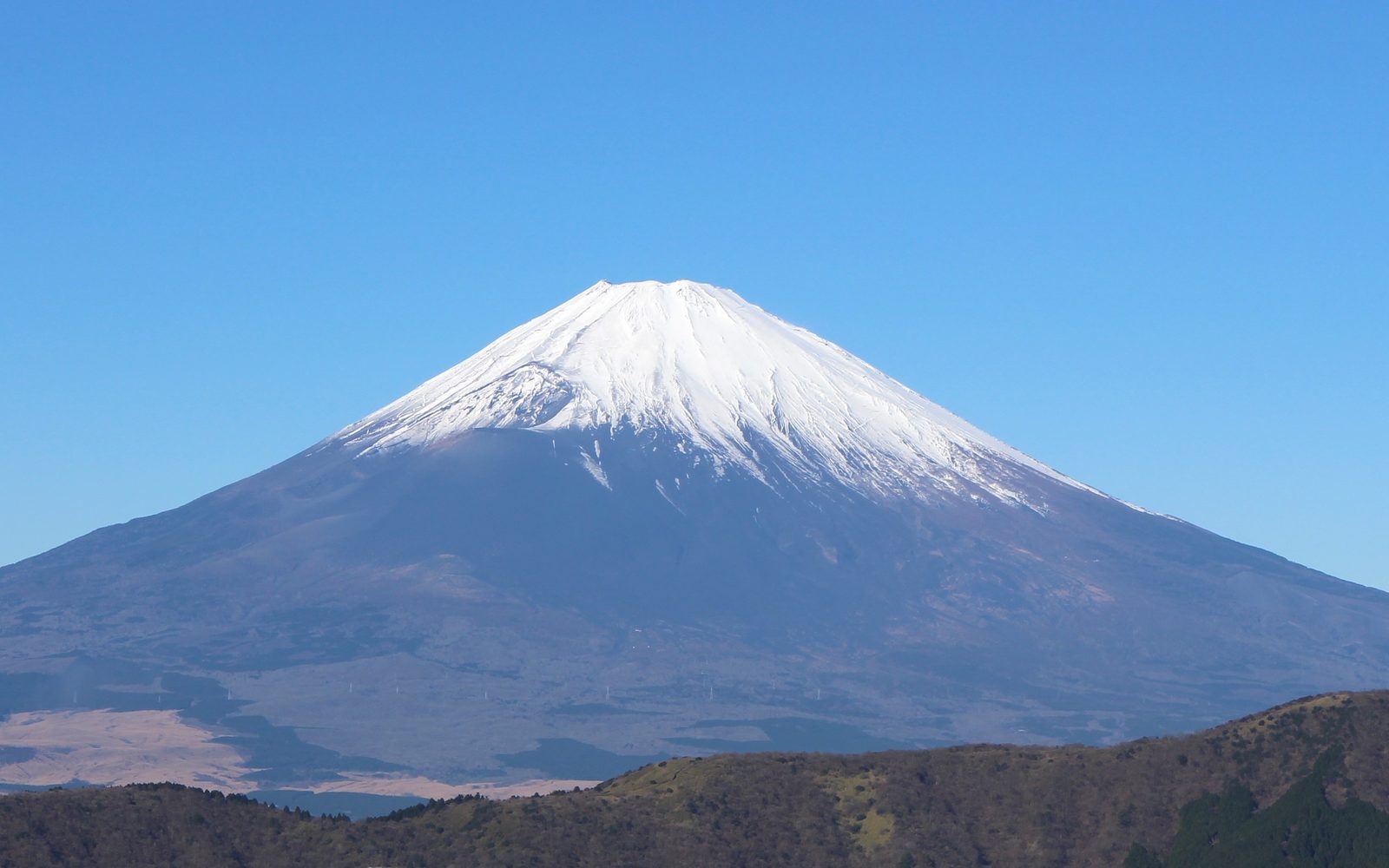
Winter (December–February) is cold but generally dry and sunny — typically 0–10 °C — and offers clear views of Mt. Fuji from the Tama hills and the western observation decks. Snow is rare but paralysing when it arrives. The urban heat island keeps the wards 1–2 °C warmer than outlying Tama. The Izu Islands stay milder year-round (lows around 8 °C even in January).
Tell us your dates and we'll shape a Tokyo route around them.
WhatsAppGetting Around
Within the prefecture, rail is unrivalled. Tokyo has the densest urban rail network on earth: 13 Tokyo Metro and Toei subway lines, the JR Yamanote loop, plus radiating JR and private lines (Keio, Odakyū, Tōbu, Seibu, Tōkyū, Keisei). A rechargeable Suica or PASMO IC card (¥500 deposit + load) works on every train, bus, and most convenience stores. Single fares run ¥150–¥320; a Tokyo Subway 24/48/72-hour pass (¥800/¥1,200/¥1,500, available at airports and major stations to foreign-passport holders) is excellent value if you're sticking to the wards.
To reach the Tama region, the JR Chūō Line runs west from Shinjuku to Tachikawa, Hachiōji, and Takao (about 50 min, ¥570). The Keiō Line is often a few yen cheaper to overlapping destinations. Mt. Takao is the end of the Keiō Takao Line (~50 min from Shinjuku, ¥430). For Okutama, change at Tachikawa for the JR Ōme/Itsukaichi lines (~90 min total).
The Izu Islands are reached by overnight ferry from Takeshiba Pier near Hamamatsuchō (Tōkai Kisen, ~10–11 hr to Ōshima, from ¥4,800 second-class) or by ANA flight from Haneda to Ōshima (25 min) or Hachijōjima (55 min). The remote Ogasawara (Bonin) Islands are served only by the Ogasawara-maru ferry from Takeshiba — a 24-hour, ~¥27,000 one-way crossing that runs roughly weekly.
Taxis are plentiful, metered, and clean — flag-fall is ¥500 for the first 1.096 km, then ¥100 per ~255 m. They're useful late at night after the trains stop around 00:30 (last trains) until ~05:00.
Cuisine
Tokyo invented or perfected several of Japan's most iconic dishes during its Edo period, and the regional style is collectively known as Edomae (江戸前, "in front of Edo"), referring to fish caught in Tokyo Bay.
- Edomae sushi — vinegared rice topped with fish that was historically marinated, cured, or lightly cooked to survive the pre-refrigeration city. Tsukiji Outer Market still has affordable counters (Sushi Dai, Daiwa Sushi at the Toyosu market relocation; expect ¥4,000–¥6,000 for the chef's set). High-end omakase at Sukiyabashi Jiro, Sushi Saito, and Sushi Yoshitake runs ¥40,000–¥80,000.
- Tempura — Edo-period street food, now refined. Try Tempura Kondō (Ginza) or the more accessible Tsunahachi (Shinjuku, sets from ¥2,000).
- Soba — buckwheat noodles, eaten cold with tsuyu dipping sauce. Kanda Yabu Soba and Sarashina Horii are 19th-century institutions.
- Monjayaki — Tokyo's looser, more savoury cousin to Osaka's okonomiyaki, cooked on a teppan at your table. Tsukishima's "Monja Street" has 70+ specialist shops.
- Chankonabe — the protein-heavy hot pot eaten by sumo wrestlers; restaurants cluster in Ryōgoku near the Kokugikan.
- Ramen — Tokyo-style is shoyu (soy-based) with curly noodles. Pilgrimage spots include Tsuta (the first ramen shop to win a Michelin star), Afuri (yuzu-shio), and the late-night ramen alleys in Shinjuku's Omoide Yokochō.
For atmosphere, Omoide Yokochō (Shinjuku) and Nonbei Yokochō (Shibuya) are post-war drinking alleys lined with six-seat yakitori counters; Ameyoko (Ueno) is a chaotic open-air market with cheap seafood and gyoza. Tokyo holds the most Michelin stars of any city in the world (consistently 200+).
Dietary notes: vegetarian/vegan options have improved sharply but are still limited at traditional restaurants — dashi (fish stock) is in almost everything. Apps like HappyCow are essential. Halal-certified ramen (Naritaya, Asakusa) and halal sushi exist but are uncommon. Most major restaurants have English or picture menus; convenience stores stock allergen-labelled bento.
Want the scenic legs and stays booked for you? Just ask.
WhatsAppCulture & Festivals
- Sanja Matsuri (third weekend of May, Asakusa) — Tokyo's wildest festival; ~100 mikoshi portable shrines paraded through the streets around Sensō-ji by 1.5–2 million people over three days.
- Kanda Matsuri (mid-May, odd-numbered years, Kanda Myōjin Shrine) — a 400-year-old procession dating to the Tokugawa victory at Sekigahara; alternates years with Asakusa's Sannō Matsuri.
- Sumida River Fireworks Festival (last Saturday of July) — 20,000+ shells launched over the Sumida near Asakusa; the original Edo-period hanabi festival, dating to 1733.
- Hanami (late March – early April) — not a single festival but a city-wide ritual of cherry-blossom picnics; Ueno, Yoyogi, Shinjuku Gyoen, and the Meguro River are the marquee spots.
- Sumo Grand Tournaments — three of Japan's six annual honbasho are held at Ryōgoku Kokugikan (January, May, September), each running 15 days. Tickets ¥3,800–¥20,000; same-day standing tickets sold from 07:45 outside the arena.
- Kōenji Awa Odori (last weekend of August) — a million spectators for a Tokushima-style dance festival imported into the western suburbs.
- Tori-no-Ichi (November, Otori shrines) — Edo-era "rooster fairs" selling ornate kumade rakes for good fortune.
- New Year (Hatsumōde) — Meiji Jingu draws ~3 million worshippers in the first three days of January, the largest such gathering in Japan.
Beyond festivals, Tokyo is the centre of Japan's traditional performing arts: kabuki at the Kabuki-za in Ginza (single-act tickets ¥1,000–¥2,000 at the door), noh at the National Noh Theatre in Sendagaya, and rakugo comic storytelling at Suzumoto Engeijō in Ueno. Crafts to look for include Edo kiriko cut glass, Edo komon stencil-dyed kimono fabric (Asakusa, Nihonbashi), and Imado-yaki pottery.
Notable Experiences
- A full day in shitamachi (old Tokyo) — sunrise at Sensō-ji before the crowds, breakfast in a Kappabashi café, the Edo-Tokyo Museum or Sumida Hokusai Museum, sumo stable-watching practice in Ryōgoku, and an evening of yakitori under the train tracks at Yūrakuchō. This single arc captures 400 years of the city's history.
- The Yamanote Line loop, end to end — a ¥150–¥210 Suica tap and ~60 minutes lets you ring central Tokyo, hopping off at any of the 30 stations. It's the cheapest, most efficient way to map the city in your head on day one.
- A pre-dawn morning at Toyosu Market — the successor to Tsukiji's inner market. The tuna auction viewing deck opens at 05:30; book the ground-level observation slot in advance via the Tokyo Metropolitan Government website. Follow with Edomae sushi at the on-site restaurants by 07:00.
- Mt. Takao day hike — 50 minutes from Shinjuku on the Keiō Line, eight marked trails, a 599-metre summit with a Mt. Fuji view on clear winter days, and Yakuō-in Temple en route. It's the most-climbed mountain in the world (~2.6 million visitors a year) for good reason.
- The Ogasawara Islands ferry pilgrimage — a 24-hour each-way crossing on the Ogasawara-maru to Chichijima, where you can swim with dolphins, dive walls of endemic coral, and sleep under genuinely dark skies. The islands are part of Tokyo Prefecture but feel as far from Shinjuku as anywhere in Japan, and their UNESCO-listed flora and fauna are the prefecture's most surprising travel asset.
Top Destinations
Every destination in Tokyo with a guide — tap a place for the full guide.

Akihabara
Akihabara (秋葉原), known in slang as Akiba, is Tokyo's "Electric Town",…
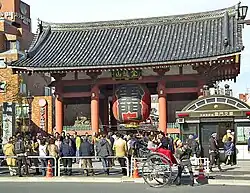
Asakusa
Asakusa (浅草) is a district of Tokyo's downtown Taitō ward, best known…
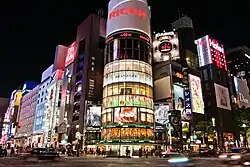
Ginza
Ginza (銀座) — literally "Silver Mint" — is the district of Tokyo in th…
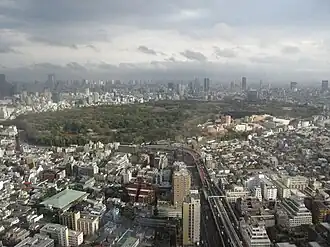
Harajuku
Harajuku (原宿) is a district of Tokyo's Shibuya ward and the spiritual…
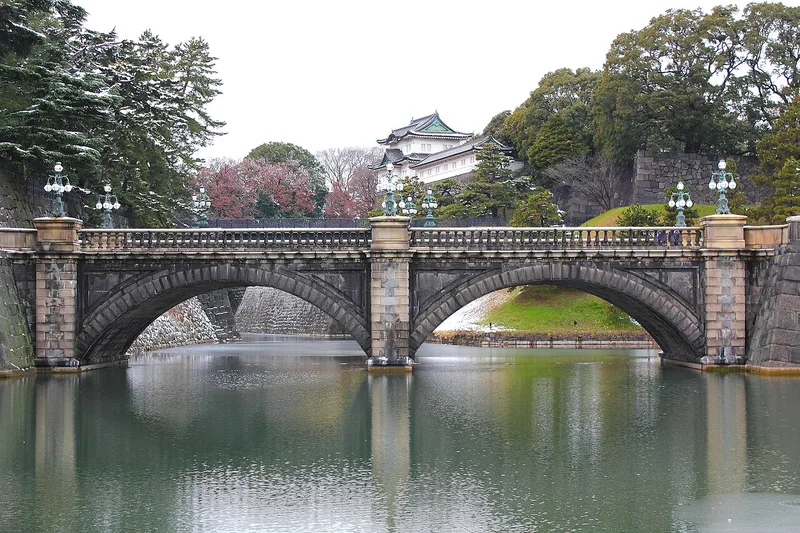
Imperial Palace
The Imperial Palace (皇居, Kōkyo) is the primary residence of the Emper…
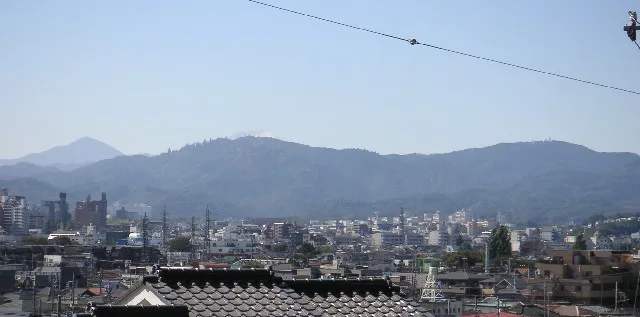
Mount Takao
Mount Takao (高尾山, Takao-san) is a 599-metre mountain on the western e…
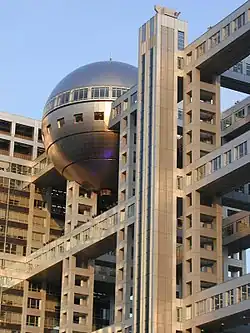
Odaiba
Odaiba (お台場) is a large artificial island in Tokyo Bay, a sprawl of h…
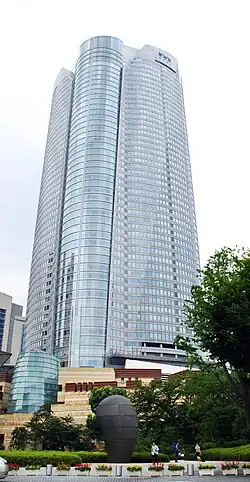
Roppongi
Roppongi (六本木) is an upscale section of Tokyo's Minato ward, long fam…
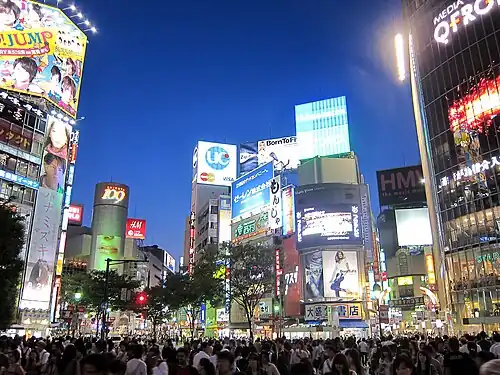
Shibuya
Shibuya (渋谷) is one of Tokyo's most famous shopping and entertainment…
Shinjuku
Shinjuku (新宿) is a central ward of Tokyo and one of the metropolis's…
Tokyo Skytree
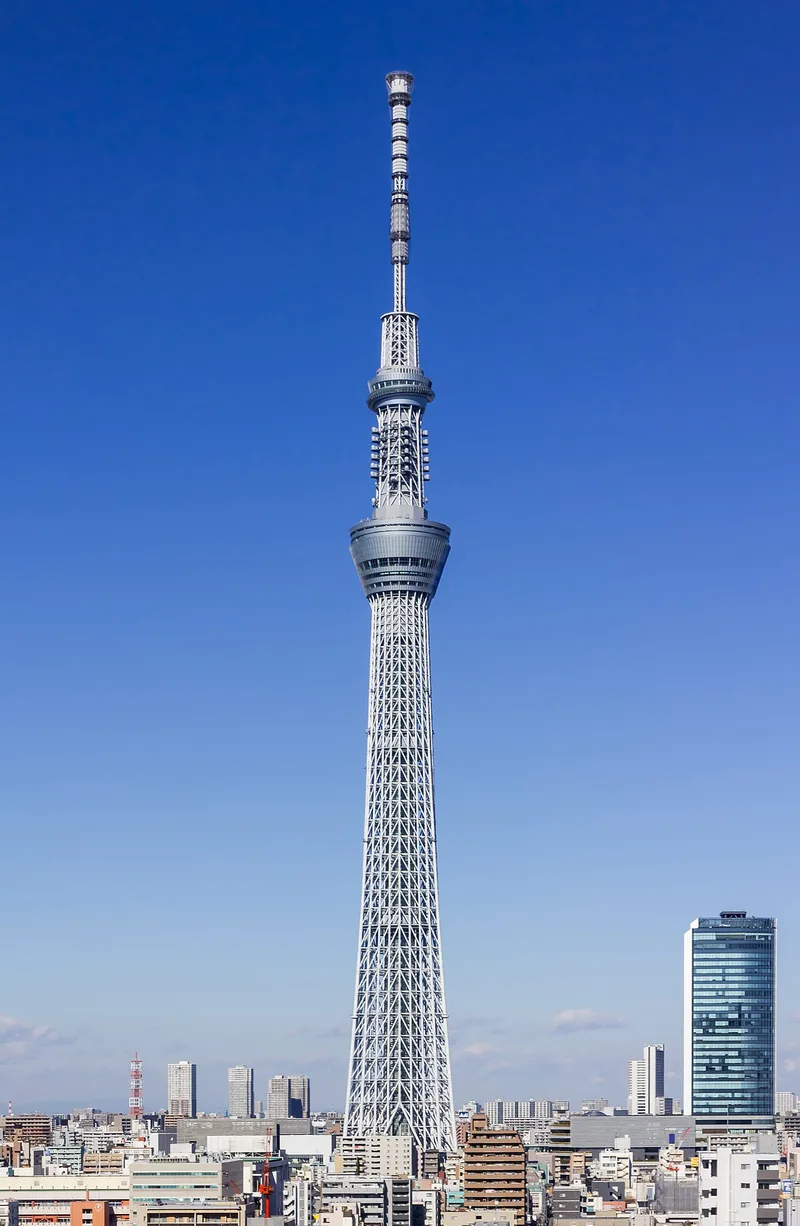
Tokyo Skytree (東京スカイツリー) is a broadcasting and observation tower in t…
Ueno
Ueno (上野) is a district in Tokyo's Taitō ward, on the northeastern si…
Chichibu-Tama-Kai National Park
Chichibu-Tama-Kai National Park (秩父多摩甲斐国立公園) is a vast mountainous na…
Chichijima
Chichijima (父島) is the main inhabited island of the Ogasawara Islands…
Chofu
Chofu (調布市) is a city in central Tokyo's Tama area, located along the…
Hachijojima
Hachijojima (八丈島) is a volcanic island in the Philippine Sea, about 2…
Hachioji
Hachioji (八王子市) is a city in western Tokyo, located at the foot of th…
Izu Oshima
Izu Oshima (伊豆大島) is the largest of the Izu Islands, administered by…
Machida
Machida (町田市) is a city in southern Tokyo, located about 40 km southw…
Mitaka
Mitaka (三鷹市) is a city in central Tokyo's Tama area, located about 20…
Niijima
Niijima (新島) is a volcanic island in the Izu chain, about 160 km sout…
Ogasawara National Park
Ogasawara National Park (小笠原国立公園) encompasses the Ogasawara Islands (…
Okutama
Okutama (奧多摩町, Okutama-machi) is a town in the far western reaches of…
Ome
Ome (青梅市) is a city in western Tokyo, located along the JR Ome Line i…
Tachikawa
Tachikawa (立川市) is a city in central Tokyo's Tama area, located about…
Tokyo
Tokyo (東京) is Japan's capital and one of the world's most populous an…
Sample itinerary
See how a trip to Tokyo comes together — a real Tripcuro plan, day by day.
 Sample Itinerary
Japan Anniversary Grand Tour
15 Nights · Japan · Anniversary couple
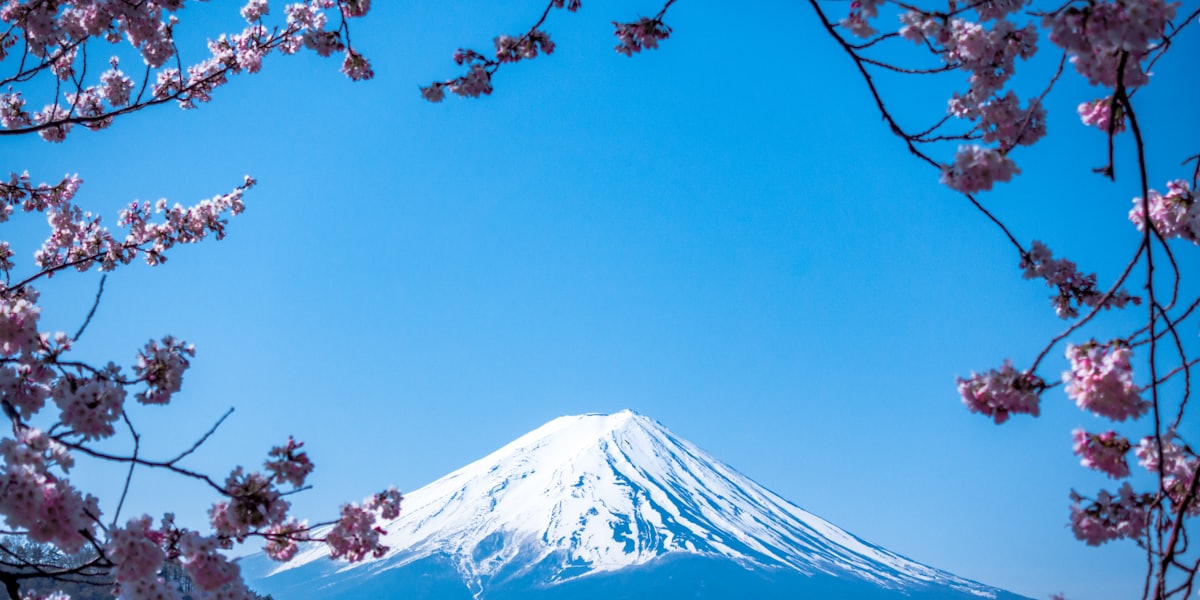
A 15-night grand loop of Japan for two: Osaka's neon streets, classic Kyoto temples, a private-onsen anniversary night in Hakone under Mt Fuji, Tokyo's teamLab and shopping, and Hokkaido's lavender fields.
Highlights: Golden Pavilion & Arashiyama bamboo grove · Fushimi Inari & Nara deer · Private open-air onsen ryokan in Hakone · Mt Fuji at Lake Kawaguchiko · teamLab Borderless & Planets in Tokyo · Furano lavender fields, Hokkaido
 Sample Itinerary
Japan Grand Tour: Hokkaido to Mt. Fuji
13 Nights · Japan · Family group · 5 adults (lacto-vegetarian)
A 13-night grand loop of Japan — Hokkaido's volcanic lakes and city tours, Kyoto's temples with a Nara day trip, Mt. Fuji's five lakes, and Tokyo's shrines, sumo and teamLab. Fully vegetarian-friendly throughout.
Highlights: Noboribetsu & Lake Toya from Sapporo · Otaru, Cape Kamui & the Blue Cave · Kyoto & Nara private day trip · Amanohashidate & Ine Bay fishing village · teamLab Borderless at Azabudai Hills · Live sumo show with a Tokyo guide
 Sample Itinerary
Japan Golden Route in Cherry Blossom Season
8 Nights · Japan · Group - 3 adults
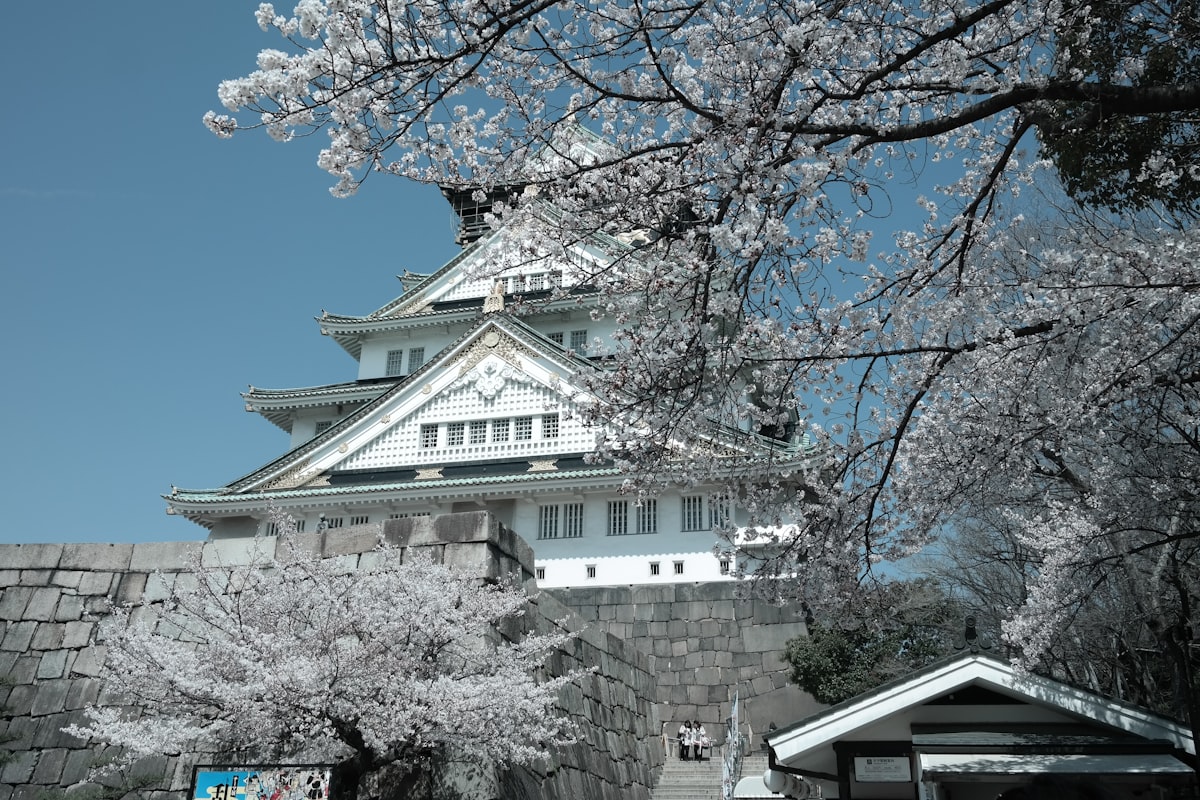
Ride the Golden Route in peak sakura season: Osaka Castle blossoms and Dotonbori street food, sacred Nara and Kyoto, a Hakone onsen night, then Tokyo and Mt Fuji — with transparent per-day costs.
Highlights: Osaka Castle sakura and Dotonbori takoyaki · Nara deer park and Todaiji Temple day trip · Kyoto's Philosopher's Path, Fushimi Inari and Arashiyama · Hakone onsen retreat with Lake Ashi cruise · Mt Fuji Five Lakes and Chureito Pagoda day trip · Transparent per-person daily budget throughout
Pair the highlights of Tokyo into one easy trip — we'll plan the route.
WhatsApp
Contact Us
Get in touch with us.
Get in touch
Contact Us
Tell us where you'd like to go and how you like to travel. A real Tripcuro planner — not a bot — will craft an itinerary around you.
- Personalised, hassle-free planning end-to-end
- Transparent pricing, no hidden costs
- 24/7 support for complete peace of mind