
Kinkasan
Miyagi, Japan
Why visit Kinkasan?
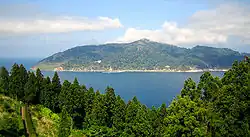
Kinkasan (金華山, also written Kinkazan) is a small, steep, forested island at the tip of the Oshika Peninsula, administratively part of Ishinomaki City in Miyagi Prefecture and not far from Sendai. The name means "Golden Flower Mountain," a reference both to the island's spiritual aura and to a short-lived gold-prospecting boom in its past. For centuries Kinkasan has been a place of pilgrimage, counted as one of the three holiest sites in the Tohoku region alongside the Dewa Sanzan and Osorezan.
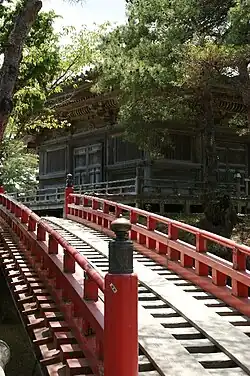
The island's heart is the impressive Koganeyama Shrine, dedicated to Ebisu and Daikoku, the gods of wealth and good fortune. Pilgrims come for prosperity: according to local belief, visiting the shrine once a year for three consecutive years guarantees freedom from money troubles for life. Women were barred from the island until the late 19th century; today it is open to all, and an overnight stay is the ideal way to experience its quiet, slightly otherworldly atmosphere.
There is little here beyond the shrine, the forest trails and the wildlife — and that is the point. Kinkasan is best visited from spring through autumn, when ferry services are most reliable and the hiking trails are at their best. Winter is cold and boat schedules thin out, and rough seas at any time of year can cancel sailings.
Planning Kinkasan? Tell us your dates and we’ll tailor the trip.
Ask on WhatsAppHow do you get there?
By Plane
The nearest major airport is Sendai Airport (SDJ). From there, travel by rail to Ishinomaki or Onagawa and continue to the island by ferry — see the train and ferry details below. This is a multi-stage journey; allow most of a day.
By Train
Kinkasan has no railway station, being an island; the rail journey only gets you to a mainland ferry port. From Sendai, take the JR Senseki Line to Ishinomaki, then change to the JR Ishinomaki Line for Onagawa. From Onagawa a roughly 35-minute ferry crosses to Kinkasan, with sailings about every two hours, costing around ¥1,600 one way or ¥3,040 return.
By Car / Road
You cannot drive onto the island. By road, take a bus of around 90 minutes from Ishinomaki to the whaling town of Ayukawa, from where ferries reach Kinkasan in about 20 minutes for around ¥900. Services from Ayukawa are more frequent — as often as every half hour in season, with two competing operators — making this a practical alternative to the Onagawa route.
There is no public motorised transport on Kinkasan. Aside from a van that ferries lodge guests up from the pier to the shrine, getting around means walking. Some Ayukawa ferry operators run sightseeing cruises around the island, but there are no other landing points, so on-island exploration is on foot only. Pick up a free trail map before setting out.
What are the things to do?
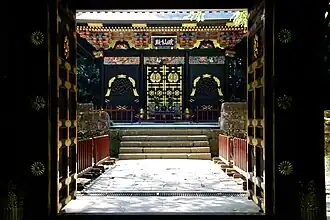
Koganeyama Shrine (黄金山神社) — The reason most visitors come, set on the hillside about 600 metres up from the ferry terminal. The shrine traces its origins to the 8th century; after a major fire in the Meiji period, hundreds of woodworkers were brought to the island and spent some 15 years rebuilding it as one of the most finely carved shrine pavilions in Japan. Local legend holds that three consecutive yearly visits bring lasting wealth.
Hiking is arguably the best reason to visit beyond the shrine. The main trail climbs from the shrine to the summit (445 m, about 2.4 km), and a longer route circles the entire island (around 25 km). With luck you may spot troops of wild Japanese macaques. The trails are not always well marked, so allow plenty of time; if you become lost, head downhill to the coastal path.
Take an island sightseeing boat from Ayukawa for views of Kinkasan's rugged coastline.
Planning Kinkasan? Want these on a customised itinerary?
Ask on WhatsAppWhere to eat?
Dining options on Kinkasan are limited and, like the shops, controlled by the shrine. Seafood is the staple, reflecting the island's setting and the nearby whaling port of Ayukawa — whale is among the items available. Most visitors find prices fair. For a wider choice of restaurants, the mainland town of Ayukawa is the better bet.
Where to drink?
As elsewhere in Japan, tap water is safe to drink. Drinks on the island are sold through the shrine's facilities; there is no bar or café scene to speak of.
Planning Kinkasan? We’ll book the stays and dining for you.
Ask on WhatsAppWhere to stay?
- On the island: Koganeyama Jinja Sanshuden (黄金山神社参集殿) — A pilgrim's lodge operated by the shrine, the only accommodation on Kinkasan itself. It is a large, plain five-storey concrete building, but rooms are Japanese-style with tatami, and there is a vast steel communal bath downstairs. One night with two meals around ¥10,000.
- Mainland alternative: Many visitors instead stay in the nearby town of Ayukawa on the Oshika Peninsula, which has a wider range of inns.
What should you buy?
The shrine holds a monopoly on shopping on the island, running the sole outlets for food, drink and souvenirs. Prices are reasonable. There is no bargaining.
Where to go next?
- Ayukawa — The whaling town on the Oshika Peninsula and main ferry gateway to the island, about 20 minutes away by boat.
- Ishinomaki — The port city the island belongs to, with the Ishinomori Manga Museum and onward connections.
- Onagawa — A coastal town rebuilt after the 2011 tsunami, on the alternative ferry route.
- Tashirojima — Tohoku's "Cat Island," reachable via Ishinomaki, for a contrasting island day trip.
- Sendai — Tohoku's largest city, the regional transport hub, within easy reach of the mainland ferry ports.
Stay safe: the island has two notable pests — deer and leeches. When hiking, tuck your trousers into your boots; remove any leeches with salt or heat rather than force. Do not feed the deer or the macaques.
Nearby in Miyagi
More places to explore around Kinkasan.
Guide content as of May 2026. Portions adapted from Wikivoyage, CC BY-SA 4.0.

Contact Us
Get in touch with us.
Get in touch
Contact Us
Tell us where you'd like to go and how you like to travel. A real Tripcuro planner — not a bot — will craft an itinerary around you.
- Personalised, hassle-free planning end-to-end
- Transparent pricing, no hidden costs
- 24/7 support for complete peace of mind