
Sapporo
Hokkaido, Japan
Why visit Sapporo?
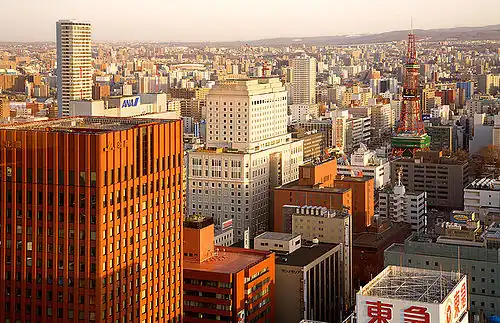
Sapporo (札幌) is the capital and largest city of Hokkaido, Japan's northern island, with a population approaching two million — remarkable for a settlement that counted just seven residents in 1857. The name means "the great dry field" in the Ainu language. As one of Japan's youngest and most deliberately planned major cities, Sapporo has little traditional architecture, but it more than compensates with wide, tree-lined boulevards perfect for summer strolling and a winter-ready infrastructure that copes gracefully with some of the heaviest snowfall of any city on earth.
Sapporo has four sharply defined seasons. Summers are cool and pleasant — a welcome escape from the heat that grips the rest of Japan — with daylight beginning remarkably early (sunrise around 03:55 in June). Winters are harsh by Japanese standards: the city receives roughly six metres of snow annually, three times Montreal's total, and makes a virtue of it with the world-renowned Sapporo Snow Festival each February. The best times to visit are summer (June to August) for greenery and festivals, or February for the snow festival; the deepest winter months are cold and dark, with the sun setting as early as 16:00.
The city's great convenience is its strict grid layout, unusual for Japan. The leafy main thoroughfare, Ō-Dōri (大通り, "Big Street"), runs east–west and divides the city into north and south, while the Sōsei-Gawa (Creation River) splits it into east and west. Addresses follow the form "North X West Y", signposted at every intersection, making orientation straightforward. Susukino, just south of the centre, is the entertainment and nightlife district.
Planning Sapporo? Tell us your dates and we’ll tailor the trip.
Ask on WhatsAppHow do you get there?
By Plane
Sapporo is served by two airports. New Chitose Airport (CTS), southeast of the city in Chitose, handles all international and inter-island flights, including the heavily travelled Tokyo–Sapporo route. JR Hokkaido's Airport Rapid train runs every 15 minutes or so to Sapporo Station (45 minutes, ¥1,230 for a non-reserved seat in 2025). Limousine buses also serve downtown, with one-way fares from ¥1,000. A JR information desk at the airport (08:30–19:00 daily) exchanges Japan Rail Pass vouchers. The smaller, more central Okadama Airport (OKD), north of the city, is the hub for regional carrier Hokkaido Air System, with propeller flights to Hakodate, Kushiro and other Hokkaido airports.
By Train
JR Sapporo Station is the city's main railway station, with local services from Otaru and New Chitose Airport and limited express trains from across Hokkaido. Travelling from the rest of Japan is time-consuming: from Tokyo, take the Tohoku/Hokkaido Shinkansen Hayabusa to Shin-Hakodate-Hokuto, then change for the Hokuto limited express to Sapporo (around 8 hours, ¥29,680 in 2025). From Hakodate the Hokuto takes 3 hours 45 minutes. Seat reservations are mandatory on Hayabusa and Hokuto services. Those travelling only between Tokyo and Hokkaido may find the JR East-South Hokkaido Rail Pass (¥35,370 in 2025, valid 6 consecutive days) better value.
By Car / Road
Express buses connect Sapporo to most points in Hokkaido; the main terminal sits next to Bus Center-Mae station on the subway Tōzai line. Donan Bus runs intercity services arriving near Sapporo Station, including from Noboribetsu (1 hour 30 minutes) and Muroran (2 hours 40 minutes, ¥2,500 in 2025).
Sapporo's grid makes walking easy, though city-centre blocks are large, so businesses usually provide landmark-based directions rather than relying on the address alone. The city has three subway lines — Namboku (north–south), Tōzai (east–west) and the C-shaped Tōhō — all meeting at Ōdōri Station. Single fares run ¥210–380 by distance. On weekends and public holidays the Donichika-Kippu offers unlimited one-day subway travel for ¥520; weekday equivalents cost ¥830. A streetcar loop trundles around the southwest, useful in winter and for reaching Mt. Moiwa. JR Hokkaido's Kitaca smart card works on buses, subway and streetcars, and is interchangeable with Suica, PASMO and ICOCA. Tipping is not customary, and service is uniformly excellent.
What are the things to do?
Ōdōri Park — The green spine of the city centre, hosting the Snow Festival in winter and beer gardens in summer. Free; central.
Sapporo TV Tower — At the eastern end of Ōdōri Park, with an observation deck overlooking the park's straight green corridor.
Former Hokkaido Government Office (Akarenga) — A handsome red-brick building, one of the few examples of older architecture, set in pleasant grounds a short walk from Sapporo Station.
Sapporo Clock Tower (Tokeidai) — A small wooden American-style building from 1878, one of the city's most photographed (if modest) landmarks; central.
Mt. Moiwa Ropeway — A cable car to a summit observation point with sweeping night views of the city; reached via the streetcar.
Hokkaido Shrine — A serene Shinto shrine set in Maruyama Park, popular for cherry blossom viewing in spring.
Sapporo Beer Museum — Japan's only beer museum, set in a historic red-brick brewery, with tastings available; northeast of the centre.
Sapporo Snow Festival (Yuki Matsuri) — Held each February across Ōdōri Park and other sites, featuring monumental snow and ice sculptures; one of Japan's signature winter events.
Skiing and snowboarding — Several ski areas lie within easy reach, including resorts on the city's edge, making Sapporo unusual among major cities for slope access.
Susukino nightlife — The largest entertainment district north of Tokyo, packed with bars, izakaya and ramen shops.
Summer beer gardens — Ōdōri Park hosts a large open-air beer garden through the warmer months.
Day trips — Otaru's canal district and Noboribetsu's hot springs are both easy excursions.
Planning Sapporo? Want these on a customised itinerary?
Ask on WhatsAppWhere to eat?
Sapporo is one of Japan's great food cities, famous above all for Sapporo-style miso ramen — a rich, hearty bowl developed for the cold climate, often topped with sweetcorn and butter. Other local specialities include soup curry, Genghis Khan (jingisukan) grilled mutton, and outstanding crab, scallops and sea urchin from Hokkaido's waters.
- Ramen Yokocho (Ganso Ramen Yokocho) — A narrow Susukino alley lined with tiny ramen counters; the classic spot for miso ramen, budget-friendly.
- Soup curry shops — Numerous casual restaurants across the city serve Sapporo's signature spiced soup curry, mid-range.
- Sapporo Beer Garden / Genghis Khan halls — All-you-can-eat grilled mutton in atmospheric brick halls, mid-range.
- Nijo Market — A central seafood market with stalls and small restaurants serving fresh kaisendon (seafood rice bowls).
Vegetarian options exist in the larger restaurants and ramen shops can sometimes adapt, though Hokkaido cuisine is heavily seafood- and meat-based; halal and gluten-free travellers should check ahead.
Where to drink?
Sapporo lends its name to one of Japan's best-known beers, and the city is the obvious place to drink it — at the Sapporo Beer Museum, in summer beer gardens, or in Susukino's many bars. Hokkaido also produces good wine and whisky, and dairy-rich drinks and soft-serve ice cream are everywhere. Susukino offers everything from quiet whisky bars to lively izakaya. Tap water is safe to drink throughout the city.
Planning Sapporo? We’ll book the stays and dining for you.
Ask on WhatsAppWhere to stay?
- Budget: Capsule and hostel-style accommodation clusters around Susukino and Sapporo Station, with dorm beds and capsules typically ¥3,000–5,000 per night.
- Mid-range: Numerous business hotels near Sapporo Station and Ōdōri offer reliable, well-located rooms from roughly ¥8,000–14,000.
- Upscale / heritage: Higher-end hotels in the station and Ōdōri area provide full-service comfort from roughly ¥20,000 upward.
What should you buy?
The Sapporo Station and Ōdōri area form the main shopping zone, with department stores, the underground Pole Town and Aurora Town arcades, and the Tanukikoji covered shopping street. Look for Hokkaido food specialities — Shiroi Koibito white-chocolate biscuits, Royce' chocolate, dairy products and seafood — as edible souvenirs. Bargaining is not practised in Japanese shops; prices are fixed.
Where to go next?
- Otaru (about 40 minutes by Airport Rapid train) — A charming canal port with Meiji-era warehouses, glassware and superb sushi.
- Noboribetsu (about 1 hour 20 minutes by limited express) — Hokkaido's most famous hot spring resort, set beside the steaming Hell Valley.
- Niseko (about 3 hours via Otaru) — Japan's premier powder-snow ski resort, framed by Mt. Yotei.
- Asahikawa (about 1 hour 30 minutes by limited express) — Gateway to Daisetsuzan National Park and home to the popular Asahiyama Zoo.
- Lake Toya / Toyako (about 2 hours) — A scenic caldera lake with onsen resorts.
Sample itinerary
Sapporo features in a real Tripcuro trip — see the full day-by-day plan.
Japan Anniversary Grand Tour
15 Nights · Japan · Anniversary couple
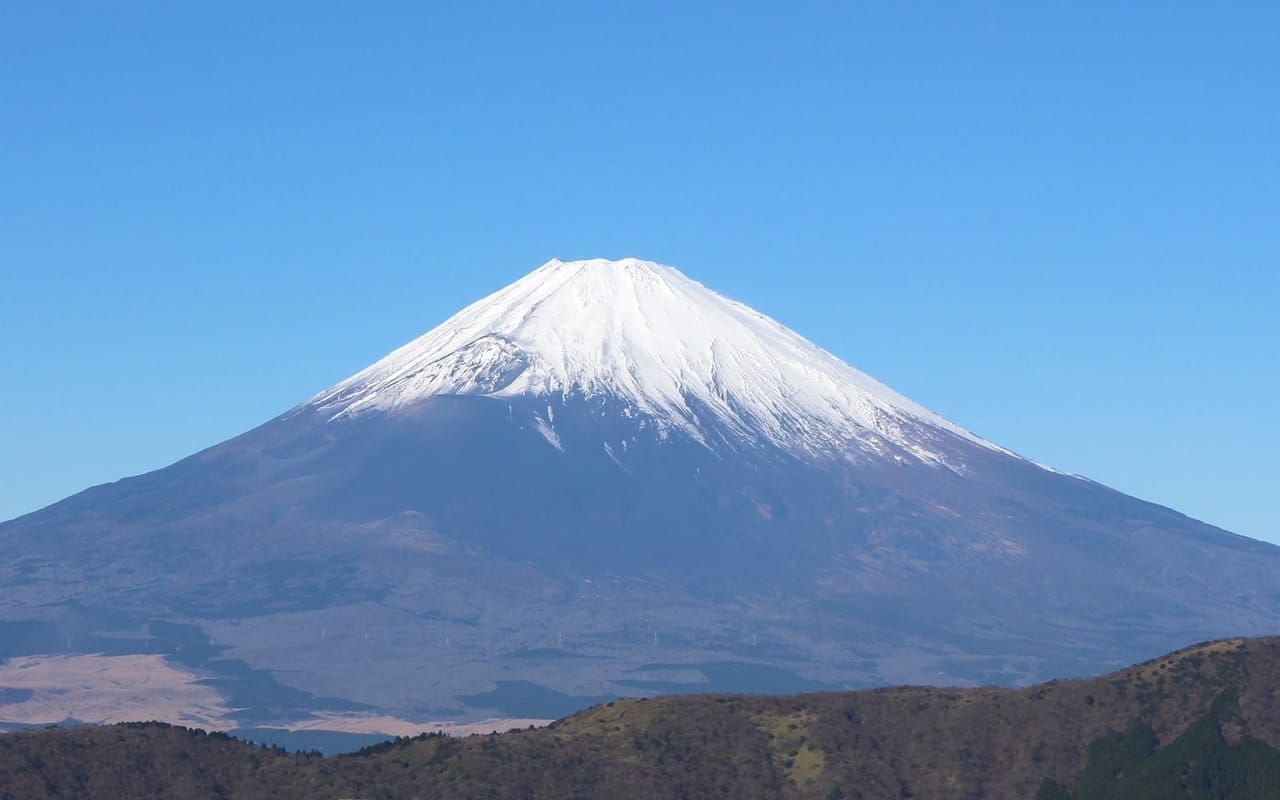
A 15-night grand loop of Japan for two: Osaka's neon streets, classic Kyoto temples, a private-onsen anniversary night in Hakone under Mt Fuji, Tokyo's teamLab and shopping, and Hokkaido's lavender fields.
Highlights: Golden Pavilion & Arashiyama bamboo grove · Fushimi Inari & Nara deer · Private open-air onsen ryokan in Hakone · Mt Fuji at Lake Kawaguchiko · teamLab Borderless & Planets in Tokyo · Furano lavender fields, Hokkaido
Japan Grand Tour: Hokkaido to Mt. Fuji
13 Nights · Japan · Family group · 5 adults (lacto-vegetarian)
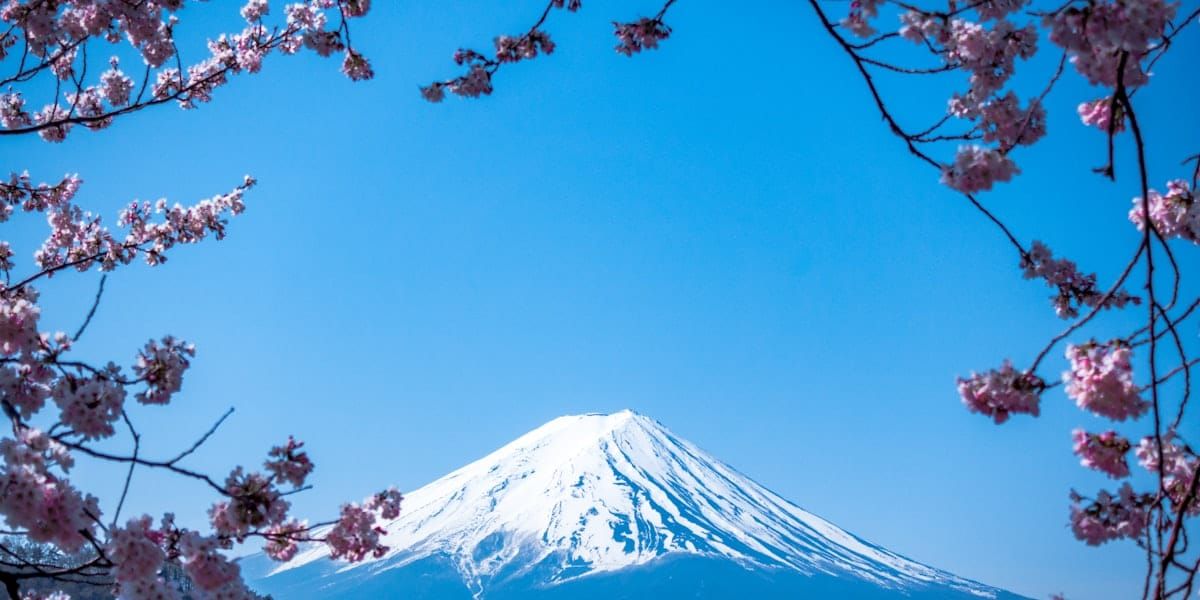
A 13-night grand loop of Japan — Hokkaido's volcanic lakes and city tours, Kyoto's temples with a Nara day trip, Mt. Fuji's five lakes, and Tokyo's shrines, sumo and teamLab. Fully vegetarian-friendly throughout.
Highlights: Noboribetsu & Lake Toya from Sapporo · Otaru, Cape Kamui & the Blue Cave · Kyoto & Nara private day trip · Amanohashidate & Ine Bay fishing village · teamLab Borderless at Azabudai Hills · Live sumo show with a Tokyo guide
Hokkaido Summer Lavender & Onsen Anniversary Loop
9 Nights · Japan · Couple
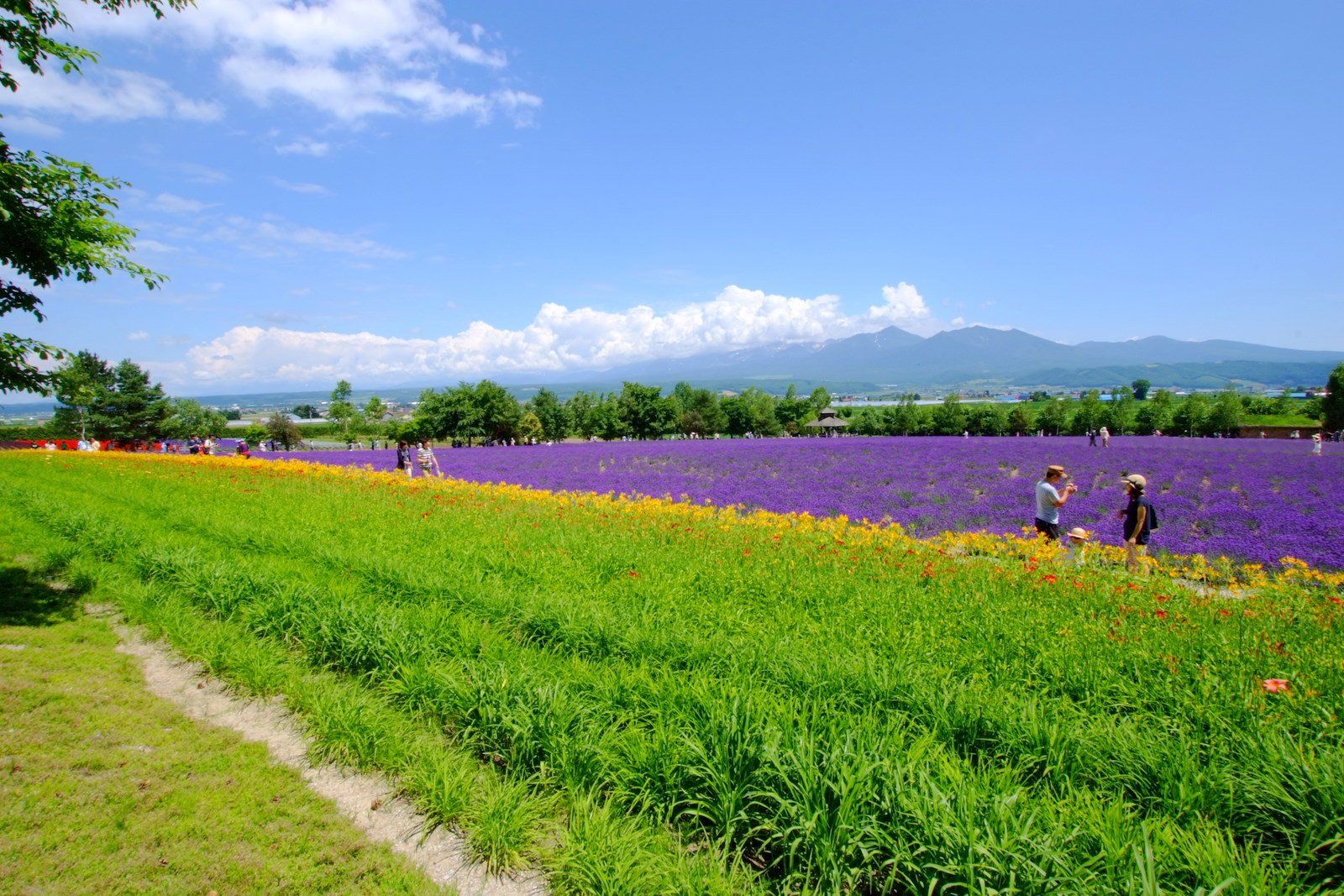
A south-to-north summer journey across Hokkaido, from Hakodate's harbour night views to Farm Tomita's lavender at its July peak and the volcanic onsen of Asahidake. Timed so the anniversary lands on a dawn walk through the blooms.
Highlights: Mount Hakodate Ropeway night view over the glittering isthmus · Hakodate Morning Market uni bowls and Goryokaku star fort · Guided Noboribetsu Hell Valley & Lake Toya volcanic day tour · Dawn walk through Farm Tomita's lavender fields at peak bloom · Biei's Blue Pond and the Shikisai no Oka flower hills by bicycle · Asahidake Ropeway to alpine wildflowers and a forest rotenburo soak
Nearby in Hokkaido
More places to explore around Sapporo.
Guide content as of May 2026. Portions adapted from Wikivoyage, CC BY-SA 4.0.

Contact Us
Get in touch with us.
Get in touch
Contact Us
Tell us where you'd like to go and how you like to travel. A real Tripcuro planner — not a bot — will craft an itinerary around you.
- Personalised, hassle-free planning end-to-end
- Transparent pricing, no hidden costs
- 24/7 support for complete peace of mind