
Florence
Toscana, Italy
Why visit Florence?
Politically, economically, and culturally, Florence was the most important city in Europe for around 250 years, from some time before 1300 until the early 1500s. It is now primarily a tourist site, with the much of its non-touristic economy powered by artisans who still nonetheless sell largely to tourist and foreign customers. In the middle ages, Florentines reinvented money, in the form of the gold florin. This currency was the engine that drove Europe out of the Dark Ages, a term invented by Petrarch, a Florentine whose family had been exiled to Arezzo. They financed the development of industry all over Europe, from Britain to Bruges, Lyon and Hungary. They financed the English kings during the Hundred Years' War. They financed the papacy, including the construction of the papal palace in Avignon, and the reconstruction of St. Peter's and the Vatican when the papacy returned to Rome from the "Babylonian captivity". Dante, Petrarch, and Boccaccio pioneered the use of the vernacular — the use of a locally spoken language, rather than Latin. In their case, the vernacular was Tuscan, which, because of them, became the lingua franca for the entire Italian peninsula, and eventually the basis for standard Italian following unification in 1871. Because Dante, et al., wrote in Tuscan, Geoffrey Chaucer, who spent a lot of time in Northern Italy and who used some of Boccaccio's little stories to inspire his Canterbury Tales, wrote in English. Others started writing in French and Spanish. This was the beginning of the end of Latin as a common language throughout Europe. The Florentines, perhaps most notably Filippo Brunelleschi (1377-1466) and Leon Battista Alberti (1404-1472), invented Renaissance architecture. This architectural style revolutionised the way Rome, London, Paris and every other major city in Europe, from Barcelona to St. Petersburg, was built. Florentines were the driving force behind the Age of Discovery. Florentine bankers financed Henry the Navigator a
Planning Florence? Tell us your dates and we’ll tailor the trip.
Ask on WhatsAppHow do you get there?
By plane
The airport of Florence is Amerigo Vespacci International Airport (FLR IATA) (4 km northwest of the center), locally known as "Peretola", to which there are flights from major destinations in Western Europe. There is only one runway covered by hills, and therefore the flights that land there are relatively infrequent and expensive.
The airport is connected by tram line T2 connecting the airport to the train station SMN; The station is on the south side, and ends at Piazza dell'Unità Italiana. The tram station is controlled, to the left of the main entrance. The trams run every 5-15 minutes (depending on the time of day) until 12:30 (02:00 on weekends). One-way tickets cost €1.70 (as of January 2024) and can be purchased with cash or credit cards at vending machines at each station. The tram ride is about 20 minutes from end to end.
Taxis charge a flat rate of €25 from the airport to anywhere in the historic center of Florence, plus €1 per large item of luggage.
Other airports serving Florence are Bologna and Pisa .
Bologna (BLQ IATA) is the preferred option which is an hour's drive from Florence by car or train. From the airport of Bologna there are flights all ove
The town centre is compact and walkable. A car is recommended for exploring the surrounding area. Local buses may connect to nearby villages.
What are the things to do?
Florence has a historic centre with traditional architecture, a parish church, and several notable historic buildings reflecting the local heritage.
Visitors can explore the old town on foot, hike in the surrounding countryside, and attend local festivals and cultural events throughout the year.
Planning Florence? Want these on a customised itinerary?
Ask on WhatsAppWhere to eat?
Local restaurants and trattorias serve regional cuisine featuring fresh, seasonal ingredients. Traditional dishes reflect the local culinary heritage.
Where to drink?
Cafes and bars in the town centre serve coffee, wine, and local beverages. Regional wines and spirits are worth sampling.
Planning Florence? We’ll book the stays and dining for you.
Ask on WhatsAppWhere to stay?
Hotels, guesthouses, and bed-and-breakfast establishments offer accommodation. Advance booking is recommended during peak season.
What should you buy?
Local shops offer regional products, handicrafts, and everyday necessities. Markets may be held weekly in the town square.
Where to go next?
Nearby towns and natural attractions are within easy reach by car. Public transport connections are available to major cities in the region.
Sample itinerary
Florence features in a real Tripcuro trip — see the full day-by-day plan.
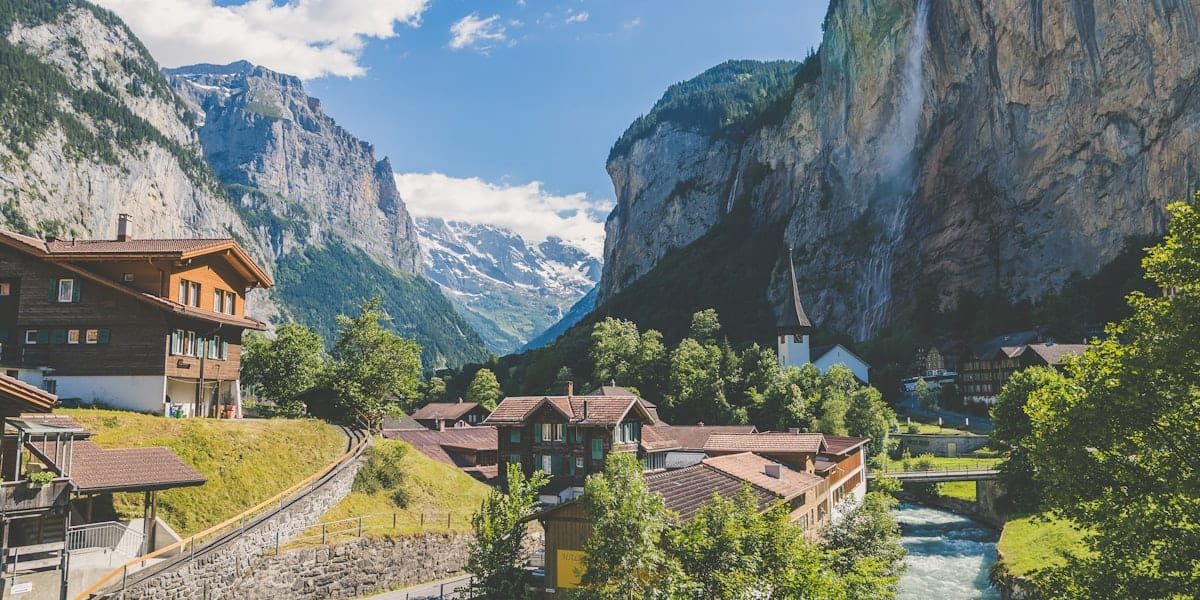
Switzerland & Italy Scenic Rail
10 Nights · Switzerland · Italy · Couple
An all-rail loop from the Swiss Alps to the heart of Italy: Jungfraujoch, the Glacier and Bernina Express, then Venice's canals, Florence's galleries and Rome's Vatican and Colosseum.
Highlights: Jungfraujoch — Top of Europe · Glacier Express Zermatt to Chur · Bernina Express to Italy · Venice island gondola · Uffizi & David in Florence · Vatican & Colosseum in Rome
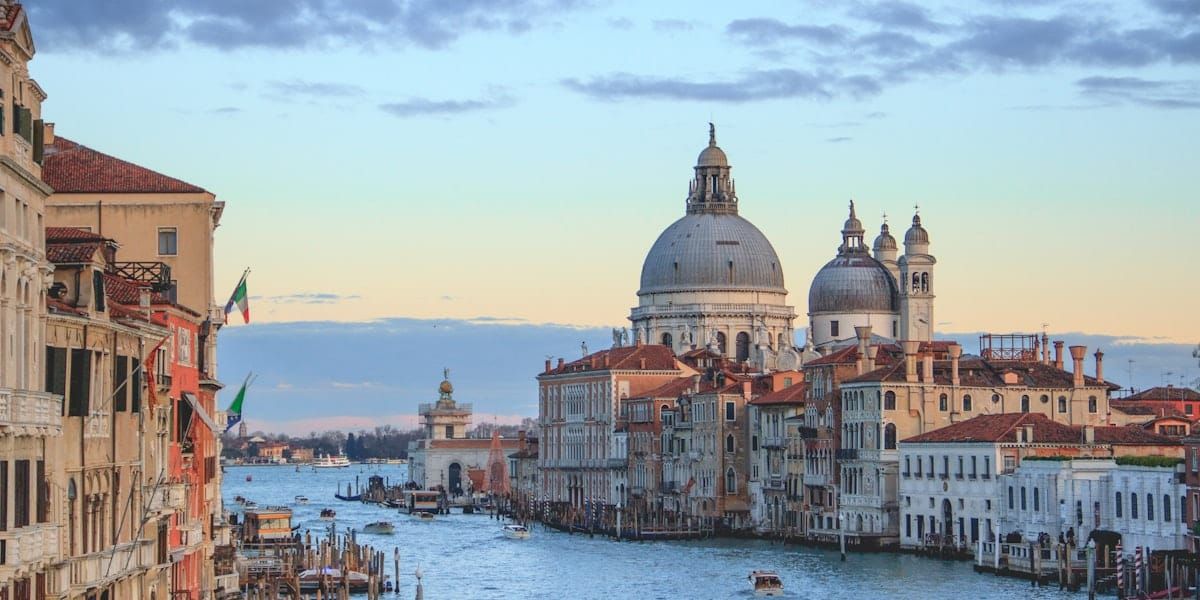
Italy Honeymoon Rail Loop
9 Nights · Italy · Honeymoon couple
A classic first-time Italy honeymoon as a rail loop from Milan: three nights in Rome, two in Florence, two in Venice, with an anniversary evening on a private gondola. No internal flights, no long drives.
Highlights: Colosseum, Forum & Palatine · Vatican Museums & Sistine Chapel · Uffizi Gallery · Private gondola in Venice · Murano & Burano islands · Milan Duomo rooftop
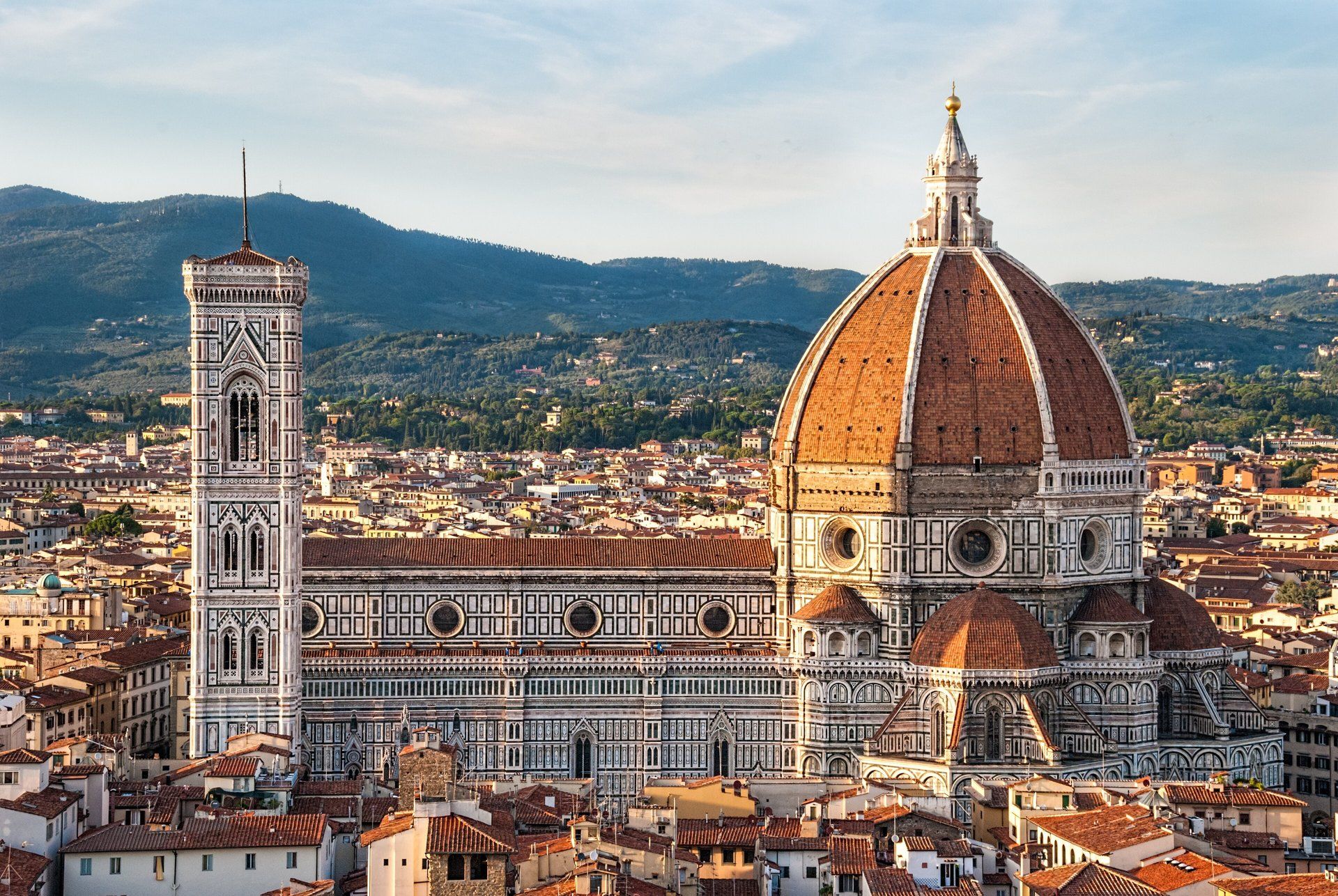
Swiss Alps to Venice, Florence & Rome
10 Nights · Switzerland · Italy · Couple
The showpiece Swiss rail journeys — Glacier Express, Bernina Express and Jungfraujoch — flow straight into Venice, Florence and Rome. An all-rail arc pairing Alpine scenery and Matterhorn views with Italy's greatest art cities and ancient monuments.
Highlights: Jungfraujoch, the Top of Europe, from Interlaken · Glacier Express from Zermatt to Chur · Bernina Express from Chur to Tirano · Mt Pilatus and Gornergrat for Matterhorn views · Doge's Palace on Venice island and the Uffizi in Florence · Vatican Museums and the Colosseum in Rome
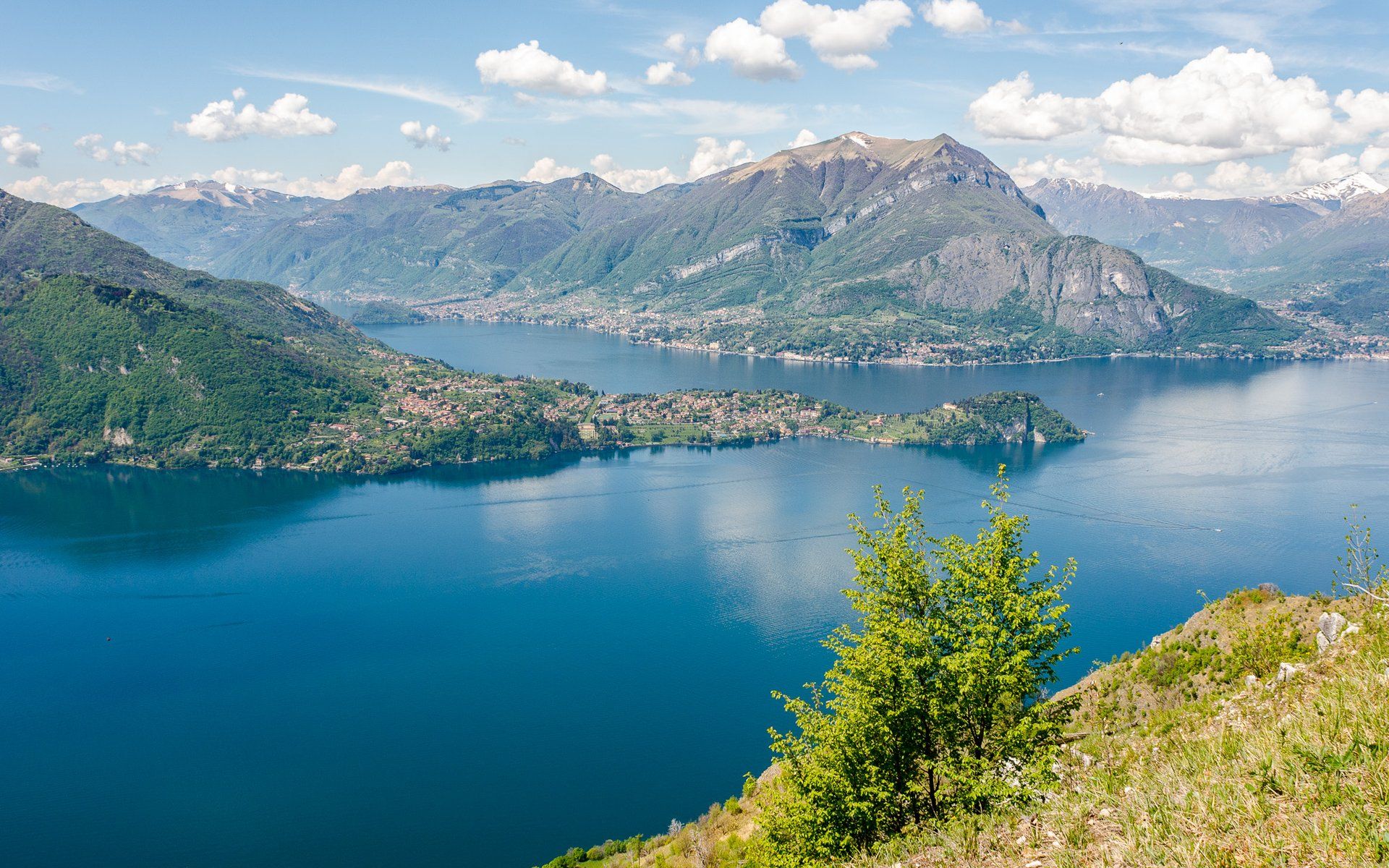
Italy Honeymoon: Rome, Florence, Venice & a Lake Como Finale
11 Nights · Italy · Couple · honeymoon
A classic first-time Italy honeymoon on the Frecciarossa rail spine - ancient Rome, Renaissance Florence, the canals of Venice, and a romantic three-night Lake Como finale. The anniversary falls on a full, unhurried day in Venice, capped by a private gondola ride at dusk.
Highlights: The Colosseum, Roman Forum and the Vatican's Sistine Chapel · Florence's Uffizi, Michelangelo's David and a Piazzale Michelangelo sunset · St Mark's Basilica and the Doge's Palace in Venice · A private dusk gondola ride for the anniversary · Bellagio and Villa del Balbianello on Lake Como · The whole route on Italy's high-speed Frecciarossa trains
Nearby in Toscana
More places to explore around Florence.
Guide content as of June 2026. Portions adapted from Wikivoyage, CC BY-SA 4.0.

Contact Us
Get in touch with us.
Get in touch
Contact Us
Tell us where you'd like to go and how you like to travel. A real Tripcuro planner — not a bot — will craft an itinerary around you.
- Personalised, hassle-free planning end-to-end
- Transparent pricing, no hidden costs
- 24/7 support for complete peace of mind