

Enshi
Hubei Sheng, China
Why visit Enshi?
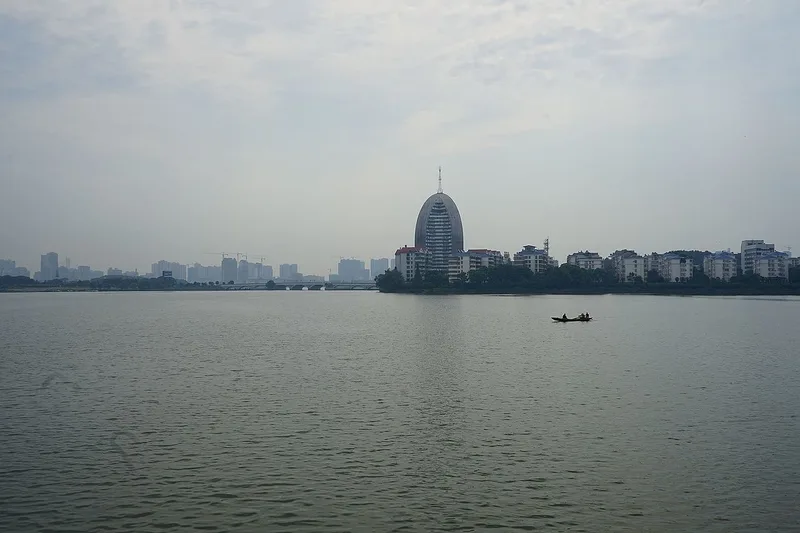
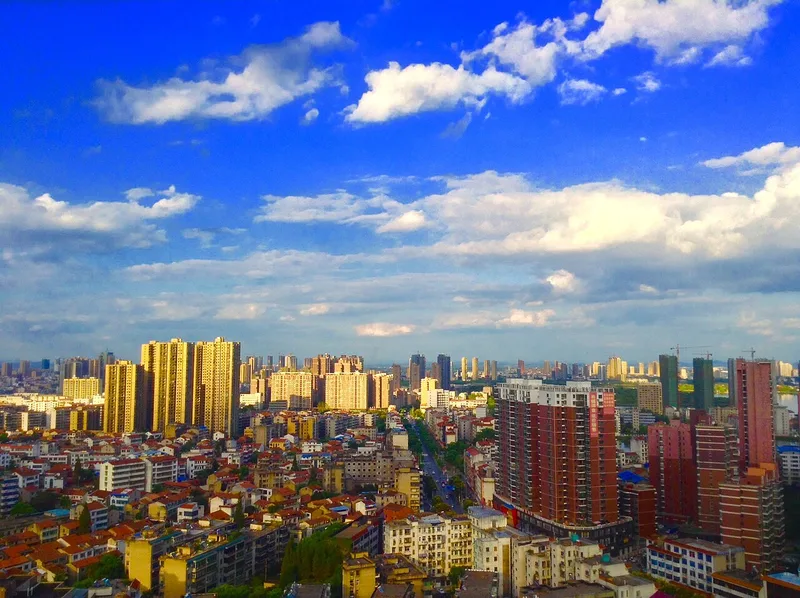
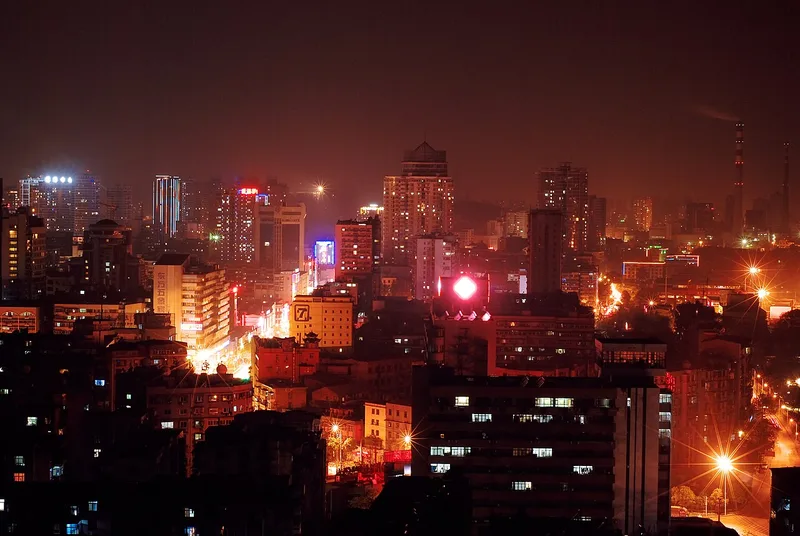
Enshi (æ?©æ–½) is the capital of the Enshi Tujia and Miao Autonomous Prefecture, tucked into the mountainous southwest corner of Hubei province where it meets Chongqing and Hunan. The prefecture is home to roughly 4 million people and the city itself to about 891,000 residents drawn from 45 ethnic groups — the Tujia, Miao and Dong are most prominent, and minorities make up around 41% of the population. This is the cultural heart of Tujia China, expressed in stilted-building architecture (å?Šè„), nasal-sung mountain folk songs, sour-spicy cuisine, and the 17th-century imperial-era Tusi (土å?¸) chieftain system whose ruined city walls still stand on the eastern edge of town. Enshi also markets itself as the "World Capital of Selenium" thanks to unusually selenium-rich soils, and you'll see this advertised on tea, potatoes, eggs and bottled water across the prefecture.
For most travellers, though, Enshi is a karst landscape destination. The city sits on the Qing River (清江) at around 450 m elevation, surrounded by limestone peaks, sinkholes, slot canyons, and the celebrated Enshi Grand Canyon to the southwest. The climate is humid subtropical with heavy summer rainfall — annual precipitation peaks dramatically in July (≈257 mm) and August (≈152 mm) — and the mountains create strong vertical climate zones. Above 1,600 m there is "no summer," and you can encounter spring snow on peach blossoms ("桃花山雪"). Avoid the wettest stretch of late July to early August if hiking is your goal, and skip the cold, foggy December–February window. Best time to visit: late April to early June and mid-September to late October, when canyons are clear, terraces are green and minority festivals fill the calendar.
The compact city centre clusters along the Qing River and around Fenghuang Mountain (凤凰山), with the railway station, long-distance bus terminal and most hotels in a walkable downtown core. Most marquee sights — the Grand Canyon, Tenglong Cave (in Lichuan), Shiziguan, Luyuanping — are 1–3 hours out by road, so plan on a town base with day-trip excursions rather than seeing everything from the city itself.
Planning Enshi? Tell us your dates and we’ll tailor the trip.
Ask on WhatsAppHow do you get there?
By Plane
Enshi Xujiaping Airport (ENH) at Xujiaping Road No. 38 sits about 7 km west of the city centre and operates 24 hours. It is a small regional terminal with direct connections to Beijing-Capital, Shanghai-Hongqiao, Guangzhou, Chengdu, Xi'an, Kunming, Hangzhou, Shenzhen, Wuhan, Xiamen, Tianjin and several other cities, served by China Eastern, China Southern, Beijing Capital Airlines, Loong Air, Spring Airlines, Air Guilin and Ruili Airlines. A taxi to downtown runs roughly ¥20–30 and 15–20 minutes; the airport shuttle into town is ¥10. Ride-hailing via DiDi works at the airport and is usually the easiest option for foreign visitors.
By Train
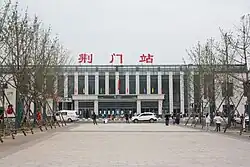
Enshi Railway Station (æ?©æ–½ç«™) on Jingui Boulevard sits on the Yichang–Wanzhou (Yiwan) railway and is a major stop for high-speed and conventional trains running between eastern China and Chongqing/Chengdu. Direct services reach Beijing, Shanghai, Chengdu, Wuhan, Yichang and Chongqing, with Wuhan–Enshi taking around 4½ hours by D-train and Chongqing–Enshi around 3 hours. City buses 6, 11, 22 and double-decker tour bus 4 link the station to downtown, and a taxi to the centre is around ¥10–15. Book Chinese rail tickets via the 12306 app or Trip.com; foreign passports are accepted but you'll want to collect tickets or activate e-ticket facial recognition at the station counter on first use.
By Car / Road
The G50 Shanghai–Chongqing Expressway runs straight through Enshi, crossing the spectacular Sidu River Bridge (四渡河大桥, a 900 m single-span suspension bridge dropping nearly 500 m to the gorge below) at the prefecture's eastern edge. Driving times: Yichang ≈ 3½ hours (≈260 km), Wuhan ≈ 7 hours (≈600 km), Chongqing ≈ 4½ hours (≈400 km), Zhangjiajie ≈ 4 hours (≈300 km). Roads are good motorway standard but mountainous, with frequent tunnels and viaducts; in winter, fog and ice can close sections. Enshi Hangkong Road Bus Station (æ?©æ–½èˆªç©ºè·¯è½¦ç«™ä¸å·´ç«™) on Hangkong Boulevard, opposite the railway station, is the main long-distance terminal with daily services to Wuhan, Yichang, Chongqing and prefecture towns including Lichuan, Xuan'en, Hefeng and Badong.
Enshi's downtown is small and walkable, and the local bus network of 29 lines is the cheapest way around: ¥1 on standard routes, ¥1.5 on Bus No. 1, ¥2 on air-conditioned buses, with cashless payment via Alipay or WeChat Pay. Taxis start at ¥5 (¥6 between 23:00 and 06:00) and rarely run more than ¥20 within the city; ask the driver to use the meter (打表). DiDi (滴滴出行) ride-hailing is reliable in downtown and to the airport but thins out for trips into the canyon — for sightseeing days it's much easier to charter a car/driver via your hotel for around ¥400–600/day.
Shared bicycles (Hellobike/Meituan) are scattered across downtown and into the larger county towns, unlocked via QR code through Alipay or WeChat. For destinations beyond the city, Lichuan South Gate Bus Terminal (利å·?å?—门客è¿?ç«™) handles short-distance buses to scenic spots in Lichuan and surrounding counties; tour minibuses to the Grand Canyon also leave from outside Enshi railway station each morning. Watch for unlicensed "黑车" drivers at the station who will quote inflated rates to the canyon — ¥30–50 per seat in a shared minibus is normal.
What are the things to do?
Karst & natural sights
- Enshi Grand Canyon (æ?©æ–½å¤§å³¡è°·) — the prefecture's signature sight, 49 km southwest of the city. A 108 km canyon system with the famous "One-Pillar Peak" (一炷香), suspended cliff walkways, and a glass skywalk. Allow a full day; arrive early. ☎ +86 718 854 2333. Tickets ¥50–130 depending on which sections and cable cars you include.
- Seven Star Camp / Qixingzhai (七星寨) — the western half of the Grand Canyon at 1,500–1,900 m, a Triassic-era karst landscape of cliffs, peak forests, rock pillars and sinkholes covering 24 km². Open 11:00–18:00. Usually packaged with the Grand Canyon ticket.
- Shiziguan Scenic Area (ç‹®å?关风景区) — 13 km from Xuan'en County, a 9.6 km gorge with the photogenic floating "water-walking" plank road across Hongjia River. ☎ +86 718 584 0999. ¥120.
- Luyuanping Ecological Scenic Area (鹿院å?ªç”Ÿæ€?景区) — Xintian, "Enshi's last village without a road," reached by a steep stair descent into a hidden valley of cliffs, waterfalls and deer pools. Open 08:00–17:30. ☎ +86 718 898 8555. Adult ¥116; child/student/senior ¥62.
- Seven Sisters Mountain (七姊妹山) — a wilderness national nature reserve in Hefeng County. ¥20.
- Sidu River Bridge (四渡河大桥) — at Badong, a viewpoint on the G50 expressway over one of the world's highest suspension bridges. Free; 24 hours. Stop on the way in or out from Yichang.
- Shennong Stream (神农溪) — at Yanjiang Road No. 138 in Badong, a 5A-rated tributary of the Yangtze with peapod-boat rides into pristine side gorges. ☎ +86 718 433 1500.
- Tenglong Cave (腾龙洞) — 6 km from Lichuan town, one of the largest cave systems in China with a sound-and-light show and underground river. ¥180.
Cultural & historical sights
Enshi Tusi Imperial City (æ?©æ–½åœŸå?¸çš‡åŸŽ) — No. 138 Tusi Road. A reconstructed walled complex showcasing Tujia chieftain-era architecture, ancestral halls and dance performances. ☎ +86 718 845 8166.
Daughter Town (女儿城) — Ma'anshan Road No. 41 (Bus 28 or 31 to Daughter Town stop). A purpose-built Tujia-themed old town, with stilted-building shopfronts, a snack street, evening lion dances and the nightly Tujia "Daughter Festival" performance. Free entry; pay per shop/show. Touristy but the most accessible introduction to local culture.
Enshi Tujia and Miao Autonomous Prefecture Museum (æ?©æ–½åœŸå®¶æ—?è‹—æ—?自治州å?šç‰©é¦†) — Jingui Road, at the eastern foot of Fenghuang Mountain. Hubei's largest ethnic-minority museum, with strong collections of Tujia textiles, bronzes and Tusi-period artefacts. Open 09:00–17:00 (closed Mondays). ☎ +86 718 825 3696. Free entry with passport.
Longlin Palace / Longlingong (龙鳞宫) — Enli Road, 8 km west of the city. A river-cave system locally called "Water Cave," explored partly by boat. Open 08:00–17:30. ☎ +86 718 898 6088. ¥50.
Hike the Yunlong Geocrack (云龙地ç¼?) inside the Grand Canyon park — a 1.5 km wooden walkway through a narrow slot gorge with waterfalls; included in the canyon ticket and an essential pairing with the Qixingzhai cliff walk above.
Raft the Qing River (清江闯滩) — half-day whitewater trips on Class II–III sections near Lichuan run May to October; book through your hotel, ¥180–260 per person, life jackets and dry bags supplied.
Watch a Tujia "Crying Marriage" or Bashou dance — staged nightly at Daughter Town's open-air stage from around 19:30 in season; free with the public square. The Bashou (摆手舞) is the signature Tujia line dance and visitors are pulled in.
Visit a selenium tea garden — day trips to Enshi Yuluyuan (玉露园) and the slopes around Fenghuang Mountain include picking, hand-roasting and tasting the steamed-green Yulu tea, an intangible cultural heritage technique unique to this prefecture. Around ¥150–250 per person via local agencies.
Day-trip to Tenglong Cave + Suobuya Stone Forest — a long but doable circuit out of Lichuan combining one of China's biggest caves with a compact karst stone forest. Charter a car for ≈¥500.
Time a visit around the Nüer Hui (女儿会) Tujia "Daughters' Festival" in mid-July (lunar 7th month, 12th day), the prefecture's biggest folk gathering with markets, courtship songs and minority dress.
Planning Enshi? Want these on a customised itinerary?
Ask on WhatsAppWhere to eat?
Enshi cuisine sits at the crossroads of Hubei, Sichuan and Hunan, with a Tujia accent: sour-pickled vegetables, smoked meats, mountain herbs, and a generous hand with chilli and Sichuan pepper. Signature dishes to seek out:
- Zhagujirou (鲊广椒/鲊辣椒炒肉) — fermented corn-and-chilli paste stir-fried with pork belly, the most distinctively Tujia dish.
- Hezhar (å?ˆæ¸£) — a "rough tofu" soup of mashed soybeans and wild greens, traditionally a poverty food now eaten with pride; often served bubbling in a clay pot.
- Tujia bacon (土家腊肉) — cold-smoked over cypress and citrus peel, served stir-fried with garlic shoots or steamed in clay pots.
- Selenium small potatoes (富硒å°?土豆) — pan-fried until golden, tossed with chilli, salt and Sichuan pepper. A street-food staple.
- Geda tang / mianwo (格格 / 蒸肉) — small bamboo-steamer portions of rice-flour-coated pork, beef or offal, eaten en masse for breakfast or late-night supper.
- Tujia jiangxiangbing (土家酱香饼) — flaky scallion flatbread brushed with sweet-spicy bean paste; ¥5–8 from street griddles.
Recommendations across price tiers:
- Budget — Liangji Geda (æ¢?记格格) and similar steamer-stalls along Liushou Street: a stack of three steamers + soup runs ¥15–25. Daughter Town's snack alley is the easy tourist version of the same idea.
- Budget-mid — Aunt Wu's Hezhar (å?´å©†å©†å?ˆæ¸£), several branches downtown, for a textbook bowl of hezhar with smoked-pork sides; ¥40–60/person.
- Mid — Tujia Yeshanzhai (土家野山寨) on Jinlong Avenue, full Tujia banquet menu with bacon, sour-fish hotpot and live folk music; ¥80–120/person.
- Mid-upscale — Shi'eryue Restaurant (拾贰月) and similar Qing River-view restaurants near Fengxiang Bridge, for refined Hubei-Sichuan tasting menus; ¥150–250/person.
Vegetarian travellers do well on hezhar, fern-tip salads, mountain-mushroom hotpot and bean-curd dishes — but ask for "no lard" (ä¸?è¦?猪油) since smoked pork fat sneaks into many "vegetable" dishes. Halal options are limited but Lanzhou lamian noodle shops (清真兰州拉é?¢) are scattered downtown. Gluten-free is genuinely hard given soy-sauce ubiquity; rice-based steamers and plain hotpots are the safest bets.
Where to drink?
The local pour is Tujia rice wine (土家苞谷酒 / 米酒) — a low-alcohol cloudy fermented-rice wine often sweetened, plus a stronger corn-distilled spirit (baogu jiu) that locals drink at banquets in toast volleys. Bottle shops along Hangkong Avenue sell both at ¥30–80 per litre.
For tea, this is Enshi Yulu (æ?©æ–½çŽ‰éœ²) country — the only Chinese green tea still produced by traditional steam-fixing, with a soft umami profile closer to Japanese sencha than to typical Chinese pan-fired greens. Sit-down teahouses worth a stop include the touristy-but-pleasant Daughter Town teahouses (¥30–60 a pot) and quieter local houses around the museum. Cafés have arrived: Manner, Luckin Coffee and a handful of independents cluster near Wuyi Square and the railway station, with flat whites at ¥15–30.
Water safety: tap water is not drinkable. Stick to bottled or boiled water (every hotel room provides a kettle and complimentary bottles); selenium-rich bottled water from local springs (e.g. Yuanyixiang æº?易享) is widely sold at ¥3–8 per bottle. Ice in higher-end bars and chain cafés is generally safe; avoid ice in cheap street drinks.
Planning Enshi? We’ll book the stays and dining for you.
Ask on WhatsAppWhere to stay?
Budget
- Enshi Tujia Folk Inn (æ?©æ–½åœŸå®¶æ°‘宿) cluster around Daughter Town — family-run wood-and-stone stilted-building guesthouses with shared courtyards, dorms ¥60–90 and private doubles ¥150–220. Atmospheric but thin English; book via Trip.com or Meituan.
- Hanting Hotel Enshi Railway Station (汉庭酒店 æ?©æ–½ç?«è½¦ç«™åº—) — reliable national budget chain, ¥180–260 a double, walk to the station and bus terminal.
Mid-range
- Atour Hotel Enshi (亚朵酒店 æ?©æ–½åº—) on Jinlong Avenue — clean, design-led rooms with proper showers, decent breakfast, English-friendly check-in; ¥400–600 a double.
- Holiday Inn Express Enshi (智选å?‡æ—¥é…’店) near Fengxiang Bridge — international-standard mid-range with reliable Wi-Fi and a working gym; ¥450–650 a double.
Upscale / heritage
- Howard Johnson Tusi Castle Hotel Enshi (å?Žç¾Žè¾¾åœŸå?¸åŸŽå ¡é…’店) — adjacent to the Tusi Imperial City, themed Tujia-stilted architecture wrapped around an international 4-star, the most "place-of-place" upscale option in the city; ¥700–1,100 a double.
- Hilton Garden Inn Enshi (æ?©æ–½å¸Œå°”顿花园酒店) — newer downtown high-rise, the most consistent international-brand stay in town with executive lounge access on higher floors; ¥800–1,200 a double.
What should you buy?
Enshi's specialty is anything selenium-enriched (富硒): green tea, sweet potatoes, eggs, walnuts, honey, bottled spring water and even rice. Reputable shops cluster along Hangkong Avenue (航空大é?“) and inside Daughter Town's snack street. Enshi Yulu (æ?©æ–½çŽ‰éœ²), a steamed-green tea with a delicate, grassy profile, is the most exportable souvenir and a 100 g tin of decent grade runs ¥80–200. For Tujia textiles, look for Xilankapu (西兰å?¡æ™®) brocade — handwoven cotton-and-silk panels in geometric red-and-black patterns, used for cushion covers, bags and table runners.
The downtown Qingjiang Pedestrian Street (清江步行街) and Hangkonglu Wholesale Market are good for everyday goods and casual snacking. Bargaining is expected at tourist-aimed stalls and minority handicraft stands (start around 50–60% of the asking price), but not at branded tea shops, supermarkets or museum gift counters where prices are fixed. Carry small cash for village markets, but Alipay/WeChat Pay are accepted almost everywhere — including most countryside stalls.
Where to go next?
- Lichuan (利å·?) — 1 hour west by bullet train. Base for Tenglong Cave and the Suobuya Stone Forest, with a cooler summer climate that draws Chongqing weekenders.
- Yichang (宜昌) — 2 hours east by D-train. Gateway to the Three Gorges Dam and Yangtze cruise embarkation point, plus the underrated Three Gorges Tribe scenic area.
- Zhangjiajie (张家界) — about 4 hours south by road or via train change. The sandstone-pillar landscape that inspired Avatar's "Hallelujah Mountains" — a natural pairing with Enshi's karst canyons.
- Chongqing (é‡?庆) — 3 hours west by D-train. Hot-pot capital and stacked-city skyline; the obvious next stop heading upstream.
- Wuhan (武汉) — 4½ hours east by D-train. Hubei's provincial capital, for the Yellow Crane Tower, East Lake, and a flight back to wherever you started.
- Shennongjia (神农架) — 5–6 hours north by road. UNESCO-listed primeval forest reserve famous for its high-elevation hiking and the legendary "wild man" (野人) folklore.
Nearby in Hubei Sheng
More places to explore around Enshi.
Guide content as of May 2026. Portions adapted from Wikivoyage, CC BY-SA 4.0.

Contact Us
Get in touch with us.
Get in touch
Contact Us
Tell us where you'd like to go and how you like to travel. A real Tripcuro planner — not a bot — will craft an itinerary around you.
- Personalised, hassle-free planning end-to-end
- Transparent pricing, no hidden costs
- 24/7 support for complete peace of mind