
China
Eastern Asia · 730 destinations across 34 regions
Photography coming soonOverview
China (中国, Zhōngguó) is one of the world's oldest continuous civilizations and, simultaneously, one of its most futuristic destinations — a country where 2,200-year-old terracotta armies stand a bullet-train ride from neon-drenched megacities of 25 million people. The scale is the story: 9.6 million km² spanning Pacific coast to Central Asian deserts, 22 provinces and 5 autonomous regions, 56 recognized ethnic groups, and over 50 UNESCO World Heritage Sites — more than almost any country on Earth.
What makes China distinctive isn't a single landscape or monument but the way every region feels like a different country. Beijing's imperial gravitas, Shanghai's Art Deco bund, Sichuan's tingly-spicy cuisine and panda forests, the karst pinnacles of Guilin, the Tibetan plateau's rarefied monasteries, the Uyghur bazaars of Kashgar — these belong to one passport but barely the same world. Add the Great Wall, the Forbidden City, the Yangtze gorges, and you have a country that genuinely takes a lifetime to see.
China suits travelers who want depth over ease: history buffs, food obsessives, landscape photographers, rail enthusiasts, and anyone willing to navigate a partially-walled internet and a language barrier in exchange for a civilization-scale experience. It is less suited to travelers expecting English signage everywhere or seamless Western-style tourism — though tier-1 cities are remarkably easy once you set up the right apps.
Geography & Climate
China spans roughly 5,000 km east-to-west and 5,500 km north-to-south, with terrain that descends in three great steps from the Tibetan Plateau (averaging 4,500 m) through the central highlands and basins (Sichuan, Yunnan, Inner Mongolia) to the eastern coastal plains where most of the population and major cities sit. The major river systems — the Yellow (Huang He) in the north, the Yangtze (Chang Jiang) through the center, and the Pearl (Zhu Jiang) in the south — define the cultural and agricultural map.
Climate is enormously varied. The north (Beijing, Xi'an, Harbin) has continental seasons: bitterly cold dry winters (Harbin regularly hits −25 °C) and hot humid summers (Beijing 30–35 °C). The Yangtze belt (Shanghai, Wuhan, Chongqing — the "Three Furnaces") is humid subtropical with steamy summers and chilly damp winters. The south (Guangzhou, Hainan, Hong Kong border) is tropical to subtropical, warm year-round with a pronounced May–September monsoon and typhoon risk on the coast. The west — Tibet, Xinjiang, Qinghai — is high-altitude and arid, with massive day-night temperature swings and short, intense summers.
Practical implication: there is no single "best time" to visit China. Plan by region.
Tell us your dates and we'll tailor your China trip around them.
WhatsAppWhen to Visit
- Spring (April–May) and autumn (September–October) are the universal sweet spots: mild temperatures, lower rainfall, and clear skies for landscape destinations like Guilin, Huangshan, and the Great Wall.
- Summer (June–August) is best for Tibet, Xinjiang, Inner Mongolia grasslands, and the Northeast — the only time these regions are reliably warm. Avoid the Yangtze "furnace" cities and humid south unless you tolerate heat well.
- Winter (December–February) is for Harbin's Ice and Snow Festival (January), skiing in Heilongjiang, and tropical Hainan. Northern cities are dry, cold, and quiet — Beijing in January means the Forbidden City without the crowds.
Avoid Chinese New Year / Spring Festival (late January or February — dates shift; in 2026 it falls February 17) and the National Day "Golden Week" (October 1–7). Both produce the largest annual human migrations on Earth; trains and flights are booked months out, prices spike, and major sights become uncomfortable.
Festivals worth planning around: Lantern Festival (15th day of Lunar New Year), Qingming/Tomb-Sweeping (early April), Dragon Boat Festival (May/June, especially in Hunan), Mid-Autumn Festival (September/October), and the Harbin Ice and Snow Sculpture Festival (early January through late February).
Visa & Entry
China's visa policy has loosened dramatically in 2024–2025; verify current rules with your embassy before booking.
- Visa-free entry (up to 15–30 days) has been extended to a growing list of countries including most of the EU (France, Germany, Italy, Spain, Netherlands), Switzerland, Ireland, Australia, New Zealand, Japan, South Korea, Malaysia, Thailand, Singapore, and others. Specific durations vary by nationality.
- 240-hour (10-day) visa-free transit is available at most major international airports for travelers from ~54 countries (including the US, UK, Canada) holding an onward ticket to a third country. You may move between specified provinces during the stay.
- Hainan visa-free entry allows up to 30 days on the tropical island for tour-group travelers from many countries.
- e-Visa is not broadly available; most non-exempt nationalities (notably the US and UK for stays beyond transit) must apply at a Chinese embassy or visa center in person, with biometrics.
- Hong Kong, Macau, and Taiwan have separate immigration systems — entering them from mainland China is an international border crossing, and re-entering the mainland requires an unexpired multiple-entry visa or a fresh transit-free entitlement.
Want us to time your trip around a festival? We'll handle it.
WhatsAppMoney & Costs
Currency is the Renminbi / Yuan (CNY, ¥). Approximate daily budgets per person:
- Budget: ¥250–450 (~USD 35–65) — hostel dorm, street food and noodle shops, public transit, one paid attraction.
- Mid-range: ¥700–1,500 (~USD 100–210) — 3-star hotel, mix of casual and sit-down restaurants, high-speed rail second-class, museum entries.
- Luxury: ¥2,500+ (~USD 350+) — international 5-star hotels (Shanghai/Beijing run ¥2,000–6,000/night), fine dining, private guides, business-class rail.
Critical practical note on payments: China is a near-cashless society dominated by WeChat Pay and Alipay (QR codes). As of 2024 both apps allow international Visa/Mastercard linking, which solved the long-standing pain point for tourists — set this up before arrival. International cards are accepted at most international-brand hotels and high-end restaurants but rarely elsewhere. ATMs at Bank of China, ICBC, and China Construction Bank reliably accept foreign cards; withdraw a backup ¥1,000–2,000 in cash for small vendors, taxis in smaller cities, and rural areas.
Tipping is not customary and can confuse staff; restaurants do not add service charges except in some Western/luxury hotels. Hotel porters and tour guides will accept tips (¥20–50 is fine) but do not expect them.
Getting In
Major international gateways:
- Beijing Capital (PEK) and Beijing Daxing (PKX) — the political-capital hubs; PKX is the newer Zaha Hadid–designed mega-airport south of the city.
- Shanghai Pudong (PVG) — the largest international gateway; Shanghai Hongqiao (SHA) handles mostly domestic and regional Asia flights.
- Guangzhou Baiyun (CAN) — South China hub, China Southern's home base.
- Shenzhen Bao'an (SZX), Chengdu Tianfu (TFU) and Chengdu Shuangliu (CTU), Xi'an Xianyang (XIY), Kunming Changshui (KMG), Hangzhou Xiaoshan (HGH), Chongqing Jiangbei (CKG), and Urumqi Diwopu (URC) all handle significant international traffic.
Land borders are open to overland travelers at numerous crossings — most usefully from Hong Kong/Macau (Lo Wu, Lok Ma Chau, Gongbei), Vietnam (Hekou–Lao Cai, Youyiguan–Dong Dang), Laos (Mohan–Boten, with the new Vientiane-to-Kunming high-speed railway), Kazakhstan (Khorgos, Alashankou), Kyrgyzstan (Torugart, Irkeshtam), Mongolia (Erenhot), Russia (Manzhouli, Suifenhe), and Pakistan (Khunjerab Pass — seasonal).
Cruise/ferry entry is possible at Shanghai's international cruise terminal, Tianjin (gateway port for Beijing), Xiamen, and via passenger ferries from Incheon and Busan in South Korea.
We handle the bookings and budgeting — you just travel.
WhatsAppGetting Around
High-speed rail (CRH/Fuxing) is the headline act — China's network is over 45,000 km, the largest on Earth, and connects almost every city worth visiting at 250–350 km/h. Beijing–Shanghai in 4½ hours, Shanghai–Hangzhou in 45 minutes, Beijing–Xi'an in 4½ hours. Book on the Trip.com or 12306 app; second-class is comfortable and costs about ¥0.45/km (Beijing–Shanghai second-class ~¥553/USD 78). Bring your passport — it doubles as your ticket.
Domestic flights are extensive and often cheaper than rail for distances over 1,500 km (Beijing–Kunming, Shanghai–Urumqi). China Eastern, Air China, China Southern, and budget carriers like Spring Airlines cover the network. Delays are common; build buffers.
City transit in tier-1 cities is excellent: Beijing, Shanghai, Guangzhou, Shenzhen, Chengdu, and Xi'an all have extensive metro networks (single rides ¥3–9). DiDi is the dominant rideshare app and now has an English interface. Taxis are metered and cheap (¥13–14 flagfall) but drivers rarely speak English — have your destination written in Chinese characters.
Intercity buses are useful for places rail doesn't reach, especially in mountain regions. Long-distance sleeper trains (T- and K-prefix) are an experience in themselves on routes like Lhasa–Xining or Chengdu–Lhasa.
Common scams: the "tea ceremony" scam in Beijing/Shanghai (friendly English-speaking strangers invite you to a teahouse, then present a ¥2,000+ bill); rigged taxis at airports (use the official taxi rank or DiDi); art-student scams near tourist sites; and counterfeit ¥100 notes in change (most locals pay digitally precisely to avoid this).
Internet note: Google, Facebook, Instagram, WhatsApp, X, most Western news sites, and Gmail are blocked. Install a reputable VPN before arrival — VPN websites themselves are blocked from inside China.
Culture & Etiquette
- Greetings: a handshake is standard for foreigners; a slight nod suffices in casual settings. Use both hands when offering or receiving business cards, money, or gifts.
- Dress: modest at religious sites — covered shoulders and knees at Buddhist temples, mosques (Xinjiang, Ningxia, Gansu), and Tibetan monasteries. Otherwise Chinese cities are fashion-forward and dress is unrestrictive.
- Tipping: not expected and sometimes refused. Do not tip in restaurants, taxis, or at salons; ¥20–50 is fine for tour guides or porters at international hotels.
- Photography: ask before photographing people, especially in ethnic-minority areas (Tibet, Xinjiang, Yunnan villages). Photographing military installations, government buildings, police, and certain border-zone infrastructure can lead to detention. No photos inside most museum exhibition halls or active temples.
- Dining: communal dishes shared from the center; serve elders first; never stick chopsticks upright in rice (funereal); slurping noodles is fine. Toasting with baijiu is a deep social ritual — match the host but pace yourself.
- Sensitive topics: avoid discussion of Taiwan's status, Tibet/Xinjiang politics, the events of 1989, and direct criticism of the Communist Party, especially with strangers or in writing on Chinese platforms.
- Queuing: less rigid than in the West, especially for older generations — hold your space politely.
- Shoes are removed when entering most homes; slippers are usually provided.
Prefer to talk it through? We're a WhatsApp message away.
WhatsAppSafety
China is, on the whole, very safe for travelers. Violent crime against foreigners is rare, and you can walk most cities at any hour without concern. Petty theft (pickpocketing, bag-snatching at crowded train stations and tourist sites) is the main everyday risk.
Regional cautions:
- Tibet (Xizang) requires a separate Tibet Travel Permit on top of the Chinese visa, can only be visited on an organized tour, and is occasionally closed to foreigners around politically sensitive dates.
- Xinjiang is open but has heavy security infrastructure (frequent ID checks and checkpoints, especially in the south); travel to specific border areas may require additional permits.
- Border zones with Myanmar, North Korea, and parts of the Pakistan/Afghanistan/Tajikistan frontier are restricted or off-limits.
- Natural hazards: typhoons hit the southeast coast (Guangdong, Fujian, Hainan) June–October; earthquakes in Sichuan and Yunnan; altitude sickness on the Tibetan plateau (acclimatize in Lhasa for 2–3 days before heading higher); air pollution in northern cities November–March (carry an N95).
Health: no vaccinations are mandatory for entry from most countries, but routine immunizations plus Hepatitis A, Typhoid, and Japanese Encephalitis (rural areas) are recommended; rabies if hiking remote areas. Do not drink tap water anywhere — bottled or boiled only; the ubiquitous hot-water dispenser in hotels exists for this reason. Tea is universally safe. Street food is generally fine in busy stalls with high turnover.
Emergency numbers: 110 (police), 119 (fire), 120 (ambulance). English-speaking operators are not guaranteed; have a Chinese speaker or translation app ready.
Top Regions
- North China (Beijing, Tianjin, Hebei, Shanxi, Shandong, Inner Mongolia, Henan) — the political and historical heart, with Beijing, the Great Wall, the Yellow River cradle, and the Yungang Grottoes.
- East China (Shanghai, Jiangsu, Zhejiang, Anhui, Fujian) — the cosmopolitan economic core, water towns of the lower Yangtze, West Lake, and Huangshan's granite peaks.
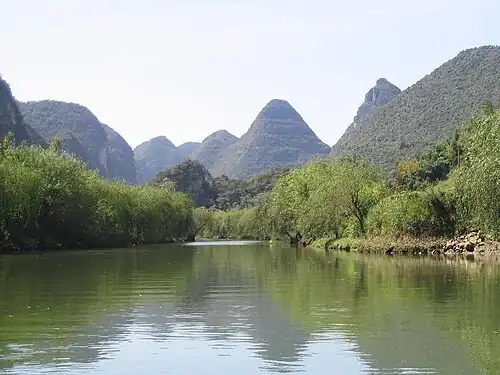
- South China (Guangdong, Guangxi, Hainan) — Cantonese cuisine and culture, the Guilin karst landscapes, and tropical Hainan beaches.
- Southwest China (Sichuan, Chongqing, Yunnan, Guizhou, Tibet) — pandas, spicy food, ethnic-minority villages, Himalayan plateau, and arguably the country's most spectacular scenery.
- Northwest China (Shaanxi, Gansu, Qinghai, Ningxia, Xinjiang) — the Silk Road, terracotta warriors, Dunhuang's Buddhist caves, and Uyghur culture in Kashgar.
- Northeast China (Liaoning, Jilin, Heilongjiang) — historical Manchuria, Russian-influenced Harbin, winter ice festivals, and Changbai Mountain volcanic lake.
- South-Central China (Hubei, Hunan, Jiangxi, Anhui) — the middle Yangtze, Three Gorges, Zhangjiajie's sandstone pillars (the "Avatar mountains"), and Mao's birthplace.
- Special regions — Hong Kong, Macau, and Taiwan are covered separately and require separate immigration.
Tell us your dates and we'll tailor your China trip around them.
WhatsAppTop Destinations
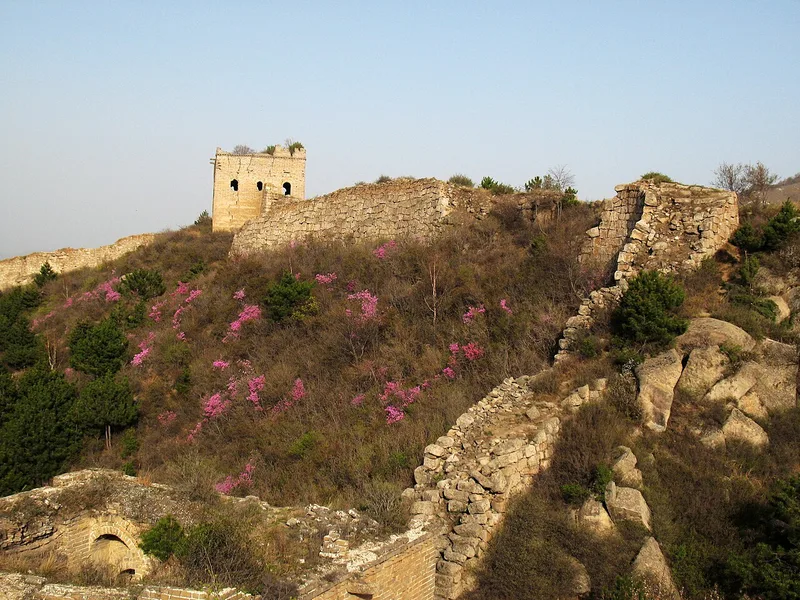
- Beijing (北京) — the imperial capital: Forbidden City, Tiananmen Square, Temple of Heaven, Summer Palace, and the most-visited sections of the Great Wall (Mutianyu, Jinshanling, Badaling).
- Shanghai (上海) — China's commercial showpiece, with the Bund's colonial skyline facing Pudong's futuristic towers, plus the lanes of the former French Concession.
- Xi'an (西安) — ancient capital and Silk Road terminus; the Terracotta Army at Emperor Qin's mausoleum is the headline draw, with intact Ming-era city walls and the Muslim Quarter.
- Chengdu (成都) — Sichuan's relaxed capital, home to the Giant Panda Breeding Research Base, mouth-numbing málà hotpot, and a launchpad for Jiuzhaigou and Mount Emei.
- Guilin & Yangshuo (桂林/阳朔) — surreal limestone karst peaks along the Li River, best seen by bamboo raft or from Yangshuo's countryside.
- Hangzhou (杭州) — built around UNESCO-listed West Lake, the southern terminus of the Grand Canal and a long-time muse of Chinese poets and painters.
- Huangshan / Yellow Mountain (黄山) — granite spires, sea-of-clouds vistas, and twisted pines that defined Chinese landscape painting.
- Lhasa & Tibet (拉萨/西藏) — Potala Palace, Jokhang Temple, and the high-altitude Tibetan Buddhist heartland (special permit required).
- Zhangjiajie (张家界) — the towering quartzite-sandstone pillars of Wulingyuan that inspired Avatar's floating mountains.
- Harbin (哈尔滨) — Heilongjiang's capital, with Russian-influenced architecture and the famous January Ice and Snow Sculpture Festival.
- Kashgar (喀什) — the heart of Uyghur culture in westernmost Xinjiang, with the Id Kah Mosque and a centuries-old Sunday bazaar.
- Hong Kong (香港) — separate immigration jurisdiction, but the Victoria Harbour skyline, dim sum, and hiking trails make it the obvious add-on for most China itineraries.
Regions & States
China has 34 regions with guides — pick one to drill into its destinations.

Anhui Sheng
25 destinations
Beijing Shi
9 destinations
Chongqing Shi
12 destinations

Fujian Sheng
19 destinations

Gansu Sheng
23 destinations

Guangdong Sheng
24 destinations

Guangxi Zhuangzu Zizhiqu
24 destinations
Guizhou Sheng
27 destinations

Hainan Sheng
26 destinations
Hebei Sheng
21 destinations
Heilongjiang Sheng
23 destinations

Henan Sheng
28 destinations
Hong Kong SAR
11 destinations

Hubei Sheng
22 destinations
Hunan Sheng
30 destinations

Jiangsu Sheng
26 destinations

Jiangxi Sheng
17 destinations

Jilin Sheng
14 destinations

Liaoning Sheng
24 destinations
Macao SAR
5 destinations

Nei Mongol Zizhiqu
20 destinations
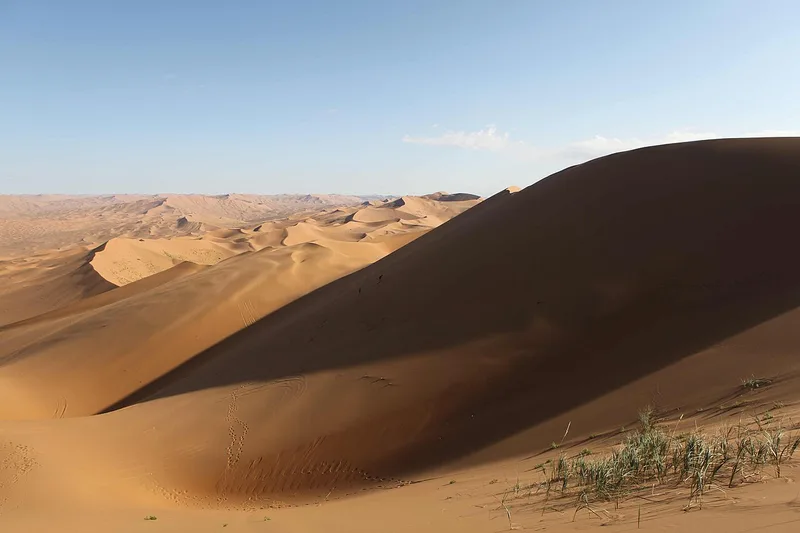
Ningxia Huizu Zizhiqu
13 destinations
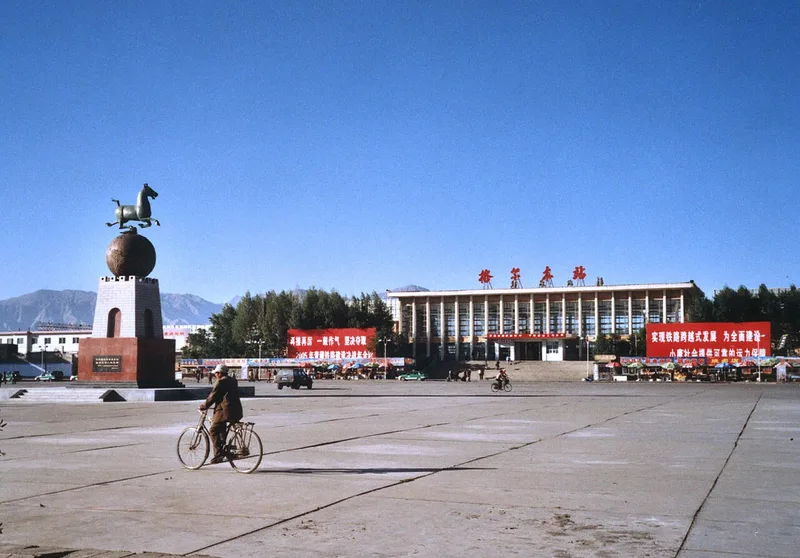
Qinghai Sheng
20 destinations

Shaanxi Sheng
19 destinations

Shandong Sheng
28 destinations
Shanghai Shi
9 destinations
Shanxi Sheng
18 destinations

Sichuan Sheng
40 destinations
Taiwan Sheng
33 destinations
Tianjin Shi
9 destinations

Xinjiang Uygur Zizhiqu
26 destinations
Xizang Zizhiqu
20 destinations

Yunnan Sheng
29 destinations

Zhejiang Sheng
36 destinations
Not sure where to start in China? Tell us how you like to travel and we'll shape the route.
WhatsAppTop Destinations
The places first-time and returning travellers ask for most.
Acheng
Acheng (阿城) is a district of Harbin in southern Heilongjiang Prov…
Aletai
Aletai (阿勒泰; Ä€lètà i; also rendered Altay or Altai City) sits…
Alishan
Alishan — properly the Alishan National Scenic Area (阿里山國宅
Ankang
Ankang (安康) sits in the deep south of Shaanxi, tucked between the…
Anshan
The Anshan area has been settled since prehistory, and the Tang emper…
Anshun
Anshun (安顺; Ānshùn) is a city in Guizhou Province, southwestern China…
Anyang
Anyang (安阳; Ä€nyáng) is a prefecture-level city of about 5.4 mil…
Aojiang
Aojiang (鳌江 Ã?ojiÄ?ng) is a township-level town in southern Zheji…
Badain Jaran Desert
The Badain Jaran Desert (巴丹å?‰æž—æ²™æ¼ , BÄ?dÄ?njÃlÃn ShÄ?mò)…
Baicheng
The land around Baicheng was hunting ground for centuries — Chinese…
Baisha
Baisha Li Autonomous County sits in the rugged, forested heart of cen…
Baishan
Baishan (白山, "White Mountain") sits in the rugged southeastern co…

Contact Us
Get in touch with us.
Get in touch
Contact Us
Tell us where you'd like to go and how you like to travel. A real Tripcuro planner — not a bot — will craft an itinerary around you.
- Personalised, hassle-free planning end-to-end
- Transparent pricing, no hidden costs
- 24/7 support for complete peace of mind