
Kainantu
Eastern Highlands, Papua New Guinea
Why visit Kainantu?
Kainantu is a highlands town of roughly 6,700 residents in Papua New Guinea's Eastern Highlands Province, situated at an altitude of approximately 1,600 to 2,000 m (5,250–6,560 ft) above sea level. Positioned along the Highlands Highway, the town serves as an administrative center and the eastern trade gateway into the interior highlands, connecting the northern coastal port of Lae with provincial centers further west. The town grew as an administrative outpost and gold prospecting base in the 1930s and now functions primarily as a commercial hub for coffee growers and rural subsistence farmers.
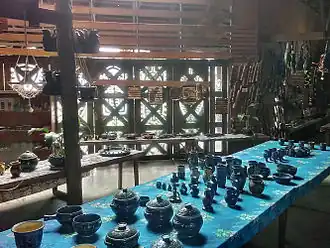
Culturally, Kainantu is recognized across Papua New Guinea for its distinctive tradition of hand-formed clay pottery. Clay sourced from surrounding river valleys is shaped using traditional paddle-and-anvil techniques before being fired in local kilns. Just south of the town center lies the Aiyura Valley, which hosts agricultural research stations and the Ukarumpa mission community operated by the Summer Institute of Linguistics (SIL).
Due to its high altitude, Kainantu experiences a temperate highland climate that stays noticeably cooler than coastal PNG. Daytime temperatures average between 18 °C and 25 °C (64–77 °F), while night temperatures regularly drop to 10–14 °C (50–57 °F). Rainfall occurs throughout the year, with heavier precipitation during the northwest wet monsoon from November to April.
Planning Kainantu? Tell us your dates and we’ll tailor the trip.
Ask on WhatsAppHow do you get there?
By Plane
Kainantu lacks direct commercial passenger airline flights. The nearby Aiyura Airstrip (IATA: AYU), located 10 km south in the Aiyura Valley, handles charter, NGO, and mission aircraft operated primarily by JAARS.
The nearest commercial airport is Goroka Airport (IATA: GKA), 90 km west (about 1.5 to 2 hours by road). Air Niugini and PNG Air operate daily scheduled turboprop and regional jet flights to Goroka from the national capital, Port Moresby (POM, 55-minute flight time). From Goroka Airport, visitors continue to Kainantu by private 4WD hire or regional public motor vehicles.
By Bus
Public Motor Vehicles (PMVs)—consisting of 25-seater Toyota Coaster minibuses and sturdy open-backed passenger trucks—operate along the Highlands Highway.
- From Lae: PMVs depart early in the morning from the Eriku PMV Stop in Lae. The 170 km journey takes 4 to 5 hours and costs PGK 50–70 (~$13–$18 USD).
- From Goroka: Minibuses depart frequently throughout the day from the main Goroka market depot. The 90 km trip takes 1.5 to 2 hours and costs PGK 25–35 (~$6–$9 USD).
PMVs run on a fill-and-depart basis without fixed timetables. Board vehicles early in the day, as highway services diminish by mid-afternoon, and avoid traveling after dark.
By Car
Kainantu sits directly on the Highlands Highway (National Highway 1).
- From Lae (170 km east, 4–5 hours): The route runs through the flat Markham Valley before climbing steeply over the Finisterre Range via the winding Kassam Pass.
- From Goroka (90 km west, 1.5–2 hours): The paved highway winds past the Yonki Reservoir and through rolling hill country.
Road conditions along Highway 1 vary greatly; sealed stretches alternate with gravel bypasses and deep potholes. A high-clearance 4WD vehicle is strongly recommended. Most international travelers hire a vehicle with an experienced local driver through established rental firms in Lae or Goroka.
By Train
No train service.
The central commercial core of Kainantu—comprising the market, bank, and trade stores—is compact enough to navigate on foot during daytime hours. For travel to surrounding valleys and settlements like Ukarumpa (11 km south) or Yonki Dam (35 km east), local PMV minivans run from the main market rank for fares ranging from PGK 3 to PGK 10 (~$0.80–$2.60 USD).
There are no metered taxis or ride-hailing mobile apps in Kainantu. For day excursions to outlying villages or scenic lookouts, arrange private transport and a local guide in advance through Kainantu Lodge or an established tour operator in Goroka. Do not walk alone after sunset.
What are the things to do?
Eastern Highlands Cultural Centre and Museum: Located in the center of town, this cultural facility features a working pottery workshop, craft showroom, and historical displays. Visitors can watch local artisans throw and fire traditional highlands pottery and view regional wood carvings, bows, and woven artifacts. Open Monday–Friday 8:00 AM–4:00 PM; entry fee is PGK 10 (~$2.60 USD).
Yonki Dam and Reservoir: Situated 35 km east of town in the Arona Valley along the Highlands Highway, this major hydroelectric installation dams the Ramu River. The highway runs directly across the crest of the dam wall, providing open views over the vast lake and green highland ridges. Roadside viewing is free.
Kassam Pass: Located 50 km east on Highway 1, this mountain pass serves as the scenic threshold between the lowland Markham Valley and the Eastern Highlands plateau. The winding roadway offers panoramic lookouts over steep ravines and forest canopy; free access.
Aiyura Valley Agricultural Station: Located 13 km south, this expansive valley contains the Coffee Research Institute alongside experimental tea, fruit, and crop fields. Visitors can view extensive coffee seedling nurseries and research plots along the valley road; free to tour grounds with prior local arrangement.
Kainantu Central Market: The primary community trading area in town, filled with farmers from surrounding mountain villages selling sweet potato, highland greens, fresh fruit, peanuts, and bilums. Free entry during daylight hours.
Ukarumpa Mission Base: Located 11 km south of Kainantu, this missionary community serves as the regional base for linguistic documentation and Bible translation work in PNG. The site includes community facilities, translation archives, and an aviation maintenance hangar. Visiting requires an invitation or prior coordination with SIL administration.
Observe Pottery Making: Visit the pottery workshop at the Eastern Highlands Cultural Centre to watch local potters refine mountain clay, shape vessels by hand, and finish them using traditional firing techniques.
Play at Kainantu Golf Club: Play a 9-hole round on the green upland course at Kainantu Golf Club, set against a backdrop of mountain ridges and pine trees. Green fees run PGK 20–40 (~$5–$10 USD).
Browse the Ukarumpa Farmers Market: Visit the open-air market at Ukarumpa on Monday, Wednesday, or Friday mornings to purchase fresh highland vegetables, artisanal baked bread, and local honey.
Guided Mountain Ridge Trekking: Hire an experienced local village guide through your accommodation to walk the footpaths and ridge trails through pine groves and farming hamlets above the town.
Birdwatching in the High Valleys: Arrange an early morning excursion into the forested valley edges around Aiyura to spot endemic highland birds, including species of birds-of-paradise.
Planning Kainantu? Want these on a customised itinerary?
Ask on WhatsAppWhere to eat?
- Kainantu Lodge Restaurant: Located on the hillside within Kainantu Lodge, this is the primary full-service dining room in town. It serves grilled Ramu beef steaks, roasted chicken, chips, steamed highland vegetables, and cooked breakfasts. Price tier: Mid-range (PGK 40–90 / ~$10–$23 USD per main dish).
- Ukarumpa Bakery & Cafe: Located within the Ukarumpa community center, this spot serves fresh cinnamon rolls, homemade pies, sandwiches, and brewed local coffee on market mornings. Price tier: Budget (PGK 10–25 / ~$2.60–$6.50 USD).
- Kainantu Market Food Stalls: Stalls surrounding the central market selling ready-to-eat roasted sweet potato (kaukau), roasted corn cobs, boiled eggs, and bananas. Price tier: Budget (PGK 2–8 / ~$0.50–$2.00 USD).
- Town Center Kai Bars: Simple counter-service takeaway windows along the main street selling fried sausages, fried chicken pieces, and chips. Price tier: Budget (PGK 5–15 / ~$1.30–$3.90 USD).
Where to drink?
Locally grown Arabica coffee is prepared at Kainantu Lodge and the Ukarumpa cafe. Commercial soft drinks, fruit juices, and bottled water are sold across town in local trade stores. The bar at Kainantu Lodge serves cold beer, including South Pacific Brewery's SP Lager and SP Export. Tap water in Kainantu is untreated; drink only sealed bottled water or water that has been boiled and filtered. Chewing betel nut (buai) with mustard stick (daka) and crushed slaked lime (kambang) is a common social custom visible throughout the market and public streets.
Planning Kainantu? We’ll book the stays and dining for you.
Ask on WhatsAppWhere to stay?
- Budget: Church and Mission Guesthouses — Basic rooms with shared bathrooms and shared kitchen facilities are operated by local Christian missions in Kainantu and near Ukarumpa. Accommodation is simple and requires advance arrangements through local community contacts. Rates: PGK 60–120 (~$15–$31 USD) per night.
- Mid-range: Kainantu Lodge Hotel (Hillside Road, +675 737 1020 / +675 537 1020, [email protected]) — The primary hotel in town, featuring 22 guest rooms with private bathrooms, an on-site steakhouse restaurant, a lounge bar with an open fireplace, and tennis courts. Rates: PGK 250–420 (~$65–$110 USD) per night.
- Upscale: There are no upscale hotels in Kainantu. Travelers seeking comprehensive hotel amenities stay in Goroka (90 km west) at the Bird of Paradise Hotel (+675 532 1144), which offers air-conditioned suites, multiple restaurants, a swimming pool, and airport shuttles. Rates: PGK 500–850 (~$130–$220 USD) per night.
What should you buy?
- Bank of South Pacific (BSP): Located on Old Airport Road (+675 537 1065). Open Monday–Thursday 8:45 AM–3:00 PM, Friday 8:45 AM–4:00 PM. Features a branch counter and an ATM. Foreign bank cards are not consistently accepted, so withdraw adequate cash (PGK) in Goroka or Lae before arriving.
- Traditional Highlands Pottery: Locally crafted decorative pots, bowls, and urns made from regional clay, sold directly by artisans at the Eastern Highlands Cultural Centre (PGK 20–150 / ~$5–$39 USD).
- Handwoven Bilum Bags: Traditional loop-woven string bags made from natural bush fiber or colorful acrylic yarn, available at Kainantu Central Market and from craft sellers near Kainantu Lodge (PGK 30–120 / ~$8–$31 USD).
- Aiyura Highland Coffee: Bags of locally roasted Eastern Highlands Arabica coffee beans and grounds, available at trade stores and local agricultural offices (PGK 15–35 / ~$4–$9 USD per 250g bag).
Where to go next?
- Goroka (90 km west, 1.5–2 hours by PMV or car): Capital of Eastern Highlands Province, featuring the JK McCarthy Museum, the Raun Raun Theatre, and the world-renowned Goroka Cultural Show each September.
- Yonki Dam & Arona Valley (35 km east, 45 minutes by road): A major reservoir and hydroelectric installation surrounded by rolling grassland ridges, suitable for landscape photography.
- Lae (170 km east, 4–5 hours by road): Papua New Guinea's second-largest city and primary industrial port on the Huon Gulf, connecting the highlands to coastal shipping and sea routes.
- Kundiawa (175 km west, 3.5–4 hours by road): Capital of neighboring Simbu Province, perched on steep mountain slopes and serving as the staging base for trekking Mount Wilhelm (4,509 m).
Nearby in Eastern Highlands
More places to explore around Kainantu.

Guide content as of June 2026. Portions adapted from Wikivoyage, CC BY-SA 4.0.

Contact Us
Get in touch with us.
Get in touch
Contact Us
Tell us where you'd like to go and how you like to travel. A real Tripcuro planner — not a bot — will craft an itinerary around you.
- Personalised, hassle-free planning end-to-end
- Transparent pricing, no hidden costs
- 24/7 support for complete peace of mind