
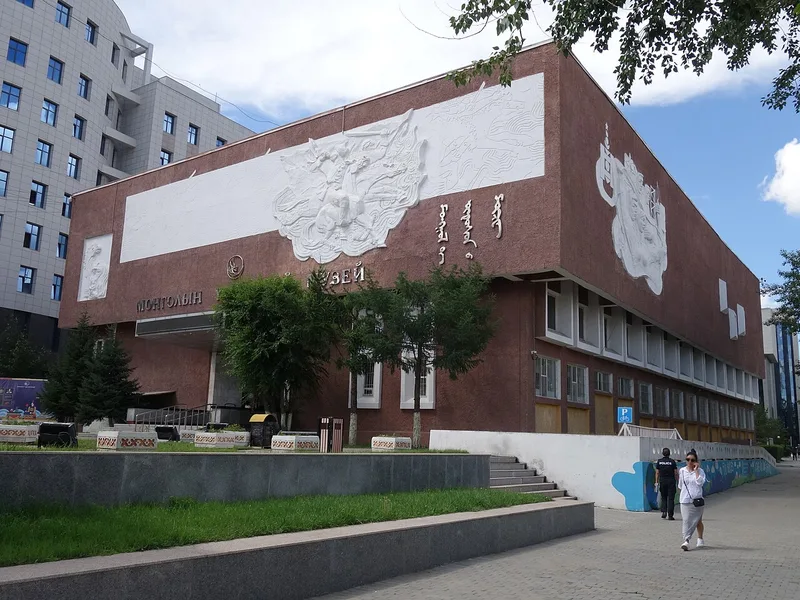
National Museum of Mongolia
Ulaanbaatar, Mongolia
Why visit National Museum of Mongolia?
The National Museum of Mongolia is the country's principal history museum, telling the story of the Mongolian nation from prehistory to the present day. Located in central Ulaanbaatar just off Sükhbaatar Square, it is the natural first stop for any visitor wanting to understand the land, peoples and empires of Mongolia before heading out to the steppe. Its galleries span Stone Age and Bronze Age artefacts, the rise of the early steppe confederations, the Mongol Empire of Chinggis Khan and his successors, the centuries of Qing rule, the revolutionary and socialist periods, and the democratic transition of the early 1990s.
The museum is best known for two strengths. The first is its outstanding collection of traditional ethnic costumes, jewellery and headdresses, which displays the dress of Mongolia's many ethnic groups in vivid detail — one of the finest such collections in the country. The second is the gallery devoted to the Mongol Empire, with weapons, armour, documents and reproductions that bring the era of the great khans to life. Together with displays on nomadic life — gers, herding equipment and everyday objects — the museum gives a coherent overview that enriches the rest of a Mongolian trip.
The museum sits in central Ulaanbaatar within easy walking distance of Sükhbaatar Square and other central sights. Ulaanbaatar's climate is sharply continental — summer (June–August) is the mildest and most comfortable season, while winter is intensely cold. As an indoor attraction the museum is well suited to any season; allow two to three hours to do its galleries justice.
Planning National Museum of Mongolia? Tell us your dates and we’ll tailor the trip.
Ask on WhatsAppHow do you get there?
By Plane
Ulaanbaatar is served by Chinggis Khaan International Airport (IATA: UBN), roughly 50 km south of the city. Transfer to the centre is by taxi, hotel transfer or airport shuttle bus, taking around an hour or more depending on traffic. From central Ulaanbaatar the museum is a short walk or ride from Sükhbaatar Square.
By Train
Ulaanbaatar Railway Station, on the Trans-Mongolian line, links the capital with domestic destinations and with international services towards Russia and China. The station is a short taxi ride from the museum.
By Car / Road
Ulaanbaatar is Mongolia's road hub, connected to provincial centres by paved highways and rougher routes; long-distance buses arrive at the city terminals. Within the city the museum is easily reached by car or taxi, though central traffic can be heavy.
The museum is explored on foot across its several floors of galleries. It sits in central Ulaanbaatar, an easy walk from Sükhbaatar Square and many central hotels. To reach it from elsewhere in the city, the bus network has low flat fares paid by transit card, and taxis and ride-hailing apps are widely used. Agree fares or use app pricing before riding, and watch belongings in busy central streets.
What are the things to do?
Traditional costumes and ethnography gallery — An outstanding display of ethnic dress, headdresses and jewellery from Mongolia's many groups, a museum highlight.
Mongol Empire gallery — Weapons, armour, documents and exhibits on Chinggis Khan and the era of the great khans.
Prehistory and ancient steppe galleries — Stone Age, Bronze Age and early-empire artefacts, including deer stones and burial finds.
Nomadic life displays — Gers, herding tools and everyday objects illustrating traditional Mongolian pastoral life.
20th-century and modern history — Exhibits on the revolutionary period, the socialist era and the 1990s democratic transition.
Tour the galleries — Work through the museum chronologically for a clear overview of Mongolian history before exploring the country.
Take a guided tour or audio guide — Where available, these add depth to the costume and empire collections.
Photography — The costume displays in particular are highly photogenic (photography fees may apply).
Combine with central sights — Pair a visit with Sükhbaatar Square and the nearby Choijin Lama Temple Museum for a half-day on foot.
Planning National Museum of Mongolia? Want these on a customised itinerary?
Ask on WhatsAppWhere to eat?
There are no major restaurants within the museum, but its central location puts a wide choice of dining within a short walk. Mongolian staples to try include buuz (steamed mutton dumplings), khuushuur (fried meat pastries) and tsuivan (stir-fried noodles).
- Budget — Local guanz and canteens nearby serve cheap, filling Mongolian plates.
- Mid-range — Central Ulaanbaatar offers a wide spread of Mongolian and international restaurants and cafés within walking distance.
- Upscale — Hotel restaurants and finer dining around the central district provide smarter Mongolian and international menus.
Central Ulaanbaatar has several vegetarian and international options; standard Mongolian fare is meat-heavy, so ask about meat-free dishes.
Where to drink?
Central Ulaanbaatar around the museum has numerous cafés serving good coffee and tea, including suutei tsai, the salty Mongolian milk tea. Mongolia produces its own beers and vodka, widely available in bars and restaurants. Tap water in Ulaanbaatar is best avoided for drinking; stick to bottled or boiled water.
Planning National Museum of Mongolia? We’ll book the stays and dining for you.
Ask on WhatsAppWhere to stay?
There is no accommodation at the museum, but its central position puts the city's full range of lodging within easy reach.
- Budget: Numerous hostels and guesthouses in central Ulaanbaatar with dorm beds and basic private rooms.
- Mid-range: A good selection of mid-range hotels within walking distance, offering comfortable rooms and breakfast.
- Upscale / heritage: International and upscale hotels in central Ulaanbaatar provide the city's highest comfort and service.
What should you buy?
The museum has a shop selling books, postcards, replicas and souvenirs related to Mongolian history and culture. For broader shopping — cashmere, felt goods, paintings and crafts — the State Department Store and the shops around Sükhbaatar Square are a short walk away, and the sprawling Naran Tuul Market lies further out. Prices in shops and malls are fixed; at markets, polite bargaining is expected.
Where to go next?
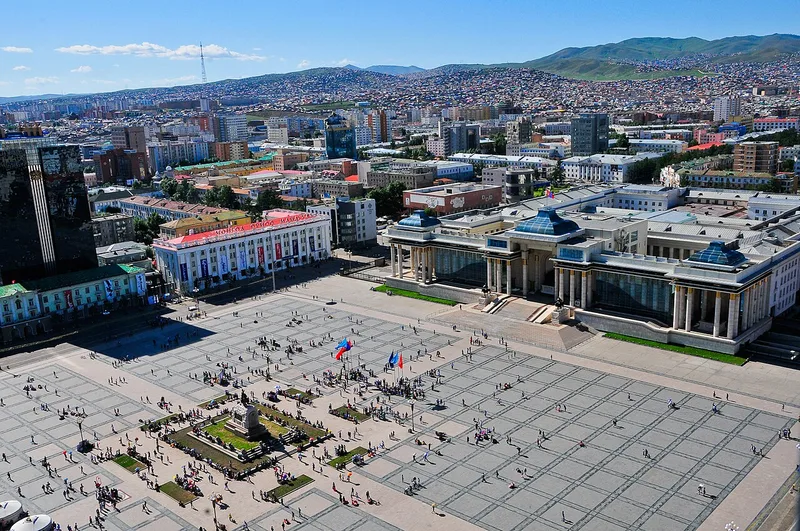
- Sükhbaatar Square (within Ulaanbaatar) — The capital's central plaza, just a short walk away.
- Choijin Lama Temple Museum (within Ulaanbaatar) — A preserved early-20th-century temple complex turned museum.
- Gandantegchinlen Monastery (within Ulaanbaatar) — The capital's largest active Buddhist monastery.
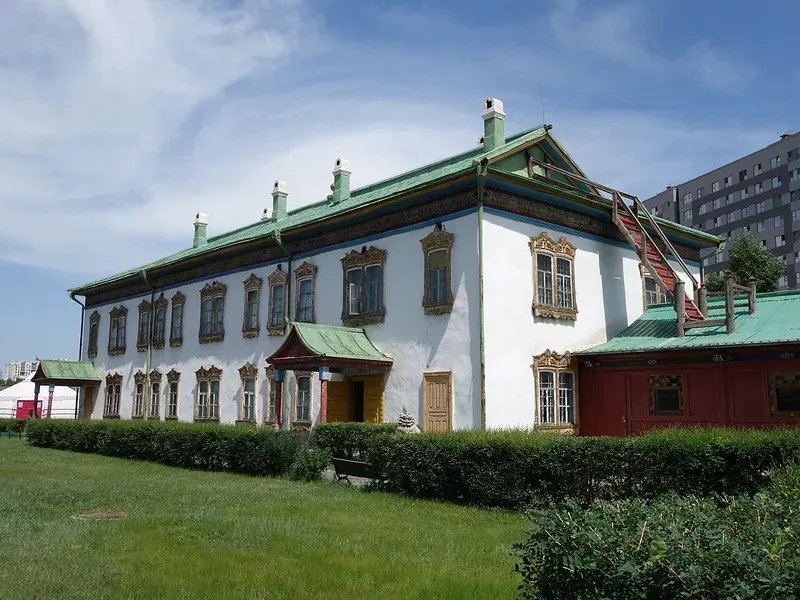
- Bogd Khan Palace Museum / Winter Palace (within Ulaanbaatar) — The preserved residence of the last theocratic ruler.
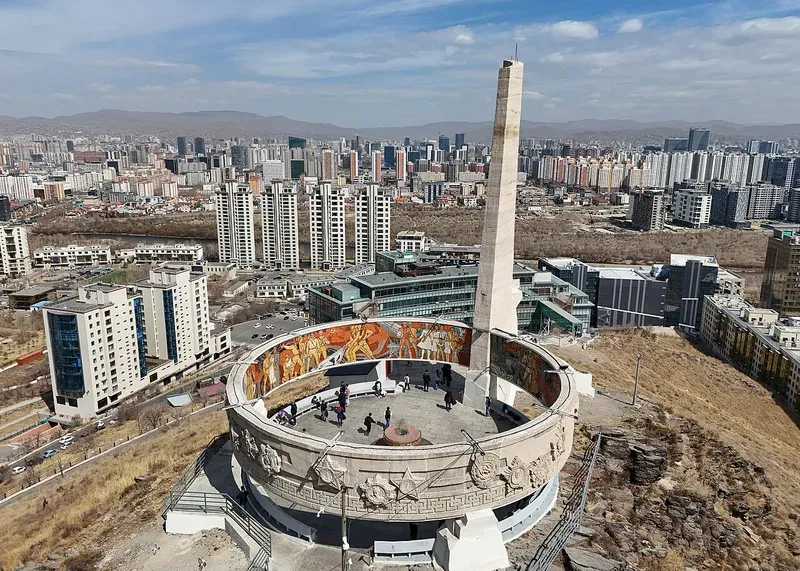
- Zaisan Memorial (within Ulaanbaatar) — A hilltop monument with panoramic city views.
Nearby in Ulaanbaatar
More places to explore around National Museum of Mongolia.
Guide content as of May 2026. Portions adapted from Wikivoyage, CC BY-SA 4.0.

Contact Us
Get in touch with us.
Get in touch
Contact Us
Tell us where you'd like to go and how you like to travel. A real Tripcuro planner — not a bot — will craft an itinerary around you.
- Personalised, hassle-free planning end-to-end
- Transparent pricing, no hidden costs
- 24/7 support for complete peace of mind