
Chandmani-Ondor
Hovsgol, Mongolia
About Chandmani-Ondor
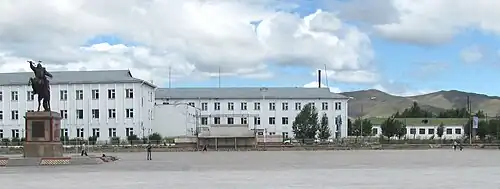
Chandmani-Öndör is a remote sum (district) in the eastern part of Hövsgöl Province, in the forested mountain country of northern Mongolia. The district centre is a small steppe-and-forest settlement of a few hundred households gathered around the usual administrative core — a school, a clinic and a handful of shops — with gers and timber houses scattered across the surrounding meadows. It sees very few foreign visitors and has no major monuments; its appeal lies in the landscape, the herding culture, and its position as a quiet stop in a corner of Hövsgöl that most itineraries skip.
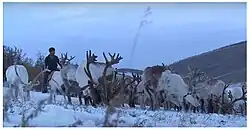
This is taiga-edge country: rolling grassland gives way to larch and pine forest climbing the slopes, with rivers, marshes and good summer pasture. Life revolves around livestock — horses, cattle, yaks, sheep and goats — and the people are mostly Khalkha and Buryat Mongols, herders by tradition. For a traveller, Chandmani-Öndör offers the chance to experience an unhurried rural Mongolia: open horizons, friendly herding families, and easy access to walking and riding in genuinely untouched hills.
The climate is severe and strongly continental. Winters are long, dark and extremely cold, with temperatures well below −30°C and deep snow; summers are short, green and pleasant by day but cool at night, even in July. The practical travel window is roughly mid-June to mid-September, when the roads are passable and the country is at its greenest. Outside that, unpaved tracks turn to mud or freeze, and services shrink to almost nothing. Pack warm layers regardless of when you come.
Planning Chandmani-Ondor? Tell us your dates and we’ll tailor the trip.
Ask on WhatsAppHow to reach
By Plane
By Train
By Car / Road
Chandmani-Öndör is reached overland, most commonly from Mörön, the Hövsgöl provincial capital. The route runs across unpaved mountain and forest tracks, and a 4WD vehicle with an experienced local driver is essential. Allow a long day's drive, and longer in wet weather — rain turns the dirt surface slippery and can flood river crossings. Most visitors arrive with a hired jeep or as part of a guided tour arranged in Mörön or Ulaanbaatar.
Shared vehicles (jeeps and vans) occasionally connect the district with Mörön and neighbouring sums, but they are infrequent and unscheduled, leaving only when full. Hiring a private vehicle with driver is the dependable option.
There is no public transport within the district. The settlement itself can be crossed on foot in fifteen to twenty minutes. To reach the surrounding valleys, rivers and herding camps you will need the vehicle and driver that brought you, or horses, which local herders can arrange. Distances are large and there are no road signs, so a local guide is genuinely useful. Mobile coverage is patchy and there are no ride-hailing services — arrange transport and guiding in advance.
Things to do
The surrounding mountains and taiga forest — The district's main attraction is its scenery: forested ridges, river valleys and wide pasture, best appreciated on a slow drive or a ride out from the centre.
Herding camps and ger settlements — Visiting a herding family in the valleys around the district is the most rewarding "sight" here, offering a window into nomadic life.
Local ovoo (sacred cairns) — Hilltops and passes are marked with stone ovoo; walk clockwise around one if you pass it.
Horse riding — The classic activity: ride out from the district centre into the surrounding hills and forest with a local guide.
Hiking and wildlife watching — The forest edge and river valleys are excellent for walking; look for marmots, raptors and a variety of birdlife.
Stay with a herding family — Spending a night in a ger, helping with the animals and sharing meals, is the best way to understand the region.
Fishing and river camping — The local rivers make pleasant spots for a quiet camp; ask locally about conditions and any permits.
Planning Chandmani-Ondor? Want these on a customised itinerary?
Ask on WhatsAppFood & Dining
Food in Chandmani-Öndör is home-style Mongolian herder fare built on meat and dairy — mutton, beef, milk tea, dried curds (aaruul) and clotted cream (öröm). There are no restaurants of note; meals are taken with host families or at a guesthouse, and many travellers bring supplies to cook with their group.
- Budget — Meals provided by a homestay or ger guesthouse; expect buuz (steamed dumplings), tsuivan (fried noodles with meat) and hearty soups.
- Local specialty — Khorkhog, mutton cooked with hot stones, is sometimes prepared for guests; ask your host in advance.
- Self-catering — Carry provisions for excursions; the small shops cover only the basics.
Vegetarians should plan ahead and bring their own food — a meat-free diet is difficult in herder country. Halal and gluten-free options are not available.
Cafes & Nightlife
The everyday local drink is süütei tsai (salty milk tea), and in summer airag, lightly alcoholic fermented mare's milk. Herding families may also offer fermented or distilled milk drinks. Bottled water, soft drinks and beer are sold in the small shops, though stock is limited. Do not drink untreated water from rivers — boil, filter or use purification tablets, and carry enough treated water for any excursion.
Planning Chandmani-Ondor? We’ll book the stays and dining for you.
Ask on WhatsAppPlaces to Stay
- Budget: Informal ger guesthouses and homestays in and around the district centre offer a bed in a ger with meals, typically in the range of ₮25,000–60,000 per person per night; arrangements are made on arrival or through a guide. Camping with your own tent is free and easy in the surrounding country.
- Mid-range: Seasonal tourist ger camps sometimes operate in the wider region during summer, offering gers with beds and shared facilities; availability is limited and they close outside the warm months.
What to buy
Chandmani-Öndör has only small local shops (delguur) stocking basic groceries, batteries and staples — buy anything specific you need (snacks, toiletries, electronics) in Mörön before arriving. Herding families sometimes sell handmade felt goods, carved wood and woollen items; buying directly from the makers supports the community. There is no organised market or real bargaining culture; prices for the few goods on sale are modest and fixed.
Go next
- Mörön (long day's drive) — The Hövsgöl provincial capital and transport hub, with the airport, banks and markets.
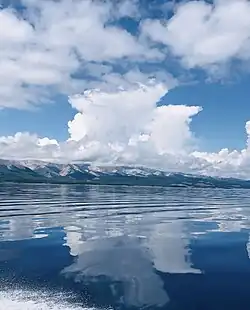
- Lake Khövsgöl — Mongolia's deep, clear alpine lake, with ger camps, boating and hiking on its shores.
- Erdenebulgan (neighbouring sum) — Another quiet Hövsgöl district on routes through the eastern part of the province.
- Tsetserleg (Arkhangai) — A green provincial capital with a notable monastery-museum, on routes south toward central Mongolia.
- Bulgan — A provincial capital in the agricultural heart of northern Mongolia, with monasteries and museums.
Nearby in Hovsgol
More places to explore around Chandmani-Ondor.

Portions adapted from Wikivoyage, CC BY-SA 4.0.

Contact Us
Get in touch with us.
Get in touch
Contact Us
Tell us where you'd like to go and how you like to travel. A real Tripcuro planner — not a bot — will craft an itinerary around you.
- Personalised, hassle-free planning end-to-end
- Transparent pricing, no hidden costs
- 24/7 support for complete peace of mind