
Hovsgol
Mongolia · Province · 8 destinations with guides
Photography coming soonOverview
Khövsgöl (Hövsgöl) is a large province in northern Mongolia, occupying the country's far north-central reaches against the Russian border. It is one of Mongolia's most scenically rewarding aimags, a landscape of dense Siberian larch forest, alpine mountains, river valleys and — at its heart — the magnificent Lake Khövsgöl, the largest freshwater lake in Mongolia by volume and one of the most beautiful places in the country. This is where the great Siberian taiga meets the Mongolian steppe, and the province lies partly in a permafrost zone, giving it a cooler, greener, more wooded character than much of the rest of Mongolia.
The provincial capital is Mörön, a working town whose name means "river" and which serves as the near-universal gateway to the lake. Khövsgöl is also home to the Dukha (Tsaatan) people, reindeer-herding communities who live in the remote taiga of the province — one of Mongolia's most distinctive cultures. The protected area around the lake shelters a rich array of wildlife, from ibex and argali to brown bear, elk and sable.
For travellers, Khövsgöl is defined by Lake Khövsgöl and the wilderness around it. It suits those who want forest, clear water, horse trekking and a glimpse of reindeer-herding life — a province that rewards time spent outdoors rather than ticking off urban sights.
When to Visit
The practical season is summer, roughly June to late August or early September, when the lakeside ger camps are open, roads are passable and the forest and shoreline are at their finest. July brings the nationwide Naadam festival (around 11–13 July), with wrestling, horse racing and archery.
Khövsgöl's climate is sharply continental and, because of its northern latitude and elevation, cooler than much of Mongolia. Winters are extreme and bitterly cold; even in summer, nights around the lake are cold owing to the altitude and permafrost setting. Most of the year's rain falls in July and August. Early autumn brings crisp air and golden larch colour to the forests.
Tell us your dates and we'll shape a Hovsgol route around them.
WhatsAppGetting Around
The provincial capital, Mörön, is the transport hub. Mörön has one of the busiest airports in Mongolia outside Ulaanbaatar, about 5 km from the centre, with year-round flights from the capital (1.5 hours; one-way roughly 281,000₮ as of early 2024) and up to three flights a day in summer; a seasonal direct flight to Khatgal on the lake sometimes operates but is unreliable.
By road, a daily long-distance bus runs from Ulaanbaatar to Khatgal, the village at the southern end of Lake Khövsgöl — about 57,000₮ one way and roughly 15 hours. From Mörön it is about 100 km north to the lake, a 3–4 hour drive on a largely unsealed road; private taxis from Mörön to Khatgal cost roughly 30,000–50,000₮. Around the lake itself, travel is by boat, horse or yak — many camps offer boat transport, and horse and yak riding can be hired by the hour (about 5,000–10,000₮). For serious exploration of the province, hiring a jeep and driver is the usual approach; distances are long and most roads are unpaved tracks.
Top Destinations
- Lake Khövsgöl — the vast, exceptionally clear alpine lake holding most of Mongolia's freshwater; the province's defining attraction and a wilderness highlight.
- Mörön — the provincial capital and gateway town, with the regional airport, museums and the UNESCO-listed Uushigiin Övör deer stones nearby.
- Khatgal — the village at the southern tip of the lake; the main base for ger camps, boating and onward exploration.
- Darkhad Valley — a remote northern basin, home to reindeer-herding communities and some of the wildest country in Mongolia.
- Bulgan, Darkhan, Erdenet, Hutag-Ondor, Sühbaatar — towns of the wider northern region, useful as transit points and reached via the road and rail network.
- Amarbayasgalant Monastery — one of Mongolia's three great monasteries, in the wider northern region; a worthwhile addition to a northern itinerary.
Note: Several destinations in the curated list (Darkhan, Erdenet, Bulgan, Hutag-Ondor, Sühbaatar, Amarbayasgalant) sit administratively in neighbouring aimags but are grouped here as part of the broader Northern Mongolia travel region; Lake Khövsgöl, Mörön and Khatgal are the destinations within Khövsgöl province itself.
Want the scenic legs and stays booked for you? Just ask.
WhatsAppCuisine
Food in Khövsgöl follows the hearty, meat-centred pattern of northern Mongolia. Expect mutton and beef in most dishes: buuz (steamed dumplings), khuushuur (fried meat pastries), tsuivan (stir-fried noodles with meat) and warming meat-and-noodle soups. In Mörön, a memorable local dish is honey beef, and the town's cafés — such as the Aynii Joloo coffee shop and bakery — are a pleasant stop. Around Lake Khövsgöl, small canteens in Khatgal serve mainly local dishes, and most ger camps provide meals for their guests.
Dairy is central in summer — yoghurt, dried curds and milk products — and the reindeer-herding communities of the taiga add their own traditions. Vegetarian, halal and gluten-free options are limited in this rural province; travellers with dietary needs should plan ahead, ask in advance, and consider self-catering from the supermarkets clustered in Mörön.
Culture & Festivals
The dominant annual event is Naadam, the "three manly games" of wrestling, horse racing and archery, held nationwide in mid-July (around 11–13 July) and marked across the province. Tsagaan Sar, the lunar new year in January or February, is the other great celebration, centred on family gatherings, ceremonial foods and gift-giving.
Khövsgöl's most distinctive cultural feature is the Dukha (Tsaatan) reindeer-herding people of the northern taiga, whose way of life is unlike anything else in Mongolia — encounters are best arranged respectfully through local guides. The province also preserves the classic Mongolian traditions of throat singing, the horsehead fiddle (morin khuur) and Buddhist monastic arts, the last visible at Mörön's rebuilt Danzandarjaa Khiid monastery. Souvenir stands at the lake docks sell handcrafted stone, wood and bone items and locally designed clothing.
Travelling during a festival? We'll plan around the crowds.
WhatsAppNotable Experiences
- Horse or yak trekking around Lake Khövsgöl — multi-day treks through the forested shoreline of Mongolia's great alpine lake are a classic Khövsgöl experience.
- Boating on Lake Khövsgöl — sailing the famously clear, deep water to beaches and islands from the lakeside camps.
- Visit the Dukha (Tsaatan) reindeer herders — a journey into the northern taiga, often via Tsagaannuur, to meet one of Mongolia's most distinctive communities.
- See the Uushigiin Övör deer stones — the UNESCO-listed Bronze Age standing stones 17 km west of Mörön, carved with deer and other images around 1500 BC.
- Stay in a lakeside ger camp — experiencing the permafrost wilderness of Khövsgöl from a felt ger on the shore, with horses, yaks and forest all around.
Top Destinations
Every destination in Hovsgol with a guide — tap a place for the full guide.

Khatgal
Khatgal is a small village at the southern tip of Lake Khövsgöl, in K…
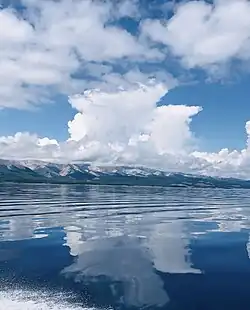
Lake Khovsgol
Lake Khövsgöl (Хөвсгөл нуур) is the largest freshwater lake in Mongol…
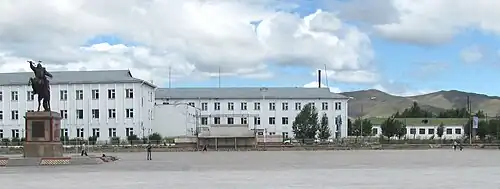
Moron
Mörön is the capital of Khövsgöl Province in northern Mongolia and, t…
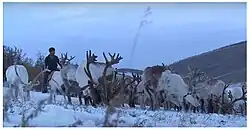
Tsagaannuur
Tsagaannuur ("White Lake") is one of the most distinctive places to v…
Chandmani-Ondor
Chandmani-Öndör is a remote sum (district) in the eastern part of Höv…
Khovsgol Lake National Park
Khövsgöl Lake National Park is a large protected area in Khövsgöl Pro…
Renchinlkhumbe
Renchinlkhumbe is a remote sum (district) in the far north of Hövsgöl…
Uushigiin Ovor Deer Stones
The Uushigiin Övör Deer Stones are an outstanding Bronze Age monument…
Pair the highlights of Hovsgol into one easy trip — we'll plan the route.
WhatsApp
Contact Us
Get in touch with us.
Get in touch
Contact Us
Tell us where you'd like to go and how you like to travel. A real Tripcuro planner — not a bot — will craft an itinerary around you.
- Personalised, hassle-free planning end-to-end
- Transparent pricing, no hidden costs
- 24/7 support for complete peace of mind