
Banaba
Gilbert Islands, Kiribati
Why visit Banaba?
Banaba (formerly Ocean Island) is a solitary raised coral island west of the Gilbert Islands chain, making it the westernmost point of Kiribati. It lies 298 km east of Nauru, its nearest neighbour. With an area of just 6.29 km² and a highest point of 81 m, Banaba is Kiribati's highest island. The island was extensively mined for phosphate from 1900 to 1979, operations that stripped away 90% of its surface and devastated its interior. The population living on Banaba today is about 330 (2020 census), though approximately 6,000 people of Banaban descent live on Rabi Island in Fiji, where most were resettled after World War II. Banaba has a tragic wartime history: in August 1945, Japanese troops massacred all but one of the remaining islanders. The island has a tropical rainforest climate, but is prone to drought as it has no natural streams or freshwater lens. The island's phosphate-mining legacy, its separate ethnic identity, and ongoing calls for self-determination make Banaba a place of profound historical significance.
Planning Banaba? Tell us your dates and we’ll tailor the trip.
Ask on WhatsAppHow do you get there?
By Plane
Banaba has no operational airstrip. The nearest airport is Bonriki International Airport (TRW) on Tarawa. Access to Banaba is by infrequent government supply ship or cargo vessel from Betio (Tarawa). The voyage takes 2–3 days depending on conditions. Private charters may be arranged through the Kiribati government.
By Car / Road
There are no cars for hire on Banaba. A rough track connects the three inhabited villages: Antereen (Tabiang), Tabewa, and Umwa. Most of the island's interior is a barren, mined-out landscape and is impassable.
Banaba is small enough to walk around the coastal fringe in a few hours. Local boat is the primary mode of transport between villages. The mined-out central plateau is largely uninhabitable and not traversable by vehicle.
What are the things to do?
The mined interior: A stark, otherworldly landscape of razor-sharp coral pinnacles — the legacy of 80 years of phosphate mining. This is one of the most striking human-altered landscapes in the Pacific.
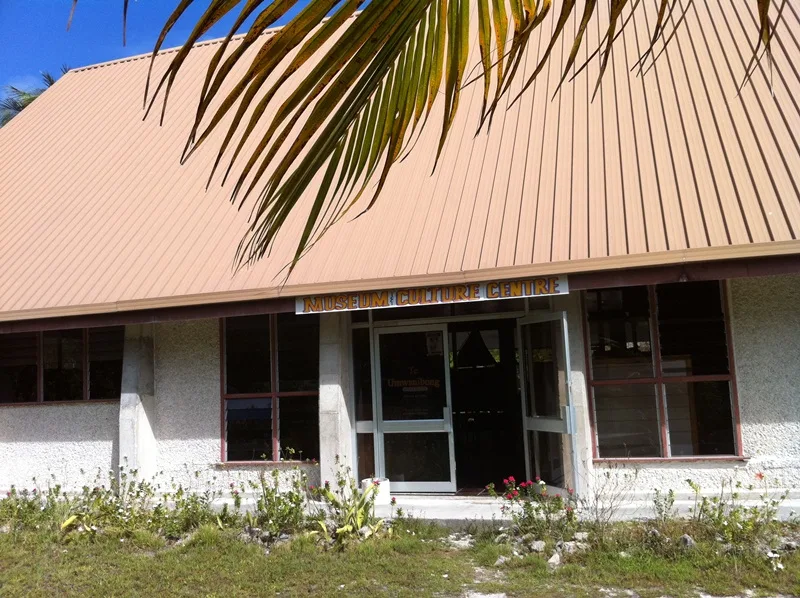
Antereen (Tabiang): The main village with the island council office, church, and a small jetty.
World War II relics: Japanese fortifications, gun emplacements, and the site of the 1945 massacre.
The highest point: At 81 m, Banaba's summit offers panoramic views of the surrounding ocean.
Scenic coastline: The coastal fringe, spared from mining, has lush vegetation with mango, guava, and coconut trees, plus raised limestone cliffs.
Hike the coastal fringe: Walk the vegetated perimeter road, passing through the three villages.
Visit the Rabi Community: Learn about the Banaban diaspora and the island's phosphate history from local residents.
Birdwatching: The vegetated coastal strip hosts seabirds and migratory species.
Photograph the moon-like interior: The mined phosphate pinnacles are a photographer's subject unlike anywhere else in Kiribati.
Planning Banaba? Want these on a customised itinerary?
Ask on WhatsAppWhere to eat?
Food is simple and based on fish, coconut, breadfruit, and imported rice. There are no restaurants. Visitors should arrange meals with the island council guesthouse in advance. All fresh provisions are limited and depend on supply ships.
Where to drink?
Freshwater is scarce. Rainwater is collected in tanks, and a cave once provided fresh water. Bottled water is not available — bring your own or be prepared to boil rainwater. Coconut water supplements the supply.
Planning Banaba? We’ll book the stays and dining for you.
Ask on WhatsAppWhere to stay?
- Budget: The island council maintains a basic guesthouse in Antereen. Accommodation is very simple — bring a sleeping sheet and mosquito net. Rates are around 20–30 AUD per night.
- Mid-range: No mid-range or upscale options exist.
- Upscale: Not applicable.
What should you buy?
There are no shops on Banaba. Visitors must bring all supplies. Local residents may occasionally sell fresh fish or coconuts. Handicraft production is minimal — the Banaban population is very small.
Where to go next?
- Nauru (298 km west) — The nearest neighbour, a phosphate island with a distinct culture and history.
- Tarawa (by supply ship, 2–3 days) — The capital atoll with government services, international airport, and urban amenities.
- Rabi Island, Fiji (far to the south) — The home of the majority Banaban community, accessible via Fiji.
Nearby in Gilbert Islands
More places to explore around Banaba.
Guide content as of July 2026.

Contact Us
Get in touch with us.
Get in touch
Contact Us
Tell us where you'd like to go and how you like to travel. A real Tripcuro planner — not a bot — will craft an itinerary around you.
- Personalised, hassle-free planning end-to-end
- Transparent pricing, no hidden costs
- 24/7 support for complete peace of mind