
Osaka
Japan · Prefecture · 17 destinations with guides
Photography coming soonOverview
Osaka Prefecture (大阪府, Ōsaka-fu) sits at the heart of Japan's Kansai region, anchored by the sprawling metropolis of Osaka City — the nation's third-largest city and the beating heart of the Osaka-Kobe-Kyoto urban corridor. With over 17 million people in the greater metropolitan area and a prefecture of 8.8 million residents, Osaka is Japan's economic and cultural counterweight to Tokyo: louder, brasher, funnier, and famously obsessed with food.
If Tokyo is Japan's polished capital, Osaka is its anti-capital. The local rallying cry is kuidaore (食い倒れ) — "eat until you drop" — and the city's identity is built around generosity, humour, and conspicuous enjoyment. Osaka dates back to the Nara period (when it served as the imperial capital under the name Naniwa), and during the Tokugawa era it earned the title "the Nation's Kitchen" (天下の台所, tenka-no-daidokoro) as the country's rice-trading hub. Today that mercantile legacy lives on in the bustling covered markets, street-food alleys, and a commercial energy unmatched anywhere else in Japan.
The prefecture stretches from Osaka Bay in the west to mountainous forested areas in the north and east. While Osaka City dominates, smaller cities like Sakai, Hirakata, and Minoo offer quieter escapes — ancient burial mounds, university-town café culture, and forested waterfall hikes — all within an hour of central Osaka.
When to Visit
Osaka has a humid subtropical climate. Summers (June–September) are hot and sticky, with temperatures regularly exceeding 33°C and high humidity. The rainy season (tsuyu) typically runs from mid-June to mid-July. Winters (December–February) are mild and dry — around 3–10°C — with little snow.
The best months are late March to mid-May (cherry blossom season, comfortable temperatures around 15–22°C) and late October to November (crisp autumn foliage, pleasant 15–22°C weather). Major festivals worth timing a visit around include:
- Tenjin Matsuri (July 24–25): One of Japan's three great festivals, centred on Osaka Tenmangu Shrine with a river procession of over 100 boats.
- Kishiwada Danjiri Matsuri (September): Thrilling portable-shrine (danjiri) races through narrow streets at full speed — a uniquely Osakan spectacle.
- Toka Ebisu (January 9–11): Osaka's biggest New Year event at Imamiya Ebisu Shrine, drawing over a million merchants and visitors praying for business prosperity.
Golden Week (late April–early May) and Obon (mid-August) see heavy domestic travel congestion.
Tell us your dates and we'll shape a Osaka route around them.
WhatsAppGetting Around
Osaka has one of Japan's most comprehensive urban rail networks:
- Osaka Metro: Eight subway lines plus the linear New Tram, covering the city centre and suburbs. Single fares from ¥190; one-day pass ¥820 (¥300 on weekends/holidays with Osaka Amazing Pass).
- JR Osaka Loop Line: A circular line connecting major stations including Osaka, Tennoji, Kyobashi, and Shin-Osaka. Useful for cross-town trips.
- Private railways: Hankyu (to Kyoto and Kobe), Keihan (to Kyoto and Kyoto), Hanshin (to Kobe), Kintetsu (to Nara and Ise), Nankai (to Wakayama and Kansai Airport), and Hankyu (to Takarazuka). All terminate in the Umeda/Namba/Tennoji areas.
- Taxis: Widely available; flag fall ~¥650–730. Reasonable for short hops but expensive for longer trips.
- Walking: Central Osaka is compact — Umeda to Namba along Midōsuji boulevard is about 4 km. The city is flat and very walkable.
- Bicycle rental: Increasingly available through hotel partnerships and city bike-share schemes.
Top Destinations
- Osaka: The prefectural capital and Japan's food capital — Dotonbori, Osaka Castle, Shinsekai, and the Bay Area.
- Sakai: Ancient port city south of Osaka, home to the massive Emperor Nintoku's Tomb (one of the world's largest burial mounds) and renowned knife-crafting heritage.
- Hirakata: University town between Osaka and Kyoto with Kansai's oldest theme park (Hirakata Park) and the charming Keihan rail corridor.
- Takatsuki: Gateway to the northern hills, with easy access to hiking trails and a lively craft-beer and café scene.
- Kishiwada: Famous for the thrilling Danjiri Matsuri and Kishiwada Castle. A working-class port city with authentic Osaka spirit.
- Izumisano: Home to Kansai International Airport (KIX), the Rinku Premium Outlets, and the Sky View Tower — the last stop before (or first stop after) a flight.
- Minoo (Minoh): A serene northern suburb with a popular 2.7 km waterfall trail through dense forest, plus Minoo Beer, one of Japan's pioneering craft breweries.
- Higashiosaka: Industrial and residential city east of Osaka, home to Panasonic Stadium Suita's nearby rival and a network of traditional toy manufacturers.
- Ibaraki: Quiet residential city north of Osaka with connections to Expo '70 Commemorative Park and the Tower of the Sun.
- Toyonaka: Upscale residential area north of Osaka, location of the Itami Airport area and the Museum of Oriental Ceramics' sister institutions.
- Suita: Site of Expo '70 Commemorative Park (with Taro Okamoto's iconic Tower of the Sun) and the sprawling Banpaku Memorial Park.
Want the scenic legs and stays booked for you? Just ask.
WhatsAppCuisine
Osaka is kuidaore territory — the city where you eat yourself broke. The street-food culture here is unmatched in Japan:
- Takoyaki (たこ焼き): Golden octopus balls, crispy outside and molten inside. Found everywhere from Dotonbori stalls to dedicated shops like Wanaka and Kukuru.
- Okonomiyaki (お好み焼き): A thick savoury pancake layered with cabbage, pork, seafood, and topped with tangy sauce and mayo. Chibo and Mizuno in Dotonbori are iconic; locals swear by the teppan-griddle style in Shinsekai.
- Kushikatsu (串カツ): Deep-fried skewers of everything from beef to lotus root, dipped in tangy sauce. The Golden Gai of Shinsekai is the spiritual home — look for Daruma chain or Yaekatsu. Rule: dip once, never double-dip.
- Yakiniku (焼肉): High-quality Korean-style grilled beef. Tsuruhashi's Korea Town (鶴橋) is the epicentre, with dozens of smoke-filled joints serving premium wagyu.
- Udon: Thick, chewy Kansai-style udon in light broth. Osaka's signature quick lunch; try Ippon Udon or the stalls at Kuromon Market.
- Dietary notes: Vegetarian options exist but require vigilance — dashi (fish stock) appears in nearly everything. Ask for katsuodashi-nashi (no bonito stock). Halal restaurants are growing but still uncommon. Gluten-free is challenging due to soy sauce ubiquity.
Culture & Festivals
Osaka's culture is shaped by its merchant heritage — pragmatic, irreverent, and performance-driven:
- Manzai (漫才): Osaka's signature comedy art form — a rapid-fire double act between a straight man (tsukkomi) and funny man (boke). The annual M-1 Grand Prix (December) is the manzai world championship and one of Japan's most-watched TV events.
- Bunraku (文楽): Traditional puppet theatre, with the National Bunraku Theatre in Naniwa ward hosting regular performances (seasonal schedule, typically January, April, June, August, November).
- Tenjin Matsuri (July 24–25): One of Japan's three greatest festivals, featuring a river procession, fireworks, and portable shrine parades around Osaka Tenmangu Shrine.
- Kishiwada Danjiri Matsuri (September): Teams haul massive wooden floats through streets at breakneck speed — an adrenaline-fueled spectacle unique to southern Osaka.
- Sumiyoshi Taisha Grand Shrine Summer Festival (late July–early August): One of Osaka's oldest and most important shrines, with processions and cultural events.
- Toka Ebisu (January 9–11): A boisterous merchant's New Year festival at Imamiya Ebisu Shrine, drawing over a million visitors praying for business luck.
Travelling during a festival? We'll plan around the crowds.
WhatsAppNotable Experiences
- Dotonbori night walk: Stroll the neon-lit canal strip and Glico Man sign at night, sampling takoyaki and okonomiyaki from street stalls — the quintessential Osaka evening.
- Osaka Castle and surrounding park: Explore the reconstructed castle tower (¥600 entry) and its museum, then walk the expansive Nishinomaru Garden for cherry blossoms in spring.
- Shinsekai retro district: Wander the old-school amusement district, eat kushikatsu, and visit the Tsutenkaku Tower — Osaka's answer to the Eiffel Tower (¥900 entry).
- Sumiyoshi Taisha shrine visit: One of Japan's oldest shrines (founded 211 AD), with a distinctive arched bridge over a sacred pond — a serene contrast to the city's noise.
- Day trip to Minoo waterfall: A 2.7 km forest trail from Hankyu Minoo Station to a 33-metre waterfall, passing maple trees (stunning in autumn) and momiji tempura vendors along the way.
Top Destinations
Every destination in Osaka with a guide — tap a place for the full guide.

Expo Commemoration Park
Expo Commemoration Park (万博記念公園, Banpaku Kinen Kōen) is a large publi…
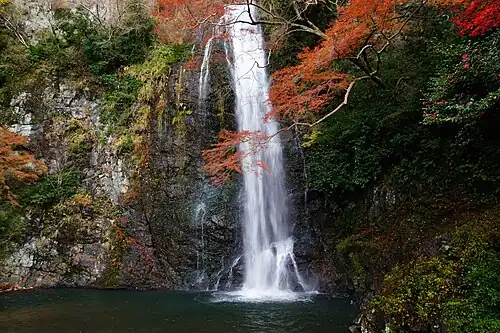
Minoo
Minoo (箕面, also romanised Minō or Mino-o) is a city in northern Osaka…
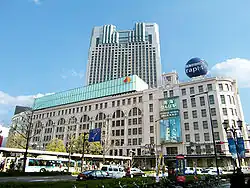
Namba
Namba (難波, also romanised Nanba) is the throbbing heart of southern O…
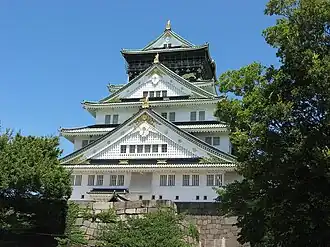
Osaka
Osaka (大阪, Ōsaka) is the beating heart of Japan's Kansai region and t…
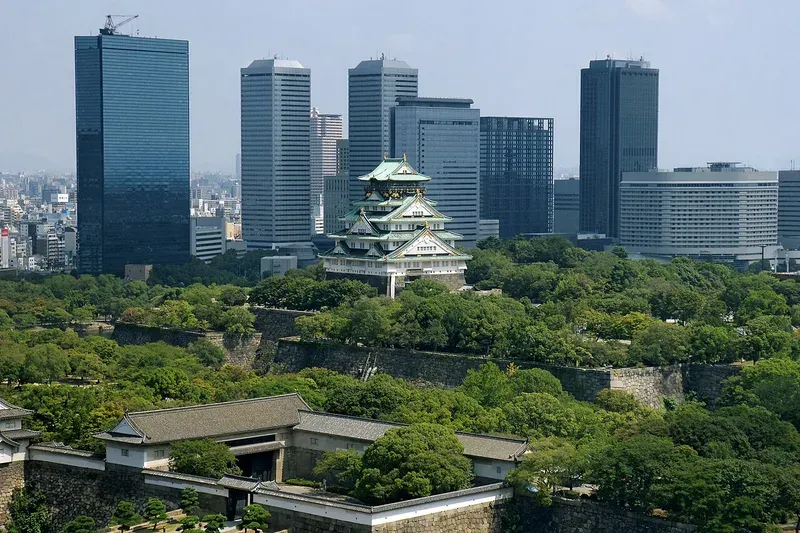
Osaka Castle
Osaka Castle (大阪城, Ōsaka-jō) is the most famous landmark in Osaka and…
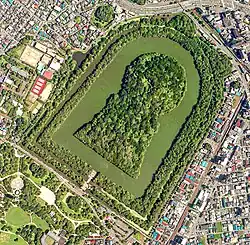
Sakai
Sakai (堺) is a large city immediately south of Osaka, forming part of…
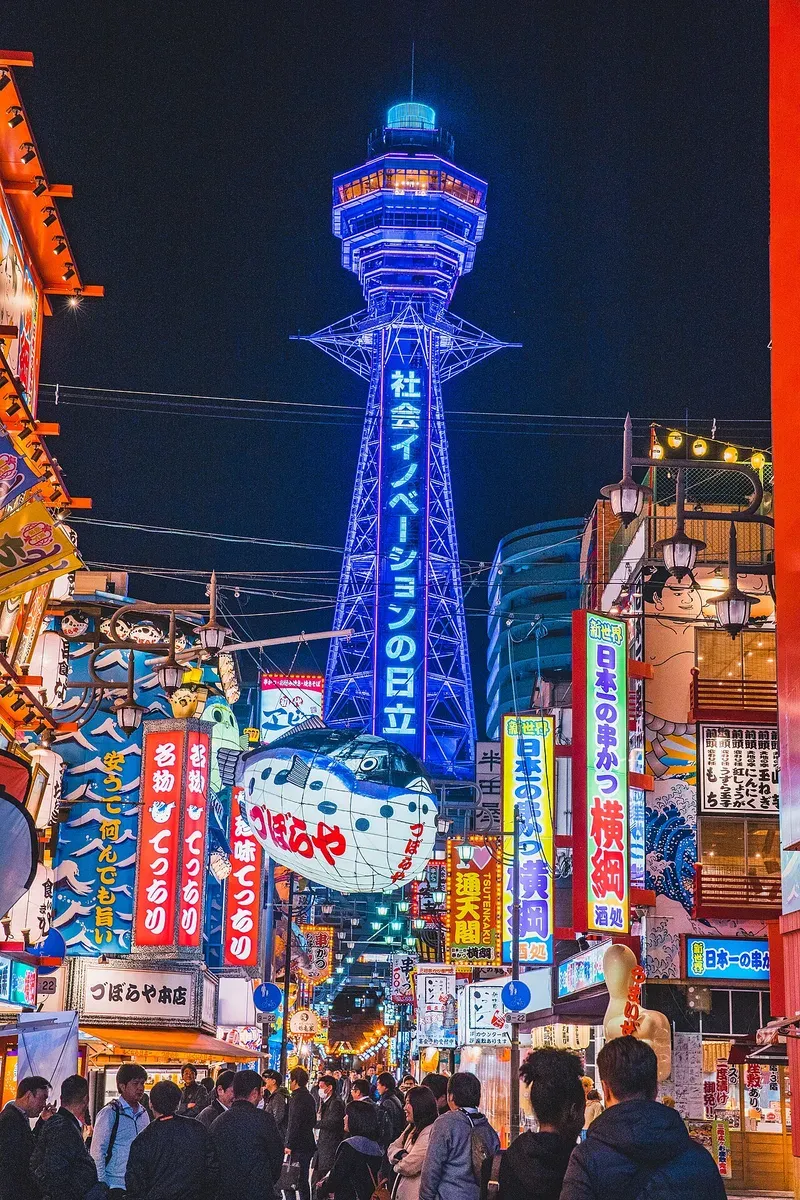
Shinsekai
Shinsekai (新世界, "New World") is a retro working-class entertainment q…
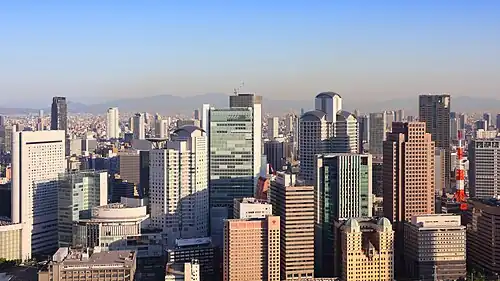
Umeda
Umeda (梅田) is the gleaming northern hub of Osaka, the core of the dis…
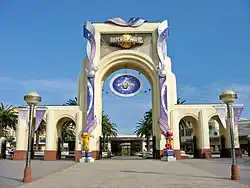
Universal Studios Japan
Universal Studios Japan (ユニバーサル・スタジオ・ジャパン, usually just USJ) is a maj…
Higashiosaka
Higashiosaka is a city in eastern Osaka Prefecture, the second-larges…
Hirakata
Hirakata is a city in northeastern Osaka Prefecture, located on the b…
Ibaraki
Ibaraki is a city in northeastern Osaka Prefecture, located on the le…
Izumisano
Izumisano is a city in southern Osaka Prefecture, best known as the l…
Kishiwada
Kishiwada is a city in southern Osaka Prefecture, on the coast of Osa…
Suita
Suita is a city in Osaka Prefecture, located north of Osaka City betw…
Takatsuki
Takatsuki is a city in northern Osaka Prefecture, located on the Yodo…
Toyonaka
Toyonaka is a city in Osaka Prefecture, located between Osaka City to…
Sample itinerary
See how a trip to Osaka comes together — a real Tripcuro plan, day by day.
 Sample Itinerary
Japan Anniversary Grand Tour
15 Nights · Japan · Anniversary couple
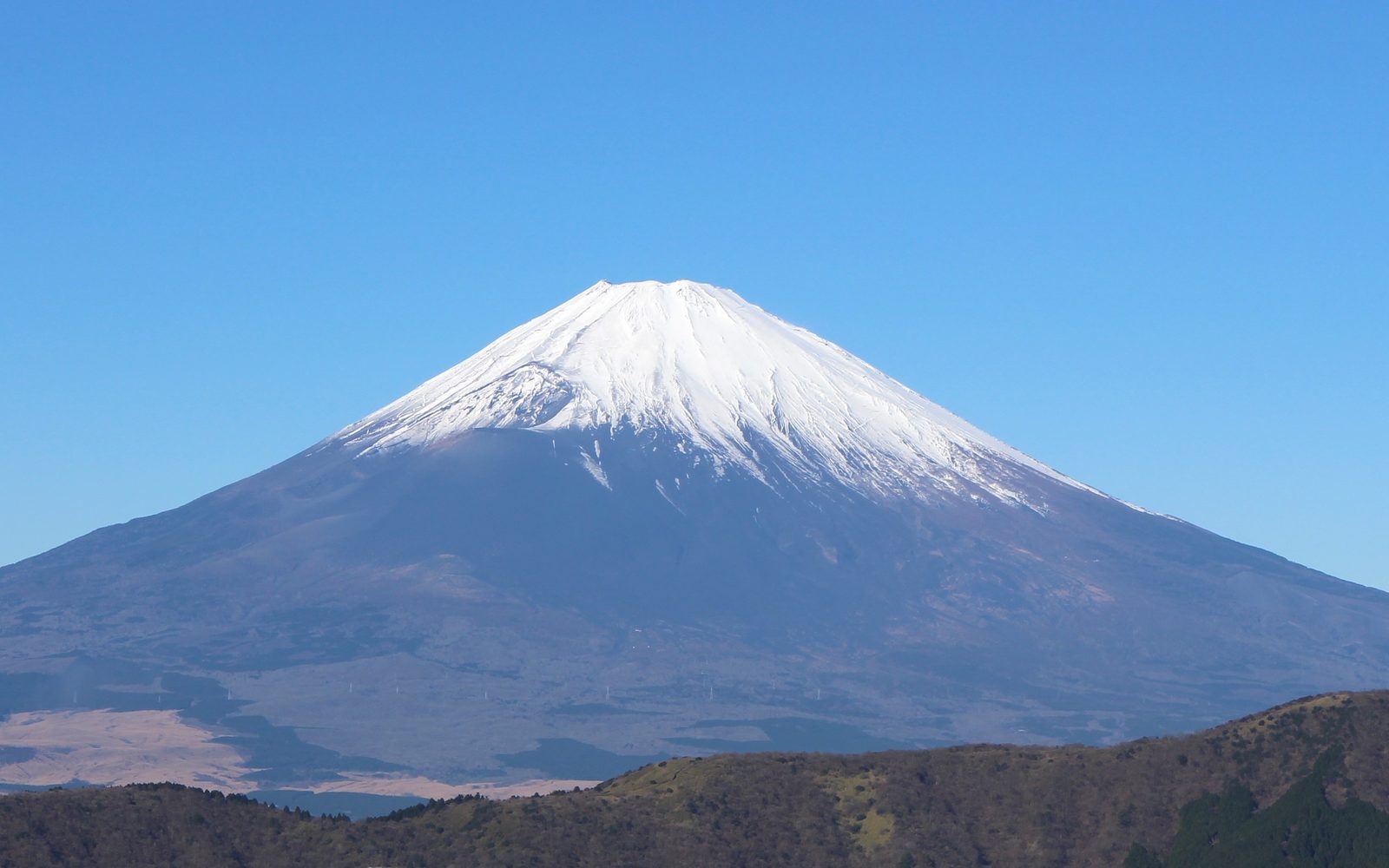
A 15-night grand loop of Japan for two: Osaka's neon streets, classic Kyoto temples, a private-onsen anniversary night in Hakone under Mt Fuji, Tokyo's teamLab and shopping, and Hokkaido's lavender fields.
Highlights: Golden Pavilion & Arashiyama bamboo grove · Fushimi Inari & Nara deer · Private open-air onsen ryokan in Hakone · Mt Fuji at Lake Kawaguchiko · teamLab Borderless & Planets in Tokyo · Furano lavender fields, Hokkaido
 Sample Itinerary
Japan Golden Route in Cherry Blossom Season
8 Nights · Japan · Group - 3 adults
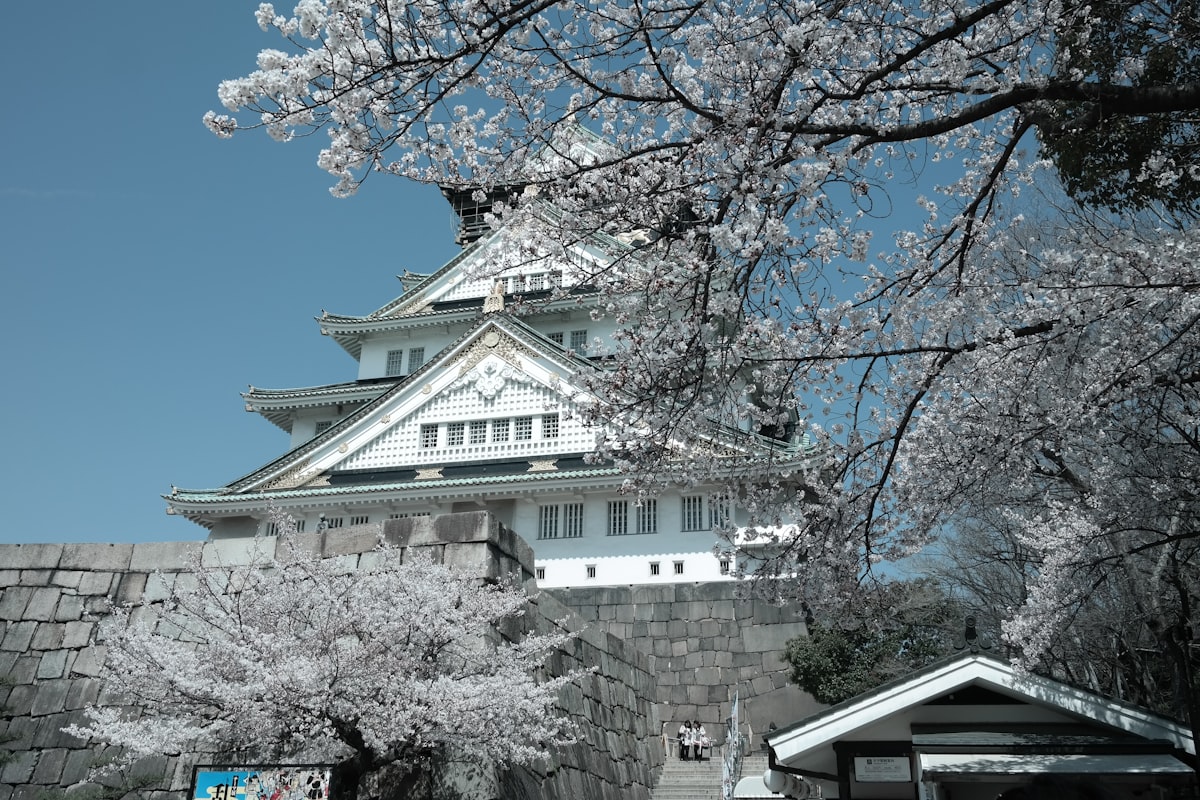
Ride the Golden Route in peak sakura season: Osaka Castle blossoms and Dotonbori street food, sacred Nara and Kyoto, a Hakone onsen night, then Tokyo and Mt Fuji — with transparent per-day costs.
Highlights: Osaka Castle sakura and Dotonbori takoyaki · Nara deer park and Todaiji Temple day trip · Kyoto's Philosopher's Path, Fushimi Inari and Arashiyama · Hakone onsen retreat with Lake Ashi cruise · Mt Fuji Five Lakes and Chureito Pagoda day trip · Transparent per-person daily budget throughout
Pair the highlights of Osaka into one easy trip — we'll plan the route.
WhatsApp
Contact Us
Get in touch with us.
Get in touch
Contact Us
Tell us where you'd like to go and how you like to travel. A real Tripcuro planner — not a bot — will craft an itinerary around you.
- Personalised, hassle-free planning end-to-end
- Transparent pricing, no hidden costs
- 24/7 support for complete peace of mind