
Noto Peninsula
Ishikawa, Japan
About Noto Peninsula
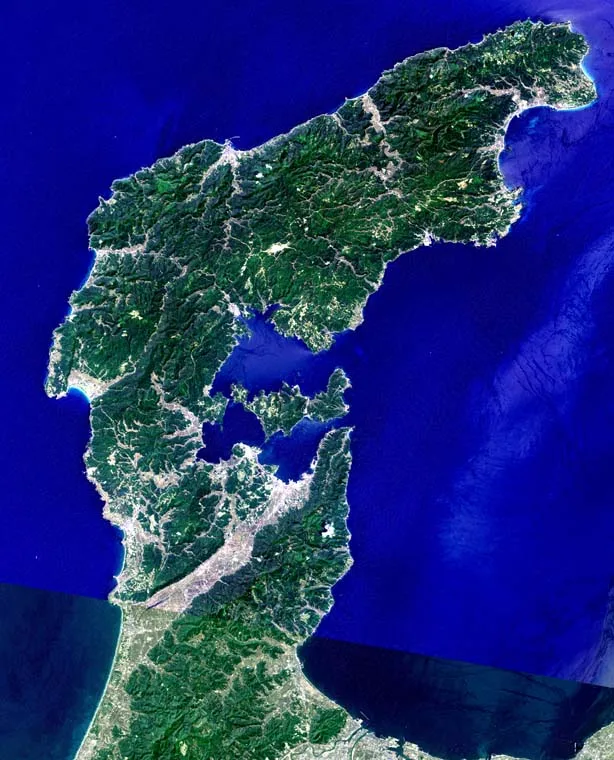
The Noto Peninsula (能登半島, Noto-hantō) is a long, hook-shaped arm of land jutting into the Sea of Japan from Ishikawa Prefecture. It is one of the most remote and traditional parts of mainland Japan — a landscape of scattered fishing villages, rugged coastline, terraced rice fields running down to the sea, lacquerware towns and ancient hot springs.
Noto's first and most famous chronicler was the 8th-century poet and bureaucrat Ōtomo no Yakamochi, who compiled much of the Man'yōshū, Japan's first poetry anthology. Appointed governor of Etchū Province (today's Toyama) in 745, his verses from that posting often lament the harshness of remote provincial life. To this day the western coast, battered relentlessly by the Sea of Japan, is wild and thinly populated, while the more sheltered east coast around Nanao Bay holds most of the people.
The peninsula has been hit by significant earthquakes — a strong one in March 2007 that damaged the northern area around Wajima, and a much stronger M7.6 quake on the first day of 2024 that caused severe damage across the north. The peninsula's settlements include Nanao (an ancient provincial seat), Wakura Onsen (a 1,200-year-old seaside hot spring), Wajima (lacquerware and its famous morning market), Anamizu (oysters), Suzu (the far tip), Hakui (whimsically billed as "the UFO capital of Japan"), Nakanoto, Noto town and Shika. Winters are cold and snowy; spring and autumn are the most pleasant times to visit. Travellers should check the current recovery status following the 2024 earthquake before planning a trip.
Planning Noto Peninsula? Tell us your dates and we’ll tailor the trip.
Ask on WhatsAppHow to reach
By Plane
Noto Airport (NTQ), located just south of Wajima, handles two ANA daily flights (about 50 minutes) to Tokyo Haneda. The airport — strikingly oversized for its traffic — is served by a shared-taxi system, with rides to/from anywhere on the peninsula costing roughly ¥700–1,800 by distance. The larger airports at Komatsu and Toyama are each roughly two hours away by car.
By Train
The JR Noto Line runs up from Tsubata (on the IR Ishikawa Railway) to Nanao, terminating one stop further north at Wakura Onsen. There are daily direct limited expresses from Kanazawa to Wakura Onsen, and roughly hourly local services from Kanazawa as far as Nanao (about 1 hr 30 min, ¥1,280). From Nanao or Wakura, you can transfer to the privately run Noto Railway to Anamizu; onward services to Wajima and Takojima have been terminated.
By Car / Road
There are infrequent bus services from Kanazawa's railway station to most larger towns in Noto. A car is by far the most practical way to explore the peninsula (see Get Around).
Noto is one of the few parts of Japan where having your own wheels makes a real difference. Trains no longer reach the north coast, bus schedules are sparse and fares are expensive. The easy alternative is a guided bus tour — from around ¥5,000 upward for a day trip from Kanazawa — but being herded around by a megaphone-wielding guide is not the best way to savour the peninsula's rural quiet. Renting a car is strongly recommended for independent travel. Japan is very safe, with no transport scams. Given the 2024 earthquake damage, confirm which roads and routes are open before relying on them.
Things to do
- Nanao — An ancient provincial capital and the peninsula's main hub, with a castle history and museums.
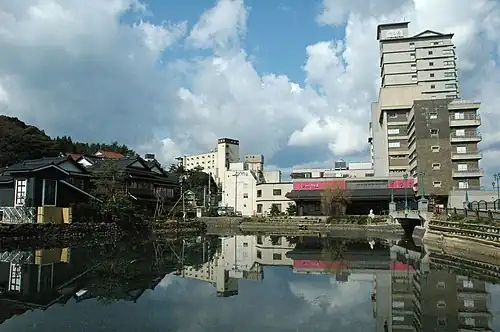
- Wakura Onsen — A 1,200-year-old seaside hot-spring town near Nanao, with foot baths and public bathhouses.
- Wajima — The lacquerware town on the north coast, historically home to a famous morning market (damaged in the 2024 earthquake).
- Suzu — The far tip of the peninsula, with dramatic coastline and rural scenery.
- Anamizu — A bay town known for cultivated oysters.
- Hakui — Light-heartedly promoted as "the UFO capital of Japan", with a quirky UFO-themed museum.
- Senmaida (rice terraces) — Famously photogenic coastal terraced rice paddies near Wajima.
The signature Noto experience is driving the coast — winding along rugged shorelines, stopping at fishing villages, rice terraces and viewpoints. Hot-spring hopping at Wakura Onsen is a relaxing highlight. The peninsula also offers coastal walks, oyster experiences around Anamizu, and engagement with lacquerware craft in Wajima.
Planning Noto Peninsula? Want these on a customised itinerary?
Ask on WhatsAppFood & Dining
Noto is famous for seafood, including its prized oysters (kaki), best around Anamizu, and for a special soy-like fermented fish sauce called ishiri (いしり) — made from squid in the Noto area and from sardines in Wajima. The peninsula's cooking is rustic and sea-focused, served at family-run restaurants and at the seafood-rich ryokan of Wakura Onsen.
Cafes & Nightlife
Local sake from Ishikawa breweries pairs well with the seafood, and small bars and cafés in the towns serve the usual drinks. Tap water on the peninsula is safe to drink, though after the earthquake travellers should confirm the current utility situation with local sources.
Planning Noto Peninsula? We’ll book the stays and dining for you.
Ask on WhatsAppPlaces to Stay
- Budget — Simpler inns and guesthouses are scattered through the peninsula's towns.
- Mid-range — Mid-priced hotels and hot-spring ryokan, concentrated around Wakura Onsen and Nanao.
- Upscale / heritage — Wakura Onsen has the peninsula's most celebrated upscale ryokan (renowned for their seafood and hospitality).
Confirm availability and earthquake-recovery status before booking accommodation anywhere on the Noto Peninsula.
What to buy
Noto's signature craft is Wajima-nuri lacquerware from Wajima — high-quality bowls, trays and tableware. Regional food products, including seafood goods and the local fermented fish sauce ishiri, make characteristic souvenirs. Bargaining is not customary in Japan.
Go next
- Kanazawa (south of the peninsula) — One of Japan's best-preserved Edo-era cities, with Kenroku-en Garden.
- Wakura Onsen — A 1,200-year-old seaside hot-spring town on the peninsula.
- Wajima — The lacquerware town on the north coast.
- Komatsu (south of Kanazawa) — Gateway airport city with Nata-dera temple.
- Toyama (east, via Kanazawa) — Prefectural capital and gateway to the Alpine Route.
Nearby in Ishikawa
More places to explore around Noto Peninsula.
Portions adapted from Wikivoyage, CC BY-SA 4.0.

Contact Us
Get in touch with us.
Get in touch
Contact Us
Tell us where you'd like to go and how you like to travel. A real Tripcuro planner — not a bot — will craft an itinerary around you.
- Personalised, hassle-free planning end-to-end
- Transparent pricing, no hidden costs
- 24/7 support for complete peace of mind