

Kasama
Ibaraki, Japan
Why visit Kasama?
Kasama (笠間) is a small city in central Ibaraki Prefecture, set among low hills about 100 km northeast of Tokyo and roughly 25 km west of the prefectural capital, Mito. It is best known for two things that draw visitors from across the Kanto region: Kasama-yaki, a centuries-old style of pottery, and the Kasama Inari Shrine, one of Japan's most important shrines dedicated to Inari, the deity of rice, harvest and prosperity. The combination of a living craft tradition and an active pilgrimage shrine gives the town an unhurried, culturally rich character quite distinct from the suburban sprawl elsewhere in the prefecture.
Pottery has been made in Kasama since the late 18th century, and the trade later seeded the famous kilns of nearby Mashiko across the prefectural border in Tochigi. Today dozens of working kilns, galleries and studios cluster on the hillsides, and the area markets itself under the umbrella of the Kasama Geijutsu no Mori (Forest of Arts), a hillside park combining a ceramics museum, craft hall and open studios. The town hosts large pottery markets that fill its streets with stalls and crowds.
Kasama has a temperate climate with warm, humid summers and cool, dry winters. The most rewarding times to visit are spring, when the chrysanthemum and azalea displays and pleasant weather coincide with one of the big pottery fairs, and autumn for foliage and craft events. The town is compact: the shrine and old shopping street lie near the centre, while the pottery district and Geijutsu no Mori park sit a short distance away, easily linked by bus or bicycle.
Planning Kasama? Tell us your dates and we’ll tailor the trip.
Ask on WhatsAppHow do you get there?
By Plane
The nearest major airport is Narita International Airport (NRT), about 80 km to the south. There is no direct service to Kasama; travellers normally transfer via Mito or Tokyo and continue by train. Haneda Airport (HND) is a similar distance and connects through Tokyo and the JR network.
By Train
Kasama Station sits on the JR Mito Line. From Tokyo, the usual route is the JR Joban Line limited express to Tomobe Station, then a transfer to the Mito Line for one stop to Kasama; total journey time is roughly 1 hour 30 minutes to 2 hours. The Mito Line also links Kasama directly with Mito and, in the other direction, with Oyama in Tochigi. The Inari Shrine is about a 20-minute walk or short bus ride from Kasama Station.
By Car / Road
By road from Tokyo, take the Joban Expressway to the Tomobe interchange or the Kita-Kanto Expressway to the Tomobe-Smart or Kasama-Nishi interchanges; the drive is around 1 hour 30 minutes. From Mito it is about 30–40 minutes on national routes. Free and paid parking is available near the shrine and the Geijutsu no Mori park, though shrine-area lots are crowded around New Year and festival weekends.
Central Kasama — the station, shrine and old shopping street — is walkable. To reach the pottery district and Geijutsu no Mori, a community bus loop links the main sights, and rental bicycles are available near Kasama Station, a pleasant way to tour the kilns along the hillside roads. Taxis can be hired at the station. There are no ride-hailing apps in regular local use. Fares on the community bus are low (typically a few hundred yen); the gentle terrain makes cycling the most enjoyable option in fair weather. The town is safe and tourist scams are not a concern.
What are the things to do?
Shrine
- Kasama Inari Shrine (笠間稲荷神社) — One of the three great Inari shrines of Japan and the town's spiritual heart, drawing large crowds at New Year. The precincts include atmospheric halls, an ancient wisteria, and a lively approach street lined with shops. Free; precincts generally open daylight hours.
Museums and craft sites
- Kasama Geijutsu no Mori (笠間芸術の森公園) — A large hillside park gathering ceramic culture under one roof, with woodland walking paths and event spaces; the focal point for the town's craft scene.
- Ibaraki Ceramic Art Museum (茨城県陶芸美術館) — Within the Geijutsu no Mori, this museum showcases Kasama-yaki and modern Japanese ceramics. Admission charged; closed some Mondays.
- Kasama Nichido Museum of Art (笠間日動美術館) — A respected private art museum with collections of Japanese and Western painting and sculpture, set on the hillside near the shrine.
Castle and outdoors
Kasama Castle ruins (笠間城跡) — The remains of a hilltop castle behind the town, now a forested walking area with stone walls and viewpoints.
Sashiroyama (佐白山) — The hill above the castle ruins, good for a short hike and azalea blossoms in spring.
Try pottery yourself — Many kilns and the craft facilities at Geijutsu no Mori offer hands-on classes in wheel-throwing or hand-building Kasama-yaki, suitable for beginners.
Tour the kiln district — Spend a half-day visiting galleries and working studios; cycling between them is part of the pleasure.
Pottery markets — The spring Himatsuri pottery fair during Golden Week (late April–early May) and an autumn ceramics market fill the town with hundreds of stalls.
Chrysanthemum Festival — In autumn, Kasama Inari Shrine hosts a long-running chrysanthemum festival with elaborate floral displays.
Day trips — Combine Kasama with the gardens of Mito or the kilns of Mashiko across the prefectural border.
Planning Kasama? Want these on a customised itinerary?
Ask on WhatsAppWhere to eat?
Kasama's food leans toward the local and seasonal: soba noodles, inari-zushi (the fox deity's favourite, sweet fried tofu pouches stuffed with rice), grilled river fish and chestnut dishes in autumn. Restaurants concentrate on the shrine approach and near the station.
- Inari-zushi and snack stalls on the shrine approach (budget) — Casual shops along the approach street sell freshly made inari-zushi and grilled dango, generally a few hundred yen per item.
- Soba restaurants near the shrine (budget–mid-range) — Several handmade-soba shops serve cold and hot noodle sets, often with tempura, typically ¥800–1,500.
- Café-restaurants at Geijutsu no Mori (mid-range) — The arts park area has cafés serving light lunches and Ibaraki produce in a relaxed setting.
- Kaiseki and set-meal restaurants (mid-range–upscale) — A few established restaurants offer multi-course meals featuring seasonal local ingredients.
Vegetarians will find soba and inari-zushi widely available, though dashi stock should be checked. Halal and gluten-free options are very limited.
Where to drink?
Ibaraki has a strong sake tradition, and local breweries supply the town's restaurants and souvenir shops — picking up a bottle of regional sake is a worthwhile souvenir. Teahouses and cafés near the shrine serve green tea and matcha sweets, and amazake (sweet fermented rice drink, often non-alcoholic) is sold around the shrine at New Year. Soft drinks are everywhere via vending machines. Tap water is safe to drink throughout Kasama.
Planning Kasama? We’ll book the stays and dining for you.
Ask on WhatsAppWhere to stay?
Kasama is largely a day-trip destination, but there are inns in town and more options in nearby Mito.
- Budget: Simple business hotels and guesthouses near Kasama and Tomobe stations offer rooms from roughly ¥5,000–8,000 per night; Mito has a wider budget selection.
- Mid-range: Mid-tier hotels and small ryokan in the Kasama area provide comfortable rooms, often ¥9,000–15,000 per night, some with on-site dining.
- Upscale / heritage: Traditional ryokan with hot-spring baths and kaiseki dinners can be found in the wider Ibaraki region; rates with two meals rise above ¥20,000 per person.
What should you buy?
Pottery is the obvious purchase. Kasama-yaki ranges from rustic everyday tableware to refined artist pieces, sold at kiln shops, galleries and the cooperative outlets around Geijutsu no Mori. The shrine approach street has souvenir stalls selling local sweets, preserved vegetables and rice goods, as well as fox-themed Inari charms and snacks. Look for inari-zushi and chestnut sweets, as Ibaraki is a major chestnut producer. Prices are fixed in shops and at the markets; bargaining is not part of Japanese retail culture, though festival stalls sometimes offer end-of-day discounts.
Where to go next?
- Mito (~30–40 min by train) — Ibaraki's capital and home to Kairakuen, one of Japan's three great gardens.
- Mashiko (~1 hr by road) — Tochigi's famous pottery town, the craft sibling of Kasama.
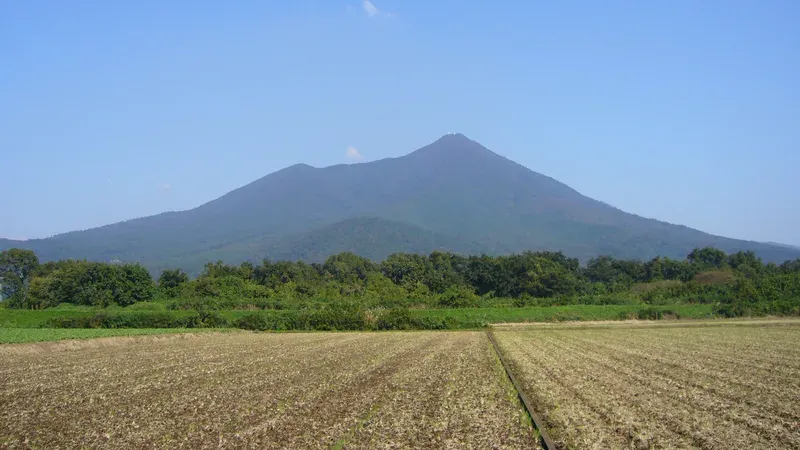
- Tsukuba / Mount Tsukuba (~1.5 hr) — Twin-peaked mountain and Science City museums.
- Hitachi Seaside Park (~1.5 hr) — Vast coastal flower park, spectacular for nemophila in spring and kochia in autumn.
- Oarai (~1.5 hr) — Coastal town with a clifftop shrine, an aquarium and fresh seafood.
Nearby in Ibaraki
More places to explore around Kasama.
Guide content as of May 2026. Portions adapted from Wikivoyage, CC BY-SA 4.0.

Contact Us
Get in touch with us.
Get in touch
Contact Us
Tell us where you'd like to go and how you like to travel. A real Tripcuro planner — not a bot — will craft an itinerary around you.
- Personalised, hassle-free planning end-to-end
- Transparent pricing, no hidden costs
- 24/7 support for complete peace of mind