
Kairakuen
Ibaraki, Japan
Why visit Kairakuen?
Kairakuen (偕楽園) is one of Japan's "Three Great Gardens" — ranked alongside Kenrokuen in Kanazawa and Kōrakuen in Okayama — and the centrepiece of the city of Mito, capital of Ibaraki Prefecture in the Kantō region. The name means "garden to enjoy together," and that idea is part of its history: it was created in 1842 by Tokugawa Nariaki, the lord of the Mito domain, and, unusually for a feudal lord's garden, was opened to the townspeople rather than reserved for the elite.
The garden's defining feature is its plum trees — around 3,000 of them, of roughly a hundred varieties — which burst into bloom from late February into March, scenting the air and drawing visitors from across the country to the Mito Plum Festival. But Kairakuen is a four-season garden: beyond the plums it contains stands of tall cedar and a cool bamboo grove, expanses of flame-red azalea and snow-white bush clover, and camellia, magnolia and cherry, all set on a hillside overlooking Lake Semba and Semba Park. Within the grounds stands Kobuntei, a graceful three-storey wooden retreat built for the lord.
Kairakuen sits on the edge of Mito, separate from the modern station district, and is treated by most visitors as a half-day outing — longer in plum season, when the garden is at its busiest and most beautiful. February and March are the headline months; April adds cherry blossom and the lake view at its finest, while autumn brings quieter foliage.
Planning Kairakuen? Tell us your dates and we’ll tailor the trip.
Ask on WhatsAppHow do you get there?
By Plane
Ibaraki Airport (IBR), roughly 80 km from Tokyo, has connections to several Asian cities and within Japan; buses run from the airport to Mito Station in about an hour. From Narita Airport, the Rose Liner limousine bus reaches Mito Station in about two hours. Travellers arriving via Tokyo's airports transfer to the JR Jōban Line.
By Train
Kairakuen is reached via Mito on the JR Jōban Line from Ueno Station in Tokyo (limited express 65–75 minutes, around ¥4,220; local about 2 hours, around ¥2,210). During plum-blossom season, the seasonal Kairakuen Station on the Jōban Line opens right beside the garden; outside that season, alight at Mito Station and continue by bus.
By Car / Road
Mito, and Kairakuen, can be reached by highway bus from Tokyo Station in about two hours (around ¥2,080 one way). By car, Mito is on the expressway network from Tokyo; there is parking near the garden, for which charges apply.
Kairakuen itself is explored on foot — its paths wind through the plum orchard, cedar stands and bamboo grove and out to lakeside overlooks; allow at least an hour or two to walk it. From Mito Station it is an easy roughly half-hour walk to the garden along the Sakura River and the lakeshore, lovely under cherry blossom in April; buses also run from the station's north side (terminal 6). Note that Mito's buses use the local "Ibappi" card rather than Suica or Pasmo. Taxis are available at Mito Station with a flag-fall around ¥660.
What are the things to do?
- The plum orchard — The garden's glory: around 3,000 plum trees of about a hundred varieties, blooming from late February into March. The headline sight of Kairakuen.
- Kobuntei (好文亭) — A well-preserved three-storey wooden retreat built for the Mito lord within the garden, with fine natural woodwork, thatched roofs, hand-painted paper doors and beautiful views from its upper floors over the garden and lake; admission around ¥200.
- Bamboo grove and cedar stands — Cool, atmospheric paths through tall bamboo and cedar, a contrast to the open plum orchard.
- Lake Semba overlooks — Hillside viewpoints over Lake Semba and Semba Park, especially striking when the cherry blossoms bloom in April.
- Tokiwa Shrine (常磐神社) — At the garden's south gate, a large shrine dedicated to Mito lords Tokugawa Mitsukuni and Tokugawa Nariaki, with the small Giretsukan museum of samurai relics nearby.
The defining activity is simply strolling the garden and taking in whatever the season offers — plum blossom and the festival in late winter, cherry blossom and lake views in spring, azalea and bush clover in early summer, foliage in autumn. The Mito Plum Festival, running through February and March, fills the garden with events and is the busiest, most rewarding time to come. Visiting Kobuntei for its woodwork and panoramas, walking through to Tokiwa Shrine, and continuing the riverside-and-lakeshore walk back toward central Mito round out a relaxed half-day.
Planning Kairakuen? Want these on a customised itinerary?
Ask on WhatsAppWhere to eat?
Refreshment stands within and around Kairakuen serve tea, sweets and light meals, especially in plum season; for a fuller meal, central Mito is close by.
- Garden teahouses and stalls offer green tea, amazake, dango and seasonal plum sweets in the budget range.
- In central Mito, Sansui (山翠) serves local specialities such as ankō (monkfish) hotpot and nattō dishes, and the Indian restaurant Gandhi (ガンジー) is a vegetarian-friendly option.
- Mito's signature dish is nattō, and the local cake yoshiwara-denchū makes a good accompaniment to tea.
Where to drink?
Green tea and amazake are the traditional refreshments at the garden's teahouses, and plum wine is widely sold in season. In central Mito, izakaya and bars — including the English-style pub Drunken Duck near Mito Station — cover evening drinks, and Ibaraki sake is readily available. Tap water in Japan is safe to drink.
Planning Kairakuen? We’ll book the stays and dining for you.
Ask on WhatsAppWhere to stay?
There is no lodging within Kairakuen; visitors stay in central Mito a short distance away.
- Budget: Business hotels around Mito Station provide reliable low-cost rooms.
- Mid-range: The Mito Prince Hotel (水戸プリンスホテル), a three-minute walk from Mito Station, and other station-area business hotels offer comfortable mid-tier stays.
- Upscale / heritage: Larger full-service hotels near Mito Station provide a more upmarket option.
What should you buy?
Stalls and shops around the garden, especially during the plum festival, sell plum-themed goods — umeboshi (preserved plum), plum sweets, plum wine and seasonal souvenirs — alongside Mito specialities such as nattō products and nattō-flavoured crackers. Central Mito and the AEON Mall at Uchihara offer fuller shopping. Prices are fixed; bargaining is not customary in Japan.
Where to go next?
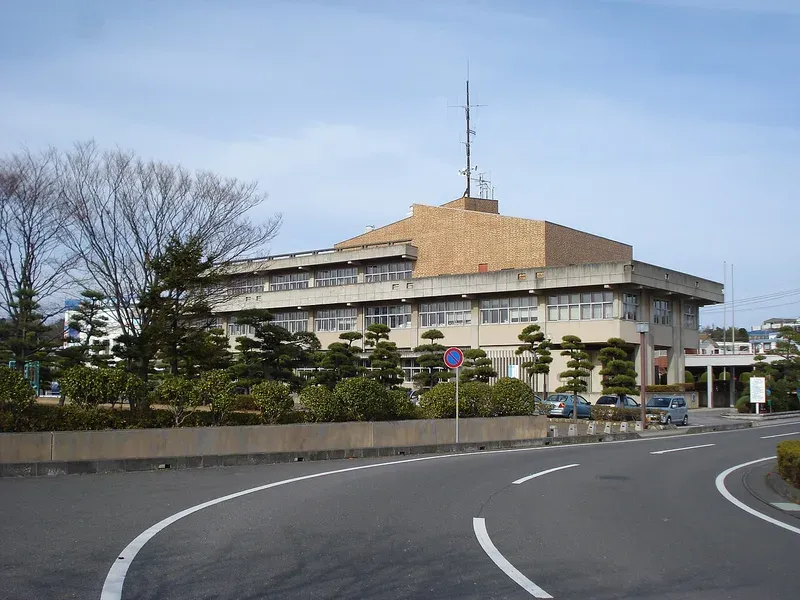
- Mito — The surrounding capital city, with the Kōdōkan samurai school and Art Tower Mito.
- Hitachi Seaside Park — A vast flower park to the north-east, famous for blue nemophila.
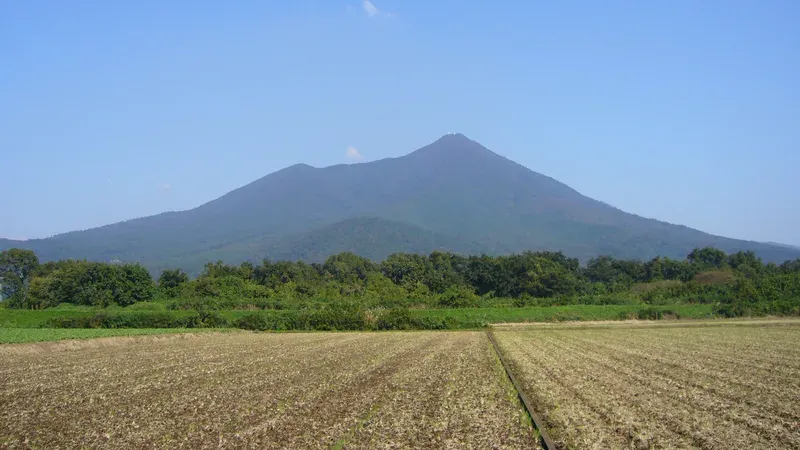
- Tsukuba — A science city to the south-west, with the JAXA Space Center and Mount Tsukuba.
- Ōarai — A coastal town near Mito with beaches, an aquarium and ferries to Hokkaidō.
- Kasama — A nearby town known for pottery and the Kasama Inari Shrine.
- Tsuchiura — A lakeside city on Lake Kasumigaura, on the way to Tokyo.
Nearby in Ibaraki
More places to explore around Kairakuen.


Guide content as of May 2026. Portions adapted from Wikivoyage, CC BY-SA 4.0.

Contact Us
Get in touch with us.
Get in touch
Contact Us
Tell us where you'd like to go and how you like to travel. A real Tripcuro planner — not a bot — will craft an itinerary around you.
- Personalised, hassle-free planning end-to-end
- Transparent pricing, no hidden costs
- 24/7 support for complete peace of mind