
Aichi
Japan · Prefecture · 16 destinations with guides
Photography coming soonWhy visit?
Aichi Prefecture sits in the Chubu region of central Honshu, anchored by Nagoya, Japan's fourth-largest city with 2.3 million residents (7.5 million prefecture-wide). Bordering Mie, Gifu, Nagano, and Shizuoka prefectures, the region extends from the Nobi Plain down to Mikawa Bay and Ise Bay along the Pacific shore. Historically, Aichi produced the three warlords who unified Japan during the Sengoku period: Oda Nobunaga, Toyotomi Hideyoshi, and Tokugawa Ieyasu. Today, it operates as Japan's heavy industrial power center, hosting the global headquarters of Toyota Motor Corporation alongside major aerospace and manufacturing complexes.
Travelers come to Aichi for original castle architecture, industrial engineering museums, Studio Ghibli attractions, and regional ceramics centers. Highlights include Inuyama Castle—one of Japan's five national treasure castles with an intact 16th-century wooden keep—and the ceramics centers of Seto and Tokoname. The prefecture also produces Nagoya-meshi, a regional culinary style characterized by dark, fermented soybean red miso (aka-miso), charcoal-grilled eel, and peppery chicken wings.
Aichi experiences a temperate climate with four distinct seasons. Summers (July to August) are hot and humid, with daytime temperatures regularly reaching 32°C to 35°C (90°F to 95°F) and high rainfall during the June–July rainy season. Autumn (September to November) brings dry weather with daily temperatures of 14°C to 23°C (57°F to 73°F). Winters (December to February) are cold and dry, with daily highs around 8°C to 12°C (46°F to 54°F) and nighttime lows dropping near 0°C (32°F).
When is the best time to visit?
- March to May: Spring brings daily temperatures of 15°C to 22°C (59°F to 72°F). Cherry blossoms peak between late March and early April at Okazaki Park, Nagoya Castle, and the Yamazaki River.
- June to August: Summer brings high humidity and daily highs above 33°C (91°F). June and July experience frequent heavy rain. Summer festival highlights include the UNESCO-listed Owari Tsushima Tenno Festival in late July and the Nagoya Port Fireworks.
- September to November: Autumn features dry, clear weather with daily temperatures between 14°C and 23°C (57°F to 73°F). Mid-to-late November brings vibrant red maple foliage across Korankei Gorge in Asuke, accompanied by nightly illuminations.
- December to February: Winter is cold but dry, with daily highs of 8°C to 12°C (46°F to 54°F) and rare snowfall in the lowlands. Sightseeing crowds are small, making this a practical time for indoor museums and castle visits.
Tell us your dates and we'll shape a Aichi route around them.
WhatsAppHow do you get there?
By Bus
Long-distance express highway buses operated by Willer Express, JR Highway Bus, and Meitetsu Bus connect Nagoya Station (Meitetsu Bus Center and Nagoya Station Shinkansen Exit) with major Japanese cities.
- From Tokyo (Busta Shinjuku / Tokyo Station): Daytime and overnight buses depart every 30 to 60 minutes. Journey time: 5 to 6 hours. One-way fare: ¥2,500–¥7,500 (~$16.00–$48.00 USD) depending on departure time and seat tier.
- From Kyoto (Kyoto Station): Buses depart every 1 to 2 hours. Journey time: 2 hours 30 minutes. One-way fare: ¥2,000–¥3,500 (~$12.80–$22.40 USD).
- From Osaka (Osaka/Umeda Station): Buses depart hourly. Journey time: 3 hours. One-way fare: ¥2,200–¥4,000 (~$14.10–$25.60 USD).
By Train
JR Central (Central Japan Railway Company) operates high-speed Tokaido Shinkansen services stopping at Nagoya Station and Toyohashi Station.
- From Tokyo Station: Nozomi bullet trains run every 5 to 10 minutes (journey time: 1 hour 35 minutes; one-way fare: ¥11,300 / ~$72.30 USD for Ordinary Reserved seat, ¥16,100 / ~$103.00 USD for Green Car). Hikari trains depart twice per hour (journey time: 1 hour 50 minutes; Ordinary Non-Reserved seat: ¥10,560 / ~$67.60 USD).
- From Shin-Osaka Station: Nozomi trains run every 5 to 10 minutes (journey time: 35 minutes; Ordinary Reserved seat: ¥6,680 / ~$42.80 USD).
- Conventional JR Rail: The JR Tokaido Main Line links Nagoya to Kyoto (2 hours 15 minutes, ¥2,640 / ~$16.90 USD) and Toyohashi (50 minutes, ¥1,340 / ~$8.60 USD). The JR Chuo Main Line connects Nagoya to Nakatsugawa and Nagano.
By Car
Aichi connects to central Japan via major national expressway trunks:
- From Tokyo (310 km / 193 miles): Drive west on the Tomei Expressway (E1) or Shin-Tomei Expressway (E1A) to Nagoya Interchange. Drive time: 3.5 to 4.5 hours. Expressway toll:
¥7,500 ($48.00 USD). - From Kyoto (130 km / 81 miles): Drive east on the Meishin Expressway (E1) to Nagoya. Drive time: 1.5 to 2 hours. Expressway toll:
¥3,800 ($24.30 USD). - From Osaka (170 km / 106 miles): Drive east on the Shin-Meishin Expressway (E1A) or Meishin Expressway (E1). Drive time: 2 to 2.5 hours. Expressway toll:
¥4,800 ($30.70 USD).
By Air
Chubu Centrair International Airport (NGO) is located on an artificial island off Tokoname, 35 km (22 miles) south of central Nagoya.
- Airlines & Routes: Served by domestic carriers Japan Airlines (JAL), All Nippon Airways (ANA), and Skymark Airlines, alongside international carriers including Singapore Airlines, Cathay Pacific, Korean Air, and China Airlines.
- Flight Times: Direct flights from Tokyo Haneda (HND) take 1 hour; Sapporo New Chitose (CTS) takes 1 hour 45 minutes; Fukuoka (FUK) takes 1 hour 25 minutes.
- Airport Transfer: The Meitetsu Airport Line links Centrair directly to Meitetsu Nagoya Station. The µ-SKY Limited Express train runs every 30 minutes, taking 28 minutes (one-way fare: ¥1,430 / ~$9.20 USD including reserved seat voucher). Meitetsu Limousine buses run to major Nagoya hotels (55 minutes, ¥1,500 / ~$9.60 USD).
How do you get around?
- Nagoya Municipal Subway: Six lines (Higashiyama, Meijo loop, Tsurumai, Sakura-dori, Meiko, Kami-iida) cover central Nagoya. Single fares cost ¥210–¥340 (
$1.35–$2.18 USD). A 24-hour Subway Pass costs ¥760 ($4.85 USD); a 1-day Bus and Subway Pass costs ¥870 (~$5.55 USD). - Meitetsu Railway (Nagoya Railroad): Extensive suburban rail line connecting Nagoya to Inuyama (25 minutes, ¥630 / ~$4.00 USD), Tokoname (30 minutes, ¥740 / ~$4.70 USD), and Toyota City (45 minutes, ¥800 / ~$5.10 USD).
- Linimo (Aichi High-Speed Transit): Japan's commercial maglev line, connecting Fujigaoka Subway Station to Expo 2005 Memorial Park and Ghibli Park in Nagakute (17 minutes, ¥360 / ~$2.30 USD).
- Taxis & Rideshares: Taxis are available at major train stations and hotel stands. Nagoya flag fall fare starts at ¥500–¥600 (~$3.20–$3.80 USD) for the first 1.2 km. Hailing apps include GO and S.RIDE. Uber functions to dispatch local licensed taxis.
- IC Cards: Local Manaca cards, along with Suica, Pasmo, and Icoca, are accepted across all subways, trains, and buses in the prefecture.
- Transit Apps: Route navigation and timetable searches rely on Japan Travel by NAVITIME, Google Maps, or Jorudan.
Want the scenic legs and stays booked for you? Just ask.
WhatsAppWhat is there to see?
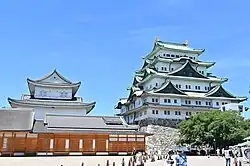
- Nagoya Castle (1-1 Honmaru, Naka Ward, Nagoya): Historic castle original built in 1612 by Tokugawa Ieyasu. Features the rebuilt Honmaru Goten Palace with restored golden screen paintings and gilded shachihoko tiger-headed carp roof ornaments. Entry: ¥500 (~$3.20 USD) adults, free for junior high students and younger.
- Ghibli Park (Expo 2005 Memorial Park, Nagakute): Theme park dedicated to Studio Ghibli animated films, divided into areas including Ghibli's Grand Warehouse, Hill of Youth, and Valley of Witches. Entry: Advance reservation required; O-Sanpo Day Pass costs ¥3,300–¥3,800 (
$21.10–$24.30 USD) for adults, Premium Pass costs ¥7,300–¥7,800 ($46.70–$49.90 USD). - Inuyama Castle (65-2 Inuyama Kitakogen, Inuyama): Constructed in 1537 along the Kiso River, this is one of Japan's five national treasure castles with an original wooden keep. Entry: ¥550 (
$3.50 USD) adults, ¥110 ($0.70 USD) elementary and junior high students. - Atsuta Shrine (1-1-1 Jingu, Atsuta Ward, Nagoya): Revered Shinto shrine set within a 200,000-square-meter forest, housing the Kusanagi no Tsurugi sword (one of Japan's Three Sacred Treasures). Entry: Free to shrine grounds; Treasure Hall entry costs ¥500 (~$3.20 USD).
- Toyota Commemorative Museum of Industry and Technology (4-1-35 Noritakeshinmachi, Nishi Ward, Nagoya): Housed in a preserved 1911 red-brick textile mill, displaying working automatic textile looms and automobile manufacturing assembly lines. Entry: ¥1,000 (
$6.40 USD) adults, ¥600 ($3.80 USD) seniors, ¥500 ($3.20 USD) university students, ¥200–¥300 ($1.30–$1.90 USD) school children. - SCMaglev and Railway Park (3-22 Kinjofuto, Minato Ward, Nagoya): JR Central railway museum featuring 39 historic rolling stock vehicles, including Shinkansen bullet trains, steam engines, and the world-record 581 km/h maglev test car. Entry: ¥1,200 (
$7.70 USD) adults, ¥500 ($3.20 USD) students, ¥200 (~$1.30 USD) young children. - Tokugawa Art Museum & Tokugawaen Garden (1017 Tokugawa-cho, Higashi Ward, Nagoya): Displays heirloom samurai armor, swords, tea ceremony objects, and National Treasure Illustrated Scrolls of The Tale of Genji from the Owari Tokugawa clan. Entry: Museum ¥1,400 (
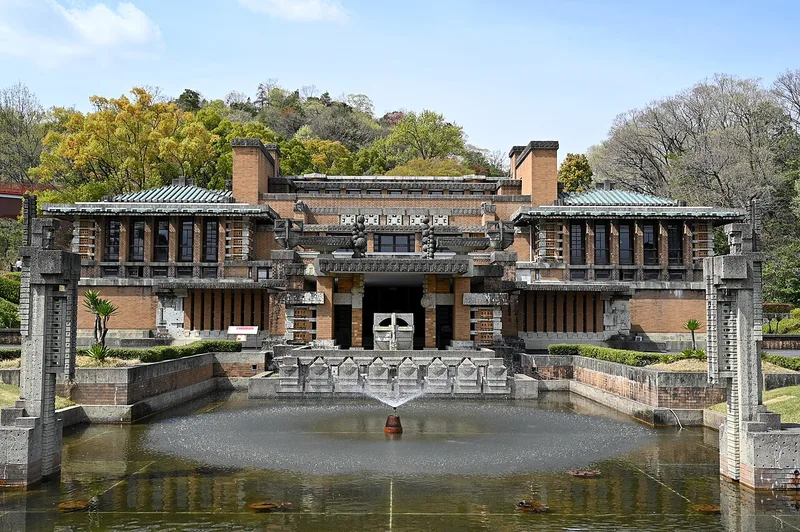
$9.00 USD), combined museum and garden ticket ¥1,550 ($9.90 USD). - Museum Meiji-Mura (1 Uchiyama, Inuyama): Open-air architectural museum preserving over 60 Western-influenced buildings from Japan's Meiji era (1868–1912), including the reconstructed main entrance of Frank Lloyd Wright's Imperial Hotel. Entry: ¥2,500 (~$16.00 USD) adults.
What are the things to do?
- View Autumn Foliage at Korankei Gorge (Asuke, Toyota City): Walk along the Tomoe River surrounded by roughly 4,000 Japanese maple trees. During November, the gorge is illuminated nightly until 21:00. Access is free.
- Walk the Tokoname Pottery Footpath (Tokoname): Follow a self-guided 1.5 km walking route through hillside lanes featuring preserved brick climbing kilns, ceramic pipe walls, and active pottery studios. Free entry; Takita Family Residence entry costs ¥200 (~$1.30 USD).
- Watch Kiso River Cormorant Fishing / Ukai (Inuyama): Board a wooden boat at night along the Kiso River (June through mid-October) to observe master fishermen managing trained cormorants under flaming iron baskets. Ticket: ¥3,000–¥3,500 (~$19.20–$22.40 USD) per person.
- Tour the Toyota Kaikan Museum (Toyota City): Explore Toyota Motor Corporation's corporate showroom displaying hybrid engines, vehicle safety systems, and automated production robots. Showroom entry is free; factory assembly plant tours require advance online reservation.
- Try Shibori Tie-Dyeing in Arimatsu (Nagoya): Visit the historic Tokaido post town district of Arimatsu to see preserved 17th-century merchant houses and craft custom indigo-dyed cloth at the Arimatsu Shibori Kaikan. Workshop fee: ¥1,500–¥3,000 (~$9.60–$19.20 USD).
Travelling during a festival? We'll plan around the crowds.
WhatsAppWhat should you eat?
- Yabaton (3-6-18 Osu, Naka Ward, Nagoya): Signature restaurant for Nagoya-style Misokatsu (crispy breaded pork cutlet topped with thick, sweet-savory red soybean miso sauce). Price tier: Mid-range ($$). Mains: ¥1,400–¥2,400 (~$9.00–$15.40 USD).
- Atsuta Horaiken (507 Jingu, Atsuta Ward, Nagoya): Historic restaurant operating since 1873, credited as the creator of Hitsumabushi (charcoal-grilled freshwater eel over rice served in a wooden tub, eaten plain, with condiments, and with dashi broth). Price tier: Upscale ($$$). Hitsumabushi set: ¥4,600–¥6,000 (~$29.50–$38.40 USD).
- Sekai no Yamachan (4-9-6 Sakae, Naka Ward, Nagoya): Popular izakaya chain specializing in Tebasaki (peppery, sweet-glazed fried chicken wings). Price tier: Budget to Mid-range ($–$$). Plate of 5 wings: ¥600 (
$3.80 USD); average meal per person: ¥2,000–¥3,500 ($12.80–$22.40 USD). - Miya Kishimen (Inside Atsuta Shrine Grounds, Atsuta Ward, Nagoya): Outdoor noodle stall serving Kishimen (flat, broad wheat noodles in a soy-dashi broth topped with dried bonito flakes, spinach, and sweet tofu). Price tier: Budget ($). Mains: ¥750–¥1,200 (~$4.80–$7.70 USD).
- Spaghetti House Yokoi (3-14-25 Sakae, Naka Ward, Nagoya): Originator of Ankake Spaghetti (thick spaghetti noodles pan-fried and topped with a peppery, gravy-like tomato sauce with sausages and vegetables). Price tier: Budget ($). Mains: ¥900–¥1,500 (~$5.80–$9.60 USD).
Where to stay?
- Budget: Business hotels and capsule stays in central Nagoya (e.g., Nine Hours Nagoya Station or Sanco Inn Nagoya Fushimi). Compact air-conditioned rooms or pods with Wi-Fi and shared or private bathrooms. Nightly rates: ¥4,500–¥9,500 (~$28.80–$60.90 USD).
- Mid-range: Standard business and city hotels near major transit hubs (e.g., Daiwa Roynet Hotel Nagoya Taikodoriguchi or Meitetsu Grand Hotel). En-suite rooms with desk space, Wi-Fi, and optional breakfast buffets. Nightly rates: ¥11,000–¥22,000 (~$70.50–$141.00 USD).
- Upscale: High-end luxury hotels and hot spring resorts (e.g., The Tower Hotel Nagoya inside MIRAI TOWER, Nagoya Marriott Associa Hotel directly above Nagoya Station, or Hotel Indigo Inuyama Urakuen Garden). City views, fine dining, spa facilities, or private hot spring baths. Nightly rates: ¥32,000–¥75,000 (~$205.00–$480.00 USD).
Tell us your dates and we'll shape a Aichi route around them.
WhatsAppWhere to go next?
- Gifu City (Gifu Prefecture): Located 30 km (19 miles) northwest of Nagoya. Accessible via JR Tokaido Line in 20 minutes (¥470 / ~$3.00 USD). Features Gifu Castle atop Mount Kinka, cable car access, and seasonal cormorant fishing along the Nagara River.
- Takayama (Gifu Prefecture): Located 160 km (100 miles) north in the Hida region. Accessible via JR Takayama Main Line Limited Express Hida from Nagoya in 2 hours 20 minutes (¥6,000 / ~$38.40 USD). Known for preserved Edo-period wooden streets, morning markets, Hida beef, and day trips to Shirakawa-go.
- Ise (Mie Prefecture): Located 100 km (62 miles) southwest across Ise Bay. Accessible via Kintetsu Limited Express from Kintetsu Nagoya Station in 1 hour 25 minutes (¥3,030 / ~$19.40 USD). Home to Ise Jingu (Japan's primary Shinto shrine complex) and the historic Okage Yokocho shopping street.
- Hikone (Shiga Prefecture): Located 75 km (47 miles) west along Lake Biwa. Accessible via JR Tokaido Special Rapid Service in 50 minutes (¥1,520 / ~$9.70 USD). Site of Hikone Castle, an original 17th-century keep overlooking Lake Biwa.
- Magome & Tsumago (Nagano Prefecture): Located 90 km (56 miles) northeast in the Kiso Valley. Accessible via JR Chuo Line Limited Express Shinano to Nakatsugawa (50 minutes, ¥3,000 / ~$19.20 USD), followed by a 25-minute bus ride. Preserved post towns along the historical Nakasendo highway.
Top Destinations
Every destination in Aichi with a guide — tap a place for the full guide.

Inuyama
Inuyama (犬山) is a city in northern Aichi Prefecture, close to Nagoya…
Meiji-mura
Meiji-mura (博物館明治村, "Meiji Village") is an open-air architectural…
Nagoya
Nagoya (名古屋) is the capital and largest city of Aichi Prefecture, in…
Okazaki
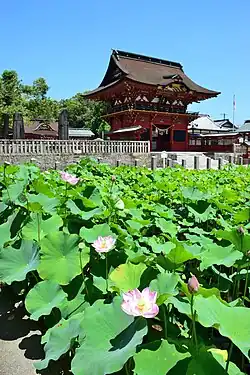
Okazaki (岡崎) is a city in the centre of Aichi Prefecture, lying…

Tokoname
Tokoname (常滑市) sits on the western coast of the Chita Peninsula in…
Toyohashi
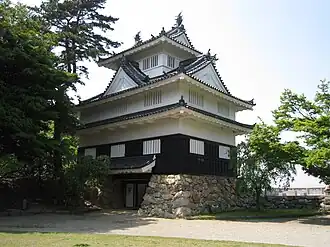
Toyohashi (豊橋) is a city in the south-east of Aichi Prefecture, on…
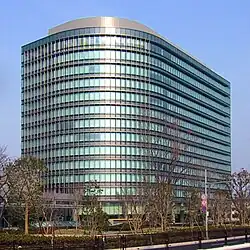
Toyota
Toyota (豊田) is the largest city by area in Aichi Prefecture and the…
Gamagori
Gamagori (蒲郡) is a coastal city in south-eastern Aichi Prefecture…
Handa
Handa (半田) is a city on the Chita Peninsula in southern Aichi…
Ichinomiya
Ichinomiya (一宮) is a city in western Aichi Prefecture, located…
Korankei
Korankei (香嵐渓) is a forested river gorge in the town of Asuke, within…
Nagakute
Nagakute is an eastern suburb of Nagoya in Aichi Prefecture.
Nishio
Nishio (西尾) is a city in southern Aichi Prefecture, located on the…
Seto
Seto (瀬戸) is a city in northern Aichi Prefecture, renowned for its…
Shinshiro
Shinshiro (新城市) is a city in eastern Aichi Prefecture, located in a…
Tahara
Tahara (田原) is a city at the southern tip of the Atsumi Peninsula in…
Sample itinerary
See how a trip to Aichi comes together — a real Tripcuro plan, day by day.
Pair the highlights of Aichi into one easy trip — we'll plan the route.
WhatsApp
Contact Us
Get in touch with us.
Get in touch
Contact Us
Tell us where you'd like to go and how you like to travel. A real Tripcuro planner — not a bot — will craft an itinerary around you.
- Personalised, hassle-free planning end-to-end
- Transparent pricing, no hidden costs
- 24/7 support for complete peace of mind