
Korankei
Aichi, Japan
Why visit Korankei?
Korankei (香嵐渓) is a forested river gorge in the town of Asuke, within the city of Toyota, in eastern Aichi Prefecture. It is one of central Japan's most celebrated autumn-leaf destinations: each November the maple-clad slopes above the Tomoe River blaze with red and gold, and the valley draws large crowds of visitors. The name was coined in 1930, combining a character from nearby Kōrin-ji temple with one meaning "misty valley".
The maples that make Korankei famous were not entirely an accident of nature. Tradition holds that a priest of Kōrin-ji began planting maple and cedar saplings along the approach to the temple in the early Edo period, and later generations of residents continued the work, gradually filling the gorge with the thousands of trees seen today. The result is a managed yet wholly natural-feeling landscape of riverside paths, a vermilion bridge, the temple on the hillside, and the historic streets of Asuke nearby.
Korankei is firmly seasonal. The peak season is the autumn foliage period, roughly mid- to late November, when an evening light-up illuminates the gorge after dark. Spring brings fresh green leaves and katakuri (dogtooth violet) wildflowers, and summer is cool and shaded by the riverside; winter is quiet. If you want the autumn spectacle, expect heavy crowds and slow traffic — weekdays are far calmer than weekends.
Planning Korankei? Tell us your dates and we’ll tailor the trip.
Ask on WhatsAppHow do you get there?
By Plane
The nearest major airport is Chubu Centrair International Airport (NGO), south of Nagoya on the Chita Peninsula. From the airport, take the Meitetsu line toward Nagoya and continue by rail and bus toward Toyota and Asuke (see By Train and By Car below). Allow roughly two to three hours in total.
By Train
There is no rail station at Korankei itself; the gorge is reached by bus from the nearest railheads. The usual approach is to take a train to Toyotashi Station (or Jōsui Station) on the Meitetsu network, or to Higashi-Okazaki, and transfer to a Meitetsu bus bound for Asuke. From central Nagoya the whole trip takes around two hours.
By Car / Road
Most visitors arrive by car. Korankei is roughly an hour's drive from central Nagoya and well signposted from the Toyota area; the approach roads follow the valley scenically. Large car parks operate near the gorge, but during the November foliage season traffic backs up severely and parking fills early — arrive in the morning or use public transport. Seasonal direct buses are run from Nagoya and Toyota during peak autumn.
Korankei is explored entirely on foot. Walking trails follow both banks of the Tomoe River, crossing the red Taigetsukyō Bridge, and gentle paths climb toward Kōrin-ji temple on the hillside. The full loop through the gorge takes one to two hours at an easy pace. There is no local public transport within the site; the historic merchant streets of Asuke are a short walk or drive away. Watch your footing on the riverside paths in wet weather.
What are the things to do?
- Korankei Gorge maple groves — the main draw: thousands of maple trees lining the Tomoe River, spectacular in mid-to-late November and freshly green in spring. Free to enter.
- Taigetsukyō Bridge (待月橋) — the vermilion arched bridge over the Tomoe River, the gorge's most photographed landmark.
- Kōrin-ji (香積寺) — the hillside temple from which Korankei takes part of its name, reached by a short climb through the maples.
- Sanshu Asuke Yashiki (三州足助屋敷) — an open-air living museum recreating a mountain village, where artisans demonstrate traditional crafts such as weaving, charcoal-making and paper-making.
The essential activity is walking the gorge, ideally as a loop along both riverbanks. During the autumn light-up, returning after dark to see the illuminated maples is a highlight in its own right. Visiting the nearby historic town of Asuke, with its preserved Edo-period merchant houses and craft shops, makes a natural half-day pairing. The Sanshu Asuke Yashiki living museum offers hands-on craft demonstrations, and the surrounding hills have walking and hiking routes for those wanting to go further.
Planning Korankei? Want these on a customised itinerary?
Ask on WhatsAppWhere to eat?
Food at Korankei centres on warming mountain fare from the stalls and small restaurants near the gorge and in Asuke town.
- Gohei-mochi stalls — flattened rice cakes grilled over charcoal and brushed with a sweet miso or walnut sauce, the area's signature street snack; a few hundred yen.
- Soba and udon shops in Asuke — simple noodle restaurants serving hot bowls, especially welcome on cold autumn days.
- Riverside teahouses — light meals, sweets and tea with views over the Tomoe River.
Vegetarian options are limited; noodle and rice-cake dishes are the most reliable choices.
Where to drink?
Teahouses and small cafés near the gorge serve green tea, coffee and amazake (a sweet, low- or non-alcoholic fermented rice drink) — the latter especially welcome in the cold months. Japanese tap water is safe to drink.
Planning Korankei? We’ll book the stays and dining for you.
Ask on WhatsAppWhere to stay?
There is little accommodation at the gorge itself; most visitors stay in Asuke town or base themselves in Toyota or Nagoya.
What should you buy?
The shops and stalls clustered at the gorge entrance and along the streets of Asuke sell local mountain produce and crafts: Asuke-style traditional foods, pickles, sweets, and seasonal snacks. Look for gohei-mochi (skewered rice cakes coated in a sweet-savoury sauce) sold from roadside stalls, and locally made handicrafts in the Asuke merchant quarter. Prices are fixed; bargaining is not customary.
Where to go next?
- Asuke — adjacent; a preserved Edo-period merchant town worth combining with any Korankei visit.
- Toyota — about an hour away; the home of the Toyota Motor Corporation, with a car museum and factory tours.
- Nagoya — roughly two hours; Aichi's capital, with castles, museums and major transport links.
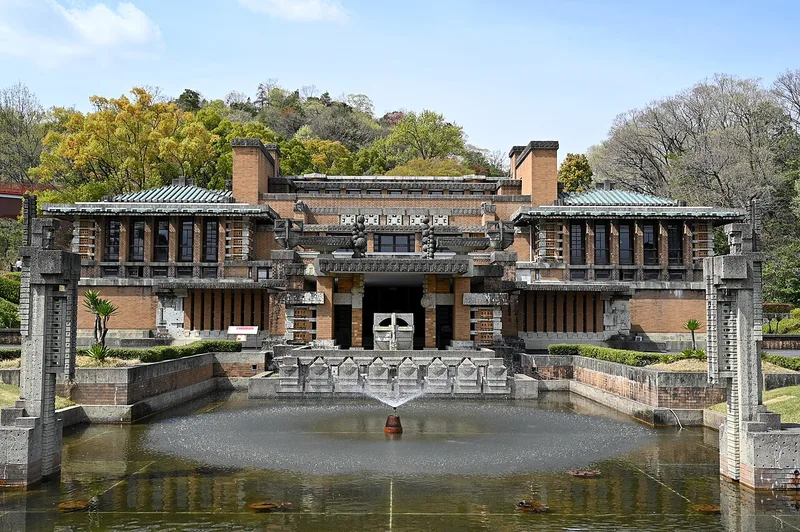
- Inuyama — north toward the Gifu border, home to an original castle and the Meiji-mura open-air museum.
Nearby in Aichi
More places to explore around Korankei.
Guide content as of May 2026. Portions adapted from Wikivoyage, CC BY-SA 4.0.

Contact Us
Get in touch with us.
Get in touch
Contact Us
Tell us where you'd like to go and how you like to travel. A real Tripcuro planner — not a bot — will craft an itinerary around you.
- Personalised, hassle-free planning end-to-end
- Transparent pricing, no hidden costs
- 24/7 support for complete peace of mind