
Manas National Park
Assam, India
About Manas National Park
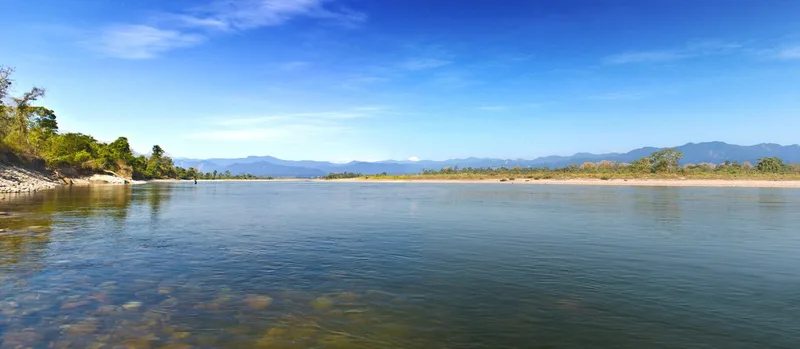
Manas National Park is a UNESCO World Heritage Site in Lower Assam, set against the foothills of the Bhutan Himalaya. It is a place of layered protection — a national park, a tiger reserve, an elephant reserve and a biosphere reserve all at once — and it forms a single contiguous wildland with the Royal Manas National Park across the international border in Bhutan. The Manas river, which gives the park its name, runs down out of the hills through grassland and forest, and the views of the Bhutan mountains rising beyond the canopy give Manas a scenery few other Indian parks can match.
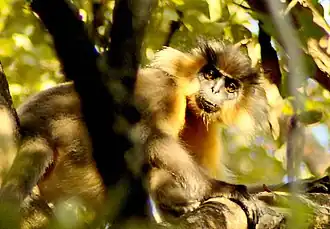
The park is celebrated for biodiversity. It holds populations of tiger, Indian rhinoceros, Asian elephant, gaur, wild water buffalo and several deer species, alongside rare primates such as the golden langur and hoolock gibbon. It is also one of the most important bird habitats in the subcontinent — most notably, it has the largest known population of the endangered Bengal florican anywhere. Manas went through difficult decades of political unrest that damaged its wildlife and saw it placed on the list of World Heritage in Danger, but a sustained recovery, including rhino reintroductions, brought it back, and it is now a flagship conservation success.
Climate is the classic Assam pattern: winters are mild, with January lows around 10°C and highs near 20°C, while July is hot and wet, with lows near 25°C and highs around 38°C. The park is best visited in the cool, dry season from roughly November to April; the monsoon brings heavy rain and flooding that closes much of the area.
Planning Manas National Park? Tell us your dates and we’ll tailor the trip.
Ask on WhatsAppHow to reach
By Plane
The nearest airport is Lokpriya Gopinath Bordoloi International Airport (GAU) at Guwahati, the main air gateway for Assam with wide domestic connectivity and some international flights. From Guwahati the park is roughly a four- to five-hour road journey; arrange a taxi or a lodge transfer for the trip to Bansbari, the principal entry point.
By Train
The nearest railway station is Barpeta Road, about 22 km from Bansbari by road; New Bongaigaon Junction is the other useful railhead in the area. From Barpeta Road, continue to Bansbari by hired taxi or local transport. Book reserved rail tickets in advance through IRCTC, particularly in the winter season.
By Car / Road
Manas is about 176 km from Guwahati. The approach runs via National Highway 31 to Barpeta Road, from where it is about 22 km on to Bansbari, the main park gate. Roads are generally serviceable; allow extra time in the wet season. A hired vehicle or a lodge transfer is the most practical way to cover the final stretch.
There is no public transport inside the park — movement is on organised safaris arranged through the forest department and the lodges around Bansbari. Jeep safaris are the standard way to explore the forest tracks and grasslands, and river-rafting trips run on the Manas river. An armed forest guard and guide accompany trips into the park as required. Confirm safari and permit charges with your lodge when booking. Between the gate, lodges and Barpeta Road, hired vehicles cover the short road links.
Things to do
Manas is about wildlife and landscape rather than monuments — sightings are best on early-morning safaris with binoculars to hand.
Tigers and big cats — Manas is a tiger reserve, and also holds leopard, clouded leopard and the rare golden cat, though tigers are elusive in the tall grass.
Rhinoceros, elephant, wild buffalo and gaur — the large mammals of the grasslands and forest, seen on jeep safaris, with rhinos a conservation reintroduction success.
Golden langur and other primates — the strikingly pale golden langur is a Manas speciality, alongside hoolock gibbon, capped langur and Assamese macaque.
Bengal florican and birdlife — the park has the largest known population of the endangered Bengal florican, plus great and pied hornbills, jungle fowl, fishing eagles, serpent-eagles and many more — close to 400 recorded bird species.
Manas river and the Bhutan foothills — the river running out of the hills, with the Himalaya rising beyond, is one of the most beautiful settings of any Indian park.
Jeep safari — the core activity, exploring forest tracks and grassland with a guide and forest guard; early-morning departures give the best wildlife chances.
River rafting on the Manas — gentle rafting trips on the river running down from Bhutan, combining scenery with the chance of riverside wildlife.
Birdwatching — Manas rewards dedicated birders, especially in winter; a knowledgeable guide and good binoculars make the difference.
Take in the Bhutan border country — the foothill setting and the contiguous Royal Manas across the border give the area a distinctive trans-Himalayan character.
Planning Manas National Park? Want these on a customised itinerary?
Ask on WhatsAppFood & Dining
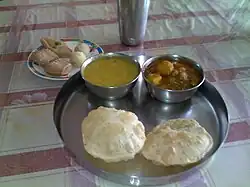
Dining at Manas is through the lodges and resorts around Bansbari, which run their own kitchens serving simple, home-style Assamese meals — rice, dal, river fish, locally grown vegetables and chicken — usually as part of stay packages. There are no standalone restaurants inside the park. Vegetarian food is readily catered for; flag any dietary requirements when booking. For wider choice, eat in Barpeta Road.
Cafes & Nightlife
Meals at the lodges come with tea and safe, bottled or boiled drinking water. There are no bars within the park; bring any alcohol from the towns if wanted. Do not drink untreated tap or river water — rely on sealed bottled or boiled water throughout.
Planning Manas National Park? We’ll book the stays and dining for you.
Ask on WhatsAppPlaces to Stay
- Budget: Basic forest-department accommodation and simple lodges around Bansbari offer modest rooms; book the forest rest houses through the park authorities in advance.
- Mid-range: Resorts and jungle camps near the Bansbari gate provide comfortable cottages or rooms with attached bathrooms and full board — the most popular way to stay.
- Upscale / heritage: Musa Jungle Retreat at Gyatigaon, Bansbari (Baksa), is a well-known property near the park, with cottages including the Striped Panthera, Grazing Rhino and Bansbari Villa units.
What to buy
There are no shopping markets within the park. Stock up on supplies, snacks and cash in Barpeta Road or Guwahati before arriving, as facilities around Bansbari are minimal. Lower Assam is known for handwoven textiles, and the broader Barpeta region for traditional crafts, best sought in the towns rather than at the park itself.
Go next
- Barpeta (~40 km) — a historic town and important centre of Assamese Vaishnavite culture, with a major satra (monastery).
- Bongaigaon (~90 km) — a regional town and rail junction, useful as an onward transit point.
- Guwahati (~176 km) — Assam's largest city, with the Kamakhya Temple and the state's main airport.
- Royal Manas National Park (Bhutan) — the contiguous park across the border, for travellers continuing into Bhutan with the proper permits.
- Pobitora Wildlife Sanctuary — a smaller rhino sanctuary nearer Guwahati, a good complement to a Manas trip.
Nearby in Assam
More places to explore around Manas National Park.
Portions adapted from Wikivoyage, CC BY-SA 4.0.

Contact Us
Get in touch with us.
Get in touch
Contact Us
Tell us where you'd like to go and how you like to travel. A real Tripcuro planner — not a bot — will craft an itinerary around you.
- Personalised, hassle-free planning end-to-end
- Transparent pricing, no hidden costs
- 24/7 support for complete peace of mind