Finland
Northern Europe · 346 destinations across 19 regions
Photography coming soonWhy visit?
Finland is the quiet overachiever of the Nordic world — a country where 188,000 lakes, vast boreal forest, and a genuinely Arctic north meet some of the most functional, design-conscious cities in Europe. It suits travelers who want nature without roughing it: world-class infrastructure, near-universal English, clean water from any tap, and a culture that prizes calm, space, and the sauna above almost everything else. You come here for the Northern Lights and reindeer in Lapland, for archipelago summers that never quite get dark, and for a capital that does urban design, coffee, and waterfront life exceptionally well.
What makes Finland distinctive is its relationship with silence and seasonality. Life swings hard between the luminous "white nights" of June and July — when the sun barely sets — and the deep, dark, snow-muffled winters that make the south magical and the north otherworldly. Finns famously value personal space, honesty, and understatement, and the rhythms of travel here reward slowing down: a lakeside cabin, a smoke sauna, a cup of coffee (Finns drink more per capita than any nation on earth).
It's an excellent choice for nature lovers, design and architecture enthusiasts, families (it's exceptionally safe and easy), and anyone chasing the aurora. It is not a budget backpacker's bargain — costs are high — but value is consistent and the experience is frictionless.
What is the landscape and climate like?
Finland stretches roughly 1,150 km north to south, from the Baltic coast to well above the Arctic Circle. The broad regions are: the South and Helsinki metropolitan area, dense, urban and coastal; the Southwest and the Archipelago Sea around Turku, with thousands of islands; the Lakeland (Järvi-Suomi) of central-eastern Finland, the largest lake district in Europe, anchored by Saimaa; the west coast along the Gulf of Bothnia (Vaasa, Oulu); and Lapland in the north, the land of fells (low rounded mountains), reindeer herding, and Sámi culture. The terrain is overwhelmingly flat to gently rolling, blanketed in forest and water; the only real highlands are the fells of the far northwest, where Halti, the highest point, reaches 1,324 m.
The climate is cold-temperate in the south and subarctic in the north, with four sharply defined seasons. Summers (June–August) are mild and pleasant, typically 18–25°C in the south, with very long days; the far north sees the Midnight Sun for weeks. Winters are long and cold: roughly November to March in the south with reliable snow, and longer in the north, where Lapland routinely drops below −20°C and experiences polar night (kaamos), when the sun stays below the horizon. Autumn brings the brief, brilliant ruska foliage in Lapland (September). There is no monsoon or dry season — precipitation is moderate and spread across the year, falling as snow for much of it.
Tell us your dates and we'll tailor your Finland trip around them.
WhatsAppWhen is the best time to visit?
- Summer (June–August) — peak season for the south, lakeland, and archipelago. Warm, endless daylight, festivals, open cottages and ferries. July is the Finnish holiday month; book ahead.
- Winter (December–March) — peak season for Lapland: aurora, snow activities, husky and reindeer sledding, Santa tourism around Rovaniemi. Best aurora odds run roughly late August to early April under dark, clear skies.
- Autumn (September–October) — shoulder season; ruska foliage in the north is spectacular and crowds thin out.
- Spring (April–May) — shoulder/off season; melting snow ("ruska of mud") in the south, but late-season skiing in the north.
Festivals worth planning around: Juhannus (Midsummer, late June) — the year's biggest celebration, when cities empty for the lakes; Savonlinna Opera Festival (July) in a medieval castle; Helsinki Pride and various summer music festivals (Ruisrock in Turku, Flow in Helsinki); and the Christmas season in Lapland.
Do you need a visa?
Finland is in the Schengen Area and the EU. Citizens of EU/EEA states and Switzerland may enter freely with a national ID card or passport. Many non-EU nationals — including the US, UK, Canada, Australia, New Zealand, Japan, and others — may enter visa-free for short stays of up to 90 days within any 180-day period for tourism.
The EU's ETIAS travel authorization is expected to become required for visa-exempt non-EU visitors; check its rollout status before you travel. Travelers who do require a visa apply for a Schengen short-stay (Type C) visa through a Finnish embassy/consulate or an authorized visa center — there is no visa-on-arrival or general e-visa for tourism. Ensure your passport is valid for at least three months beyond your planned departure and was issued within the last ten years.
This is general guidance only — verify current requirements with a Finnish embassy/consulate or the official Finnish Immigration Service (Migri) before booking.
Want us to time your trip around a festival? We'll handle it.
WhatsAppHow much does it cost?
The currency is the Euro (€/EUR). Finland is one of the most cashless countries in the world: cards (including contactless and mobile wallets) are accepted virtually everywhere, even at remote kiosks and on buses. ATMs ("Otto.") are widely available in towns; carry a little cash only for the most rural cottages or markets.
Approximate daily budgets per person (excluding long-haul flights):
- Budget: €70–110 / ~$75–120 — hostel dorm or shared cabin, supermarket food and lunch specials, public transport.
- Mid-range: €150–260 / ~$160–280 — 3-star hotel or guesthouse, restaurant meals, some paid activities.
- Luxury: €350+ / ~$380+ — design hotels or glass igloos in Lapland, fine dining, private guides and excursions.
Reference prices: a restaurant lunch special (lounas) €11–14; a dinner main €20–32; a beer €7–9; a coffee €3.50–5; local transit ticket around €3–4. Lapland glass-igloo nights can run €300–600+ in winter.
Tipping is not expected — service is included and Finns generally don't tip. Rounding up or leaving 5–10% for exceptional restaurant service is appreciated but never required; taxis and bars don't expect tips.
How do you get there?
The main gateway is Helsinki-Vantaa Airport (HEL), a major, efficient hub with direct connections across Europe, Asia, and North America, and a fast rail/bus link into central Helsinki (~30 min). Other useful airports include Rovaniemi (RVN) for Lapland (busy in winter), Oulu (OUL), Turku (TKU), Tampere-Pirkkala (TMP), Vaasa (VAA), Kittilä (KTT) and Ivalo (IVL) for the far north.
By land, Finland borders Sweden, Norway, and Russia. The Swedish and Norwegian crossings in the north are straightforward (e.g. Tornio–Haparanda). Land crossings with Russia have been closed at the time of writing — do not plan an overland Russia route without confirming current status.
By sea, Finland has excellent Baltic ferry links. Large overnight and day ferries (Viking Line, Tallink Silja, Eckerö) connect Helsinki with Tallinn (Estonia) — a 2-hour crossing — and Stockholm (Sweden), often via the Åland Islands; Turku also serves Stockholm. Helsinki's South Harbour is a regular Baltic cruise call.
We handle the bookings and budgeting — you just travel.
WhatsAppHow do you get around?
- Rail: VR, the state railway, is comfortable, punctual, and the best way to move between southern cities — Pendolino services link Helsinki with Turku, Tampere, and onward; overnight car-sleeper trains run to Lapland (Rovaniemi, Kolari). Book online for cheaper advance fares.
- Buses: Matkahuolto and OnniBus cover intercity and rural routes the train doesn't reach; OnniBus is the budget option, Matkahuolto the comprehensive network.
- Domestic flights: Finnair and others connect Helsinki to Lapland and the north quickly — worth it given the distances (Helsinki–Rovaniemi is ~900 km).
- Taxis & rideshare: Taxis are reliable but pricey; apps like Yango, Bolt, and the local Taksini/Valopilkku work in cities; Uber operates in some areas. Always use metered or app-booked rides.
- Driving: Roads are excellent and well-signed; winter requires studded/winter tyres (mandatory in season) and caution for reindeer and elk, especially at dawn/dusk in the north — report any collision.
- City transit: Helsinki's HSL network (metro, trams, buses, ferries) is integrated and easy; buy via the HSL app.
Scams are rare. The main pitfalls are unbooked airport taxis with inflated fares (use the app or metered ranks) and underestimating distances and seasonal road conditions rather than any deliberate fraud.
What are the local customs?
Finnish culture prizes honesty, modesty, punctuality, and personal space. Small talk is minimal and silence is comfortable — don't mistake reserve for unfriendliness. Greetings are a simple handshake and direct eye contact; first names are used quickly. People say what they mean and keep promises, so be punctual and straightforward in return.
The sauna is central, not optional — there are more saunas than cars. Saunas are typically taken nude and gender-separated (or private/family); shower first, sit on a towel, keep your voice low, and follow your host's lead. Being invited to a sauna is a genuine gesture of friendship.
There's no strict dress code — practical, weather-appropriate clothing is the norm, and removing shoes when entering a home is expected. Finland is highly secular, but at the few sites where it matters (e.g. quiet churches), dress modestly and stay quiet. Photography is generally fine for landscapes and cities; ask before photographing people, and be especially respectful of Sámi people, their reindeer, and ceremonies in Lapland — don't treat Sámi culture as a photo prop. Tipping is not part of the culture (see Money & Costs). Key dos: respect nature and everyman's right (jokamiehenoikeus) — you may roam, forage berries and mushrooms, and camp responsibly on most uncultivated land, but leave no trace, keep away from homes, and don't disturb wildlife or reindeer herds. Don't litter, don't be loud, and don't jump queues.
Prefer to talk it through? We're a WhatsApp message away.
WhatsAppIs it safe?
Finland is consistently ranked among the safest countries in the world. Violent crime against tourists is very rare; petty theft is uncommon but possible in crowded transit hubs and summer festivals — basic vigilance suffices. Emergency number is 112 (works EU-wide).
The real hazards are environmental. Winter cold is serious: dress in layers, protect extremities, and respect frostbite and hypothermia risk in Lapland, where temperatures can plunge below −30°C. On lakes and the sea, never venture onto ice without local knowledge. In summer, mosquitoes are intense in the north and lakeland (bring repellent), and ticks in southern grass/forest can carry Lyme disease and TBE — check yourself after hikes. Wildlife is mostly shy; bears and wolves avoid people, but give reindeer and elk on roads a wide berth when driving.
Health-wise, no special vaccinations are required beyond being up to date on routine immunizations; tap water is excellent and safe to drink everywhere. Healthcare is high-quality; EU visitors should carry an EHIC/GHIC, and others should have travel insurance. The northern border zone with Russia is restricted and, with land crossings currently closed, should be avoided as a transit route — heed posted signage near the frontier.
Which regions stand out?
- Uusimaa & Greater Helsinki — the cosmopolitan south, home to the capital, design districts, and Baltic ferry links.
- Southwest Finland & the Archipelago Sea — Turku, Finland's former capital, fringed by one of the world's largest archipelagos, ideal for island-hopping and cycling.
- Finnish Lakeland (Saimaa) — Europe's largest lake region, cottages and saunas, Savonlinna's castle and opera, home of the rare Saimaa ringed seal.
- Lapland — the Arctic north: aurora, Midnight Sun, fells, reindeer, Sámi culture, and Rovaniemi's Santa tourism.
- Tampere & the Lakeland West — a reinvented industrial city between two lakes, known for sauna culture and a lively food and music scene.
- Ostrobothnia & the West Coast — the Gulf of Bothnia shore, the bilingual Swedish-speaking coast, and the UNESCO-listed Kvarken Archipelago near Vaasa.
- Åland Islands — an autonomous, Swedish-speaking archipelago in the Baltic, with its own flag, cycling routes, and maritime heritage.
Tell us your dates and we'll tailor your Finland trip around them.
WhatsAppWhere should you go?
- Helsinki — the seafront capital of design, the Suomenlinna sea fortress, market squares, and standout modern architecture and food.
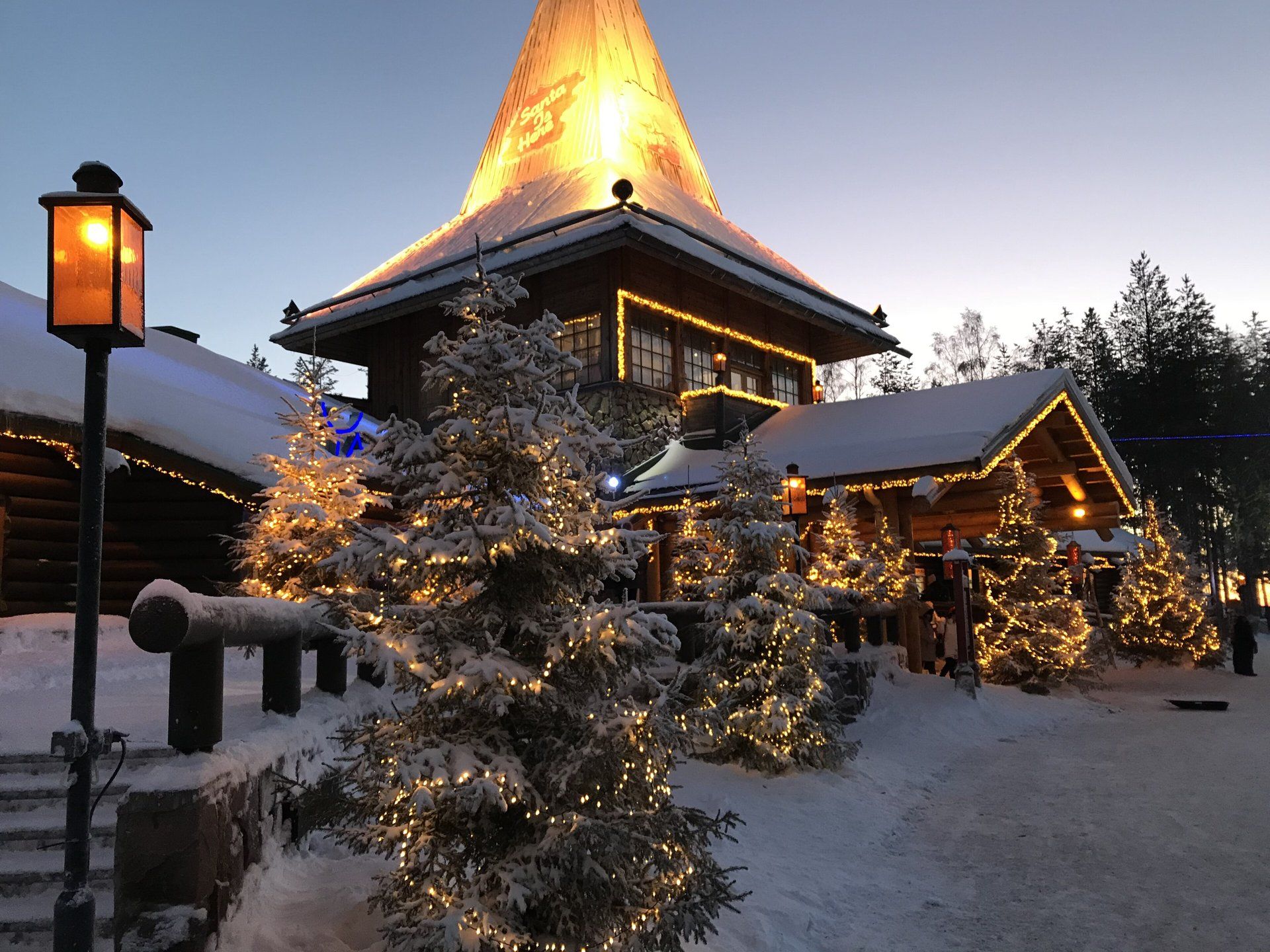
- Rovaniemi — the gateway to Lapland, official hometown of Santa Claus, and a base for aurora and Arctic excursions.
- Turku — Finland's oldest city, with a medieval castle and cathedral and the launch point for the archipelago.
- Tampere — vibrant lakeside city famed for saunas, museums, and a buzzing cultural and culinary scene.
- Savonlinna — Lakeland gem built around Olavinlinna castle, host of the summer opera festival.
- Porvoo — a postcard-perfect old town of red-ochre wooden riverside warehouses, an easy day trip from Helsinki.
- Saariselkä & Inari — far-northern hubs for fell hiking, aurora, and the heart of Finnish Sámi culture at Lake Inari.
- Levi & Ylläs — Lapland's leading ski and outdoor resorts, busy from autumn through spring.
- Kemi — Gulf of Bothnia town known for the SnowCastle and the Sampo icebreaker cruise.
- Naantali — a charming seaside town near Turku, home to Moominworld and a historic old quarter.
- Oulu — a tech-forward northern city on the Bothnian coast with a relaxed, youthful feel.
- Koli National Park — the iconic Finnish landscape of forested hills over Lake Pielinen, a national-romantic symbol.
Regions & States
Finland has 19 regions with guides — pick one to drill into its destinations.
Etelä-Karjala
9 destinations
Etelä-Pohjanmaa
17 destinations
Etelä-Savo
14 destinations
Kainuu
12 destinations
Kanta-Häme
13 destinations
Keski-Pohjanmaa
8 destinations
Keski-Suomi
24 destinations
Kymenlaakso
8 destinations
Landskapet Åland
16 destinations
Lappi
29 destinations
Päijät-Häme
11 destinations
Pirkanmaa
26 destinations
Pohjanmaa
15 destinations
Pohjois-Karjala
16 destinations
Pohjois-Pohjanmaa
34 destinations
Pohjois-Savo
19 destinations
Satakunta
18 destinations
Uusimaa
29 destinations
Varsinais-Suomi
28 destinations
Not sure where to start in Finland? Tell us how you like to travel and we'll shape the route.
WhatsAppTop Destinations
The places first-time and returning travellers ask for most.
Aanekoski
Aanekoski is a destination in Keski-Suomi, Finland.
Ahtari
Ahtari is a destination in Etelä-Pohjanmaa, Finland.
Akaa
The history of Akaa begins in 1483, when it was separated from the…
Alajarvi
Like many towns in Finland, Alajärvi's economy has traditionally been…
Alavieska
Alavieska is a small municipality of around 2,400 people in North…
Alavus
Alavus is a town of around 11000 inhabitants at the Lapua river.
Archipelago National Park
Archipelago National Park (Finnish: Saaristomeren kansallispuisto…
Asikkala
The municipality has two dozen villages spread around, mostly along…
Askola
Askola is a rural municipality.
Aura
Pöytyä has a population of 8,000 people on 774 km².
Bothnian Sea National Park
The Bothnian Sea National Park (Finnish: Selkämeren kansallispuisto)…
Brando
Brändö (often written Brando in English) is a municipality comprising…

Contact Us
Get in touch with us.
Get in touch
Contact Us
Tell us where you'd like to go and how you like to travel. A real Tripcuro planner — not a bot — will craft an itinerary around you.
- Personalised, hassle-free planning end-to-end
- Transparent pricing, no hidden costs
- 24/7 support for complete peace of mind