
Wutai
Shanxi Sheng, China
Why visit Wutai?
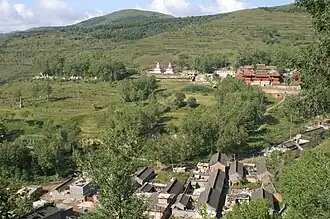
Wutai (五台; Wǔtái) is a county in Xinzhou prefecture, eastern Shanxi Province, best known as the gateway to Mount Wutai (Wutai Shan) — one of China's Four Sacred Buddhist Mountains and a UNESCO World Heritage Site. Mount Wutai (literally "Five Terrace Mountain") is the earthly abode of the Bodhisattva Manjushri (Wenshu), the bodhisattva of wisdom, and has been a centre of Buddhist pilgrimage for over 2,000 years. The mountain features five flat peaks with some of China's most important Buddhist temples and monasteries, including some of the oldest surviving wooden buildings in China. Wutai town (also called Taihuai Town) is the main settlement in the valley at the foot of the mountain, serving as the base for pilgrims and tourists. The area has a cool, high-altitude climate — summers are pleasantly cool and winters are very cold with heavy snow. The best times to visit are June–September for comfortable weather, or April–May and October for fewer crowds.
Planning Wutai? Tell us your dates and we’ll tailor the trip.
Ask on WhatsAppHow do you get there?
By Plane
The nearest airports are Taiyuan Wusu International Airport (TYN), about 230 km south (3.5 hr drive), and Datong Yungang Airport (DAT), about 180 km north (2.5 hr drive). From Taiyuan airport, take a bus to Taihuai Town or hire a private car (¥400–600).
By Train
Wutaishan Railway Station is about 50 km from Wutai town (1 hr by bus). High-speed trains from Beijing take about 3.5 hours to Taiyuan South, then connect by bus. A more convenient option is the train to Shahe or Wutai stations on the Beijing–Yuanping line (Beijing about 4–5 hr), then a local bus.
By Car / Road
Mount Wutai is about 230 km northeast of Taiyuan (3.5 hr via the G55 and S46 expressways). From Beijing, it is about 350 km (5 hr) via the G5 and the Wutai-bound expressway. Long-distance buses from Taiyuan Bus Station run several times daily to Taihuai Town (¥70–90, 3.5 hr). Buses from Beijing's Liuliqiao Bus Station also operate during tourist season (¥150, 5 hr).
Taihuai Town is compact and walkable. Shuttle buses connect the town to the main temple clusters and trailheads on the mountain. Taxis are available for private transfers (¥30–50 between nearby temples). To visit the five peaks (platforms), a private car or guided tour is recommended. The mountain also has cable cars to some of the higher peaks.
What are the things to do?
Mount Wutai (五台山) — The entire mountain is a UNESCO World Heritage Site with over 50 major temples and monasteries. Entry ¥135 (peak season), ¥118 (off-season).
Taihuai Town temples — The main valley town is surrounded by significant temples:
- Xiantong Temple (显通寺) — The oldest and largest temple on Mount Wutai, with a Ming dynasty bronze hall. 8AM–5PM, ¥10.
- Buddha Peak Temple (菩萨顶) — One of the most important temples, with 108 stone steps leading to a magnificent entrance. 8AM–5PM, ¥10.
- Tayuan Temple (塔院寺) — Famous for its white dagoba (stupa) that is the symbol of Mount Wutai. 8AM–5PM, ¥10.
- Nanshan Temple (南山寺) — Known for its intricate stone carvings and panoramic views. 8AM–5PM, ¥6.
East Platform (Dongtai) — The highest of the five peaks (2,795 m) with spectacular sunrise views.
North Platform (Beitai) — The highest peak in northern China outside Tibet (3,058 m), with a small Buddhist sanctuary.
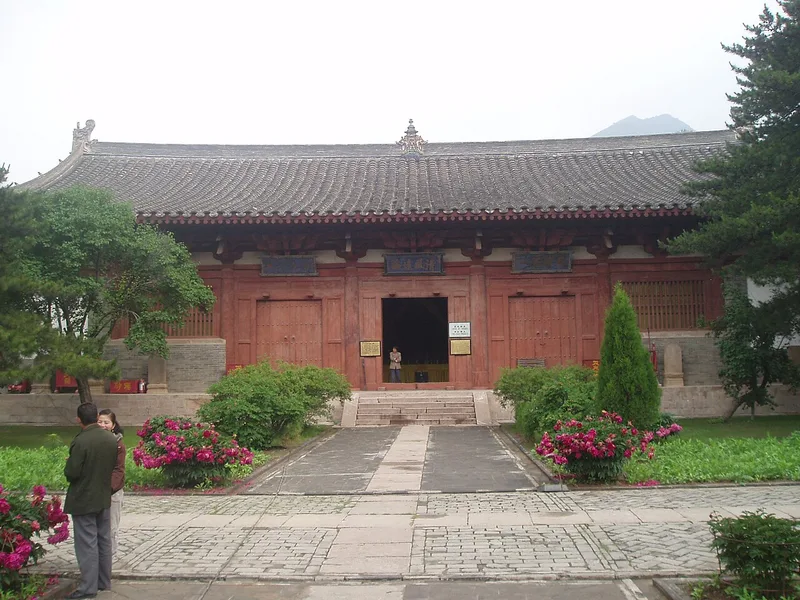
Foguang Temple (佛光寺) — About 50 km from Wutai town, one of China's oldest surviving wooden structures, dating to AD 857. UNESCO heritage. 8AM–5PM, ¥15.
Nanchan Temple (南禅寺) — Contains the oldest surviving wooden building in China (AD 782). 8AM–5PM, ¥10.
Temple pilgrimage circuit — Follow the traditional pilgrim route visiting the key temples in Taihuai Valley. Spend 2–3 days for a thorough visit.
Sunrise at East Platform — Start early (4AM) to watch the sunrise from the highest Buddhist peak in northern China.
Hiking the Five Platforms — For experienced hikers, a multi-day trek connecting all five peaks is a classic route. The full circuit is about 60 km.
Buddhist festival attendance — The most important festival is the Buddha Bathing Festival (eighth day of the fourth lunar month, usually May), when the mountain is crowded with pilgrims.
Photography — The mountain's misty peaks, ancient temple architecture, and colourful prayer flags are endlessly photogenic.
Planning Wutai? Want these on a customised itinerary?
Ask on WhatsAppWhere to eat?
- Vegetarian temple food — Many temples serve simple vegetarian meals (¥20–40). Xiantong Temple has a popular vegetarian restaurant.
- Wutai mushroom dishes — Local wild mushrooms stir-fried or in soup are the signature delicacy. ¥30–60.
- Shanxi noodles — Taihuai Town has several noodle shops serving hand-pulled noodles (daoxiaomian) and knife-cut noodles. ¥15–25.
- Buckwheat noodles — A local specialty of the higher-altitude region.
Where to drink?
- Local herbal tea — Served in temples and restaurants, made from wild mountain herbs.
- Bottled water — Essential to stay hydrated during mountain hikes.
- Tap water is not safe — bottled water available everywhere.
Planning Wutai? We’ll book the stays and dining for you.
Ask on WhatsAppWhere to stay?
- Budget: Guesthouses in Taihuai Town (¥100–200); temple guesthouses (¥80–150, very basic).
- Mid-range: Hotels in Taihuai Valley (¥300–600), such as the Wutai Shan Yungang Hotel.
- Upscale: Mount Wutai Grand Hotel (¥600–1,200); Wutai Shan Marriott Hotel (¥800+).
What should you buy?
- Buddhist souvenirs — Statues of Manjushri Bodhisattva, prayer beads, thangka paintings, and sutra scrolls available in Taihuai Town.
- Local medicinal herbs — The mountain is known for wild herbs used in traditional Chinese medicine.
- Wutai mushroom (tai shan mo) — Dried wild mushrooms from the mountain, a local delicacy.
- Tibetan-style crafts — Brass prayer wheels, singing bowls, and incense.
Where to go next?
- Datong (180 km north, 2.5 hr) — Yungang Grottoes (UNESCO), Hanging Temple, and Huayan Temple.
- Yingxian Wooden Pagoda (120 km north, 2 hr) — The world's oldest and tallest wooden pagoda (67 m, built in 1056).
- Taiyuan (230 km south, 3.5 hr) — Shanxi Museum and Jinci Temple.
- Pingyao (280 km south, 4 hr) — UNESCO-listed ancient walled city.
- Beijing (350 km east, 5 hr by car or 3.5 hr by high-speed train) — China's capital with the Forbidden City, Great Wall, and Temple of Heaven.
Nearby in Shanxi Sheng
More places to explore around Wutai.
Guide content as of July 2026.

Contact Us
Get in touch with us.
Get in touch
Contact Us
Tell us where you'd like to go and how you like to travel. A real Tripcuro planner — not a bot — will craft an itinerary around you.
- Personalised, hassle-free planning end-to-end
- Transparent pricing, no hidden costs
- 24/7 support for complete peace of mind