
Zalantun National Park
Nei Mongol Zizhiqu, China
Why visit Zalantun National Park?
Zalantun (扎兰屯) sits in the southeastern foothills of the Greater Khingan Range, in the Hulunbuir prefecture of Inner Mongolia. It has long been nicknamed "Sai Wai Su Hang" — "the Suzhou and Hangzhou beyond the frontier" — a nod to its unusually green, watered landscape compared with the dry steppe most visitors associate with Inner Mongolia. A river loops through the town, forested ridges rise on several sides, and pockets of early-20th-century timber architecture survive from the Chinese Eastern Railway era, when the area served as a summer retreat for railway officials. A wider scenic area designation bundles together the town's parkland, the river gorge, and a cluster of volcanic crater lakes some distance north.
The destination suits travellers who like layered natural landscapes — birch and larch forest, basalt plateaus dotted with small lakes, and Daur and Ewenki villages on the fringes — rather than headline monuments. It is a popular summer escape for visitors from further south and east in the northeast China region, and remains well off the foreign-tourist circuit.
Climate and timing: summers (June–August) are warm and green with frequent afternoon rain, drawing the biggest crowds; September brings a brief but striking display of autumn colour in the larch forests and noticeably fewer visitors. Winters are severe, with temperatures well below freezing for months, and most outlying scenic-area facilities close from late autumn through spring. Mid-June through early September is the realistic visiting window, with September often the most rewarding for photography and quiet.
The urban core sits along the river, organised around the railway station and the main street. A town park and a cluster of historic timber buildings from the railway era are within walking distance of downtown. The volcanic-lake cluster and other natural attractions further out require a vehicle.
Planning Zalantun National Park? Tell us your dates and we’ll tailor the trip.
Ask on WhatsAppHow do you get there?
By Plane
Zalantun has no commercial airport of its own. The nearest options are regional airports in neighbouring Heilongjiang province and further northwest in Hulunbuir, both requiring a further leg by train or car to reach Zalantun.
By Train
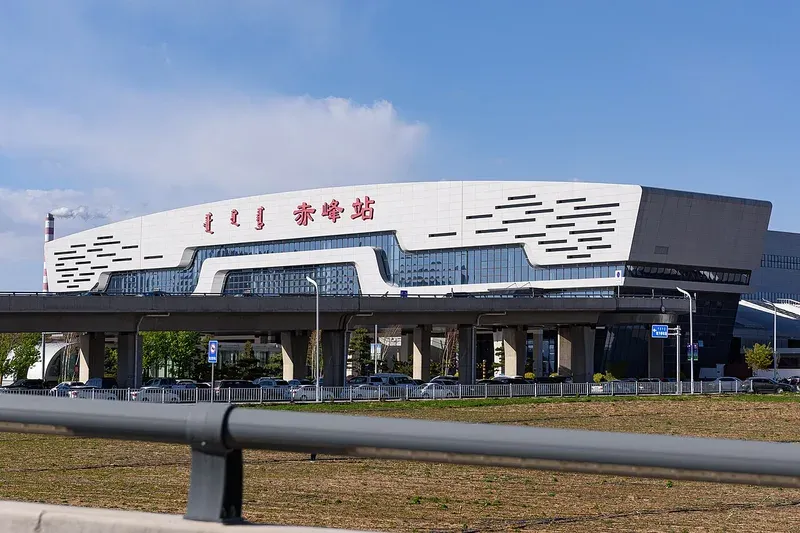
Zalantun's railway station sits on the rail line connecting Harbin to Manzhouli, one of northeast China's principal east–west rail corridors, and this is by far the most common way to reach the town — regular services run from Harbin, Qiqihar, and westward toward Hailar and Manzhouli. Book through the official China Railway 12306 platform; a passport is required to purchase and board. Sleeper berths on longer routes can sell out during the peak summer season, so book several days ahead if possible.
By Car / Road
An expressway corridor runs near Zalantun, making road access straightforward in the warmer months. Road surfaces on the main expressway are generally good; secondary roads into the outlying scenic areas are paved but winding and can be affected by heavy rain or early snow. Long-distance buses also connect Zalantun to regional cities, though trains are generally faster and more comfortable.
The town itself is compact and walkable, with most points of interest in the urban core within a short walk of the train station. For destinations outside town:
- Taxis are inexpensive for short hops within town; agree the fare or ensure the meter is used.
- Ride-hailing (Didi) works in Zalantun, though supply is thinner than in larger cities.
- City buses cover the urban grid at a flat low fare but don't reach the outlying scenic-area highlights.
- A hired car and driver is the standard way to visit the volcanic lakes and other outlying natural sights; arrange through your accommodation and agree the day rate in advance.
What are the things to do?
Natural sights
- A volcanic crater-lake cluster north of town — the headline natural attraction of the wider area, comprising a near-circular crater lake on a forested plateau along with several smaller lakes scattered across the surrounding volcanic field. Allow a full day for the round trip.
- A waterfall on the river gorge near town, in a wooded canyon — a popular local excursion and a good half-day trip.
- The in-town forest park, with pine woodland, a river crossing dating to the railway era, and a hillside lookout pavilion.
- A low forested peak with stepped trails and a summit pagoda near town, popular for autumn colour.
Cultural / historical
Surviving railway-era timber buildings, scattered along the streets near the current train station, dating from the early-1900s Chinese Eastern Railway period — a free, self-guided walk.
A small local museum with exhibits on the area's Daur, Ewenki, and Oroqen ethnic communities and on the railway-colony period.
Drive the forest highway loop between the volcanic lakes — a scenic drive best done with a hired driver as a full day out.
Short rafting trips run in summer on gentler stretches of the river gorge, through local operators near the waterfall area.
Hiking in the Greater Khingan foothills — marked summer trails exist within the town park and nearby forested hills; off-trail routes are best attempted with a local guide.
Visiting a Daur or Ewenki village on the outskirts — small communities that retain distinctive timber-and-bark architecture and traditional crafts; a local guide who can translate is helpful.
Horse riding on the meadows around the volcanic-lake area, generally available on-site for short or half-day rides.
Planning Zalantun National Park? Want these on a customised itinerary?
Ask on WhatsAppWhere to eat?
Food in Zalantun blends three traditions: northeastern Chinese (Dongbei) staples, Inner Mongolian meat-and-dairy cooking, and Russian-influenced bakery items left over from the railway era. Expect generous portions, plenty of lamb, and freshwater fish from the local river. Vegetarians can manage with cold dishes, tofu, and stir-fried vegetables, though dedicated vegetarian restaurants are rare. Halal (清真) restaurants exist and are identifiable by the usual green signage; lamb-focused restaurants are frequently halal by default.
Dishes to look for include hand-grabbed boiled lamb with a garlic-and-chive dip, sweet-and-sour battered pork (a northeastern Chinese classic found everywhere), iron-pot fish stews with cornbread baked around the rim, clay-pot mushroom stews, and Mongolian milk tea with fried millet and butter.
Where to drink?
Salted Mongolian milk tea is the everyday drink; northeastern Chinese beer brands are the local mainstay lager, and northeastern sorghum spirits (baijiu) are poured at any proper banquet. Sea-buckthorn juice and berry juices are locally produced and widely available in supermarkets, and kvass — a mild, sweet, low-alcohol bread drink — is a legacy of the area's Russian railway-era history and can be found bottled in some shops.
A handful of cafés cluster around the railway-heritage quarter and the main street, mostly informal; nightlife is limited. Tap water is not potable — stick to bottled or boiled water, which every hotel room provides via a kettle.
Planning Zalantun National Park? We’ll book the stays and dining for you.
Ask on WhatsAppWhere to stay?
Budget: family-run guesthouses cluster around the train station and the main street; walk-in is normal, and it's worth checking the room before committing.
Mid-range: national chain business hotels operate in Zalantun, generally bookable through major Chinese travel platforms, with reliable Wi-Fi and breakfast included.
Upscale: a small number of higher-end hotels operate downtown and near scenic-area entrances, with seasonal resort-style lodging inside the volcanic-lake area in summer. Genuine luxury hotels are not part of Zalantun's offering; for that tier, base yourself in Harbin and visit Zalantun as a multi-day side trip.
Book ahead for July, August, and the early-October national holiday period, when domestic demand spikes and rates rise.
What should you buy?
Shopping is modest and practical. The main commercial street runs through the town centre, with a produce-and-goods market nearby.
Worth seeking out are forest products typical of the Greater Khingan region — pine nuts, wild mushrooms, and wood-ear fungus — along with Mongolian dairy snacks such as dried milk curd, and locally produced berry wine and sea-buckthorn juice. Daur and Ewenki handicrafts, such as embroidered pouches and leatherwork, are occasionally sold near scenic-area entrances rather than in town itself.
Bargaining is customary at the open-air market and roadside stalls; fixed prices apply in supermarkets and chain shops.
Where to go next?
- Aershan — to the south by road, another volcanic-lake and forest scenic area with hot springs, often paired with Zalantun on Inner Mongolia itineraries.
- Qiqihar — to the east by train, gateway to a well-known nature reserve for red-crowned cranes.
- Hailar and the Hulunbuir grasslands — further northwest, the classic Inner Mongolia steppe experience with yurt stays and horseback riding.
- Manzhouli — at the far northwestern end of the rail corridor, a Russian-border boomtown with onward connections toward Siberia.
- Harbin — to the east by train, known for its Russian architectural heritage and (in winter) its ice and snow festival.
- Smaller forest-railway towns further north along the Greater Khingan range — quieter forest scenery for travellers who want to skip the volcanic-lake crowds.
Nearby in Nei Mongol Zizhiqu
More places to explore around Zalantun National Park.

Guide content as of July 2026. Portions adapted from Wikivoyage, CC BY-SA 4.0.

Contact Us
Get in touch with us.
Get in touch
Contact Us
Tell us where you'd like to go and how you like to travel. A real Tripcuro planner — not a bot — will craft an itinerary around you.
- Personalised, hassle-free planning end-to-end
- Transparent pricing, no hidden costs
- 24/7 support for complete peace of mind