

Baotou
Nei Mongol Zizhiqu, China
Why visit Baotou?
Baotou (Chinese: 包头; Mongolian: ᠪᠤᠭᠤᠲᠤ ᠬᠣᠲᠠ, Buɣutu qota) is the largest city in Inner Mongolia, a sprawling industrial metropolis of over two million people set on the banks of the Yellow River (Huáng Hé) beneath the Yinshan Mountains. Known as the "Steel City of the Grassland," Baotou has been the economic engine of Inner Mongolia since the mid-twentieth century, driven by its vast reserves of iron ore and rare earth minerals. Yet the city is far more than factories and smokestacks — it sits at the crossroads of Han Chinese and Mongolian cultures, with Tibetan Buddhist monasteries, open grasslands, and Great Wall ruins all within easy reach.
The city is divided into four main districts. Donghe (东河) is the old town, centred on the East Railway Station. Qingshan (青山) and Kunqu (昆区, also called Kandulun) make up the new city; Kunqu is the main commercial and entertainment hub, home to the Baobaidalou walking-street shopping area. Jiuyuan (九原) lies to the west. The main artery is Gangtie Street (钢铁大街), running east–west from Qingshan through Kunqu. Most visitors base themselves in the Kunqu or Qingshan districts for their concentration of hotels, restaurants, and shopping.
Baotou has a continental semi-arid climate with four distinct seasons. Summer (June–August) is the best time to visit: warm (20–30°C), with occasional rain but generally comfortable and ideal for grassland excursions. Autumn (September–November) is also excellent, with crisp air and golden landscapes. Spring (March–May) brings rising temperatures but strong winds and occasional sandstorms. Winter (December–February) is harsh — temperatures regularly drop below −20°C — though the snow-dusted grasslands have their own stark beauty. Avoid late February through April if you dislike dust and wind.
Planning Baotou? Tell us your dates and we’ll tailor the trip.
Ask on WhatsAppHow do you get there?
By Plane
Baotou Donghe Airport (IATA: BAV), also known as Baotou Erliban Airport, lies on the east side of the city, about 4 km from Baotou East Railway Station. Airport shuttle buses (white vans) serve all parts of Baotou for ¥22; a taxi to Donghe is cheaper. The airport has direct flights to major Chinese cities including Beijing, Shanghai, Guangzhou, Xi'an, Wuhan, and Yulin, as well as Ulaanbaatar (Mongolia) and limited other international destinations. Phone: +86-0472-4616100.
By Train
Baotou has two main railway stations:
- Baotou East Station (包头东站) — the primary station, serving Donghe District. Located at 32 Nanmenwai Street. Phone: +86 472-12306.
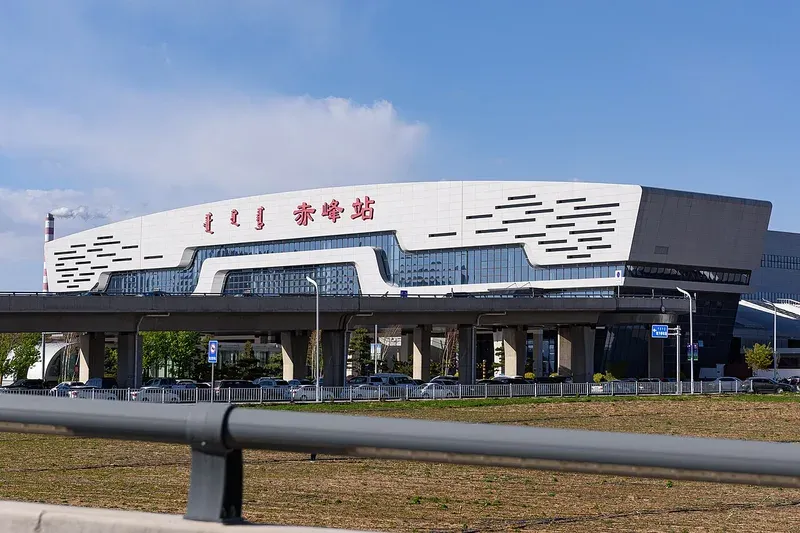
- Baotou Station (包头站) — serves the western districts (Kunqu, Qingshan).
High-speed rail connects Baotou to Hohhot in about 1 hour. A night train to Beijing takes roughly 12 hours, with seats from ¥110–150 and soft sleepers from ¥300–450.
By Car / Road
Baotou is connected to Beijing via the G6 expressway (approximately 650 km, 7–8 hours by car). Buses to Beijing take about 10 hours from the Baotou Long Distance Bus Station (包头长途客运总站). Other bus connections include Hohhot (about 3 hours) and Dongsheng (about 3 hours).
Baotou's urban area is large and spread out, so taxis and ride-hailing apps (Didi) are the most practical way to get around. Metered taxis start at ¥8 for the first 3 km. City buses cover all districts with a flat fare of ¥1–2; routes are numbered but announcements are in Chinese only. The city has plans for a metro line connecting the airport to the East Railway Station and westward through the urban core, but as of the latest information this is still under development. Walking is feasible within individual districts (especially the compact Kunqu shopping area around Baobaidalou) but impractical between districts due to distances. Watch for unlicensed taxis at the train stations — use only metered cabs or ride-hailing apps.
What are the things to do?
Museums & Culture
- Baotou Museum (包头博物馆), 25 A'erding Street, Hondlon District. Bus nos. 1, 22, 42, 43, 52, C2. Hours: 09:30–16:30 (winter), 09:00–17:00 (summer), no entry in last 30 min. Free. A solid overview of Baotou's grassland culture, nomadic history, and rare earth industry.
- Baotou Rare Earths Museum (包头稀土博物馆), 36 Huanghe Avenue, Jiuyuan District (bus no. 43). China's first and only rare earths museum, housed in the Baotou Research Institute of Rare Earths. An unusual but fascinating stop for anyone interested in the mineral wealth that built the city.
- Northern Weapon City (兵器公园). An outdoor park displaying mainly artillery pieces manufactured by local arms maker Northern Heavy Industries Group. ¥8.
Historic & Religious Sites
- Wudangzhao Lamasery (五当召) — 50 km northeast of Baotou (75 min drive, or 2 hours by bus from the East Bus Station; alternatively bus 7 to Shiguai then minibus/taxi for ¥30). Hours: 08:00–18:00. ¥60. The largest and best-preserved Tibetan Buddhist lamasery in Inner Mongolia, set in a mountain valley with whitewashed halls and vivid murals. A half-day excursion and one of Baotou's top attractions.
Great Wall Sections
- Guyang County Section (固阳县) — about 50 km northeast of Baotou. Remote and atmospheric ruin stretches.
- Shiguai District Section (石拐区) — about 30 km east of Baotou. More accessible.
Nature & Outdoors
Nanhai National Wetland Park (南海湿地景区). Hours: 08:00–21:00 (no ticket sales after 18:30). ¥20. A protected wetland on the Yellow River, also a scenic and amusement area. Good for birdwatching and strolling along the boardwalks.
Shiramuren Grassland (希拉穆仁草原, also called Zhaohao/召河), in Darhan Muminggan United Banner southeast of Baotou. Open 24 hours. ¥80. The nearest grassland experience to Baotou — wide-open steppe, Mongolian yurts, and horseback riding. Best in summer; nights are cool even in midsummer.
Grassland activities — At Shiramuren or other nearby grasslands, try horseback riding, archery, and staying overnight in a traditional Mongolian yurt. Multi-day grassland tours can be arranged through local agencies.
Cultural festivals — If visiting in July–August, look for the Naadam Festival (那达慕大会), featuring Mongolian wrestling, horse racing, and archery — the three "manly games" of Mongolian tradition. The Grassland Music Festival is another summer highlight.
Day trip to Wudangzhao — Combine the lamasery visit with a drive through the Yinshan foothills. Allow a full day.
Explore Baobaidalou — The walking-street area in Kunqu is Baotou's liveliest pedestrian zone, with shops, street food, and evening entertainment.
Great Wall hiking — The Guyang and Shiguai sections offer uncrowded, raw Great Wall experiences far from the tourist infrastructure of Beijing.
Planning Baotou? Want these on a customised itinerary?
Ask on WhatsAppWhere to eat?
Baotou's food scene centres on Mongolian and northern Chinese cuisine, with mutton as the star ingredient. Mongolian hot pot (涮羊肉) is a must, especially in winter — thinly sliced lamb dipped in sesame sauce. Hand-held mutton (手把肉, shǒubǎ ròu) is boiled lamb eaten with your hands, a quintessential grassland dish. Air-dried beef (风干牛肉) is chewy, intensely flavourful, and sold everywhere. Oat noodle rolls (莜面栲栳栳) are a local staple worth trying.
Specific recommendations:
- Little Sheep Restaurant (小肥羊大厦), 9 Wulandao, Kun District (near Baotou Hotel). Phone: +86 472 5137998. The flagship outlet of this famous international hot pot chain — founded in Baotou. A local institution.
- Street food stalls around Baobaidalou offer lamb skewers (羊肉串), fried bread (油条), and Mongolian milk tea.
- For a sit-down Mongolian meal, seek out restaurants advertising 蒙餐 (méngcān) — try grilled whole lamb or mutton with flatbread.
- Vegetarian options are limited outside hotel restaurants; Buddhist vegetarian eateries may exist near Wudangzhao.
Where to drink?
Dayao Jiabin (大窑嘉宾) is a beloved Inner Mongolian carbonated beverage, especially its classic orange soda — a regional icon and perfect accompaniment to barbecue and hot pot. Widely available at convenience stores and restaurants.
For alcoholic drinks, Inner Mongolian baijiu is the local spirit of choice. Kumiss (fermented mare's milk) is a traditional Mongolian drink with a sour, slightly alcoholic taste — worth trying for the experience. Milk tea (奶茶, nǎichá), made with brick tea and salted milk, is the everyday Mongolian beverage served at nearly every meal.
Bars and cafés are concentrated around the Kunqu district near Baobaidalou. Tap water is not safe to drink — use bottled water.
Planning Baotou? We’ll book the stays and dining for you.
Ask on WhatsAppWhere to stay?
Budget
- Baotou Golden Snail Hotel (包头金蜗牛酒店), D1 Pedestrian Street, Jiuyuan District. Small rooms with free Wi-Fi, no breakfast. Doubles from about ¥95–159.
- Hengwei Holiday Hotel (Qingshan Branch) (包头恒为假日酒店, 青山分店), Qingshan District. A step up from the cheapest options with decent rooms and basic amenities.
Mid-range
- Numerous chain hotels (such as Home Inn, Hanting, and Jinjiang Inn) cluster around the two railway stations and along Gangtie Street, typically ¥200–400 for a double.
Upscale
- The Kunqu district has several higher-end hotels catering to business travellers, generally in the ¥400–800 range for a well-appointed room with breakfast.
What should you buy?
Food & Drink Specialties
- Air-dried beef and mutton — iconic Inner Mongolian preserved meat, available vacuum-packed at markets and shops throughout the city.
- Dairy products — Cheese, milk tablets, milk tea powder, and fermented mare's milk (kumiss). Baotou is a production hub for Yili and Mengniu, two of China's largest dairy brands.
- Oat flour products — Oat noodle rolls and related dishes are a regional staple.
- Inner Mongolian baijiu and kumiss — Distinctive local spirits.
Handicrafts & Souvenirs
- Mongolian clothing and accessories — Ethnic-patterned scarves, hats, and traditional robes.
- Leather goods — Handcrafted bags and belts in cowhide or sheepskin.
- Morin khuur (horsehead fiddle) — The iconic Mongolian instrument, available as miniature replicas or playable instruments.
- Bronze art — Baotou has a strong bronze-age heritage; small sculptures and memorabilia are widely sold.
- Miniature yurts and ethnic ornaments — Popular grassland-culture souvenirs.
Main shopping areas include Baobaidalou pedestrian street in Kunqu and various markets throughout the new city.
Where to go next?
- Hohhot (呼和浩特) — The capital of Inner Mongolia, about 1 hour by high-speed train. Larger and more cosmopolitan, with the Dazhao Temple, Inner Mongolia Museum, and excellent Mongolian cuisine.
- Ordos (鄂尔多斯) — About 3 hours south by bus or car. Famous for the Genghis Khan Mausoleum and the eerily empty Kangbashi New District.
- Shiramuren Grassland (希拉穆仁草原) — 90 km southeast; the closest major grassland area for a day or overnight trip.
- Wudangzhao Lamasery (五当召) — 50 km northeast; a half-day trip to Inner Mongolia's finest Tibetan Buddhist monastery.
- Yinchuan (银川) — About 4 hours by train west into Ningxia. The Western Xia imperial tombs and Helan Mountain rock carvings make it a worthwhile side trip.
Nearby in Nei Mongol Zizhiqu
More places to explore around Baotou.
Guide content as of June 2026. Portions adapted from Wikivoyage, CC BY-SA 4.0.

Contact Us
Get in touch with us.
Get in touch
Contact Us
Tell us where you'd like to go and how you like to travel. A real Tripcuro planner — not a bot — will craft an itinerary around you.
- Personalised, hassle-free planning end-to-end
- Transparent pricing, no hidden costs
- 24/7 support for complete peace of mind