
Xijiang
Guizhou Sheng, China
About Xijiang
Xijiang (西江) is a large Miao ethnic village in Leishan County, Qiandongnan Miao and Dong Autonomous Prefecture, southeastern Guizhou Province. Known as Xijiang Qianhu Miao Village (西江千户苗寨), it is the largest Miao village in China, with over 1,400 households and more than 6,000 residents, almost all of whom are ethnic Miao. The village is famous for its spectacular panorama of stilted wooden houses cascading down a hillside, illuminated by thousands of lanterns at night.
Xijiang has been a Miao settlement for over 2,000 years. The village preserves Miao silversmithing, embroidery, batik, and the distinctive Miao language and customs. Visitors can experience daily cultural performances, traditional Miao cuisine, and the famous "thousand-household" night view from the viewing platform on the opposite hill.
The best time to visit is April–October. The Miao New Year (November) and the Sisters' Meal Festival (March) are the most vibrant periods. Summers are warm and rainy; autumn is the most comfortable season.
Planning Xijiang? Tell us your dates and we’ll tailor the trip.
Ask on WhatsAppHow to reach
By Plane
The nearest airport is Guiyang Longdongbao International Airport (KWE IATA), about 200 km northwest. From Guiyang, take a bus or train to Kaili, then a local bus to Xijiang.
By Train
Kaili South Railway Station on the Guiyang–Guangzhou high-speed line is the closest rail stop (35 km from Xijiang). High-speed trains from Guiyang reach Kaili South in 37 min. From Kaili, buses run to Xijiang (¥15, 1 hr).
By Car / Road
Xijiang is 200 km southeast of Guiyang (about 3 hr via the G60 and S308). Buses also run directly from Guiyang's East Bus Station to Xijiang (¥80–100, 3–4 hr). The last section winds through mountain roads with spectacular views.
The village is pedestrian-only — no cars are allowed inside. Walking paths and stone steps connect all parts of the village. The climb to the viewing platform can be strenuous; local electric carts run from the entrance to the upper village for ¥5.
Things to do
Viewing Platform: The iconic viewpoint on the hill opposite the village, offering a panoramic view of the entire thousand-household village. Best at sunset when the lights begin to glow.
Miao Museum: A small but informative museum in the village square, covering Miao history, costume, silverwork, and customs. Included in the village entry fee.
Miao Silver Workshop: Watch master silversmiths creating traditional Miao jewelry using techniques passed down through generations.
Wind-and-Rain Bridge: The covered wooden bridge at the village entrance is a gathering place for villagers and a prime spot for photographs.
Rice Terraces: The hillsides around the village are carved into terraced rice paddies that change color with the seasons.
Miao Costume Photography: Rent traditional Miao silver headdresses and embroidered clothing for photo sessions against the village backdrop.
Watch the Night View: The lights of the village turning on at dusk is a magical experience. Stay at the viewing platform until fully dark.
Cultural Performance: The daily Miao song and dance performance at the central square features traditional music, the Lusheng (bamboo mouth organ), and colorful costumes.
Hike the Terraces: Walk the paths through the rice terraces surrounding the village for different perspectives.
Planning Xijiang? Want these on a customised itinerary?
Ask on WhatsAppFood & Dining
- Miao Sour Soup Fish (苗家酸汤鱼): The signature Miao dish — fresh river fish in a tangy fermented-tomato broth with chilies and wild herbs.
- Smoked Pork: Locally raised pork, smoked over a wood fire and sliced thin, served with chili dipping sauce.
- Sticky Rice: Purple and white sticky rice served in bamboo tubes.
- Oil Tea (油茶): A Miao savory tea made by frying tea leaves with rice and peanuts, then adding hot water — served as a snack or light meal.
Cafes & Nightlife
Miao rice wine (米酒) is served in small bowls and is surprisingly mild and sweet. Be careful — it is more potent than it tastes. Bottled water is recommended.
Planning Xijiang? We’ll book the stays and dining for you.
Ask on WhatsAppPlaces to Stay
- Guesthouse on the Hill: Many village houses have been converted into guesthouses with stunning views of the village from balconies. Rooms range ¥100–300 per night.
- Mid-range: Mid-hill guesthouses with en-suite bathrooms and air conditioning charge ¥200–400 per night.
- Upscale: The Xijiang View Hotel offers premium rooms with panoramic views from ¥500 per night.
All accommodation books up during holidays and festivals — reserve ahead.
What to buy
Xijiang is famous for Miao silver jewelry — bracelets, necklaces, earrings, and elaborate headdresses. Bargain at the workshops rather than souvenir stalls. Miao embroidery, batik fabrics, and woven baskets are also excellent. Local tea, particularly Leishan green tea, is a good buy.
Go next
- Kaili (35 km, 1 hr) — The regional capital, known for its Miao and Dong markets and the Kaili Ethnic Museum.
- Leishan (20 km, 30 min) — County town with more traditional Miao villages and the Leigong Mountain Nature Reserve.
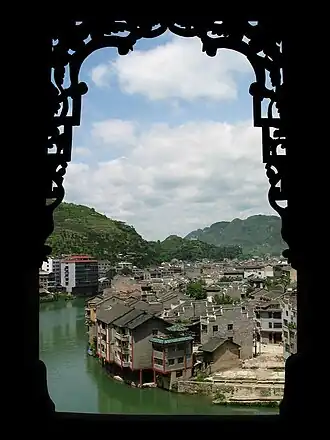
- Zhenyuan (120 km, 2.5 hr) — A historic riverside town with Ming and Qing architecture, a Tibetan Buddhist shrine, and boat cruises.
- Zhaoxing (200 km, 4 hr) — A large Dong village with five iconic wind-and-rain bridges and five drum towers.
Nearby in Guizhou Sheng
More places to explore around Xijiang.


Portions adapted from Wikivoyage, CC BY-SA 4.0.

Contact Us
Get in touch with us.
Get in touch
Contact Us
Tell us where you'd like to go and how you like to travel. A real Tripcuro planner — not a bot — will craft an itinerary around you.
- Personalised, hassle-free planning end-to-end
- Transparent pricing, no hidden costs
- 24/7 support for complete peace of mind