
North Central Province
Sri Lanka · Province · 15 destinations with guides
Photography coming soonWhy visit?
North Central Province is Sri Lanka's largest province by area and the undisputed heart of the island's "Cultural Triangle." This is the dry zone — a flat, sun-baked plain of scrub jungle, paddy land, and shimmering man-made lakes — where two of South Asia's great ancient civilisations rose and fell. The province takes in two administrative districts, Anuradhapura and Polonnaruwa, each named for a former royal capital.
What defines the province for travellers is the layering of history and landscape. Anuradhapura was the seat of power for more than a thousand years (the kingdom is conventionally dated 437 BCE–1017 CE), leaving behind colossal brick stupas, monastic ruins, and a sacred fig tree said to be among the oldest documented trees on earth. Polonnaruwa, the capital of a later kingdom (roughly 1070–1232 CE), is a more compact, walkable circuit of palaces, council chambers, and exquisite rock-cut Buddhas. Between and around the ruins lie the ancient irrigation tanks — vast reservoirs engineered well over a millennium ago and still in use.
Those same tanks make the province one of the best places in Asia to see wild Asian elephants. In the dry months, herds gather at the receding shores of Minneriya and Kaudulla reservoirs in a seasonal congregation often called "the Gathering." Add the towns of Habarana and Hingurakgoda as practical bases, and the province delivers temples, wildlife, and rural dry-zone scenery within short driving distances of one another.
When is the best time to visit?
The North Central dry zone has a climate quite different from Sri Lanka's hill country and southwest coast. It is hot year-round — daytime temperatures frequently reach the mid-30s Celsius — and noticeably drier than the rest of the island. The main rains arrive with the northeast monsoon, broadly from October to January, when the tanks fill and the countryside greens up.
The most rewarding window is the dry season, roughly May to September. This is also peak elephant-viewing time: as the tanks shrink, grass grows on the exposed lakebed and herds converge, with the famous Gathering at Minneriya typically strongest from around August to September. Sightseeing among the ruins is best done at dawn or in the late afternoon to avoid the fierce midday heat — bring a hat, water, and a sarong or scarf to cover shoulders and knees at the sacred sites.
The province's signature event is Poson Poya (the June full moon), which commemorates the introduction of Buddhism to Sri Lanka. Anuradhapura and the nearby hill of Mihintale become a focus of national pilgrimage, drawing huge crowds of white-clad devotees. It is an extraordinary spectacle but means crowded sites and scarce accommodation, so book well ahead.
Tell us your dates and we'll shape a North Central Province route around them.
WhatsAppHow do you get around?
Distances within the province are modest and the terrain is flat, which makes road travel straightforward. The principal hubs form a rough triangle: Anuradhapura to Polonnaruwa is about 100 km (roughly 2.5 hours by road), while Habarana sits centrally, about 25 km from Polonnaruwa and within easy reach of the national parks.
Rail serves Anuradhapura on the Northern Line from Colombo, and the Polonnaruwa area is reached via stations such as Gal Oya and Hingurakgoda — useful for arrivals but less practical for hopping between sights. Buses are frequent and very cheap, linking Anuradhapura, Habarana, and Polonnaruwa along the main highways, though they can be slow and crowded.
For actually touring the ruins and parks, most visitors hire a car with driver or use tuk-tuks for shorter trips; many travellers negotiate a half- or full-day tuk-tuk rate to cover the sights. Within the sprawling Anuradhapura sacred city, distances between stupas are too great to walk comfortably in the heat — renting a bicycle is a popular and pleasant alternative in the cooler hours. National park visits (Minneriya, Kaudulla) are done in 4x4 safari jeeps arranged through operators in Habarana.
Where should you go?
- Anuradhapura — the ancient capital and spiritual heart of the province; vast brick stupas, monastic ruins, and the sacred Sri Maha Bodhi tree.
- Polonnaruwa — a compact, well-preserved medieval royal city, ideal for a half-day cycling circuit past palaces and rock-carved Buddhas.
- Habarana — a central crossroads town and the practical base for elephant safaris and Cultural Triangle excursions.
- Minneriya National Park — the primary spot for dry-season elephant watching, famed for "the Gathering" around its ancient tank.
- Kaudulla National Park — a quieter alternative for elephants, about 20 km from Minneriya, often better when herds move on.
Want the scenic legs and stays booked for you? Just ask.
WhatsAppWhat should you eat?
North Central cooking is firmly dry-zone Sri Lankan: rice and curry built around what the tanks and paddy fields provide. Expect generous "rice and curry" spreads of red or white rice with several vegetable curries, dhal, sambols, and a fiery coconut-and-chilli relish. Freshwater fish from the great tanks is a regional staple — tilapia is widely farmed and served curried, fried, or in a tangy ambul thiyal style.
Look out for dry-zone vegetables and field crops: okra, snake gourd, ash plantain, and lotus root, alongside curries of jackfruit and local greens (mallung). Roadside stalls and small eateries around Anuradhapura and Polonnaruwa do excellent kottu (chopped flatbread stir-fried with vegetables, egg, or meat), hoppers and string hoppers for breakfast, and buffalo curd with treacle (kithul) for dessert — the curd from this part of the island has a strong local reputation.
Vegetarians are very well served: a standard rice-and-curry meal is largely plant-based, and Buddhist dietary norms mean meat-free food is everywhere. Alcohol is best avoided in and immediately around the sacred precincts out of respect.
What is the culture like?
The province's cultural identity is overwhelmingly Sinhalese Buddhist, and its calendar revolves around Poya (full-moon) observances.
- Poson Poya (June full moon) — the province's most important festival, marking the arrival of Buddhism in Sri Lanka. Anuradhapura and nearby Mihintale are the spiritual focus, with mass pilgrimage, lantern displays, and almsgiving stalls (dansala).
- Vesak (May full moon) — the island-wide celebration of the Buddha's birth, enlightenment, and passing; temples and homes are decorated with lanterns and oil lamps.
- Sinhala and Tamil New Year (mid-April) — a major rural celebration of customs, games, and special foods, vividly observed across the province's farming communities.
- Aluth Sahal Mangallaya (new-rice harvest festival) — a traditional thanksgiving for the first rice of the harvest, historically associated with the sacred city of Anuradhapura.
Local crafts reflect the dry-zone heritage: traditional pottery and clay work, woven mats and baskets, and devotional craft sold around the temple sites. The living tradition of the region, however, is less about performance arts than about pilgrimage and merit-making — the steady stream of white-clad worshippers at the great stupas is itself the province's defining cultural experience.
Travelling during a festival? We'll plan around the crowds.
WhatsAppWhat are the standout experiences?
- Anuradhapura's sacred city by bicycle at dawn — pedalling between the giant stupas of Ruwanwelisaya, Jetavanaramaya, and Abhayagiri in the soft early light, before the heat and crowds build, is the classic way to experience the ancient capital.
- Paying respects at the Sri Maha Bodhi — visiting the sacred fig tree at Anuradhapura, grown from a cutting of the tree under which the Buddha is said to have attained enlightenment and venerated for well over two thousand years.
- The Polonnaruwa circuit and Gal Vihara — a half-day among the medieval city's palaces and council chambers, culminating at Gal Vihara, where four serene Buddha images are carved directly from a single granite outcrop.
- The elephant "Gathering" at Minneriya — a dry-season jeep safari to watch dozens, sometimes hundreds, of wild elephants congregate on the grassy bed of the receding tank, one of Asia's great wildlife spectacles.
- A quieter safari at Kaudulla — when herds shift away from Minneriya, the less-visited Kaudulla National Park offers elephant encounters with far fewer jeeps, paired with rich birdlife around its own ancient reservoir.
Top Destinations
Every destination in North Central Province with a guide — tap a place for the full guide.

Anuradhapura
Anuradhapura is Sri Lanka's most ancient city and the cradle of the…
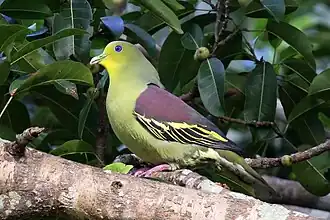
Kaudulla National Park
Kaudulla National Park is a wildlife reserve in the North Central…
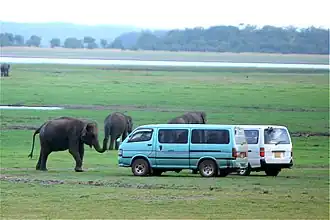
Minneriya National Park
Minneriya National Park is one of Sri Lanka's premier wildlife…
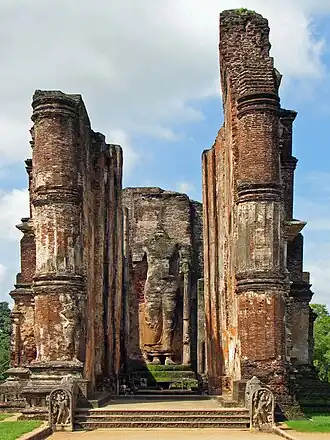
Polonnaruwa
Polonnaruwa is the second of Sri Lanka's great ancient capitals, and…
Eppawala
Eppawala is a town in the Anuradhapura District of North Central…
Galenbindunuwewa
Galenbindunuwewa is a town in the Anuradhapura District of North…
Giritale
Giritale is a town in the Polonnaruwa District of North Central…
Habarana
Habarana is a small town in Sri Lanka's North Central Province that…
Hingurakgoda
Hingurakgoda is a town in the Polonnaruwa District of North Central…
Hurulu Eco Park
Hurulu Eco Park is a protected area in the Anuradhapura District of…
Kekirawa
Kekirawa is a town in the Anuradhapura District of North Central…
Medawachchiya
Medawachchiya is a town in the Anuradhapura District of North Central…
Mihintale
Mihintale (Sinhala: මිහින්තලේ, Tamil: மிகிந்தலை) is a historic…
Nochchiyagama
Nochchiyagama is a town in the Anuradhapura District of North Central…
Thambuttegama
Thambuttegama is a town in the Anuradhapura District of North Central…
Pair the highlights of North Central Province into one easy trip — we'll plan the route.
WhatsApp
Contact Us
Get in touch with us.
Get in touch
Contact Us
Tell us where you'd like to go and how you like to travel. A real Tripcuro planner — not a bot — will craft an itinerary around you.
- Personalised, hassle-free planning end-to-end
- Transparent pricing, no hidden costs
- 24/7 support for complete peace of mind