
Anju
Phyeongannamto, North Korea
Why visit Anju?
Anju is an industrial city in the northwest of South Pyongan Province, set on the lower Chongchon River close to where it meets the Yellow Sea. It is one of the province's larger urban centres and grew through the 20th century around coal mining and heavy industry; the surrounding district contains significant coalfields, and the city has been associated with mining, chemicals, and textiles. Its position on the river plain places it amid some of the more fertile farming country of the province.
The Anju area carries historic weight as well. The lower Chongchon valley was the scene of major battles in Korean history, and the river itself has long been a strategic line across the western lowlands. The city stands on the main railway and road corridor running northwest from Pyongyang toward Sinuiju and the Chinese border, which has always made it an important transit point.
For travellers, Anju is not a standard tourist destination and rarely features on itineraries; it is an industrial and agricultural city rather than a sightseeing centre. Its interest is in seeing working, provincial North Korea away from the capital. Any visit must be arranged through an authorised tour operator with guides. The mild weather of spring and autumn is the most comfortable time; summers are hot and humid with monsoon flooding a risk on the low river plain, and winters cold and dry.
Planning Anju? Tell us your dates and we’ll tailor the trip.
Ask on WhatsAppHow do you get there?
By Plane
The nearest airport is Pyongyang Sunan International Airport (FNJ), roughly 70 km southeast of Anju. All transfers are arranged by the tour operator using a chartered vehicle with guides. There is no airport bus or taxi service available to tourists.
By Train
Anju lies on the main railway line running northwest from Pyongyang toward Sinuiju, and is a stop on this trunk corridor. Tourists do not book or board trains independently — any rail travel is arranged through the tour operator.
By Car / Road
Anju is reached on a guided tour by chartered bus or car. It lies about 70 km northwest of Pyongyang along the main highway toward the Chinese border, a drive of roughly one and a half to two hours. Road quality on the main route is variable. Independent driving and taxi hire are not available to visitors.
Within Anju, all tourist movement is by the chartered tour vehicle accompanied by guides; independent use of local transport is not permitted. The city is compact, with sites a short drive apart. There are no fares, ride-hailing apps, or scams to be concerned about, but visitors must remain with their group and follow the guides' instructions on where they may go and what may be photographed — industrial and mining facilities are sensitive.
What are the things to do?
Chongchon River — The broad river on which the city sits, a notable feature of the landscape and historically a strategic crossing point.
City centre — The civic squares and avenues typical of an industrial North Korean city.
See industrial North Korea — Anju offers a view of a working coal-mining and industrial city, away from the capital's showcase.
Travel the northwest corridor — The city is a natural stop for travellers on the road or rail route toward Sinuiju and the Chinese border.
Planning Anju? Want these on a customised itinerary?
Ask on WhatsAppWhere to eat?
Dining options for visitors are limited and arranged by the tour operator at designated restaurants and hotels, generally serving multi-course set Korean meals.
- Budget / casual — Hotel canteens and state restaurants serving rice-based Korean meals with side dishes.
- Mid-range — Provincial state restaurants offering set menus of regional Pyongan cooking, including cold buckwheat noodles; fish from the nearby coast may feature.
- Upscale — Choice is limited; the best meals are usually taken in Pyongyang.
Vegetarian and special diets are difficult to accommodate and should be flagged to the tour operator in advance.
Where to drink?
Nationally produced Taedonggang beer is the most common drink, served at hotels and restaurants, along with soju and other Korean spirits. Tap water is not safe to drink — use bottled water, which tour operators supply.
Planning Anju? We’ll book the stays and dining for you.
Ask on WhatsAppWhere to stay?
Accommodation in Anju is limited, and most tours visiting the area base themselves in Pyongyang.
- Budget: Lower-tier provincial state lodging is used on some itineraries.
- Mid-range: A provincial hotel in Anju may be used when an overnight stay is arranged.
- Upscale / heritage: There is no significant upscale accommodation in Anju; the Yanggakdo International and Koryo hotels in Pyongyang are the usual choices.
What should you buy?
Tourist shopping in Anju is limited to state stores and any department store the guides may include, where goods are sold at fixed prices in hard currency; bargaining is not practised.
Where to go next?
- Pyongsong (about 60 km) — The provincial capital and a planned science and education city.
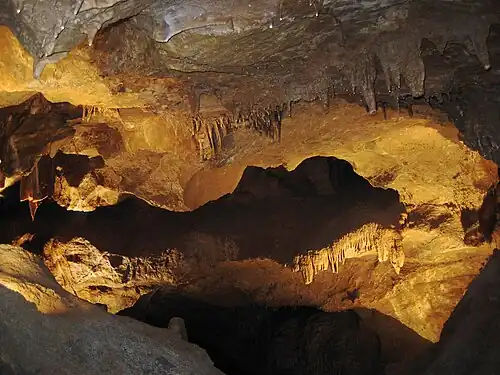
- Kaechon (about 30 km) — An industrial city with the multi-chambered Songam Cavern.
- Sinuiju (about 130 km) — The main border city facing Dandong in China.
- Pyongyang (about 70 km, around 1.5–2 hours) — The capital and base for most tours.
- Mount Myohyang (about 90 km) — A scenic mountain area with hiking, temples, and the International Friendship Exhibition.
Nearby in Phyeongannamto
More places to explore around Anju.
Guide content as of May 2026. Portions adapted from Wikivoyage, CC BY-SA 4.0.

Contact Us
Get in touch with us.
Get in touch
Contact Us
Tell us where you'd like to go and how you like to travel. A real Tripcuro planner — not a bot — will craft an itinerary around you.
- Personalised, hassle-free planning end-to-end
- Transparent pricing, no hidden costs
- 24/7 support for complete peace of mind