
Tateyama
Toyama, Japan
About Tateyama
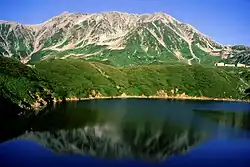
Tateyama (立山) — Mount Tate — is one of Japan's great sacred peaks, rising to 3,015 m in the Northern Japan Alps of Toyama Prefecture. It is counted among both Japan's Three Famous Mountains and Japan's Three Holy Mountains, alongside Mount Fuji, and has been a site of pilgrimage and mountain worship for centuries. The name "Tateyama" refers both to the mountain itself and, loosely, to the surrounding alpine area at the western end of the celebrated Tateyama Kurobe Alpine Route.
Most travellers experience Tateyama as a day expedition from the city of Toyama: a journey up through forest and highland to the dramatic crater-lake plateau at Murodō, with the option of climbing one of the triple peaks. The most popular ascent is the peak named Oyama, from which, on a clear day, it is even possible to glimpse Mount Fuji far to the southeast.
At high altitude this is cold, mountain terrain — even midsummer temperatures up top stay low, and snow lingers well into the warmer months. The accessible season runs roughly from mid-April to November, with the highland transport closed in deep winter. Always check the weather forecast before setting out, and start early.
Planning Tateyama? Tell us your dates and we’ll tailor the trip.
Ask on WhatsAppHow to reach
By Plane
The nearest airport is Toyama Airport (TOY), serving the wider prefecture. From there, travel to the city of Toyama to begin the journey up the mountain.
By Train
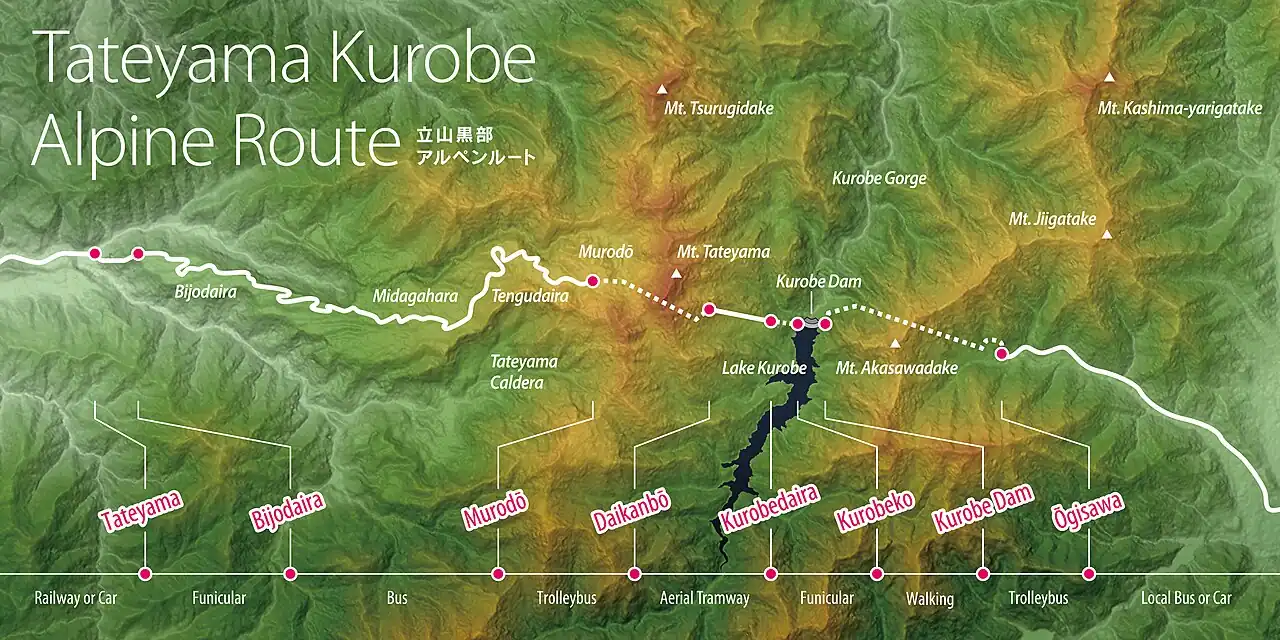
Toyama is the popular starting point for day expeditions to Tateyama. Return tickets are sold at Dentetsu Toyama Station (next to JR Toyama Station) for around ¥5,000. The journey is roughly one hour by train (Toyama Chihō Railway), then a transfer to the Bijodaira cable car (funicular), followed by a 50-minute highland bus to Murodō. An early start is strongly advised.
By Car / Road
Private cars cannot cross the mountain — vehicles are not permitted on the Alpine Route. Drive as far as the Tateyama terminus, where you transfer to the cable car. Tateyama Traffic can deliver a car to the far end of the route, but only via a long ~200 km detour at considerable cost.
There is no road over the mountain. Movement up Tateyama is entirely by the staged TKK transport chain — the Tateyama Cable Car from Tateyama to Bijodaira, then the highland bus to Murodō at 2,450 m. From Murodō, travel is on foot: the crater-lake plateau and the climbs themselves are reached by hiking trails. There are no taxis, ride-hailing apps or scams to worry about — the practical concerns here are weather, footwear and pacing rather than transport hustles.
Things to do
- Murodō plateau and crater lake — The high plateau at around 2,450 m is the natural base for exploring. Take in the volcanic crater lake (Mikuriga-ike) before beginning any ascent; the lake and surrounding alpine scenery are spectacular in their own right.
- Oyama peak — The most popular of Tateyama's triple peaks to climb. The summit offers sweeping views and, in clear conditions, a distant glimpse of Mount Fuji.
The headline activity is mountain hiking. From Murodō, the climb to the peaks — especially Oyama — is the classic Tateyama experience, though it can be challenging for the inexperienced; sturdy footwear, warm layers and an early start are essential. Easier walks circle the Murodō plateau and its crater lakes for those not aiming for the summits. Beyond the climb, Tateyama is also the western anchor of the Tateyama Kurobe Alpine Route, the full high-mountain crossing to Nagano.
Planning Tateyama? Want these on a customised itinerary?
Ask on WhatsAppFood & Dining
Food options on the mountain are confined to the facilities at Murodō and at transfer points along the route, typically offering simple Japanese fare — noodles, curry rice and similar — at altitude-inflated prices. There are no street-food stalls or restaurant districts up the mountain; eat a proper meal in Toyama before the climb or carry your own provisions.
Cafes & Nightlife
Mountain lodges and rest houses at Murodō sell hot and cold drinks. There are no bars or cafés in any conventional sense at altitude. Carry plenty of water for the climb; refill where facilities allow.
Planning Tateyama? We’ll book the stays and dining for you.
Ask on WhatsAppPlaces to Stay
- Budget — Mountain huts and lodges around Murodō offer the most accessible high-altitude stays; most operate only during the open season.
- Mid-range — Lodges at Murodō and the Tateyama transfer points provide simple mid-priced rooms, often with meals included.
- Upscale / heritage — Higher-comfort accommodation is limited on the mountain; many visitors day-trip from Toyama or stay in town.
What to buy
Souvenirs are limited on the mountain itself. Mountain lodges and the Murodō facilities sell basic snacks, drinks and small mementos; for a fuller range of Toyama crafts and local goods, shop in the city of Toyama. Bargaining is not customary in Japan.
Go next
- Tateyama Kurobe Alpine Route — The full high-mountain sightseeing crossing from Tateyama to Nagano, with the famous spring snow walls.
- Kurobe — Down the valley toward the dramatic Kurobe Gorge and dam country.
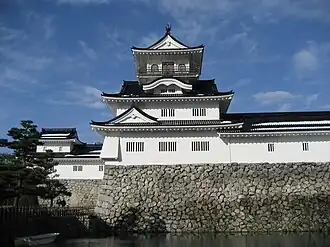
- Toyama (about 1 hour) — The prefectural capital and main base, with castle, canal park and glass-art museum.
- Murodō — The plateau hub itself, worth lingering at for its lakes and alpine walks.
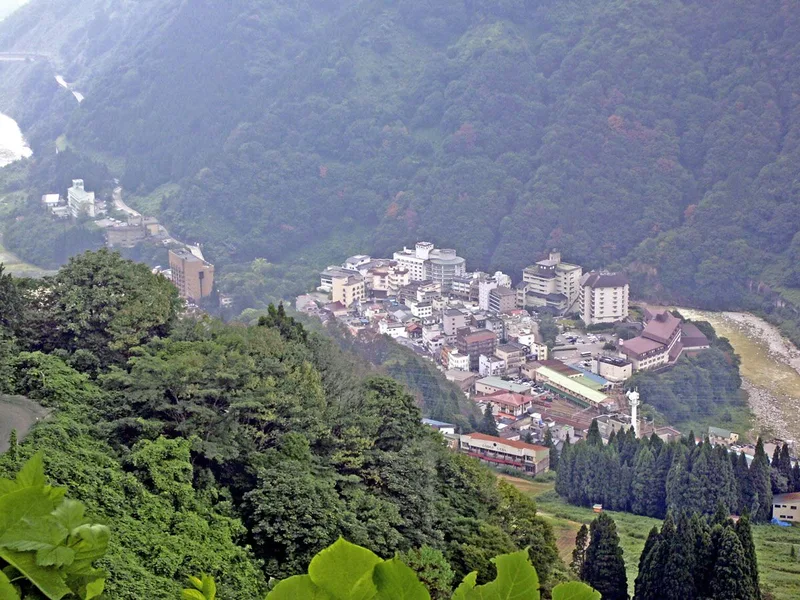
- Unazuki Onsen — A hot-spring town and gateway to the Kurobe Gorge Railway, ideal for soaking after the climb.
Nearby in Toyama
More places to explore around Tateyama.

Portions adapted from Wikivoyage, CC BY-SA 4.0.

Contact Us
Get in touch with us.
Get in touch
Contact Us
Tell us where you'd like to go and how you like to travel. A real Tripcuro planner — not a bot — will craft an itinerary around you.
- Personalised, hassle-free planning end-to-end
- Transparent pricing, no hidden costs
- 24/7 support for complete peace of mind