
Ueno
Tokyo, Japan
Why visit Ueno?
Ueno (上野) is a district in Tokyo's Taitō ward, on the northeastern side of the city centre, best known as the capital's foremost concentration of museums and as the home of Ueno Park. While other Tokyo neighbourhoods chase fashion and nightlife, Ueno is the city's cultural and green-space anchor — a place to spend a day among art, science, history and animals rather than shopping malls.
The district divides loosely into two characters. To the west of Ueno Station lies Ueno Park (Ueno Onshi Kōen), a large public park crowded with major institutions, a zoo and a pond. To the south and east, around the station and toward Okachimachi, is Ameyoko, a famously chaotic open-air market street descended from a post-war black market, plus a dense web of cheap restaurants and shops. Ueno is also a major transport gateway to northern Japan.
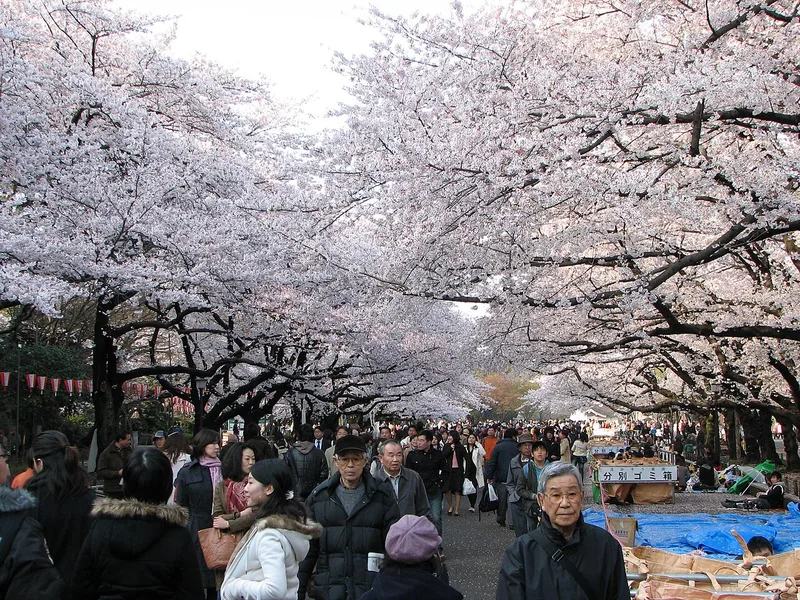
Ueno shares Tokyo's humid subtropical climate: mild winters, hot and humid summers, a rainy season from June into early July, and a typhoon risk in September. Spring is the marquee season — Ueno Park is one of Tokyo's most celebrated and most crowded cherry-blossom spots — and autumn is pleasant and clear.
Planning Ueno? Tell us your dates and we’ll tailor the trip.
Ask on WhatsAppHow do you get there?
By Plane
From Narita Airport (NRT), the Keisei Skyliner runs directly to Keisei Ueno Station in about 45 minutes for around ¥2,570; regular Keisei limited express trains are slower but cheaper. From Haneda Airport (HND), take Keikyu and connecting lines toward central Tokyo and transfer to the JR Yamanote Line for Ueno.
By Train
Ueno is a major rail hub. JR Ueno Station is on the Yamanote, Keihin-Tōhoku, Utsunomiya, Takasaki and Jōban lines, and is a stop for shinkansen services heading north (Tōhoku, Hokuriku and other lines). The Tokyo Metro Ginza and Hibiya lines serve Ueno Station, and Keisei Ueno Station — terminus of the Keisei main line and Skyliner from Narita — is a short walk away. Trains from across Tokyo and to northern Japan are frequent.
By Car / Road
Ueno is reached via Tokyo's expressway network, but driving in is impractical given congestion and parking costs. Highway buses serving northern destinations may stop nearby.
Ueno is compact and best explored on foot — the park, museums and Ameyoko are all within easy walking distance of the station. The Ginza and Hibiya subway lines cover longer trips, with fares from about ¥180; IC cards (Suica, PASMO) are simplest. Taxis are available at the station. There are no tuk-tuks, and no significant tourist scams, though Ameyoko's crowds make it a place to mind your belongings.
What are the things to do?
Museums (in and around Ueno Park)
- Tokyo National Museum (東京国立博物館) — Japan's oldest and largest museum, with the country's most important collection of Japanese art and antiquities.
- National Museum of Nature and Science (国立科学博物館) — Wide-ranging natural-history and science exhibits; this museum holds the preserved remains of the famous loyal dog Hachikō.
- National Museum of Western Art (国立西洋美術館) — European art in a building designed by Le Corbusier, inscribed on the UNESCO World Heritage List.
- Tokyo Metropolitan Art Museum and the Ueno Royal Museum — Major venues for changing art exhibitions.
Park, temple and zoo
Ueno Park — A large public park, the setting for the museums and a premier cherry-blossom destination.
Shinobazu Pond — A large pond within the park, partly covered in lotus, with the Bentendō temple on a small island.
Ueno Zoo (恩賜上野動物園) — Japan's oldest zoo, opened in 1882, long famous for its giant pandas.
Tōshōgū Shrine — An ornate, gold-leafed Edo-period shrine within the park.
Spend a museum day — Ueno Park's cluster of national museums can fill an entire day; consider a combined ticket if visiting several.
See the cherry blossoms — In spring, hanami picnics under the park's trees are a quintessential Tokyo experience.
Browse Ameyoko — Wander the lively market street for the sensory experience as much as the shopping.
Visit the zoo — A reliable family outing, especially for the pandas.
Walk around Shinobazu Pond — A relaxed loop, with rowing boats available in the warmer months.
Planning Ueno? Want these on a customised itinerary?
Ask on WhatsAppWhere to eat?
Ueno's dining is hearty and affordable, with a dense concentration of cheap eateries around Ameyoko and the station. The market area is a good place for fresh seafood and casual bowls; standing bars and izakaya under the railway arches serve grilled skewers and quick meals. The district is also known for tonkatsu (breaded pork cutlet), with several long-established cutlet houses in the area.
Where to drink?
The arches and lanes around Ameyoko hold lively standing bars and izakaya that get going from late afternoon, making Ueno a good-value spot for an unpretentious evening drink with beer and sake. Cafés cluster around the station and the park edges. Tap water across Tokyo is safe to drink.
Planning Ueno? We’ll book the stays and dining for you.
Ask on WhatsAppWhere to stay?
- Budget — Ueno and the nearby districts have many hostels and budget business hotels, with beds from roughly ¥3,000–6,000.
- Mid-range — Numerous business hotels around Ueno Station, typically ¥10,000–20,000 per night.
- Upscale — Higher-end options are fewer in Ueno itself than in central Tokyo; comfortable upper-tier hotels are within easy reach.
What should you buy?
Ameyoko (アメ横) is Ueno's shopping signature — a bustling open-air market strip running along and beneath the JR tracks between Ueno and Okachimachi stations. Stalls sell fresh seafood and produce, dried snacks, confectionery, clothing, cosmetics and discount goods, and it is one of the few places in Tokyo where good-natured haggling is sometimes possible, particularly toward closing time. Department stores and electronics shops cluster around the station for more conventional shopping.
Where to go next?
- Asakusa — A short ride on the Ginza line, home to Sensō-ji temple.
- Akihabara — One JR stop south, Tokyo's "Electric Town" and anime hub.
- Yanaka — Just northwest, an atmospheric old neighbourhood that survived the war and earthquakes.
- Tokyo Skytree — A short hop east, the city's tallest tower.
- Nikkō — About two hours north, with grand shrines and a national park, easily reached from Ueno.
- Ginza — A direct subway ride south, the luxury shopping district.
Nearby in Tokyo
More places to explore around Ueno.

Guide content as of May 2026. Portions adapted from Wikivoyage, CC BY-SA 4.0.

Contact Us
Get in touch with us.
Get in touch
Contact Us
Tell us where you'd like to go and how you like to travel. A real Tripcuro planner — not a bot — will craft an itinerary around you.
- Personalised, hassle-free planning end-to-end
- Transparent pricing, no hidden costs
- 24/7 support for complete peace of mind