
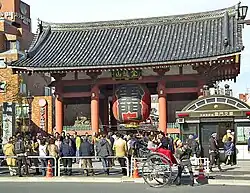
Asakusa
Tokyo, Japan
Why visit Asakusa?
Asakusa (浅草) is a low-lying district in Tokyo's eastern Taitō Ward along the west bank of the Sumida River. The district developed around Sensō-ji, a Buddhist temple founded in 645 AD. During the Edo period (1603–1867), Asakusa grew into Tokyo's primary entertainment quarter. Rice merchants from the nearby Kuramae storehouses spent their profits here, patronizing kabuki theaters and visiting the nearby Yoshiwara red-light district. In the late 19th and early 20th centuries, the district pioneered Western-style theater, movie halls, and Japan's first amusement park in the Rokku entertainment zone.
Air raids in 1945 destroyed most of Asakusa's historic timber structures. Reconstruction after World War II rebuilt Sensō-ji's main hall and pagoda out of reinforced concrete. Although Tokyo's commercial and nightlife centers shifted west to Shinjuku and Shibuya during the post-war boom, Asakusa retained its identity as the center of shitamachi (traditional downtown) culture. Today, visitors travel here for its temple architecture, historic shopping arcades, traditional crafts along Kappabashi Street, and direct boat access along the Sumida River.
Asakusa has a humid subtropical climate (Cfa). Summers from June to August are hot and muggy, with daily temperatures averaging 26°C to 34°C (79°F–93°F) and high humidity during the mid-summer tsuyu rainy season. Winters from December to February are cold and mostly dry, ranging between 2°C and 10°C (36°F–50°F), with rare snowfall. Spring (March to May) and autumn (September to November) feature moderate temperatures between 14°C and 22°C (57°F–72°F). Annual rainfall totals approximately 1,500 mm (59 inches), peaking during June downpours and September typhoons.
Planning Asakusa? Tell us your dates and we’ll tailor the trip.
Ask on WhatsAppWhat are the things to do?
Sensō-ji Temple: Tokyo's oldest Buddhist temple, dedicated to the Bodhisattva Kannon and built in 645 AD. The site includes the Kaminarimon (Thunder Gate) with its 700 kg red lantern, the Hōzōmon Gate, a five-story pagoda (Gojūnotō), and the main hall (Kannondō).
- Entry Fee: Free entry to grounds and main hall. Main hall open 06:00–17:00 (06:30–17:00 Oct–Mar); grounds open 24 hours.
Asakusa Shrine (Asakusa Jinja): Shinto shrine located directly east of Sensō-ji, built in 1649 by order of Shogun Tokugawa Iemitsu to honor the three founders of Sensō-ji. Serves as the center for the annual Sanja Matsuri festival.
- Entry Fee: Free. Open 24 hours.
Asakusa Culture Tourist Information Center: An eight-story wood-and-glass building designed by architect Kengo Kuma, housing tourist assistance desks, currency exchange, and an outdoor 8th-floor observation deck with views over Sensō-ji and Tokyo Skytree.
- Entry Fee: Free. Open 09:00–20:00 (Observation deck open until 22:00).
Hanayashiki Amusement Park: Operating since 1853, Japan's oldest amusement park features vintage rides, including a 1953 steel roller coaster, retro carnival games, and a drop tower beside the temple grounds.
- Entry Fee: Adult admission (ages 12–64) ¥1,600 (
$10.60 USD); children (ages 5–11) and seniors (65+) ¥800 ($5.30 USD); ride passes ¥3,000 (~$20.00 USD) extra. Open 10:00–18:00.
- Entry Fee: Adult admission (ages 12–64) ¥1,600 (
Dembō-in Temple Gardens: The private residence and garden of Sensō-ji's head abbot, featuring a 17th-century Japanese stroll garden around a central pond.
- Entry Fee: Closed to the public most of the year; opens during special spring exhibitions (typically late March to early May) for ¥300–¥500 (~$2.00–$3.30 USD).
Kappabashi Kitchenware Street (Kappabashi Dōgugai): A 800-meter wholesale street between Asakusa and Ueno lined with over 170 shops selling restaurant supplies, chef knives, Japanese ceramics, and hand-crafted wax/plastic food models (sampuru).
- Entry Fee: Free. Most shops open 09:00–17:00 Monday–Saturday (many closed Sundays).
Sumida Park & Azuma Bridge: Waterfront park stretching along both sides of the Sumida River, offering cherry blossom paths in spring, views of Tokyo Skytree, and access to the iconic red-painted Azuma Bridge.
- Entry Fee: Free. Open 24 hours.
Walk the Nakamise-dōri Shopping Arcade: Stroll down the 250-meter paved approach leading from Kaminarimon Gate to Sensō-ji, lined with 89 small shops selling freshly baked senbei (rice crackers), kaminari-okoshi (puffed rice candy), folded fans, and crafts (Open daily roughly 09:00–18:00).
Cruise the Sumida River: Board a Tokyo Cruise water bus from Asakusa Pier, passing under 12 bridges en route to Odaiba Seaside Park or the traditional landscape gardens at Hama-rikyū (Fares ¥1,040–¥2,200 / ~$6.90–$14.60 USD).
Rent a Kimono: Dress in traditional Japanese attire at local rental shops like Kimono Rental VASARA or Yae, which supply kimono, geta sandals, and hair styling for walks through the temple precinct (Packages cost ¥3,500–¥7,000 / ~$23–$46 USD per day).
Take a Rickshaw Tour: Hire a uniformed rickshaw driver outside Kaminarimon for a guided ride through quiet side streets, past historic kabuki sites and traditional craft workshops (¥4,000–¥9,000 / ~$26.50–$60 USD per vehicle).
Sample Craft Beer along Hoppy Street: Visit the open-air drinking alley Hoppy Dōri west of Sensō-ji, famous for casual daytime drinking of Hoppy (a low-alcohol malt beverage mixed with shochu) served with stewed beef tendinous stew (gyū-suji nikomi) (Stews ¥500–¥800 / ~$3.30–$5.30 USD).
Planning Asakusa? Want these on a customised itinerary?
Ask on WhatsAppWhere to eat?
- Kagetsudō (Asakusa 2-7-13) — Famous bakery operating since 1945, known for its extra-large, slow-fermented melonpan (sweet bread with a crispy crust) served warm or filled with soft-serve ice cream. Cuisine: Bakery / Sweet Snacks. Price: Budget (¥280–¥600 / ~$1.85–$4.00 USD per item).
- Daikokuya Tempura (Asakusa 1-38-10) — Established in 1887, this traditional restaurant serves dark Edomae-style tendon (tempura rice bowls topped with prawns and mixed seafood fried in sesame oil and drizzled with soy glaze). Cuisine: Tempura / Japanese. Price: Mid-range (¥1,750–¥2,500 / ~$11.60–$16.60 USD per bowl).
- Komagata Dozeu (Komagata 1-7-12) — In continuous operation since 1801, serving Edo-style loach hotpot (dojō nabe) cooked over charcoal braziers with sliced green onions and sweet sake soy broth on low wooden floor tables. Cuisine: Traditional Edo / Hotpot. Price: Mid-range to Upscale (¥3,300–¥6,000 / ~$22–$40 USD per person).
- Asakusa Unatoto (Asakusa 1-1-7) — Casual eatery near Asakusa Station serving charcoal-grilled Japanese freshwater eel (unagi) over rice at accessible prices. Cuisine: Unagi / Japanese. Price: Budget (¥600–¥1,200 / ~$4.00–$8.00 USD per bowl).
- Asakusa Imahan (Nishi-Asakusa 3-1-12) — Founded in 1895, a premier venue for high-grade Kuroge Wagyu beef sukiyaki and shabu-shabu served in private tatami rooms. Cuisine: Sukiyaki / Kaiseki. Price: Upscale (Lunch sets ¥2,200–¥4,500 / ~$14.60–$30 USD; Dinner courses ¥9,680–¥18,000 / ~$64–$120 USD).
Planning Asakusa? We’ll book the stays and dining for you.
Ask on WhatsAppWhere to stay?
- Budget:
- Nui. Hostel & Bar Lounge (Kuramae 2-14-13 / 800m south of Asakusa Station) — Renovated warehouse hostel featuring custom timber dorm beds, a lively ground-floor cafe and bar, and shared kitchen facilities. Nightly rates: Dorm beds ¥3,500–¥5,500 (~$23–$36 USD /
₹1,950–₹3,000); private rooms ¥9,000–¥14,000 ($60–$93 USD / ~₹5,000–₹7,800). - Nine Hours Asakusa (Asakusa 2-6-15) — Modern capsule hotel near Sensō-ji offering minimalist sleeping pods, lounge areas, and high-speed Wi-Fi. Nightly rates: ¥3,500–¥6,500 (~$23–$43 USD / ~₹1,950–₹3,600).
- Nui. Hostel & Bar Lounge (Kuramae 2-14-13 / 800m south of Asakusa Station) — Renovated warehouse hostel featuring custom timber dorm beds, a lively ground-floor cafe and bar, and shared kitchen facilities. Nightly rates: Dorm beds ¥3,500–¥5,500 (~$23–$36 USD /
- Mid-Range:
- Richmond Hotel Premier Asakusa International (Asakusa 2-6-7) — Modern hotel located opposite Hanayashiki, offering western rooms with views of Sensō-ji, free Wi-Fi, and breakfast buffet. Nightly rates: ¥14,000–¥26,000 (~$93–$173 USD / ~₹7,800–₹14,500).
- The Gate Hotel Asakusa Kaminarimon by Hulic (Kaminarimon 2-16-11) — Boutique hotel steps from Kaminarimon Gate, featuring an open-air 13th-floor terrace and bar with direct views of Tokyo Skytree. Nightly rates: ¥16,000–¥30,000 (~$106–$200 USD / ~₹8,900–₹16,800).
- Upscale:
- Asakusa View Hotel (Nishi-Asakusa 3-17-1) — 28-story landmark tower hotel connected to Tsukuba Express Asakusa Station, offering panoramic views of Sensō-ji and Tokyo Skytree, multiple restaurants, and an indoor swimming pool. Nightly rates: ¥22,000–¥45,000 (~$146–$300 USD / ~₹12,300–₹25,000).
- Prostyle Ryokan Tokyo Asakusa (Hanakawado 2-12-11) — Boutique urban ryokan featuring tatami mat flooring, low wooden beds, open-air balcony baths, and traditional Japanese breakfast. Nightly rates: ¥28,000–¥55,000 (~$186–$366 USD / ~₹15,600–₹30,700).
Where to go next?
- Tokyo Skytree Town (Oshiage): 1.5 km (0.9 miles) east across the Sumida River (3 minutes by Toei Asakusa Line or 15 minutes walk across the Sumida River Walk bridge). Home to Japan's tallest structure (634m tower), the Solamachi shopping center, and the Sumida Aquarium.
- Ueno: 2 km (1.2 miles) west (5 minutes on the Tokyo Metro Ginza Line). Cultural park district containing Ueno Park, the Tokyo National Museum, Ueno Zoo, and the Ameyoko outdoor market street.
- Akihabara: 2.5 km (1.5 miles) southwest (5 minutes via the Tsukuba Express from TX Asakusa Station). Major shopping district for consumer electronics, computer hardware, manga, video games, and anime culture.
- Ryōgoku: 2 km (1.2 miles) south along the Sumida River (10 minutes by Toei Bus or 20 minutes walk). The center of professional Sumo wrestling, housing the Ryōgoku Kokugikan arena, the Edo-Tokyo Museum (when open), and sumo stable dining spots.
- Nikkō: 140 km (87 miles) north (1 hour 50 minutes via Tobu Railway Limited Express Spacia or Revaty from Tobu Asakusa Station). Mountain town in Tochigi Prefecture famous for the UNESCO-listed Nikkō Tōshō-gū Shrine, Lake Chūzenji, and Kegon Falls.
Sample itinerary
Asakusa features in a real Tripcuro trip — see the full day-by-day plan.
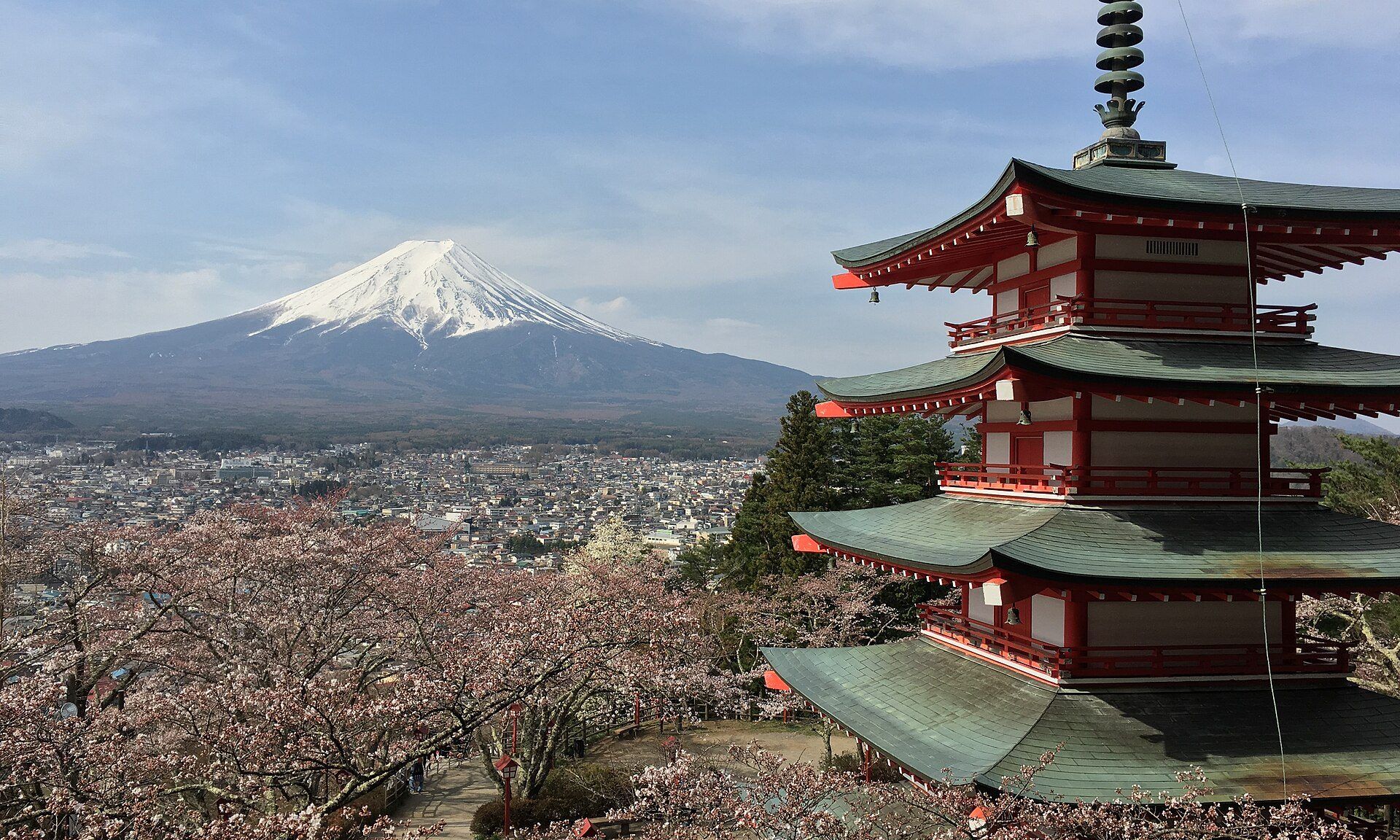
Nearby in Tokyo
More places to explore around Asakusa.
Guide content as of May 2026. Portions adapted from Wikivoyage, CC BY-SA 4.0.

Contact Us
Get in touch with us.
Get in touch
Contact Us
Tell us where you'd like to go and how you like to travel. A real Tripcuro planner — not a bot — will craft an itinerary around you.
- Personalised, hassle-free planning end-to-end
- Transparent pricing, no hidden costs
- 24/7 support for complete peace of mind