
Saitama
Japan · Prefecture · 13 destinations with guides
Photography coming soonWhy visit?
Saitama Prefecture (埼玉県, Saitama-ken) sits directly north of Tokyo in the Kanto region, serving as the capital's sprawling commuter belt and, often unfairly, its punching bag. Tokyoites joke about Dasai-tama ("Uncool-Tama"), and the prefecture's reputation as a bland dormitory is not entirely undeserved — much of southern Saitama is a continuous urban landscape of housing developments and shopping malls. But beyond the suburbs, Saitama offers surprisingly rich rewards for the curious day-tripper.
The prefecture divides into two distinct halves. Southern Saitama is flat, urban, and densely populated — the cities of Saitama (the prefectural capital, formed from the merger of four cities including Urawa in 2001), Kawaguchi, Koshigaya, and Soka form an unbroken metropolitan sprawl with Tokyo. Northern Saitama, by contrast, opens into rolling hills, river valleys, and forested mountains. The Chichibu region in the west and the Nagatoro gorge in the north are genuinely scenic areas that feel worlds removed from the Tokyo conurbation, with dramatic rock formations along the Arakawa River, ancient pilgrimage temples, and the forests of Chichibu-Tama-Kai National Park.
The prefecture's major claim to cultural fame is its railway heritage — Omiya is Japan's foremost Shinkansen hub and home to the spectacular Railway Museum — and its position as the "Bonsai Capital of the World," with the Omiya Bonsai Village nurseries relocated here after the 1923 Great Kanto Earthquake.
When is the best time to visit?
Saitama has a humid subtropical climate similar to Tokyo. Summers (June–August) are hot and humid, with temperatures reaching 32–35°C and a rainy season (tsuyu) in June–July. Winters (December–February) are cold but generally dry, around 1–10°C, with occasional snowfall in the mountainous north.
The best times to visit are:
- Late March to mid-April: Cherry blossom season — Omiya Park and Kawagoe's warehouse district are particularly beautiful.
- Mid-November: Autumn foliage peaks in the Chichibu mountains and along the Arakawa River gorge at Nagatoro.
- Early December: The Chichibu Night Festival (December 2–3), one of Japan's top three float festivals, features elaborate illuminated floats and fireworks.
- Early April: Chichibu's Shibazakura (moss phlox) festival at Hitsujiyama Park, with vast carpets of pink flowers.
- August: Fireworks festivals across the prefecture, including the Kumagaya Fireworks Festival (one of Kanto's largest).
Avoid July–August if you dislike heat and humidity. The mountainous Chichibu area is noticeably cooler than the plains.
Tell us your dates and we'll shape a Saitama route around them.
WhatsAppHow do you get around?
Saitama's southern half is seamlessly integrated into Tokyo's rail network:
- Ōmiya Station (大宮駅): The prefecture's main hub and a major Shinkansen station (Tohoku, Joetsu, Hokuriku lines). Connected to Tokyo in 25 min by Shinkansen (¥2,800 reserved, ¥1,580 non-reserved) or by JR Tohoku/Takasaki line local trains in 25 min (¥450). The Saikyo and Shonan-Shinjuku lines connect to Ikebukuro (25–35 min, ¥380), Shinjuku (30–40 min, ¥450), and Shibuya (30–40 min, ¥540).
- JR lines: The Keihin-Tohoku Line, Saikyo Line, Kawagoe Line, and Tobu Urban Park Line connect most prefectural cities.
- Tobu lines: The Tobu Tojo Line serves the western corridor (Ikebukuro to Kawagoe, 45 min). The Tobu Skytree Line serves the eastern corridor (to Kasukabe, Koshigaya).
- Chichibu Railway: Runs from Kumagaya to Chichibu (60 min, ¥770) and onward to Mitsumineguchi, serving the mountainous interior.
- Seibu lines: The Seibu Ikebukuro and Shinjuku lines serve Tokorozawa and Hanno in the southwest.
- Car rental: Essential for exploring the mountainous northern and western areas. Available at major stations.
- Buses: Local buses connect train stations to rural areas, but service can be infrequent outside peak hours.
Where should you go?
- Saitama: The prefectural capital, home to the Railway Museum, Omiya Bonsai Village, Hikawa Shrine, and the Saitama Super Arena.
- Kawagoe: A beautifully preserved Edo-period warehouse town known as "Little Edo" (小江戸), with a charming warehouse district (Kurazukuri), the Bell of Time tower, and Kawagoe Festival floats.
- Chichibu: A mountain city with the Chichibu Shrine (a major pilgrimage site), spectacular autumn foliage, the Shibazakura moss-phlox festival, and the Chichibu Night Festival.
- Kawaguchi: A densely populated city just north of Tokyo, with a growing arts scene and the Kawaguchi City Art Gallery.
- Kumagaya: A city on the Arakawa River known for its extreme summer heat (often Japan's hottest spot) and the Kumagaya Fireworks Festival in August.
- Tokorozawa: A residential city with the Seibu-en amusement park and the Tokorozawa Aviation Museum, on the site of Japan's first military airfield.
- Koshigaya: A shopping-oriented city with large commercial centres and access to the Tobu Urban Park Line corridor.
- Soka: A compact city known for senbei (rice crackers) manufacturing and the Soka Matsuri festival.
- Nagatoro: A scenic riverside town on the Arakawa River, famous for boat rides through dramatic rock gorges and the stunning autumn colours of the Hodosan mountains.
- Hanno: A gateway to the Chichibu-Tama-Kai National Park's eastern trails, popular for hiking, river kayaking, and forest bathing.
- Chichibu-Tama-Kai National Park: A vast mountainous park spanning Saitama, Tokyo, Yamanashi, and Nagano, with peaks over 2,000 m, alpine meadows, and the headwaters of the Arakawa River.
Want the scenic legs and stays booked for you? Just ask.
WhatsAppWhat should you eat?
Saitama's food culture reflects its position as Tokyo's northern neighbour, with distinctive local specialties:
- Udon noodles: Saitama is part of the Kanto udon belt, with soft, chewy noodles in light soy-based broth — distinct from Kansai's thicker variety. Iwatsuki and Kuki are known for their local udon traditions.
- Senbei (rice crackers): Soka (near the Tokyo border) is the senbei capital of Japan, with dozens of shops producing freshly grilled rice crackers along the old Nakasendo highway.
- Chichibu potatoes: Sweet potatoes (imo) from the Chichibu area, turned into imo-kan (sweet potato jelly), imo-mochi (potato rice cakes), and imo-shochu (sweet-potato spirit).
- Kawagoe sweet potatoes: Kawagoe is famous for its imo (sweet potatoes) — look for imo snacks, imo soft-serve, and imo daifuku in the Kurazukuri warehouse district.
- Oden: Iwatsuki ward is known as an oden city, with a long tradition of oden restaurants serving the simmered hot-pot dish.
- Dietary notes: Vegetarian options are available at noodle shops and izakayas but require careful ordering (dashi often contains bonito). Halal and gluten-free options are limited; Kawagoe's tourist area has some international-cuisine restaurants.
What is the culture like?
Saitama's cultural calendar is anchored by two major festivals and a deep tradition in crafts and martial arts:
- Chichibu Night Festival (December 2–3): One of Japan's three great float festivals (alongside Kyoto's Gion and Kanazawa's Takayama). Massive ornate floats are pulled through the streets to the accompaniment of taiko and flutes, culminating in a spectacular fireworks display over the Chichibu gorge.
- Kawagoe Festival (third weekend of October): Elaborate two-storey floats (dashi) decorated with mechanical puppets parade through the warehouse district, accompanied by festival music. One of Kanto's most visually impressive matsuri.
- Shibazakura Festival at Hitsujiyama Park (late April–early May): A hillside carpeted with 400,000 moss-phlox plants in pink, white, and purple — one of the most photographed spring scenes in the Kanto region.
- Omiya Bonsai Art Museum: World-class museum dedicated to the art of bonsai, with English-language explanations and a rotating collection from the Omiya Bonsai Village nurseries.
- Togyoku dolls: Iwatsuki ward has a centuries-old tradition of crafting traditional Japanese dolls (ningyo), passed down from a travelling priest named Esho. The Togyoku Doll Museum displays examples and offers doll-making workshops.
Travelling during a festival? We'll plan around the crowds.
WhatsAppWhat are the standout experiences?
- Railway Museum visit: Japan's premier railway museum near Omiya, featuring 36 historic locomotives, train-driving simulators, a massive HO-gauge miniature railway, and a restored dining car where visitors can eat lunch (adults ¥1,330).
- Kawagoe's Little Edo walk: Stroll the Kurazukuri warehouse district, visit the Bell of Time (Toki no Kane) tower, sample sweet-potato snacks, and explore Kita-in temple's 500 Rakan stone statues — a day trip that feels like stepping back to the Edo period.
- Omiya Bonsai Village tour: Wander the quiet lanes of the bonsai nurseries relocated from Tokyo after the 1923 earthquake, visit the Bonsai Art Museum, and watch master practitioners at work in what is considered the world capital of bonsai.
- Nagatoro river gorge boat ride: Ride a traditional wooden boat down the Arakawa River through dramatic rock formations, best experienced in autumn when the gorge is ablaze with red and gold foliage.
- Chichibu pilgrimage and night festival: Visit Chichibu Shrine (one of the Kanto region's three great shrines), hike to Mitsumine Shrine in the mountains, or time your visit for December's spectacular Night Festival with its illuminated floats and fireworks.
Top Destinations
Every destination in Saitama with a guide — tap a place for the full guide.

Chichibu
Chichibu (秩父市) is a mountain city in the far west of Saitama…
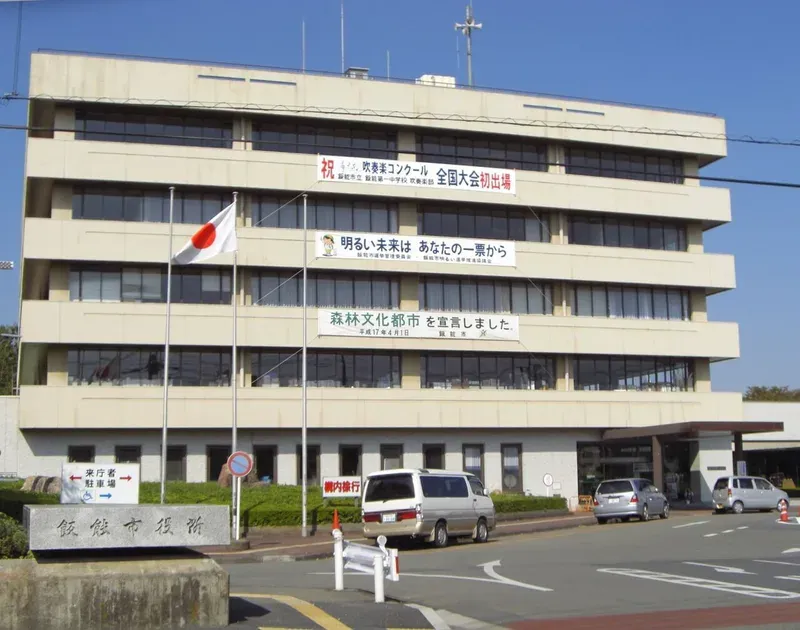
Hanno
Hanno (飯能) is a city in the southwest of Saitama Prefecture, sitting…
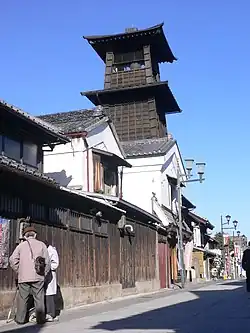
Kawagoe
Kawagoe (川越) is a small city in Saitama Prefecture that punches far…
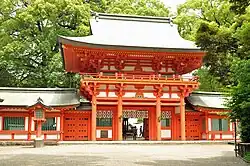
Omiya
Omiya (大宮) is the busy northern district of the city of Saitama, in…
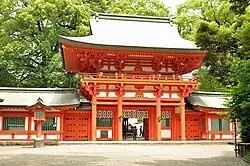
Saitama
Saitama (さいたま) is the capital of Saitama Prefecture, in the Kanto…
Tokorozawa
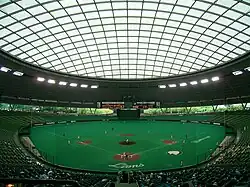
Tokorozawa (所沢) is a suburban city in the southwest of Saitama…
Chichibu-Tama-Kai National Park
Chichibu-Tama-Kai National Park (秩父多摩甲斐国立公園) is a large national park…
Kawaguchi
Kawaguchi (川口市) is a city in southeastern Saitama Prefecture…
Koshigaya
Koshigaya (越谷市) is a city in southeastern Saitama Prefecture, located…
Kumagaya
Kumagaya (熊谷市) is a city in northern Saitama Prefecture, located on…
Mount Mitsumine
Mount Mitsumine is a sacred peak deep in the mountains of western…
Nagatoro
Nagatoro is a small riverside town in the mountainous west of Saitama…
Soka
Soka (草加市) is a city in southeastern Saitama Prefecture, located…
Sample itinerary
See how a trip to Saitama comes together — a real Tripcuro plan, day by day.
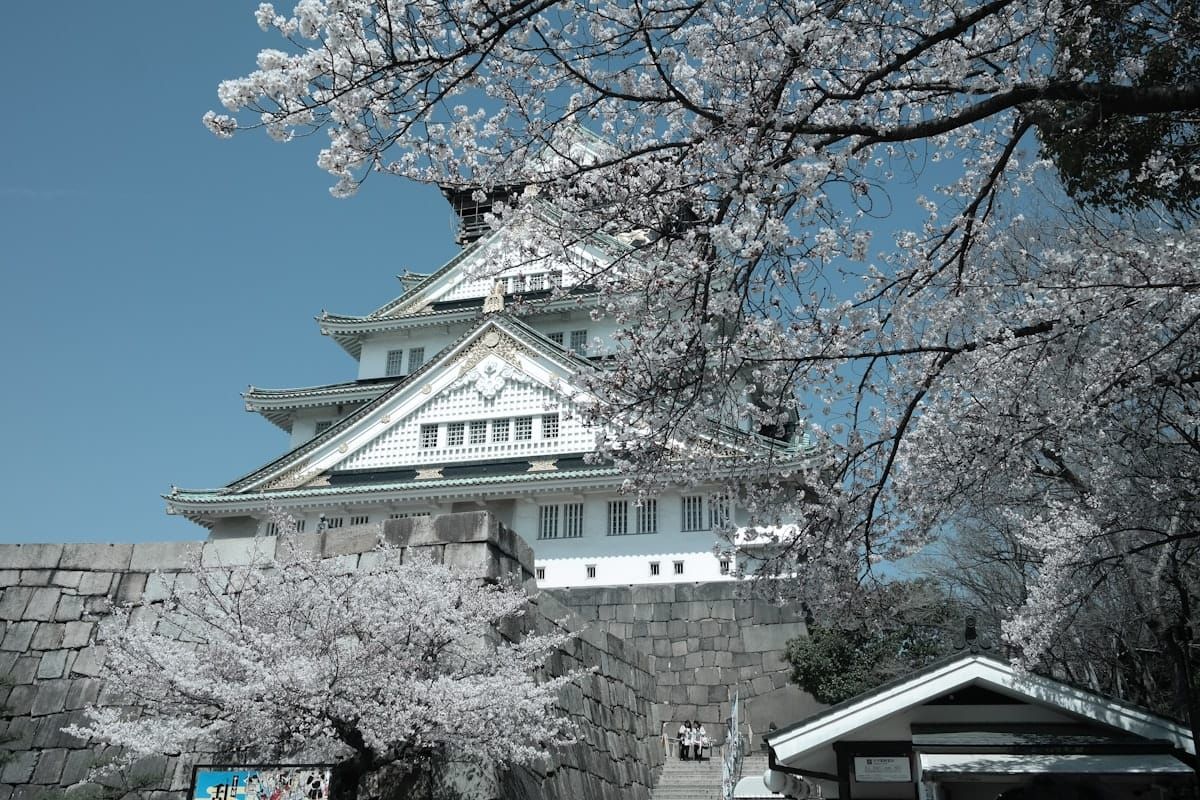
Pair the highlights of Saitama into one easy trip — we'll plan the route.
WhatsApp
Contact Us
Get in touch with us.
Get in touch
Contact Us
Tell us where you'd like to go and how you like to travel. A real Tripcuro planner — not a bot — will craft an itinerary around you.
- Personalised, hassle-free planning end-to-end
- Transparent pricing, no hidden costs
- 24/7 support for complete peace of mind